
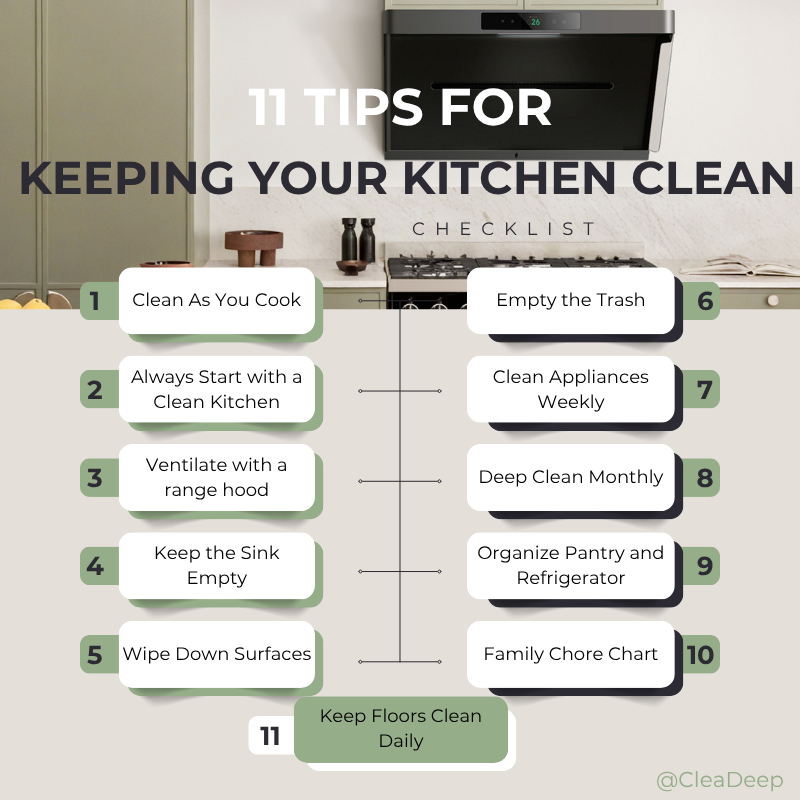
Your kitchen is the heart of your home, where meals are made and memories are shared. But have you ever stopped to think about what really needs to be cleaned and disinfected regularly to keep your family safe?
Germs and bacteria can hide in unexpected places, turning your kitchen from a welcoming space into a health risk. You’ll discover exactly what areas and items in your kitchen demand your attention. By knowing what to clean and disinfect, you’ll protect your loved ones and make your kitchen a healthier, safer place.
Keep reading—you won’t want to miss these simple but powerful tips!

Credit: www.aol.com
High-touch Surfaces
High-touch surfaces in the kitchen are spots everyone touches often. These areas collect dirt, grease, and germs quickly. Cleaning and disinfecting them regularly keeps the kitchen safe and healthy.
Countertops And Backsplashes
Countertops and backsplashes get dirty fast. Food spills, crumbs, and splashes land here daily. Wiping these surfaces with a disinfectant stops bacteria from growing. Pay special attention after preparing raw meat or vegetables.
Cabinet Handles And Knobs
Cabinet handles and knobs are touched many times a day. They can carry germs from hands to food or utensils. Clean them with soap and water, then disinfect to reduce the risk of illness.
Light Switches And Faucets
Light switches and faucets are often ignored but need cleaning. People touch these surfaces constantly, spreading germs. Use disinfectant wipes or sprays to keep these areas germ-free. Focus especially after cooking or washing hands.
Appliances
Kitchen appliances like refrigerators, microwaves, and toasters collect dirt and germs quickly. Regular cleaning and disinfecting keeps food safe and your kitchen fresh. Wiping handles, buttons, and surfaces prevents the spread of bacteria.
Cleaning kitchen appliances is vital for hygiene and function. Regular cleaning ensures your appliances work efficiently. It also helps in maintaining a healthy kitchen environment. Let’s explore the key appliances that need regular attention.
Refrigerator And Freezer
The refrigerator and freezer store our food. They must be clean to prevent bacteria growth. Wipe shelves and drawers weekly with a mild cleaner. Check for expired items and discard them. Clean the exterior and handles to remove germs. Every few months, defrost the freezer. This prevents ice build-up.
Microwave And Oven
Food splatters and spills are common in microwaves and ovens. Clean these appliances regularly to avoid odors and stains. Use a damp cloth with mild soap for the microwave interior. For stubborn stains, heat a bowl of water and lemon juice inside. Clean the oven with a suitable oven cleaner. Remove oven racks and wash them separately.
Dishwasher And Coffee Maker
Dishwashers need regular cleaning to function well. Remove food particles from the filter weekly. Run an empty cycle with vinegar to eliminate odors. Coffee makers can harbor mold and bacteria. Clean the coffee pot and filter basket after each use. Run a cycle with water and vinegar monthly to descale. This ensures your coffee tastes fresh.
Utensils And Cookware
Utensils and cookware are essential tools in every kitchen. They come into direct contact with food, making cleanliness vital. Regular cleaning and disinfection help prevent bacteria growth and foodborne illnesses. Keeping these items hygienic ensures safe meal preparation and protects your family’s health.
Cutting Boards
Cutting boards hold raw and cooked foods. This makes them a hotspot for germs. Clean cutting boards thoroughly after every use. Use hot, soapy water to scrub all surfaces. Disinfect with a mild bleach solution or vinegar spray. Replace boards with deep grooves that can trap bacteria.
Knives And Spoons
Knives and spoons touch many food types daily. Wash them immediately after use with warm water and dish soap. Dry them well to stop bacteria growth. Avoid leaving utensils soaking in water for a long time. Use a disinfectant spray or wipe for extra safety.
Pots And Pans
Pots and pans often hold cooked food and sauces. Clean them right after cooking to remove food residue. Use a scrubber to clean tough spots. Disinfect by boiling water inside pans or using dishwasher cycles. Check for scratches where germs might hide and replace if needed.
Sink And Drain Area
The sink and drain area is one of the busiest spots in the kitchen. It often collects food particles, grease, and bacteria. Cleaning and disinfecting this area regularly helps keep your kitchen safe and fresh. Dirt and germs can hide in places you might not notice. Regular care prevents bad smells and clogs.
Sink Basin
The sink basin holds dirty water and food scraps. It can quickly become a breeding ground for germs. Clean it every day using warm soapy water. Scrub the sides and bottom well to remove stains and residue. Use a disinfectant spray to kill bacteria. Rinse thoroughly to avoid chemical buildup.
Drain And Garbage Disposal
The drain and garbage disposal trap food waste and grease. These spots can smell bad if not cleaned often. Pour boiling water down the drain to clear grease. Use a mixture of baking soda and vinegar to deodorize and clean. Run the disposal with lemon slices to freshen it up. Avoid putting hard or fibrous food in the disposal.
Dish Racks And Sponges
Dish racks and sponges stay wet and attract bacteria. Clean dish racks weekly with hot soapy water. Dry them completely before putting dishes back. Replace sponges frequently or disinfect them by microwaving wet sponges for one minute. Store sponges in a dry place to reduce germs. Use separate sponges for dishes and countertops.
Floors And Trash Areas
Floors and trash areas often get overlooked in kitchen cleaning routines, yet they can harbor a surprising amount of germs and bacteria. Keeping these spots clean and disinfected is crucial to maintaining a healthy kitchen environment. You might not realize how much dirt and debris collect in these areas until you see the difference after a thorough clean.
Kitchen Floors
Your kitchen floors are a magnet for spills, crumbs, and dirt. Regular sweeping and mopping remove surface dirt, but disinfecting the floors kills bacteria that can cause foodborne illnesses.
Use a disinfectant suitable for your floor type, whether tile, wood, or laminate. Pay special attention to corners and under appliances where grime builds up unnoticed. How often do you check those hidden spots?
Trash Cans And Recycling Bins
Trash cans and recycling bins are breeding grounds for bacteria and unpleasant odors. Cleaning them regularly prevents buildup of germs and keeps your kitchen smelling fresh.
Empty bins frequently and wash them with hot, soapy water. Follow up with a disinfectant spray or wipe to ensure all germs are eliminated. Consider lining your bins with biodegradable bags for easier cleanup and less mess.
Mats And Rugs
Mats and rugs in the kitchen catch spills and dirt before they reach the floor, but that means they soak up a lot of bacteria too. Regular washing and disinfecting are essential to prevent contamination.
Check the care label and wash mats weekly if possible. For rugs that can’t be machine washed, use a disinfecting spray and let them dry completely in the sun. Do you remember the last time your kitchen mat got a deep clean?
Credit: www.lemon8-app.com
Food Storage Areas
Food storage areas in your kitchen are more than just spots to keep ingredients. They can quickly become hotspots for spills, crumbs, and even bacteria if neglected. Regular cleaning and disinfecting of these areas help maintain food safety and keep your kitchen smelling fresh.
Pantry Shelves
Pantry shelves often collect dust, food particles, and sticky residues from spills. Wiping them down regularly with a mild detergent and disinfectant can prevent mold and pests from settling in. Don’t forget to remove expired items during cleaning—this keeps your pantry organized and safe.
Food Containers
Food containers are the first line of defense against contamination. Even if the containers look clean, residues can build up in lids and seals. Wash containers thoroughly with hot, soapy water after each use, and sanitize them weekly to avoid bacteria growth.
Spice Racks
Spice racks can gather dust and oil splatters, especially if located near the stove. Cleaning them regularly helps preserve the freshness of your spices and prevents cross-contamination. Take a moment to check for clumped or expired spices while you’re at it—fresh spices improve your cooking and kitchen hygiene.
Cleaning Tools
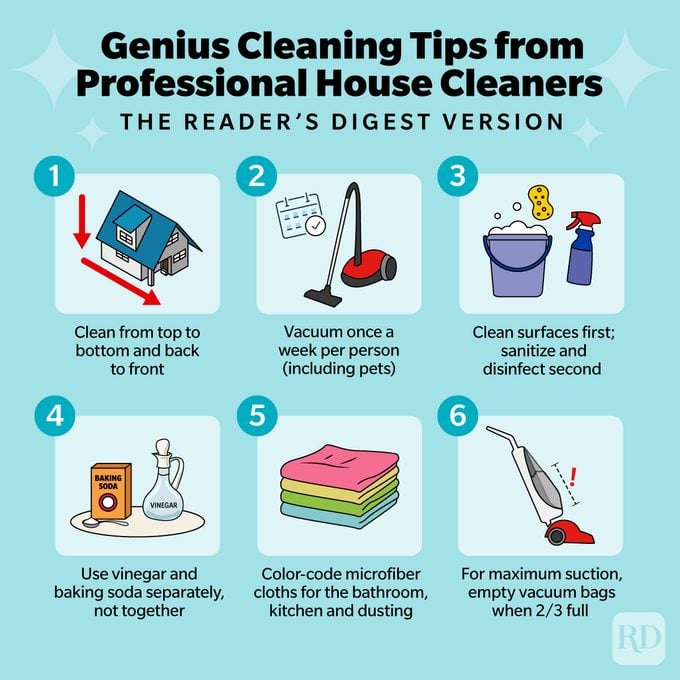
Cleaning tools are often overlooked when maintaining a hygienic kitchen, but they play a crucial role in preventing the spread of germs. If your cleaning tools are dirty, they can transfer bacteria from one surface to another, making your efforts useless. Regularly cleaning and disinfecting these tools ensures your kitchen stays truly clean.
Dishcloths And Towels
Dishcloths and towels are used every day to wipe counters, dry dishes, and clean spills. They absorb moisture and food particles, creating a perfect environment for bacteria to grow. Wash them frequently in hot water and avoid using the same cloth for raw meat and vegetables to prevent cross-contamination.
Do you remember the last time you replaced your kitchen towels? If it’s been a while, now is the time to switch them out. Consider using separate towels for hands and dishes to keep everything sanitary.
Mops And Brooms
Mops and brooms pick up dirt, crumbs, and spills, but they also collect germs over time. After using a mop, rinse it thoroughly and let it dry completely to stop bacteria from multiplying. For brooms, shake them outside and clean the bristles regularly to remove trapped debris.
Have you noticed a strange smell coming from your mop bucket? That’s a sign it’s time for a deep clean. Replace mop heads when they look worn or stained to maintain their effectiveness.
Cleaning Sprays And Disinfectants
Cleaning sprays and disinfectants lose their power if stored improperly or used past their expiration date. Check the labels for proper storage instructions and make sure to replace any old products. Using the right disinfectant for the surface ensures you kill harmful bacteria effectively.
Ever wonder if your disinfectant is actually working? Try wiping a small area and seeing if dirt or residue remains after drying. If it does, switch to a stronger or more appropriate cleaner to protect your kitchen better.
Credit: www.rd.com
Frequently Asked Questions
What Kitchen Surfaces Need Regular Cleaning And Disinfecting?
Kitchen countertops, cutting boards, sinks, and cabinet handles require regular cleaning and disinfecting. These areas often contact food and hands, making them prone to bacteria and germs. Maintaining hygiene here prevents cross-contamination and foodborne illnesses.
How Often Should Kitchen Sponges Be Disinfected?
Kitchen sponges should be disinfected daily or replaced weekly. They harbor bacteria from food particles and moisture. Regular cleaning using microwaving or soaking in bleach helps reduce germs and keeps your kitchen hygienic.
Why Is Disinfecting Kitchen Appliances Important?
Disinfecting kitchen appliances like refrigerators, microwaves, and toasters prevents bacterial growth. These devices often come in contact with food and hands. Regular cleaning ensures food safety and maintains appliance longevity.
Which Kitchen Items Are Hotspots For Germs?
Sink faucets, refrigerator handles, and light switches are germ hotspots. Frequent touching and moisture make them breeding grounds for bacteria. Regular disinfection reduces the risk of contamination and promotes a healthy kitchen environment.
Conclusion
Keeping your kitchen clean and disinfected protects your health. Regularly wipe countertops, sinks, and cutting boards to stop germs. Don’t forget handles, knobs, and appliances, as they collect bacteria. Clean fridge shelves and trash bins often to avoid bad smells and bugs.
Simple daily habits keep your kitchen safe and fresh. A clean kitchen means safer food and fewer illnesses. Stay consistent, and your kitchen will stay a healthy place for everyone. Easy steps make a big difference every day.