
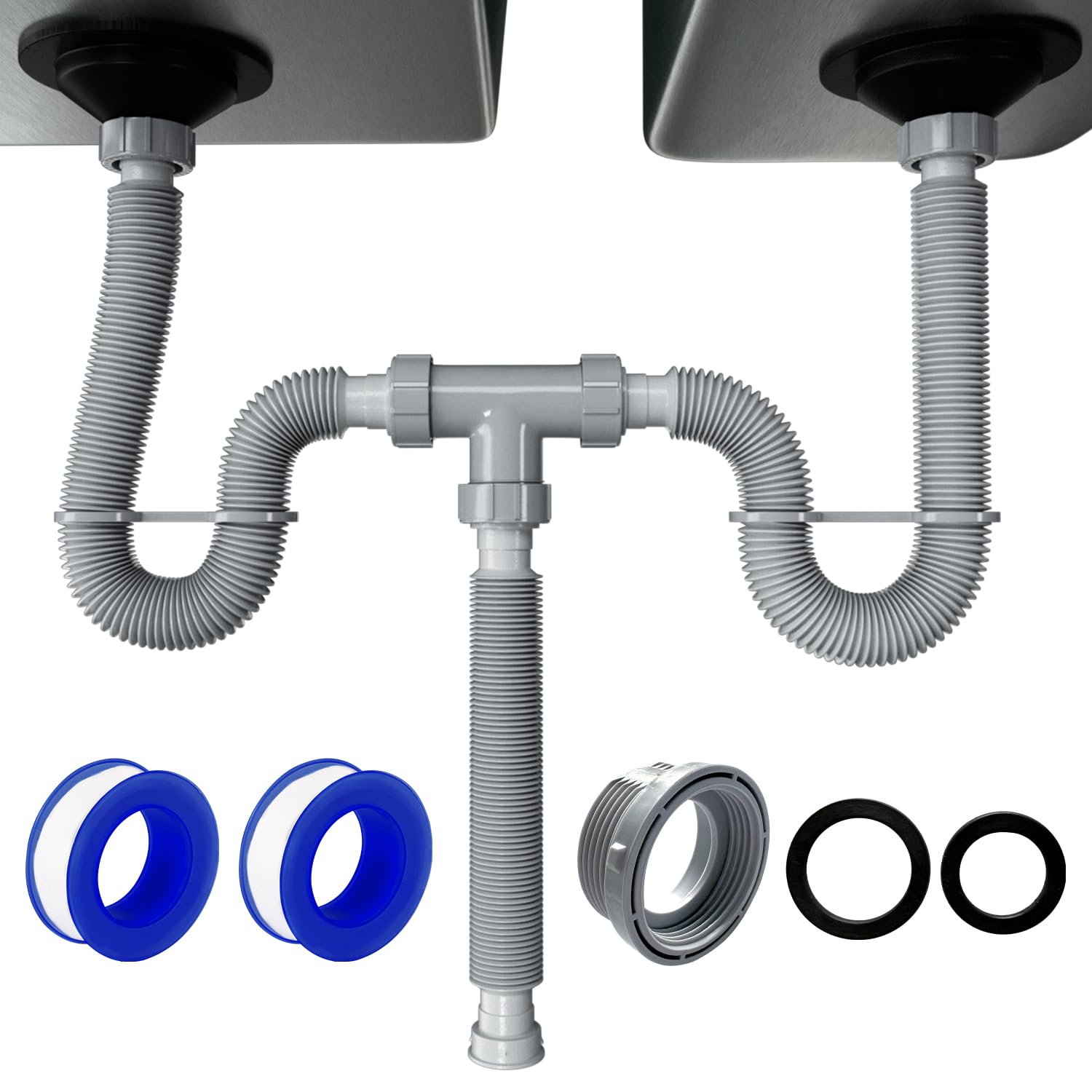
Choosing the right size drain pipe for your kitchen sink and dishwasher might seem like a small detail, but it can make a huge difference in how well everything works. If your pipes are too narrow, you could face slow drainage or clogs.
Too wide, and you might waste space or money on unnecessary materials. You want your kitchen to run smoothly without plumbing headaches. You’ll discover exactly what size drain pipe you need to keep your sink and dishwasher draining perfectly. Keep reading to avoid costly mistakes and ensure your kitchen stays hassle-free!

Credit: www.meesho.com
Drain Pipe Sizes
Understanding the right drain pipe size is crucial for your kitchen sink and dishwasher to work efficiently. Using the incorrect size can cause slow drainage, leaks, or even clogs. Let’s look at the common sizes that fit most kitchens and what you should consider when installing or replacing your drain pipes.
Common Sizes For Kitchen Sinks
Most kitchen sinks use drain pipes that are either 1.5 inches or 2 inches in diameter. The 1.5-inch pipe is standard for single-bowl sinks, handling typical water flow without issue. If you have a double-bowl sink or a larger kitchen setup, a 2-inch pipe often works better to prevent backups.
Choosing the right size depends on your sink’s drain opening and how much water flows through it daily. A pipe that’s too small slows drainage and causes odors, while a pipe that’s too large might be difficult to install and unnecessary. Have you checked your sink’s drain size before buying replacement parts?
Standard Dishwasher Drain Pipes
Dishwashers usually connect to the sink drain with a 5/8-inch or 7/8-inch drain hose, but the pipe they drain into is typically 1.5 inches in diameter. This size ensures water from the dishwasher flows out smoothly without backing up into the appliance.
It’s important to keep dishwasher drain hoses clear and properly installed to avoid leaks or water pooling under your sink. If you’ve ever noticed water pooling after a dishwasher cycle, the issue might be with the drain pipe size or an incorrect connection.
Are you confident your dishwasher drain setup matches these standard sizes? Checking this can save you from costly repairs down the line.

Credit: www.amazon.com
Material Options
Choosing the right material for your kitchen sink and dishwasher drain pipes impacts durability, ease of installation, and maintenance. Each option offers different benefits and challenges. Understanding these materials helps you decide what fits your kitchen setup and budget best.
Pvc Pipes
PVC pipes are a popular choice due to their affordability and ease of use. They resist corrosion and handle hot water well, making them ideal for kitchen drains.
Installation is straightforward since PVC pipes are lightweight and connect with simple fittings. However, they can become brittle over time if exposed to extreme cold or sunlight.
Have you noticed any discoloration or cracking around your current plastic pipes? That might be a sign to consider upgrading or switching materials.
Abs Pipes
ABS pipes offer a tougher alternative to PVC and handle impact better. They are black and often used in residential drainage systems.
These pipes are resistant to chemicals and temperature changes, giving them an edge in durability. But their fittings can be harder to find and sometimes more expensive.
Think about how often your drains get clogged or damaged. Could ABS provide the extra strength your kitchen needs?
Metal Pipes
Metal pipes, such as stainless steel or copper, provide excellent strength and longevity. They handle heat and pressure very well.
On the downside, metal pipes are heavier and require more skill to install. They can also be prone to corrosion if not properly maintained.
If you want a premium option that lasts decades and adds a professional touch to your kitchen, metal might be worth the investment. What’s more important to you: ease or durability?
Sizing Factors
Drain pipe size depends on water flow from the sink and dishwasher. A 1. 5-inch pipe suits most kitchen sinks, while a 2-inch pipe handles dishwasher drainage better. Proper sizing prevents clogs and ensures smooth water flow.
Understanding the sizing factors for your kitchen sink and dishwasher drain pipe can be the difference between a smoothly running kitchen and a plumbing nightmare. The right size ensures efficient drainage and prevents the dreaded clogs that can disrupt your daily routine. With various factors influencing the decision, it's essential to get it right the first time.
Water Flow Rate
The water flow rate is a crucial consideration when choosing the drain pipe size. A higher flow rate demands a larger diameter pipe to handle the volume efficiently. Think about how often you run your dishwasher and sink simultaneously. If you're like many busy households, this happens frequently. A pipe that’s too narrow can lead to slow drainage and backups. Opt for a pipe size that matches or exceeds the expected flow rate to ensure smooth operation.
Pipe Length And Slope
Pipe length and slope play significant roles in drainage efficiency. A longer pipe might require a larger diameter to maintain an adequate flow rate. Similarly, the slope of the pipe affects water movement. A gentle slope allows gravity to do its job, moving waste water effectively. However, too steep a slope can cause water to rush through too quickly, leaving solids behind. Striking the right balance in slope and size is key.
Local Plumbing Codes
Local plumbing codes often dictate the minimum size requirements for drain pipes. Ignoring these regulations can lead to costly repairs and potential fines. These codes are designed to ensure safety and efficiency in your plumbing system. Before making any decisions, check with your local building authority. This step might seem tedious, but it ensures your kitchen plumbing is up to standard and saves you headaches down the road.
Installation Tips
Installing the right size drain pipe for your kitchen sink and dishwasher is just the start. Proper installation is key to preventing leaks, clogs, and odors. Let’s dive into some hands-on tips to make sure your plumbing works smoothly and lasts longer.
Proper Pipe Connection
Make sure the drain pipe fits snugly without forcing it into place. Use the correct size—typically 1.5 to 2 inches for kitchen sinks and dishwashers—to avoid leaks or slow drainage.
Secure connections with quality slip-joint nuts and washers, tightening them just enough to prevent leaks but not so much that you crack the pipes. Double-check that the dishwasher’s drain hose is connected to the sink’s drain or garbage disposal with an air gap or high loop to stop dirty water from flowing backward.
Avoiding Clogs
Keep the drain line as straight and short as possible. Sharp bends and long runs can trap food particles and soap scum, leading to blockages.
Regularly clean the strainers and traps to catch debris before it reaches the pipes. Think about installing a mesh filter if you frequently deal with food waste, it saves a lot of headaches down the line.
Ventilation Requirements
Proper ventilation helps water flow smoothly and prevents gurgling sounds or slow drains. Make sure your drain pipes connect to a vent stack or use air admittance valves where traditional venting isn’t possible.
Without ventilation, negative pressure can cause slow drainage and even siphon water from traps, letting sewer gases enter your kitchen. Ask yourself: Have you noticed any unusual smells or slow draining after installation? It might be a venting issue needing immediate attention.
Common Issues
Choosing the right drain pipe size for your kitchen sink and dishwasher is crucial. Problems often arise when the pipe is too small or not installed correctly. These issues can cause frustration and costly repairs. Understanding common problems helps in fixing or avoiding them.
Slow Drainage
Slow drainage happens when pipes clog or have a small diameter. Food scraps and grease build up inside the pipe. This restricts water flow and causes water to drain slowly. A larger pipe size allows waste to move easily. Regular cleaning also prevents blockages.
Leaks And Seals
Leaks occur at pipe joints or seals that are not tight. Using the wrong pipe size puts stress on seals and connections. Water can drip or spray out, causing damage under the sink. Proper pipe size and secure fittings reduce leak risks. Check seals often to catch leaks early.
Noise Problems
Noise from drain pipes can be annoying. Small pipes cause water to rush faster, making loud sounds. Pipes that are loose or poorly supported also create noise. Using the right pipe size and securing pipes helps keep noise low. Quiet drainage means a more comfortable kitchen.

Credit: www.amazon.ca
Maintenance Advice
Proper maintenance keeps your kitchen sink and dishwasher drain pipes working well. It stops clogs, leaks, and bad smells. Simple care helps avoid costly repairs and extends pipe life.
Regular Cleaning
Clean drain pipes often to remove grease, food bits, and soap buildup. Use a mixture of baking soda and vinegar to clear minor blockages. Flush pipes with hot water after cleaning. Avoid harsh chemicals that can damage pipes. Regular cleaning keeps water flowing smoothly.
Inspecting For Damage
Check pipes regularly for cracks, leaks, or rust. Look under the sink and behind the dishwasher. Use a flashlight to see hard spots. Early damage detection prevents bigger problems. Tighten loose fittings to stop leaks. Replace worn washers or seals promptly.
When To Replace Pipes
Replace pipes if they leak constantly or crack. Old pipes may corrode inside, causing water flow issues. If pipes are clogged beyond cleaning, consider replacement. Upgrading to larger pipes can improve drainage. Use durable materials like PVC or stainless steel for replacements.
Frequently Asked Questions
What Size Drain Pipe Is Needed For A Kitchen Sink?
A 1. 5-inch to 2-inch drain pipe is standard for kitchen sinks. This size ensures proper water flow and prevents clogs efficiently.
What Drain Pipe Size Works Best For A Dishwasher?
A 1. 5-inch drain pipe is typically recommended for dishwashers. It allows efficient drainage without backflow or blockages.
Can Kitchen Sink And Dishwasher Share The Same Drain Pipe?
Yes, they can share a 2-inch drain pipe. Proper venting and traps are necessary to avoid drainage issues.
Why Is Pipe Size Important For Kitchen Sink Drainage?
Correct pipe size prevents clogs and ensures smooth water flow. It also prolongs plumbing fixture life and avoids costly repairs.
Conclusion
Choosing the right drain pipe size keeps your kitchen sink and dishwasher working well. A 1. 5-inch pipe usually fits most kitchen sinks. Dishwashers often need a 2-inch drain pipe to avoid clogs. Using the correct size stops leaks and slow drainage.
It also helps prevent bad smells and water damage. Always check local codes or ask a plumber if unsure. Proper pipe size makes kitchen cleanup easier and safer. Simple steps save time and money in the long run. Good plumbing means a happy kitchen.