
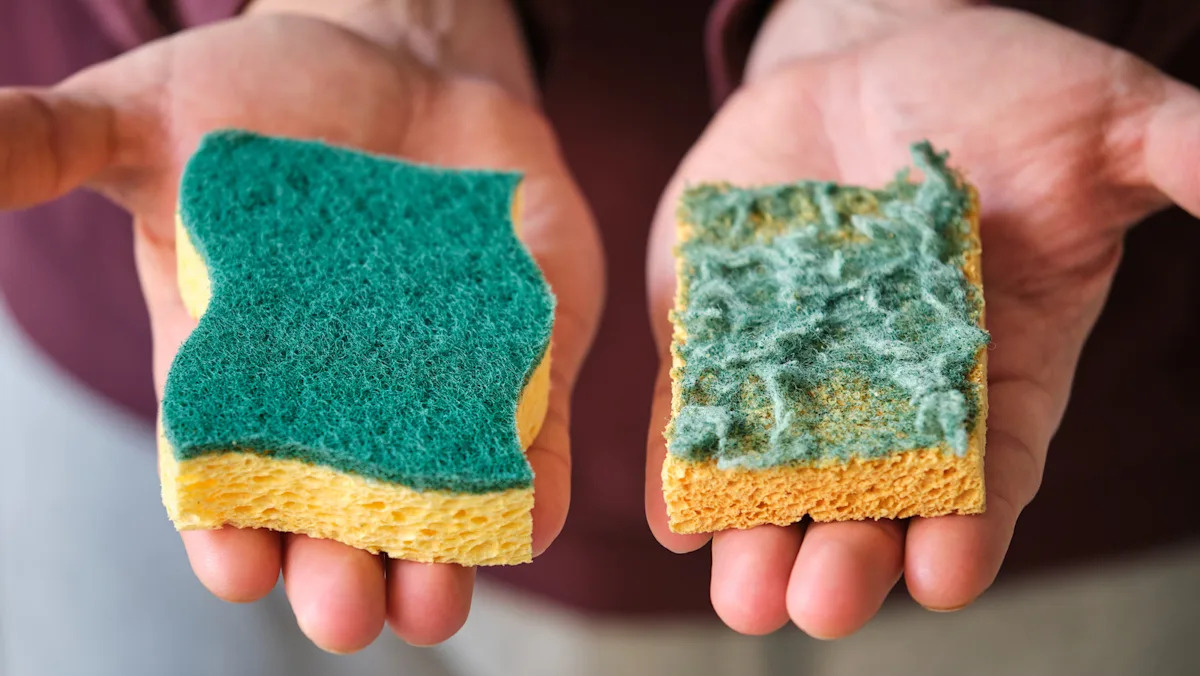
Your old kitchen sponges might seem like trash, but what if they could still serve a purpose? Instead of tossing them out, you can give them a new life in ways you never thought possible.
Imagine saving money, reducing waste, and even making your home cleaner—all by rethinking what to do with those worn-out sponges. Keep reading, and you’ll discover simple, smart ideas that turn your old kitchen sponges into useful tools around your home.
Don’t miss out on these easy tips that make a big difference!
Repurpose As Cleaning Tools
Old kitchen sponges do not need to be thrown away right away. They can be useful in many cleaning tasks around the house. Repurposing sponges saves money and reduces waste. Here are some practical ways to reuse those worn-out sponges as cleaning tools.
Use For Delicate Surfaces
Soft sponges are perfect for cleaning delicate surfaces. Use them on glass, mirrors, or screens to avoid scratches. Dampen the sponge lightly and wipe gently for a streak-free shine. This method keeps fragile items safe and clean without harsh chemicals.
Create Scrubbers For Tough Stains
Cut old sponges into small pieces to make scrubbers. Attach a few pieces together with a rubber band for extra strength. These scrubbers work well on pots, pans, and tiles. They help remove stubborn stains without damaging surfaces.
Make A Soap Holder
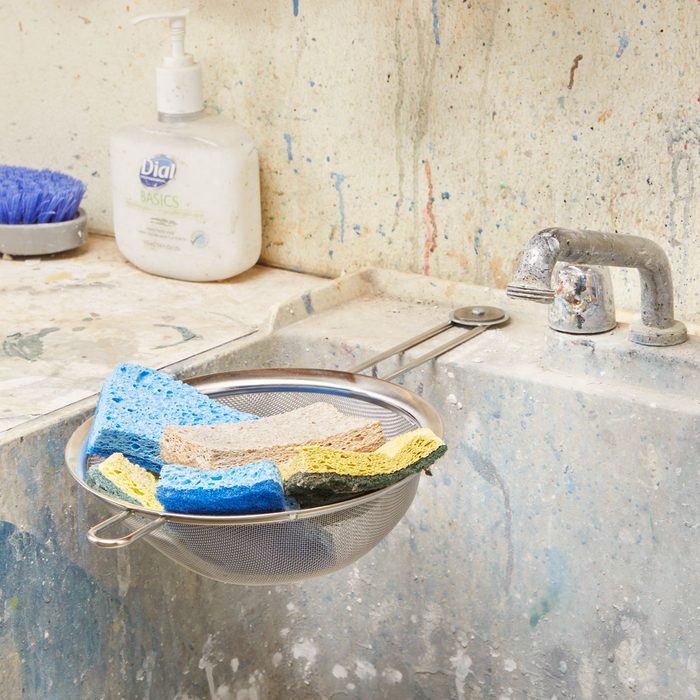
Use a dry sponge as a soap holder in the bathroom or kitchen. The sponge absorbs water and keeps soap dry. This prevents soap from getting mushy and extends its life. Place the sponge on a dish or tray for easy cleaning.
Credit: www.familyhandyman.com
Craft Projects With Sponges
Old kitchen sponges don’t have to end up in the trash. They can become fun and useful materials for creative craft projects. With a bit of imagination, you can turn these everyday items into art supplies or unique decor pieces that add personality to your home.
Stamping And Painting Art
Cut old sponges into different shapes—circles, stars, or hearts work well. Dip them in paint and press onto paper or fabric to create custom patterns. This technique adds texture and a playful touch to your artwork.
You can even mix colors directly on the sponge for a blended effect. Kids especially love this hands-on activity because it’s simple and mess-friendly. Have you ever tried making your own wrapping paper this way?
Build Mini Planters
Sponges can hold moisture, making them perfect for tiny plant holders. Cut a sponge to fit inside small containers or jars, then place a succulent or air plant on top. The sponge keeps the plant hydrated without overwatering.
This is a clever way to reuse sponges while brightening up your desk or windowsill. Plus, it’s an easy project you can finish in minutes. What small plants would you like to showcase this way?
Create Decorative Items
Use sponge pieces to craft decorative shapes like flowers, wreaths, or garlands. Glue different colored sponges together to form layers and interesting textures. These handmade decorations are lightweight and customizable.
You can spray paint sponges to match your room’s theme or add glitter for sparkle. It’s a budget-friendly way to refresh your space without buying new decor. Imagine the compliments you’d get from guests noticing your unique creations!
Eco-friendly Disposal Methods
Old kitchen sponges can be composted if made from natural materials. Some stores accept sponges for recycling programs. Avoid throwing them in the trash to reduce landfill waste.
Disposing of old kitchen sponges in an eco-friendly manner can significantly reduce your household waste footprint. Every sponge you save from a landfill contributes to a healthier planet. Let's explore some practical methods to dispose of these everyday kitchen items sustainably.
Composting Natural Sponges
If your kitchen sponges are made from natural materials like cellulose, they can be composted. Just cut them into smaller pieces to speed up decomposition. Add them to your compost pile, mixing them with food scraps and yard waste for a balanced compost heap.
Recycling Options
Check if your local recycling facility accepts sponges. Some places have special programs for recycling household items like sponges. You might be surprised to find that certain brands even offer mail-back recycling programs for their products.
Safe Trash Disposal Tips
When recycling or composting isn't an option, safe disposal is key. Ensure sponges are dry and clean before throwing them away. This minimizes odors and prevents bacteria growth in your trash can, making it a more pleasant experience for you and your family. Consider the impact of your choices the next time you reach for a new sponge. Are there ways you can contribute even more to reducing waste? Small changes in your routine can lead to significant benefits for the environment.

Credit: parade.com
Upcycling For Garden Use
Old kitchen sponges don’t have to end up in the trash. They can find a new life in your garden, helping you grow plants and keep pests at bay. Upcycling sponges for garden use is simple, practical, and gives your green space an eco-friendly boost.
Use As Seed Starters
Cut old sponges into small squares or strips and dampen them slightly. Place your seeds on top and cover with a thin layer of soil or another damp sponge piece. The sponge holds moisture well, creating a perfect environment for seeds to sprout.
Have you noticed how some seeds struggle to get started in dry soil? Using sponges can give them the consistent moisture they need without overwatering.
Moisture Retention In Pots
Drop pieces of sponge at the bottom of your plant pots before adding soil. The sponge absorbs water and releases it slowly, keeping the soil moist longer between waterings.
This trick is especially useful if you often forget to water or if you have plants that prefer steady moisture. It saves water and helps your plants thrive without constant attention.
Pest Deterrent Applications
Soak sponges in natural pest repellents like diluted garlic or neem oil solutions. Place these sponges around your garden beds or near vulnerable plants.
The sponges slowly release the scent, discouraging pests without using harsh chemicals. Have you tried this natural approach to keep bugs away without harming beneficial insects?
Storage And Organization Hacks
Old kitchen sponges don’t have to end up in the trash right away. They can be transformed into handy tools for storage and organization around your home. These simple hacks help you protect small items, create soft drawer cushions, and keep tiny things like jewelry or tools neatly arranged.
Protect Small Items
Cut your old sponges into small pieces to use as padding for fragile items. Place these sponge pieces in boxes or containers to stop delicate objects from shifting or breaking. This works great for glassware, ornaments, or even small electronics during moves or storage.
Have you ever lost a tiny screw or button in a cluttered drawer? Try placing a sponge piece at the bottom to keep these small items from rolling around. It’s a simple way to reduce frustration and save time searching later.
Create Drawer Cushions
Sponges can be cut to fit the bottom of drawers, providing soft cushioning for your utensils, gadgets, or collectibles. This prevents noise from clattering and avoids scratches on delicate surfaces.
Using sponges as drawer liners is an affordable and eco-friendly alternative to buying new liners. Plus, they’re easy to clean or replace when needed. Imagine opening your drawer to find everything snug and quiet—it’s a small change with a big impact.
Organize Jewelry Or Tools
Slice sponges into thin layers and poke holes to hold earrings or small tools upright. This keeps your jewelry tangle-free and your tiny screwdrivers or drill bits easy to access.
If you keep losing pairs of earrings or small parts, try this trick. It turns clutter into an organized display and makes finding what you need quick and stress-free. How much time could you save daily by having your accessories or tools perfectly organized?

Credit: www.aol.com
Frequently Asked Questions
How Can I Safely Dispose Of Old Kitchen Sponges?
Old kitchen sponges should be disposed of in the regular trash. Avoid composting as they contain synthetic materials. Check if your local recycling program accepts them, though most do not. Always replace sponges regularly to maintain hygiene in your kitchen.
Can Old Kitchen Sponges Be Recycled Or Repurposed?
Most kitchen sponges cannot be recycled due to mixed materials. However, you can repurpose them for cleaning shoes, scrubbing outdoor furniture, or as craft material. Repurposing extends their life and reduces waste, making it an eco-friendly option.
What Are Creative Uses For Old Kitchen Sponges?
Old sponges can be cut into shapes for kids’ crafts or used as paint stamps. They also work well for cleaning hard-to-reach areas, polishing shoes, or cushioning fragile items during packing. These ideas help you reuse sponges before discarding them.
How Often Should Kitchen Sponges Be Replaced?
Kitchen sponges should be replaced every 1 to 2 weeks. Frequent use and moisture make them breeding grounds for bacteria. Regular replacement prevents cross-contamination and keeps your kitchen clean and safe.
Conclusion
Old kitchen sponges do not have to end up in the trash. You can reuse them for cleaning small spots or scrubbing shoes. Some sponges work well in the garden to keep plants moist. Composting certain types is an option, too.
Taking care of your sponges helps reduce waste. Try these simple ideas and give your old sponges a second life. Small changes make a big difference in your home and the planet.