
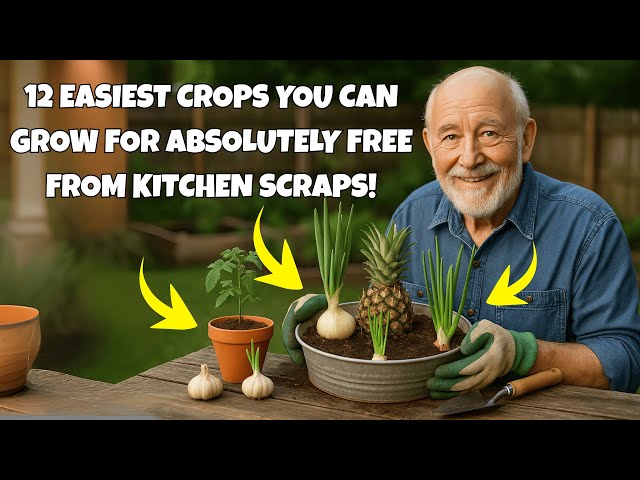
Have you ever thrown away vegetable peels, fruit cores, or herb stems without a second thought? What if you could turn those kitchen scraps into fresh, homegrown plants right on your windowsill or garden?
Growing from kitchen scraps not only saves money but also gives you a rewarding way to reduce waste and enjoy fresh produce. You’ll discover simple, practical tips to transform your everyday food leftovers into a thriving mini garden. Ready to see how easy and satisfying it can be?
Keep reading to unlock the secrets of what to grow from kitchen scraps.
Credit: www.familyhandyman.com
Top Kitchen Scraps To Grow
Growing plants from kitchen scraps is a smart way to save money and reduce waste. Many common leftovers have the potential to sprout new life right on your windowsill or garden. Knowing which scraps regrow well can help you start your mini garden with ease and success.
Vegetables That Regrow
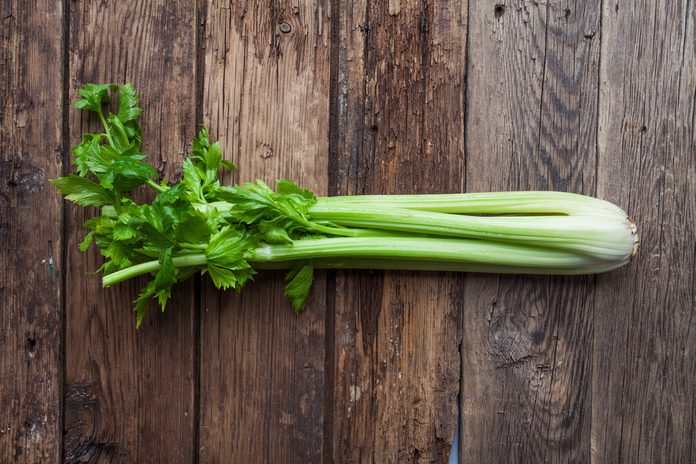
Several vegetables can grow back quickly from their scraps. Green onions are a favorite—they regrow just by placing the white roots in a glass of water. Lettuce and celery stumps also bounce back when set in shallow water, giving you fresh leaves in days.
Carrot tops won’t regrow the root but sprout lovely green tops perfect for salads or garnishes. Garlic cloves can be planted to grow new bulbs, and potato eyes will sprout new tubers if left in soil. Have you ever tried regrowing bok choy or fennel? These too can regrow from scraps and add fresh crunch to meals.
Herbs From Leftovers
Herbs are surprisingly easy to grow from kitchen scraps. Basil, mint, and cilantro cuttings root quickly in water and can be transferred to soil once they develop roots. This saves trips to the store and keeps fresh herbs at your fingertips.
Even parsley stems with a few leaves can regrow when placed in water. Try regrowing rosemary by placing a cutting in a glass with enough water to cover the stem. You’ll notice new roots forming within a couple of weeks, ready for planting.
Fruits You Can Plant
Some fruit seeds and pits can be planted to grow your own fruit trees or plants. Avocado pits can be suspended in water with toothpicks until they sprout roots and shoots. Citrus seeds from oranges or lemons can be dried and planted to start small fruit trees indoors.
Have you saved apple seeds before? Though growing apple trees from seeds takes patience, it’s rewarding to watch your tree mature over time. Pineapple tops can also be planted to produce a new plant, offering a tropical touch to your garden.

Credit: www.everydaycheapskate.com
Simple Regrowth Methods
Growing plants from kitchen scraps is an easy way to enjoy fresh greens. Simple regrowth methods save money and reduce waste. These techniques use scraps you already have. They require little effort and space. Anyone can start a small indoor garden with just a few tools.
Water Propagation Techniques
Water propagation helps scraps grow roots quickly. Place vegetable scraps like green onions or celery in a jar with water. Change the water every few days to keep it fresh. Small roots will appear in about one week. Once roots grow strong, transfer the plant to soil or continue growing in water.
- Use clear jars to watch root development.
- Keep jars in bright, indirect sunlight.
- Use clean water to avoid mold growth.
Soil Planting Tips
Planting scraps directly in soil leads to healthier growth. Use loose, well-draining soil. Plant scraps such as potato eyes or carrot tops about one inch deep. Water the soil lightly but regularly. Keep the soil moist, not soggy. Place pots where plants get enough sunlight daily.
- Choose pots with drainage holes to prevent waterlogging.
- Use seed-starting mix for faster germination.
- Cover seeds lightly with soil for warmth and moisture retention.
Containers And Space Saving
Small containers work well for kitchen scrap gardens. Use recycled containers like yogurt cups or egg cartons. Group plants with similar water and light needs together. Vertical planters and hanging baskets save floor space. Label containers for easy care and tracking growth.
- Use shallow containers for plants with small roots.
- Stack containers on shelves near windows.
- Rotate plants for even sunlight exposure.
Best Practices For Success
Growing plants from kitchen scraps is simple with the right care. Success depends on understanding their needs and providing proper conditions. Small efforts lead to healthy growth and fresh produce. Follow these best practices for strong, thriving plants.
Light And Temperature Needs
Most kitchen scraps need bright, indirect light to grow well. A sunny windowsill is a great spot. Avoid direct, harsh sunlight that can burn leaves. Maintain room temperature between 65-75°F (18-24°C). Avoid cold drafts or very hot spots near heaters. Consistent light and warmth help roots develop faster.
Watering And Care
Keep the soil or water moist but not soggy. Overwatering causes root rot and slows growth. Check moisture daily and water lightly when dry. Change water every few days for scraps grown in water. Use clean containers to prevent bacteria buildup. Trim dead or yellow leaves to keep plants healthy. Patience matters; growth may take days or weeks.
Pest Prevention Naturally
Keep plants clean to avoid pests like aphids or fungus gnats. Wipe leaves gently with a damp cloth to remove dust. Use natural sprays like diluted neem oil or soapy water for pest control. Avoid chemical pesticides as they can harm young plants. Encourage beneficial insects like ladybugs if possible. Regular inspection helps catch problems early and protects your plants.
Sustainable Benefits
Growing plants from kitchen scraps helps reduce waste and saves money. It also supports a healthier environment by recycling nutrients back into the soil. This simple practice turns everyday scraps into fresh, homegrown food.
Growing plants from kitchen scraps offers many sustainable benefits. It not only helps the environment but also boosts household savings. By reusing scraps, you can create a thriving home garden with minimal effort.
Reducing Food Waste
Every year, tons of food waste end up in landfills. By regrowing vegetables from scraps, you reduce this waste. Scraps that usually get tossed can sprout new life. This simple practice helps the planet and makes your home more eco-friendly.
Saving Money On Produce
Buying fresh produce can be expensive. Using kitchen scraps to grow new plants saves money. A single potato or onion can yield multiple harvests. Think of the savings over time. Plus, homegrown vegetables often taste better than store-bought ones.
Boosting Home Garden Yield
A garden started from scraps can grow abundantly. Lettuce and celery regrow easily from their bases. Herbs like basil and cilantro thrive from leftover stems. With minimal investment, your garden can flourish. This increases the yield without buying seeds or plants.
Creative Kitchen Scrap Uses
Creative kitchen scrap uses help reduce waste and grow plants at home. Instead of tossing scraps, you can turn them into valuable resources. These ideas save money and support a greener lifestyle.
Composting Basics
Composting changes kitchen scraps into rich soil. Fruit peels, vegetable ends, and coffee grounds work well. Avoid meat, dairy, and oily foods. Keep the compost moist and turn it often. This speeds up decomposition and stops odors.
Use a small bin or outdoor pile for compost. In a few months, you get nutrient-filled soil. This soil helps plants grow strong and healthy.
Diy Fertilizers
Make simple fertilizers from kitchen scraps to feed plants. Eggshells provide calcium. Crush them before adding to soil. Coffee grounds add nitrogen and improve soil texture.
Boil banana peels in water for a natural liquid fertilizer. Let it cool before pouring on plants. These fertilizers support plant growth without chemicals.
Upcycling Containers For Plants
Reuse containers to grow plants from scraps. Old jars, egg cartons, and yogurt cups work great. Clean them well before use. Add drainage holes to prevent water buildup.
Plant seeds or regrow vegetables in these containers. They save space and reduce plastic waste. Decorating containers can also make your garden look nice.
:strip_icc()/bhg-celery-root-water-bowl_9FVSO2R1amSA2T_srNhJxL-eba8549304334021acb0fbfa16be5b4b.jpg)
Credit: www.bhg.com
Frequently Asked Questions
What Kitchen Scraps Can Grow New Plants?
You can regrow green onions, garlic, celery, and lettuce from scraps. Potato eyes and ginger also sprout well. These scraps root easily in water or soil, making them perfect for kitchen gardening.
How To Regrow Vegetables From Kitchen Scraps?
Place the base of vegetables like celery or green onions in water. Change water every few days. Once roots grow, transplant them into soil. This method saves money and reduces food waste.
Which Fruits Grow Well From Scraps?
Pineapple tops, avocado pits, and citrus seeds sprout well. These scraps require warm, moist conditions to germinate. Growing fruit plants from scraps can be rewarding and eco-friendly.
Can I Regrow Herbs From Kitchen Scraps?
Yes, herbs like basil, mint, and cilantro regrow easily. Place cuttings in water until roots develop. Then plant them in soil for fresh herbs at home.
Conclusion
Growing plants from kitchen scraps saves money and reduces waste. It’s easy and fun to try at home. You can grow herbs, vegetables, and even fruits this way. Small efforts bring fresh food right to your kitchen. Start with simple scraps like green onions or potato eyes.
Watch your plants grow day by day. Gardening this way connects you with nature and food. Give it a try and enjoy fresh greens anytime. Growing from scraps helps both you and the planet. Simple, rewarding, and good for everyone.