
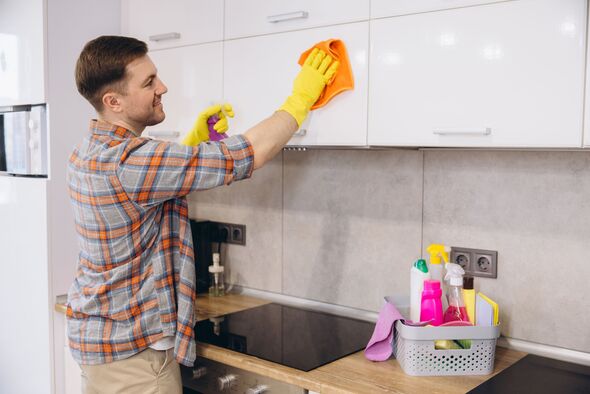
Are your kitchen cabinets looking dull or sticky? You might be wondering what the best way is to clean them without causing damage.
The right cleaning method can make your cabinets shine like new, while the wrong one might leave stains or wear down the finish. You’ll discover simple, effective solutions that protect your cabinets and keep your kitchen looking fresh. Keep reading to find out exactly what you should use for cleaning your kitchen cabinets—and say goodbye to grime for good!
Types Of Kitchen Cabinet Materials
Understanding the type of material your kitchen cabinets are made from is essential before choosing the right cleaning method. Different materials react differently to cleaning products and techniques. Knowing these differences helps you avoid damage and keep your cabinets looking fresh.
Wood Cabinets
Wood cabinets offer a warm, classic look but require gentle care. Harsh chemicals or excessive water can cause warping or discoloration. Use a mild soap solution and a soft cloth to clean them, and always dry immediately to prevent moisture damage.
Have you noticed how a little oil or polish can bring out the grain and richness in your wood cabinets? This simple step can make a big difference in maintaining their beauty over time.
Laminate Cabinets
Laminate cabinets are popular for their affordability and variety of colors. They are more resistant to stains but can chip or peel if scrubbed too hard. Use a non-abrasive cleaner and a soft sponge to gently remove dirt and grease.
Ever tried wiping off sticky spills on laminate? A little baking soda mixed with water can work wonders without scratching the surface.
Metal Cabinets
Metal cabinets are durable and easy to clean but prone to fingerprints and rust if not maintained properly. Use a mixture of warm water and dish soap for routine cleaning. For tougher spots, a vinegar solution can help, but avoid abrasive scrubbers that might scratch the finish.
If you want to keep your metal cabinets shiny, wiping them down regularly with a microfiber cloth reduces smudges and keeps rust at bay. How often do you give your cabinets that extra attention?
Glass Cabinets
Glass cabinets add a sleek and modern touch but need frequent cleaning to avoid smudges and fingerprints. Use a glass cleaner or a vinegar-water solution with a lint-free cloth for streak-free results. Be careful around the edges to avoid loosening any seals or trims.
Have you ever used newspaper to clean glass? It’s an old trick that can help leave your glass cabinets sparkling without streaks.
Common Kitchen Cabinet Stains
Kitchen cabinets face a lot of daily wear and tear. Different types of stains can build up, each needing a specific approach for cleaning. Knowing what kind of stain you’re dealing with can save you time and protect your cabinets’ finish.
Grease And Oil
Grease and oil stains are common around the cooking area. These stains come from cooking sprays, splatters, and oily hands. They feel sticky and can attract dust if not cleaned promptly.
To tackle grease, you need a cleaner that can break down oils without damaging the cabinet surface. Have you noticed how regular soap sometimes leaves a film? That’s why a solution with a bit of vinegar or baking soda works better for cutting through grease.
Water Spots
Water spots form when moisture dries on the cabinet surface, leaving mineral deposits behind. These spots are especially common around the sink or dishwasher area. They can dull the cabinet’s finish over time.
Using a soft cloth with a mild cleaner can help remove these spots without scratching. If you leave water spots too long, they become harder to remove. How often do you check your cabinets after washing dishes?
Food Residue
Food residue can stick to cabinets after cooking or eating. Ingredients like sauces, sugar, and spices leave marks that attract bugs and cause odors. These residues often mix with grease, making cleaning tricky.
Quick wiping after meals reduces buildup significantly. For stubborn food stains, a gentle scrub with a non-abrasive sponge and a natural cleaner usually does the trick. Have you tried wiping cabinets right after cooking to avoid tough stains?
Dust And Dirt
Dust and dirt accumulate on cabinets over time, especially in less-used areas. While they might seem harmless, they can scratch surfaces if rubbed during cleaning. Dust also makes your kitchen look less fresh.
Using a microfiber cloth can trap dust without spreading it around. Regular dusting prevents buildup and keeps your cabinets looking clean longer. When was the last time you dusted behind your cabinets?
Cleaning Products For Cabinets
Mild soap mixed with warm water works well for cleaning kitchen cabinets without damage. Use a soft cloth to gently wipe away dirt and grease. Avoid harsh chemicals to keep cabinet surfaces looking fresh and smooth.
Cleaning kitchen cabinets can often feel like a daunting task, given the grease and grime they tend to accumulate over time. However, choosing the right cleaning products can make this task much more manageable and even enjoyable. The type of product you choose depends largely on your preference for commercial, natural, or homemade solutions. Each option has its merits and can achieve sparkling results if used correctly.
Commercial Cleaners
Commercial cleaners are specifically formulated to tackle the toughest kitchen grime. Brands like Murphy's Oil Soap and Method offer products tailored for wooden and laminate cabinets. These cleaners are not only effective but also leave a pleasant scent behind. When using commercial cleaners, it's crucial to follow the instructions on the label. Use a soft cloth to apply the cleaner, ensuring you cover all surfaces evenly. Rinse with a damp cloth to remove any residue, which could otherwise attract more dirt.
Natural Cleaning Solutions
If you prefer a gentler approach, natural cleaning solutions can be equally effective. Vinegar and water make an excellent team in breaking down grease. Simply mix equal parts in a spray bottle, apply to the cabinets, and wipe with a microfiber cloth. For a fresh scent, add a few drops of essential oils like lemon or lavender. Not only does this make cleaning more pleasant, but it also leaves your kitchen smelling delightful. Do you have concerns about the acidity of vinegar on wood? Test a small, inconspicuous area first to ensure it won't damage the finish.
Homemade Mixes
Creating your own cleaning mix can be both cost-effective and satisfying. A combination of baking soda and water forms a paste that can tackle stubborn stains. Apply the paste with a sponge, scrub gently, and rinse thoroughly. For greasy spots, try mixing dish soap with warm water. This simple solution cuts through oil and leaves your cabinets shining. Always dry your cabinets with a clean towel after using homemade mixes to prevent water spots or damage. Are you curious about what makes these homemade solutions effective? The answer lies in their simplicity and the science behind common household ingredients. With a little experimentation, you might discover your perfect cleaning formula.

Credit: 417forged.com
Tools For Effective Cleaning
Choosing the right tools can make cleaning your kitchen cabinets faster and more effective. The right equipment helps you reach tricky spots without damaging the surface. It also saves your energy and gives your cabinets a fresh, polished look.
Microfiber Cloths
Microfiber cloths are a must-have for any cleaning task. Their fine fibers trap dust and dirt without scratching your cabinets. You can use them dry to dust or dampened with a cleaning solution for wiping down surfaces.
One time, I tried using regular cotton towels and noticed streaks and lint left behind. Microfiber cloths solved that problem instantly. Do you want a streak-free shine with less effort? These cloths will help you achieve it.
Soft Brushes
Soft brushes are perfect for cleaning grooves, corners, and carved details on cabinet doors. They remove grime without scratching paint or wood finishes. Look for brushes with nylon or natural bristles that are gentle yet effective.
Think about those hard-to-reach spots where dust gathers—soft brushes get in there better than cloths. Have you noticed how dirt builds up in cabinet crevices? A soft brush can save you from annoying buildup.
Sponges And Scrubbers
Sponges and scrubbers come in handy for tougher stains or sticky messes on your cabinets. Choose non-abrasive types to avoid damaging the surface. Scrub gently to lift off grease and grime without leaving marks.
When I faced stubborn stains on my kitchen cabinets, a soft scrubber worked wonders without sanding down the paint. What’s your go-to tool for sticky kitchen messes? A good sponge or scrubber might be the answer.
Step-by-step Cleaning Process
Cleaning kitchen cabinets requires a careful and clear process. Following a step-by-step routine helps protect the cabinet surfaces. It also ensures all dirt and grime are removed effectively. The right approach keeps cabinets looking fresh and lasting longer.
Preparing The Area
Start by clearing the countertop and floor near the cabinets. Remove any objects on or inside cabinet doors. Open windows or turn on ventilation for fresh air. Gather cleaning supplies, such as microfiber cloths, gentle sponges, and cleaning solutions. Protect nearby appliances and walls with towels or plastic covers.
Removing Surface Dust
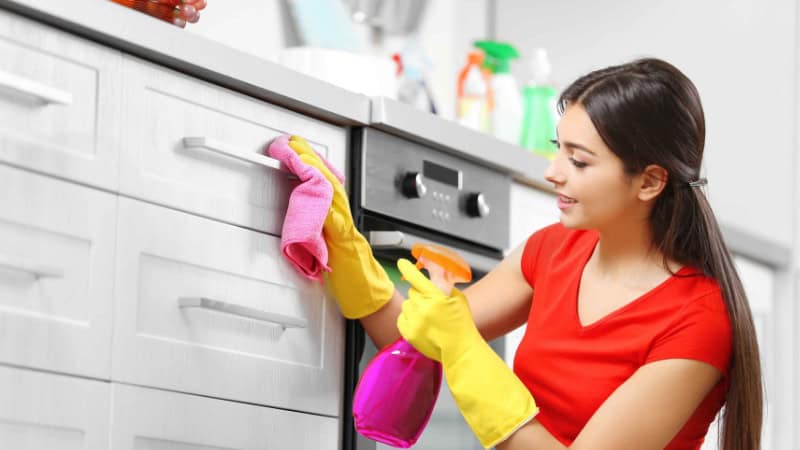
Use a dry microfiber cloth to wipe off loose dust and dirt. Dust all cabinet surfaces, including corners and edges. For hard-to-reach areas, use a soft brush or vacuum with a brush attachment. Removing dust first prevents scratching during wet cleaning.
Applying Cleaning Solutions
Choose a mild cleaner suitable for your cabinet material. Mix a few drops of dish soap with warm water for most surfaces. Lightly dampen a soft cloth or sponge with the solution. Wipe cabinets gently, following the wood grain or surface pattern. Focus on sticky spots and stains without soaking the wood.
Rinsing And Drying
Rinse the cloth in clean water and wipe cabinets again to remove soap residue. Use a dry microfiber cloth to dry all surfaces thoroughly. Check for any missed spots and clean them if needed. Proper drying prevents water damage and keeps cabinets shiny.
Credit: modern-maids.com
Tips For Maintaining Cabinets
Keeping your kitchen cabinets looking fresh and new takes more than just occasional cleaning. Small, consistent efforts help protect their finish and extend their lifespan. Here are practical tips you can use to maintain your cabinets effectively.
Regular Dusting
Dust tends to settle quickly on cabinet surfaces, especially in a busy kitchen. Use a soft microfiber cloth to gently wipe away dust at least once a week. This prevents buildup that can dull the finish or cause scratches over time.
Try to dust both inside and outside the cabinets. You might be surprised how much dust hides in corners or on top of cabinets where it’s often overlooked. Keeping these areas clean reduces the need for heavy-duty cleaning later.
Avoiding Harsh Chemicals
Many commercial cleaners contain strong chemicals that can damage cabinet finishes. Instead, opt for mild soaps or specially formulated wood cleaners. A mix of warm water and a few drops of dish soap works well for routine cleaning.
If you’ve ever noticed a sticky residue or faded finish after cleaning, harsh chemicals might be the cause. Always test a cleaner on a small, hidden spot before applying it widely. This simple step can save your cabinets from unwanted damage.
Protecting Cabinet Surfaces
Heat, moisture, and grease are common enemies of cabinet surfaces. Place heat shields or mats near stoves to prevent heat damage. Wipe spills immediately to avoid stains and swelling of the wood.
Consider adding cabinet liners inside drawers and shelves. They protect the surfaces from scratches and make cleaning easier. Have you checked your cabinets lately for signs of wear? Taking quick action at the first sign of damage can keep your kitchen looking great for years.
Common Mistakes To Avoid
Cleaning kitchen cabinets seems simple but many make common mistakes. These errors can damage the finish or reduce the cabinet's lifespan. Avoiding these pitfalls keeps cabinets looking fresh and new longer.
Using Abrasive Tools
Scrubbers with rough surfaces can scratch cabinet finishes. Steel wool, hard brushes, or scouring pads are too harsh. Use soft cloths or sponges to protect the surface. Gentle tools clean well without harm.
Over-wetting Cabinets
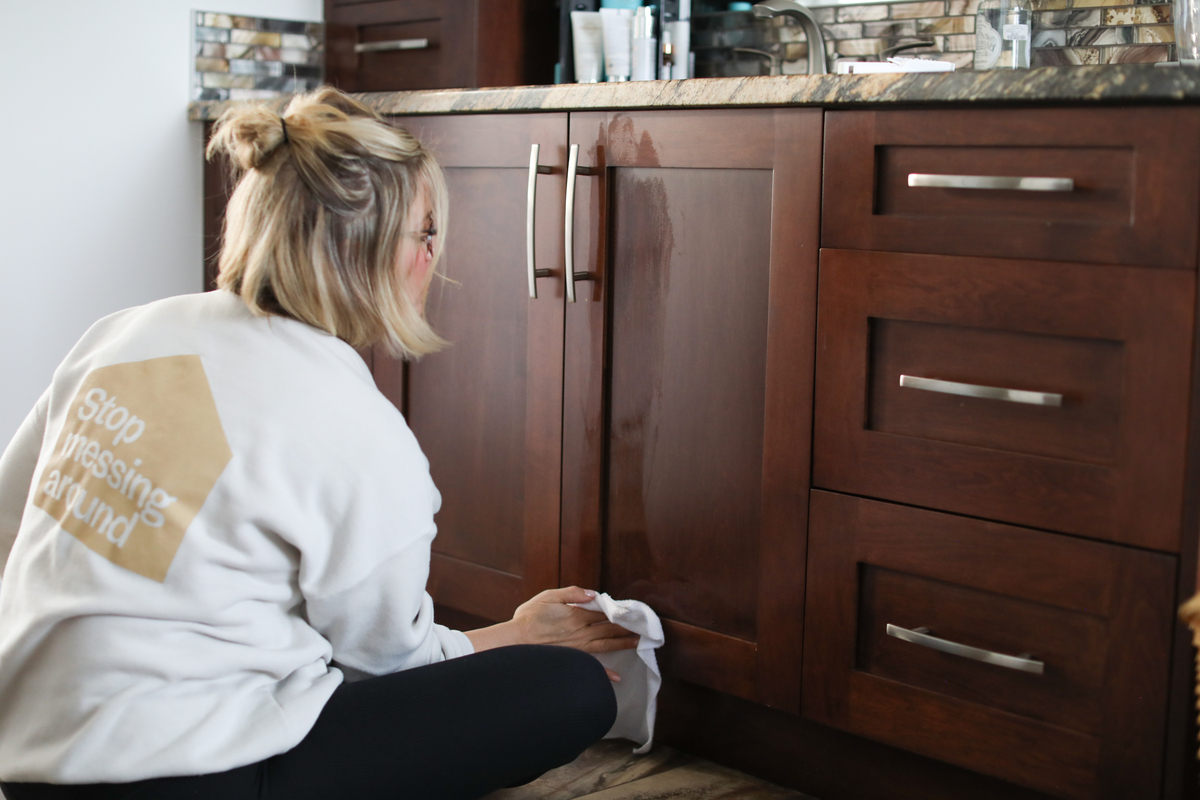
Too much water can warp wood or loosen glue. Spraying or soaking cabinets damages the material. Use a damp cloth, not a wet one. Wipe surfaces carefully and dry immediately.
Ignoring Manufacturer Guidelines
Every cabinet has specific care instructions. Ignoring these can cause unwanted damage. Check the label or manual before cleaning. Follow recommended cleaners and methods for best results.
Credit: www.housework.com
Frequently Asked Questions
What Is The Best Cleaner For Kitchen Cabinets?
Mild dish soap mixed with warm water is ideal for most cabinets. It removes grease and dirt without damage. Avoid harsh chemicals that can strip finishes or discolor wood surfaces.
Can I Use Vinegar To Clean Kitchen Cabinets?
Yes, diluted white vinegar is effective against grime and grease. Mix one part vinegar with one part water. Test on a small area first to ensure it doesn’t harm the finish.
How Often Should Kitchen Cabinets Be Cleaned?
Clean cabinets weekly to prevent buildup of grease and dust. Wipe spills immediately to avoid stains. Regular cleaning maintains appearance and prolongs cabinet life.
Are Commercial Cabinet Cleaners Safe For All Finishes?
Most commercial cleaners are safe for sealed or painted cabinets. Always read labels and test on a hidden spot. Avoid abrasive products on delicate wood or antique finishes.
Conclusion
Choosing the right cleaner keeps your kitchen cabinets fresh and bright. Gentle solutions protect cabinet surfaces and prevent damage. Regular cleaning stops grease and dirt from building up. Natural ingredients like vinegar and mild soap work well. Avoid harsh chemicals that can strip finish or cause stains.
Clean cabinets look neat and make your kitchen feel inviting. A simple routine saves time and effort in the long run. Keep your kitchen cabinets clean and enjoy a pleasant cooking space. Small steps make a big difference every day.