

What to Use Instead of Sponges in the Kitchen. Are you tired of your kitchen sponge smelling bad or falling apart too quickly? You’re not alone.
Many people wonder if there’s a better, cleaner option for scrubbing dishes and wiping surfaces. What if you could switch to something that lasts longer, stays fresher, and keeps your kitchen truly hygienic? Keep reading to discover smart alternatives to sponges that will make your cleaning routine easier and more effective.
Your kitchen—and your hands—will thank you!

Credit: www.implasticfree.com
Why Avoid Traditional Sponges
Traditional sponges have been a kitchen staple for years. Yet, they come with several downsides. These downsides affect both the environment and your health. Knowing why to avoid them helps you choose safer, cleaner alternatives.
Environmental Impact
Most traditional sponges are made from synthetic materials. These materials do not break down easily. They add to landfill waste and pollution. Sponges are replaced often, increasing trash volume.
Sponges may contain plastic fibers. These fibers can shed into water systems. This causes microplastic pollution in oceans. Marine life may ingest these harmful particles. The damage spreads through the food chain.
Choosing natural or reusable alternatives reduces plastic waste. It supports a healthier planet and cleaner water.
Health Concerns
Sponges are moist and porous, perfect for bacteria growth. They can harbor harmful germs like E. coli and Salmonella. These germs can spread to your dishes and surfaces.
Using a sponge for a long time increases bacteria buildup. Even rinsing does not fully clean it. This can lead to food poisoning or infections.
Sponges can also trap food particles, creating a breeding ground for mold. Mold spores may cause allergic reactions or respiratory issues.
Switching to less porous or antimicrobial tools helps keep your kitchen safer. Regularly replacing cleaning tools also lowers health risks.
Reusable Cloths
Reusable cloths offer a smart and eco-friendly alternative to kitchen sponges. They clean surfaces effectively and reduce waste. These cloths come in various materials, each with unique benefits. Choosing the right cloth can make kitchen cleaning easier and more hygienic.
Cotton And Microfiber Options
Cotton cloths are soft and gentle on dishes and surfaces. They absorb liquids well and dry quickly. Cotton is natural and biodegradable, making it an eco-friendly choice.
Microfiber cloths have tiny fibers that trap dirt and grease. They clean without chemicals and work well on glass and stainless steel. Microfiber lasts longer but is synthetic, so it needs proper care.
Care And Maintenance Tips
- Rinse cloths immediately after use to remove food particles.
- Wash regularly with hot water to kill bacteria.
- Avoid fabric softeners; they reduce absorbency.
- Dry cloths completely to prevent mold growth.
- Replace cloths when they become worn or smell bad.
Natural Scrubbers
Natural scrubbers offer a great alternative to synthetic sponges in the kitchen. They are eco-friendly, biodegradable, and gentle on surfaces. These scrubbers help clean dishes without scratching or harming the environment.
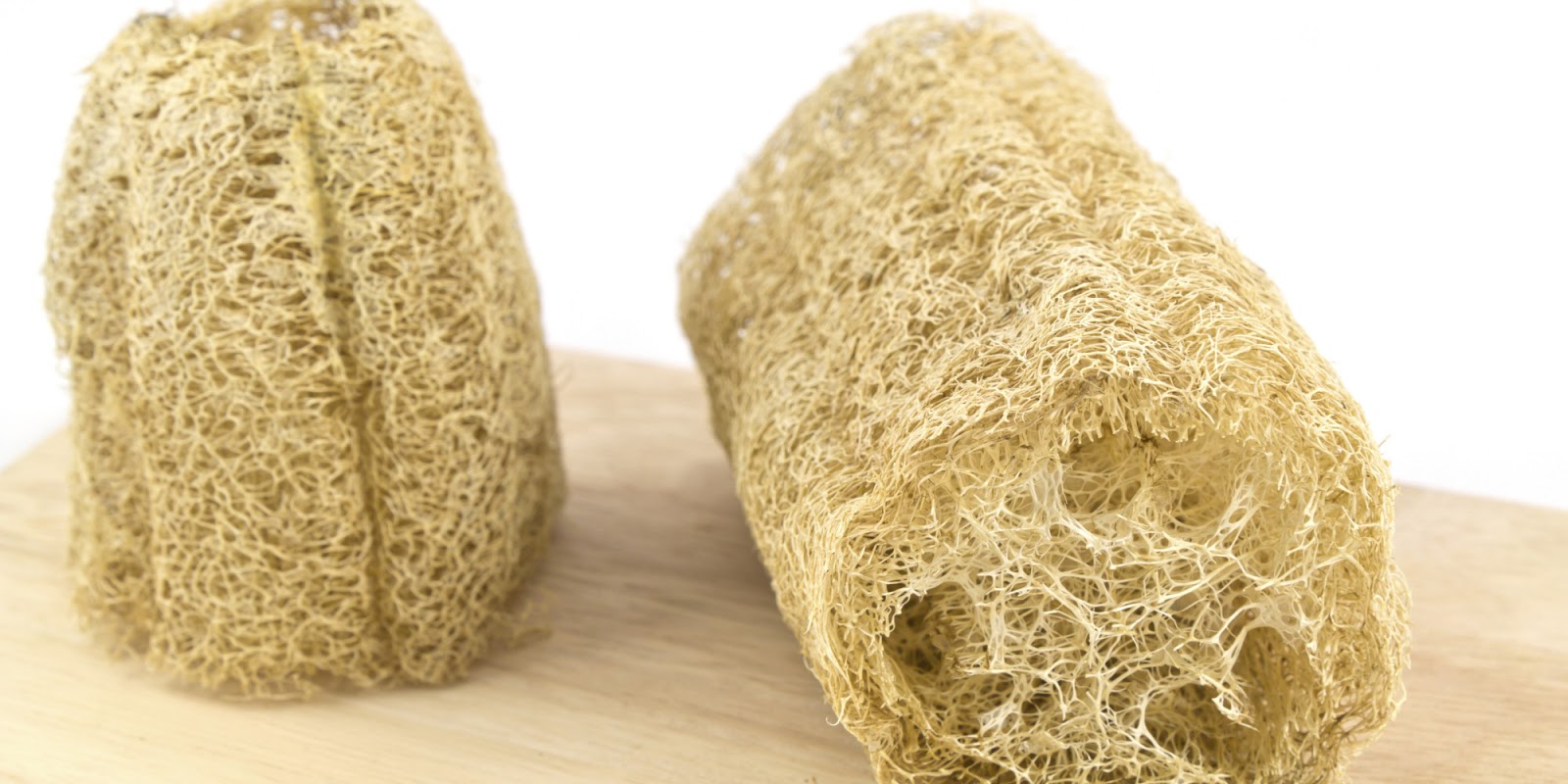
Loofah Pads
Loofah pads come from the fibrous skeleton of the loofah plant. They have a rough texture that scrubs away dirt and grime effectively. These pads dry quickly, reducing bacteria growth. They are perfect for washing pots, pans, and vegetables. Loofah pads break down naturally, making them a sustainable choice.
Coconut Fiber Brushes
Coconut fiber brushes use stiff, natural bristles from coconut husks. They provide strong scrubbing power for tough stains and stuck-on food. The handles are usually made from wood, adding to their natural appeal. These brushes last long and can be composted after use. Coconut fiber brushes clean well without chemicals or plastics.
:max_bytes(150000):strip_icc()/6-pack-natural-kitchen-sponges-6a5c9f9c9cbb41ef97248e5e2f4d5366.jpg)
Credit: www.southernliving.com
Silicone Scrubbers
Silicone scrubbers clean dishes without trapping bacteria like traditional sponges do. They last longer, dry quickly, and resist odors, making kitchen chores easier. Perfect for gentle scrubbing and tough messes alike.
Silicone scrubbers are gaining popularity in kitchens today. They are a great alternative to traditional sponges. Made from durable silicone, they offer many benefits. These scrubbers are gentle on cookware and effective at cleaning.
Durability And Hygiene
Silicone scrubbers are long-lasting. They don’t wear out quickly like sponges. This means fewer replacements and less waste. They resist bacteria and mold growth. This makes them more hygienic than sponges. Their non-porous surface is easy to sanitize.
Cleaning And Storage
Cleaning silicone scrubbers is simple. Rinse them with water and they’re ready. For deep cleaning, they can go in the dishwasher. Storage is easy, too. They don’t retain water, so no soggy mess. Hang them to dry, or tuck them in a drawer. They take up little space in the kitchen.
Diy Alternatives
DIY alternatives offer a simple way to replace kitchen sponges. They reduce waste and save money. Making your own scrubbers lets you choose natural and safe materials. These alternatives last longer and clean effectively.
Making Your Own Scrubbers
Start with a base that can hold its shape when wet. Knit or crochet small pads using cotton yarn. Use old cloth pieces tied together for a rough texture. You can also twist natural fibers into a ball for scrubbing. Personalize the size and texture to fit your needs.
Materials To Use
- 100% cotton yarn or fabric for softness and absorbency
- Jute or hemp fibers for a rough, natural scrub
- Old t-shirts or towels cut into strips
- Natural loofah slices for gentle exfoliation
- Twine or sisal rope for a sturdy scrubber
Choosing natural materials helps avoid chemicals and plastic waste. These materials are easy to find and often reusable. They dry quickly, reducing bacteria growth. Try mixing different textures for varied cleaning tasks.
Composting And Disposal
Choosing what to use instead of traditional kitchen sponges is just the start. How you handle composting and disposal of these alternatives matters a lot for your home’s cleanliness and the environment. Properly managing these materials can reduce waste and keep your kitchen fresh without harmful chemicals.
Biodegradable Options
Biodegradable scrubbers and cloths are a smart choice because they break down naturally. Materials like coconut fiber, cellulose, and bamboo are popular for their durability and eco-friendliness. I’ve found that switching to a coconut fiber brush not only cleans well but also composts easily after it wears out.
Look for items labeled compostable or biodegradable—these will return to the earth without leaving plastic behind. You can even find dishcloths made from organic cotton that decompose when composted properly. These options make it easier to maintain a zero-waste kitchen.
Proper Disposal Methods
Not all kitchen cleaning tools can go straight into your compost bin. Synthetic sponges and scrubbers need to be disposed of in the trash to avoid contaminating compost. You can extend the life of biodegradable tools by rinsing and drying them well between uses, reducing waste further.
If you’re using compostable materials, cut them into smaller pieces to speed up breakdown. Keep in mind that kitchen scraps like vegetable peelings and coffee grounds mix well with these biodegradable products in compost. Have you checked if your local composting facility accepts these materials?
- Check local guidelines for composting kitchen items.
- Separate synthetic and natural materials before disposal.
- Consider home composting for small biodegradable tools.
- Replace tools regularly to avoid bacterial build-up.
Choosing The Best Option
Choosing the best alternative to sponges involves more than just picking a new cleaning tool. It means thinking about how well it cleans, how long it lasts, and how it affects the environment. The right choice fits your kitchen needs and supports a cleaner home and planet.
Factors To Consider
Look at these key points before deciding:
- Material:Natural fibers like cotton or bamboo dry faster and resist bacteria better than synthetic ones.
- Durability:A good scrubber should last through many uses without falling apart.
- Cleaning power:It must remove grease and food scraps easily.
- Maintenance:Easy to clean and quick to dry helps prevent bad smells and germs.
- Cost:Affordable options save money over time.
Balancing Efficiency And Eco-friendliness
Efficiency and eco-friendliness can go hand in hand. Choose items that clean well and reduce waste. Natural materials usually break down faster in landfills. Reusable cloths and brushes often need less replacement. This means less trash and fewer chemicals in your kitchen.
Think about how often you need to replace your cleaning tool. Long-lasting products reduce waste. Choose ones made from sustainable materials. This protects the environment without sacrificing cleaning quality.
Credit: ourpermaculturelife.com
Frequently Asked Questions
What Are The Best Alternatives To Kitchen Sponges?
Reusable dishcloths, silicone scrubbers, and bamboo brushes are excellent sponge alternatives. They resist bacteria better and last longer, making kitchen cleaning safer and more eco-friendly.
How Do Silicone Scrubbers Compare To Traditional Sponges?
Silicone scrubbers dry quickly and resist odor and bacteria buildup. They are durable, easy to clean, and gentle on cookware, offering a hygienic and long-lasting cleaning option.
Can Reusable Dishcloths Replace Sponges Effectively?
Yes, reusable dishcloths absorb water well and clean surfaces efficiently. They can be washed frequently, reducing germs and waste compared to disposable sponges.
Are Bamboo Dish Brushes Eco-friendly Sponge Alternatives?
Absolutely, bamboo dish brushes are biodegradable and sustainably sourced. Their stiff bristles clean tough stains effectively while reducing plastic waste in the kitchen.
Conclusion
Choosing the right kitchen scrubber makes cleaning easier and safer. Natural cloths, brushes, and reusable pads work well. They last longer and reduce waste in your home. Using these options helps keep your kitchen clean and fresh. Small changes create a big difference over time.
Try different tools to find what suits you best. Clean dishes, less mess, happy kitchen.


