
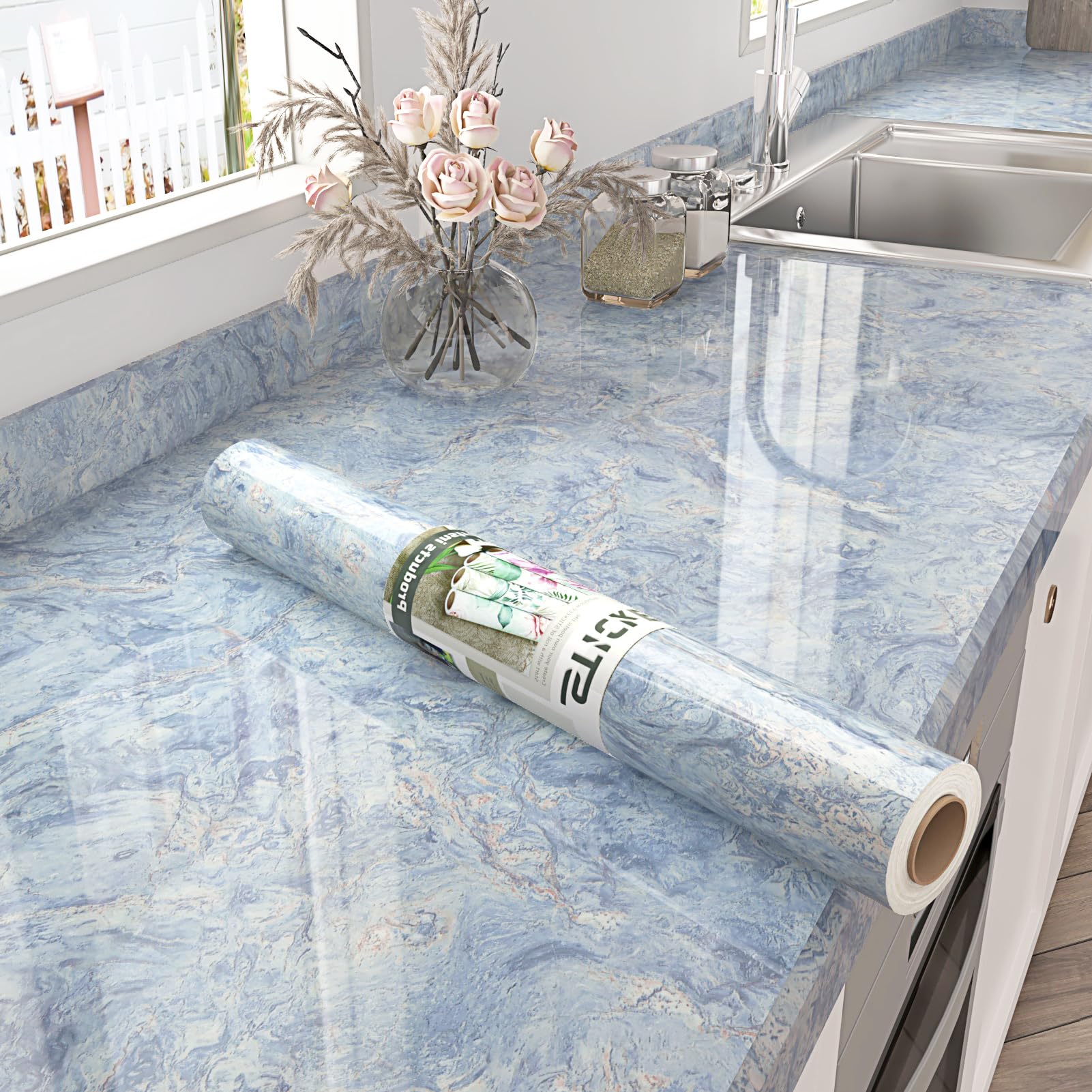
Are you thinking about updating your kitchen countertops but don’t know where to start? Choosing the right material to cover your countertops can completely change the look and feel of your kitchen.
But with so many options available, it’s easy to feel overwhelmed. What will last the longest? What fits your style? What stays within your budget? You’ll discover the best materials to cover your kitchen countertops, helping you make a confident choice that suits your needs and transforms your space.
Keep reading to find the perfect match for your kitchen!
Credit: www.temu.com
Popular Countertop Materials
Choosing the right material for your kitchen countertops can change the whole vibe and functionality of your space. Popular materials each bring unique benefits and challenges. Knowing what fits your lifestyle and style helps you avoid regrets later on.
Granite
Granite is a natural stone loved for its durability and unique patterns. It resists heat and scratches, making it perfect if you cook often. However, it needs sealing to prevent stains, so maintenance is a small commitment.
Quartz
Quartz countertops are engineered from crushed quartz mixed with resin. They offer consistent color and patterns that don’t fade over time. Plus, quartz is non-porous, meaning it doesn’t need sealing and is easy to clean.
Marble
Marble stands out with its elegant, classic look and smooth texture. It’s softer than granite and quartz, so it can scratch and stain if you’re not careful. Are you ready to give your marble some TLC for that timeless beauty?
Laminate
Laminate is a budget-friendly option that offers a wide variety of colors and designs. It’s easy to install and clean but less durable against heat and sharp objects. If you want style without spending much, laminate might work well.
Butcher Block
Butcher block brings warmth and a natural feel to your kitchen with its wooden surface. It’s great for chopping but requires regular oiling to stay in good shape. Would you enjoy the cozy vibe and hands-on care butcher block needs?
Concrete
Concrete countertops allow for a modern, industrial look with endless customization. They can be stained or textured to match your style. Keep in mind, concrete may develop hairline cracks and needs sealing to prevent stains.

Credit: food52.com
Durability Factors
Durability is a key factor when choosing a material for kitchen countertops. It ensures the surface stays attractive and functional over time. Different materials offer various strengths and weaknesses. Understanding these durability factors helps make the right choice for your kitchen.
Scratch Resistance
Scratch resistance protects countertops from everyday wear and tear. Hard surfaces like quartz and granite resist scratches better. Softer materials, such as laminate or wood, can show marks easily. Consider how much cutting or heavy use your countertop will face.
Heat Resistance
Heat resistance prevents damage from hot pots or pans. Stone materials like granite and quartz handle heat well. Surfaces like laminate or solid wood may burn or warp. Using trivets or hot pads can protect less heat-resistant counters.
Stain Resistance
Stain resistance helps keep countertops looking clean and fresh. Porous materials like marble absorb liquids and stain quickly. Non-porous materials, such as quartz or solid surface, resist stains better. Wiping spills promptly reduces staining risk.
Maintenance Needs
Maintenance affects how much time and effort the countertop requires. Granite often needs sealing to maintain durability. Quartz requires little maintenance and is easy to clean. Wood countertops need regular oiling to prevent damage.
Style And Aesthetic Options
Choosing the right style and aesthetic for kitchen countertops shapes the entire kitchen's look. It sets the mood and complements the design theme. Various options let you create a personal, stylish space. These choices affect how the kitchen feels and functions daily.
Color Variety
Countertops come in many colors to fit any kitchen style. Light shades brighten small spaces. Dark tones add drama and depth. Neutral colors offer timeless appeal. Bold hues create vibrant focal points. Consider color harmony with cabinets and walls.
Texture Choices
Texture adds character and tactile interest. Smooth surfaces feel sleek and modern. Matte finishes reduce glare and hide fingerprints. Rough or natural textures bring warmth and rustic charm. Textured countertops can mask scratches and stains well.
Edge Profiles
Edges shape the countertop's silhouette and safety. Straight edges give a clean, contemporary look. Rounded edges soften the design and prevent injuries. Beveled edges add detail and style. Ogee edges offer an elegant, classic touch.
Finish Types
Finish affects appearance and durability. Polished finishes shine and reflect light. Honed finishes provide a soft, matte look. Leathered finishes feel textured and hide marks. Each finish suits different kitchen uses and styles.
Budget Considerations
Choosing materials to cover kitchen countertops depends on budget constraints. Budget considerations play a crucial role in decision-making. Understanding the costs involved helps in planning effectively.
Material Costs
The choice of material significantly impacts the budget. Laminate is often the most affordable option. Granite and marble are more expensive but offer a luxurious feel. Quartz falls in the mid-range, balancing cost and durability.
Recycled materials provide an eco-friendly and budget-friendly choice. Tiles can vary widely in cost, from economical ceramic to pricier porcelain.
Installation Expenses
Installation costs depend on the material chosen. DIY installation can save money, especially with laminate. Professional installation is recommended for stone and quartz to ensure precision.
Tiles can be a DIY project but may require professional help for a polished look. Recycled materials often need professional installation, affecting the overall cost.
Long-term Value
Consider the longevity of the material. Durable materials like granite and quartz add long-term value to a home. Laminate may require replacement sooner due to wear and tear.
Recycled materials and tiles can offer durability but depend on quality. Investing in high-quality materials can reduce future expenses and increase property value.
Eco-friendly Countertop Choices
Choosing eco-friendly countertops helps protect the planet and your health. These options use fewer resources and create less waste. They also reduce harmful chemicals in your kitchen. Here are some great eco-friendly countertop choices.
Recycled Materials
Countertops made from recycled materials give new life to old products. Glass, paper, and metal can be combined to create strong surfaces. These materials reduce landfill waste and save natural resources. Recycled countertops often come in many colors and styles. They offer a unique look while being kind to the Earth.
Sustainable Sourcing
Sustainable sourcing means using materials that grow back quickly or come from managed forests. Bamboo and cork are popular eco-friendly choices. Both are fast-growing and renewable. These materials are durable and add warmth to kitchen spaces. Choosing sustainably sourced countertops supports responsible farming and harvesting.
Low-voc Finishes
Low-VOC finishes reduce harmful fumes and indoor air pollution. VOCs are chemicals that can affect your health and the environment. Using finishes with low or no VOCs keeps the kitchen air cleaner. These finishes also help maintain the beauty of your countertops. They protect surfaces without releasing toxic substances.
Installation And Maintenance Tips
Choosing the right material to cover your kitchen countertops is just the beginning. How you install and maintain it plays a huge role in its longevity and appearance. Paying attention to these practical tips can save you time, money, and frustration down the road.
Professional Vs Diy Installation
Deciding between professional installation and doing it yourself depends on your comfort level and the material you pick.
Some surfaces like granite or quartz often require expert tools and precision to avoid costly mistakes. But materials like laminate or peel-and-stick tiles can be manageable for a confident DIYer with basic tools.
Ask yourself: Do you have the time and skill to follow detailed instructions? Or would hiring a pro give you peace of mind and a flawless finish?
Cleaning Best Practices
Cleaning your countertops regularly keeps them looking fresh and prevents stains from setting in.
Use mild soap and warm water for daily wiping. Avoid harsh chemicals that can degrade surfaces like marble or wood.
For tougher spots, a mixture of baking soda and water works well without causing damage. Remember to dry the surface thoroughly to avoid water rings or warping.
Preventing Damage
Protect your countertops by being mindful of what you place on them.
- Always use cutting boards instead of cutting directly on the surface.
- Place hot pans on trivets or heat pads rather than straight on the countertop.
- Wipe up spills immediately, especially acidic liquids like lemon juice or vinegar.
Would you rather deal with a few simple habits now or expensive repairs later? Small changes in daily use make a big difference in keeping your kitchen looking great.

Credit: www.amazon.com
Frequently Asked Questions
What Are The Best Materials To Cover Kitchen Countertops?
Popular materials include granite, quartz, laminate, and butcher block. Each offers durability, style, and ease of maintenance. Choose based on budget, kitchen use, and design preferences for the best fit.
How Do I Choose The Right Countertop Cover Material?
Consider durability, heat resistance, maintenance, and budget. Also, match the material with your kitchen style. Research pros and cons to make an informed decision.
Can I Install Countertop Covers Myself?
Some materials like laminate or peel-and-stick tiles are DIY-friendly. However, stone or quartz usually require professional installation for best results and longevity.
What Is The Most Durable Countertop Covering?
Quartz and granite are top durable options. They resist scratches, heat, and stains well. These materials last long and maintain appearance with minimal upkeep.
Conclusion
Choosing the right material can protect and beautify your kitchen counters. Consider durability, cost, and style before deciding. Materials like granite, quartz, and laminate offer different benefits. Some require more care, while others resist stains well. Think about how you use your kitchen daily.
A smart choice helps keep counters looking fresh and clean. Take your time to pick what fits your needs best. Your kitchen will thank you with lasting beauty and function.