
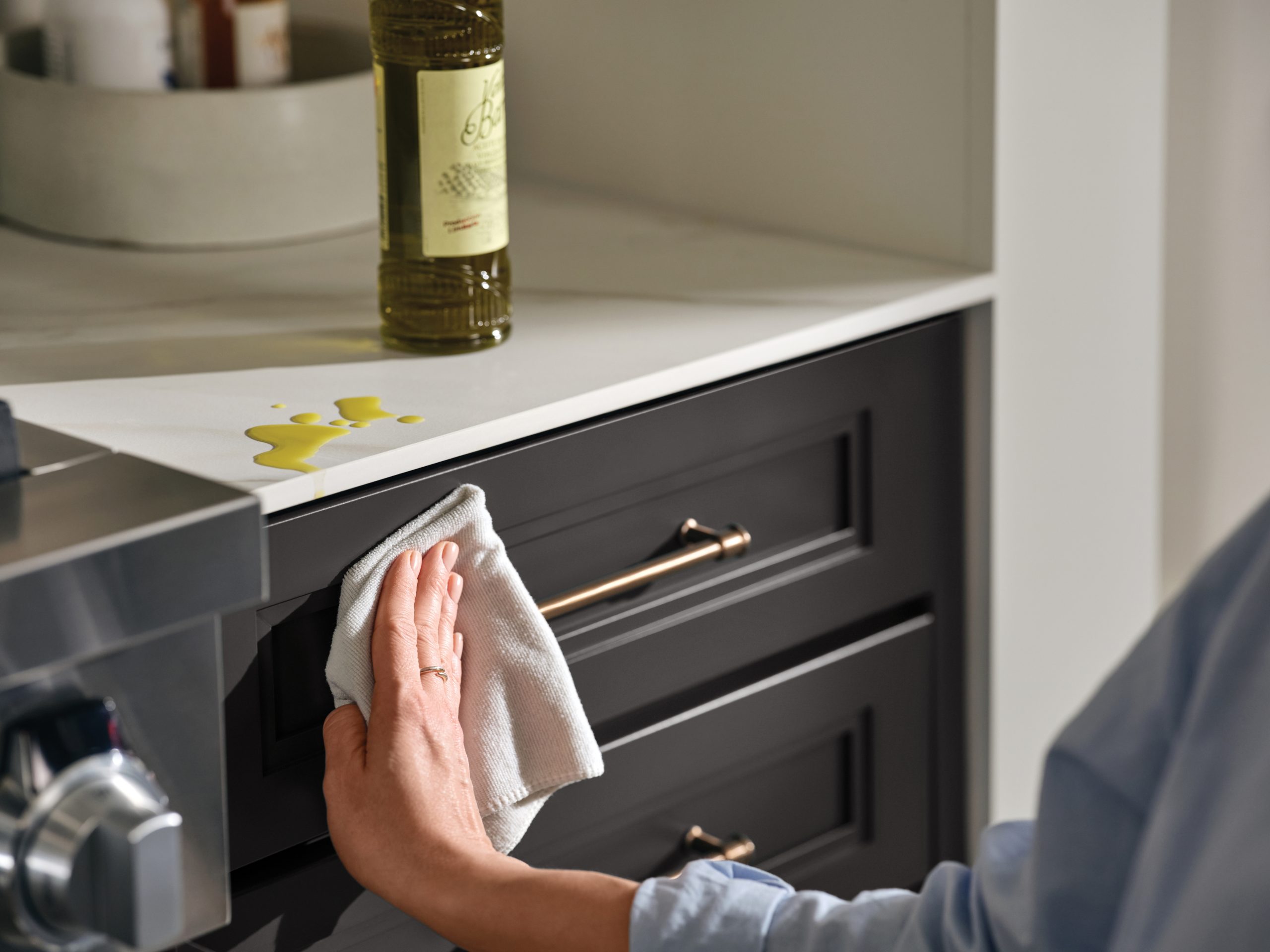
Are your kitchen cabinets looking dull or sticky? Knowing exactly what to use to wipe down kitchen cabinets can make all the difference.
You want a cleaner that’s tough on grime but gentle enough to protect your cabinet’s finish. Using the wrong product might leave streaks, damage the surface, or even cause long-term wear. You’ll discover simple, effective options that keep your cabinets shining like new.
Keep reading to find out how to clean your kitchen cabinets the right way—your kitchen deserves it!
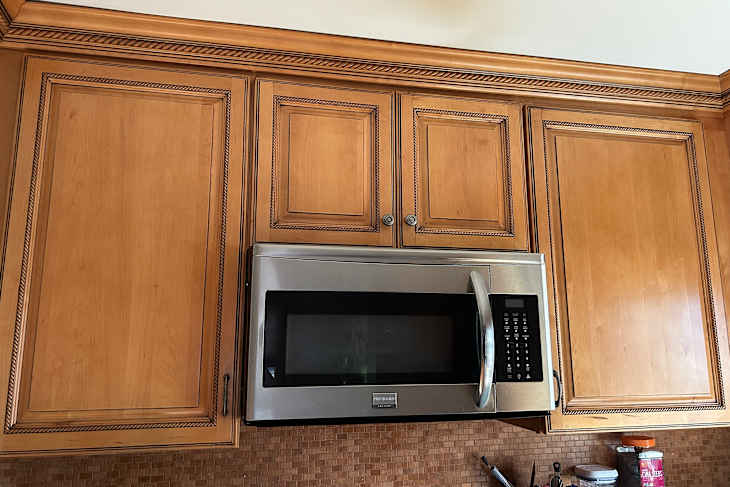
Credit: www.thekitchn.com
Choosing The Right Cleaner
Choosing the right cleaner for your kitchen cabinets can make all the difference in maintaining their look and durability. Using harsh chemicals might damage the finish, while too mild a cleaner may leave grime behind. Understanding your options helps you pick a solution that works effectively without harming your cabinets.
Mild Soaps And Detergents
Mild soaps and detergents are often the safest choice for routine cleaning. A few drops of dish soap mixed with warm water can cut through grease without stripping the cabinet’s finish.
Try wiping with a soft cloth dipped in the soapy water, then follow up with a clean damp cloth to remove any residue. This simple approach keeps cabinets looking fresh without risk.
Natural Cleaning Solutions
Natural cleaners like vinegar and baking soda offer a gentle yet effective way to clean cabinets. Vinegar’s acidity breaks down grease, while baking soda acts as a mild abrasive to lift stains.
Mix equal parts water and vinegar in a spray bottle for daily cleaning, or make a paste with baking soda and water for tougher spots. These options are affordable, non-toxic, and safe for most cabinet materials.
Commercial Cabinet Cleaners
Commercial cleaners designed specifically for cabinets can provide a deeper clean, especially for tough grime or sticky residues. Look for products labeled safe for your cabinet’s finish—wood, laminate, or painted surfaces.
Test any new cleaner on a small hidden area first to avoid damage. Sometimes investing in a quality commercial product can save time and protect your cabinets in the long run.
Tools For Effective Cleaning
Choosing the right tools for wiping down your kitchen cabinets makes a big difference in how clean and well-maintained they stay. The tools you pick should be gentle enough to protect the finish but effective enough to remove grease and dirt. Let’s look at some essential cleaning tools that work best for this task.
Soft Cloths And Sponges
Soft cloths and sponges are the go-to for many when cleaning kitchen cabinets. They help you wipe surfaces without scratching the paint or wood finish. Cotton cloths or soft kitchen sponges absorb cleaning solutions well and make wiping quick and smooth.
Have you ever tried cleaning your cabinets with a rough cloth and noticed tiny scratches afterward? Switching to soft materials can prevent that damage and extend your cabinets' lifespan.
Microfiber Advantages
Microfiber cloths stand out for their ability to trap dust and grease without needing harsh chemicals. Their tiny fibers reach into grooves and corners better than regular cloths, making them perfect for detailed cabinet surfaces. You can often clean cabinets using just water and a microfiber cloth, which is kinder to your finishes and the environment.
Using microfiber also means less effort on your part. The cloth picks up dirt instead of pushing it around, so you spend less time scrubbing and more time enjoying your spotless kitchen.
Avoiding Abrasive Materials
It’s tempting to grab whatever is handy, but abrasive materials like steel wool or rough scrubbers can damage your cabinets quickly. These tools can strip paint, leave scratches, and ruin the protective coatings. Instead, stick to gentle options and save abrasive tools for tougher surfaces like pots and pans.
Think about the last time you used a rough sponge on something delicate and regretted it. Why risk the same with your cabinets when softer tools do the job just as well?
Cleaning Techniques For Different Surfaces
Different cabinet surfaces need unique cleaning methods. Using the right technique keeps cabinets looking fresh and lasting longer. This section explains the best ways to clean wood, laminate, and painted cabinets. Follow these tips for a spotless kitchen.
Wood Cabinets
Use a soft cloth and mild soap mixed with water. Avoid soaking the wood. Wipe gently along the grain to prevent damage. Dry the surface immediately with a clean towel. For tough spots, use a wood cleaner safe for your cabinet finish.
Laminate Cabinets
Laminate is easy to clean with a damp cloth and mild dish soap. Avoid harsh scrubbing that can scratch the surface. Use a soft sponge or microfiber cloth. Dry the cabinets to prevent water spots. For sticky stains, a baking soda paste works well.
Painted Cabinets
Painted surfaces need gentle care to avoid peeling. Use warm water and a mild detergent with a soft cloth. Avoid abrasive cleaners or scrubbers. Rinse with a damp cloth and dry with a towel. For stubborn marks, try a magic eraser lightly without scrubbing hard.
Dealing With Tough Stains
Kitchen cabinets face tough stains daily. Grease, sticky residue, and mold can build up over time. Cleaning them requires the right approach and materials. Here’s how to tackle these stubborn stains effectively.
Grease And Oil Removal
Grease is a common culprit in kitchens. Warm water mixed with dish soap can cut through grease. Use a soft cloth to scrub the cabinets gently. For stubborn spots, a vinegar solution works wonders. Mix equal parts of vinegar and water. Wipe the area with the solution, then dry with a clean towel.
Removing Sticky Residue
Sticky residues can be frustrating. Baking soda comes in handy here. Make a paste with baking soda and water. Apply it to the sticky spot and let it sit for a few minutes. Gently scrub with a sponge to lift the residue. Rinse with water and dry thoroughly.
Handling Mold And Mildew
Mold and mildew need immediate attention. A mix of bleach and water can help. Mix one part bleach with four parts water. Wear gloves and apply the solution with a cloth. Leave it for a few minutes, then rinse with clean water. Ensure the area is well-ventilated while cleaning.
Maintenance Tips To Keep Cabinets Fresh
Keeping your kitchen cabinets looking fresh takes more than just a quick wipe. Regular care helps maintain their beauty and extends their life. Simple habits can protect your cabinets from wear and tear while keeping them inviting and clean.
Regular Dusting
Dust can settle quickly on cabinets, dulling their finish over time. Use a soft microfiber cloth to gently remove dust at least once a week. This prevents buildup and keeps surfaces looking smooth without scratching.
If you have open shelves or glass-front cabinets, dusting becomes even more important. Have you noticed how dust can make even the cleanest space look neglected? Catching it early keeps your kitchen fresh and welcoming.
Preventing Water Damage
Water is one of the biggest threats to kitchen cabinets. Always wipe up spills immediately to avoid stains and warping. Use a damp cloth rather than soaking your cabinets to clean sticky spots.
Consider adding a protective finish or sealant if your cabinets are prone to moisture exposure. Are you leaving your cabinets vulnerable to water damage without realizing it? Small changes can save you from costly repairs.
Polishing And Conditioning
Polishing adds shine and helps protect the wood or laminate finish. Choose a polish suitable for your cabinet material and apply it every few months. Conditioning keeps wood from drying out and cracking over time.
Try to avoid silicone-based polishes, as they can leave a residue that attracts dust. Instead, look for natural oils or waxes that nourish your cabinets gently. Have you tried polishing your cabinets lately? It might be the secret to restoring their original glow.
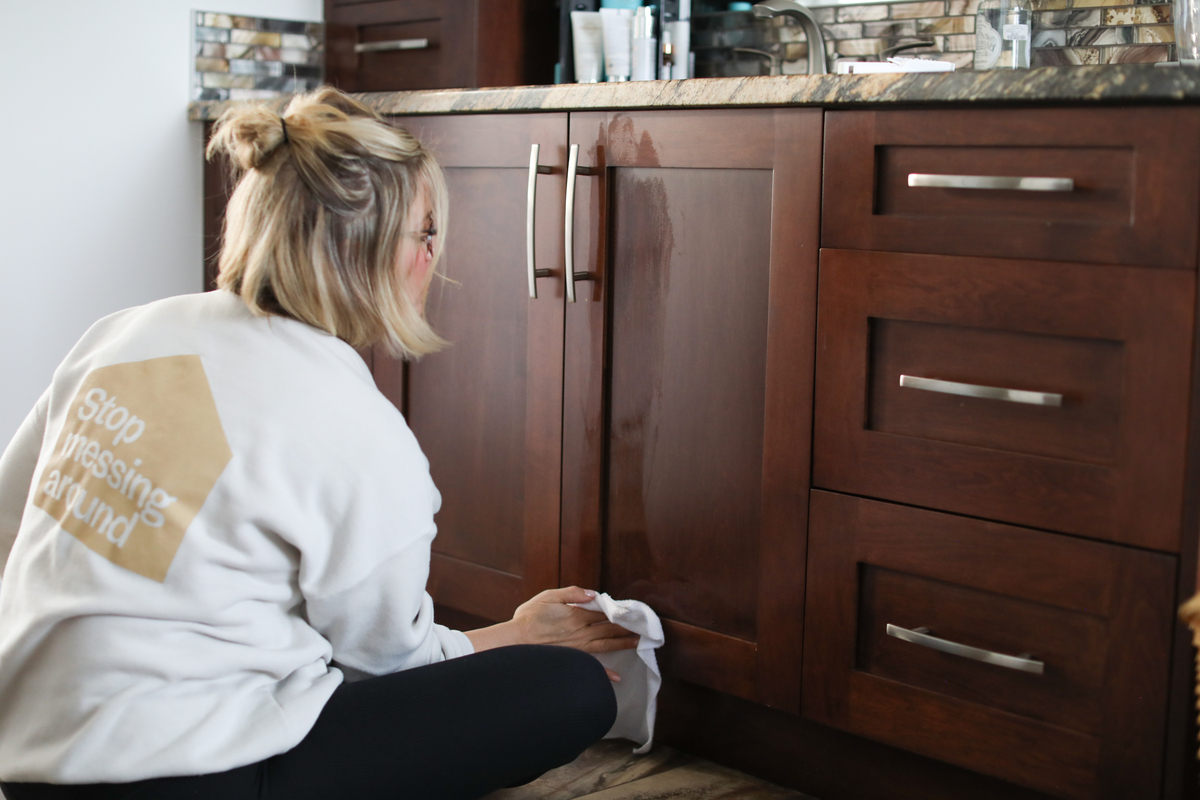
Credit: www.housework.com
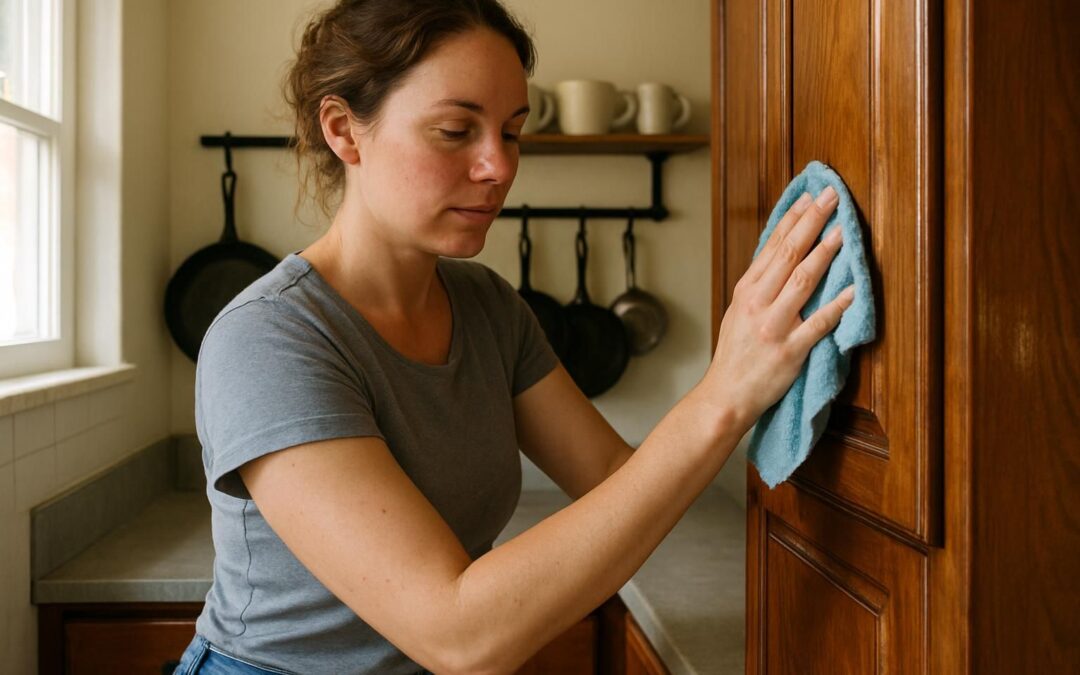
Credit: mycleaningangel.com
Frequently Asked Questions
What Is The Best Cleaner For Kitchen Cabinets?
A mild dish soap mixed with warm water is ideal. It removes grease without damaging cabinet surfaces. Avoid harsh chemicals to preserve finishes and colors.
Can Vinegar Safely Clean Kitchen Cabinets?
Yes, diluted white vinegar is effective and natural. Mix one part vinegar with one part water. It cuts grease and disinfects without harming most cabinet materials.
How Often Should Kitchen Cabinets Be Wiped Down?
Wipe cabinets weekly to prevent grease buildup. Regular cleaning maintains appearance and hygiene. High-use areas may require more frequent attention.
Are Microfiber Cloths Good For Cabinet Cleaning?
Microfiber cloths are excellent for cleaning cabinets. They trap dirt and grease effectively without scratching surfaces. Use them damp for best results.
Conclusion
Choosing the right cleaner keeps your kitchen cabinets looking fresh. Use gentle, non-abrasive products to avoid damage. A soft cloth works best for wiping surfaces. Clean regularly to stop dirt and grease buildup. Simple ingredients like mild soap and water often do the job well.
Avoid harsh chemicals that can strip finishes or cause discoloration. Remember, caring for cabinets helps maintain your kitchen’s beauty and value. Small efforts make a big difference over time. Keep cleaning easy and safe with the right tools and methods.