
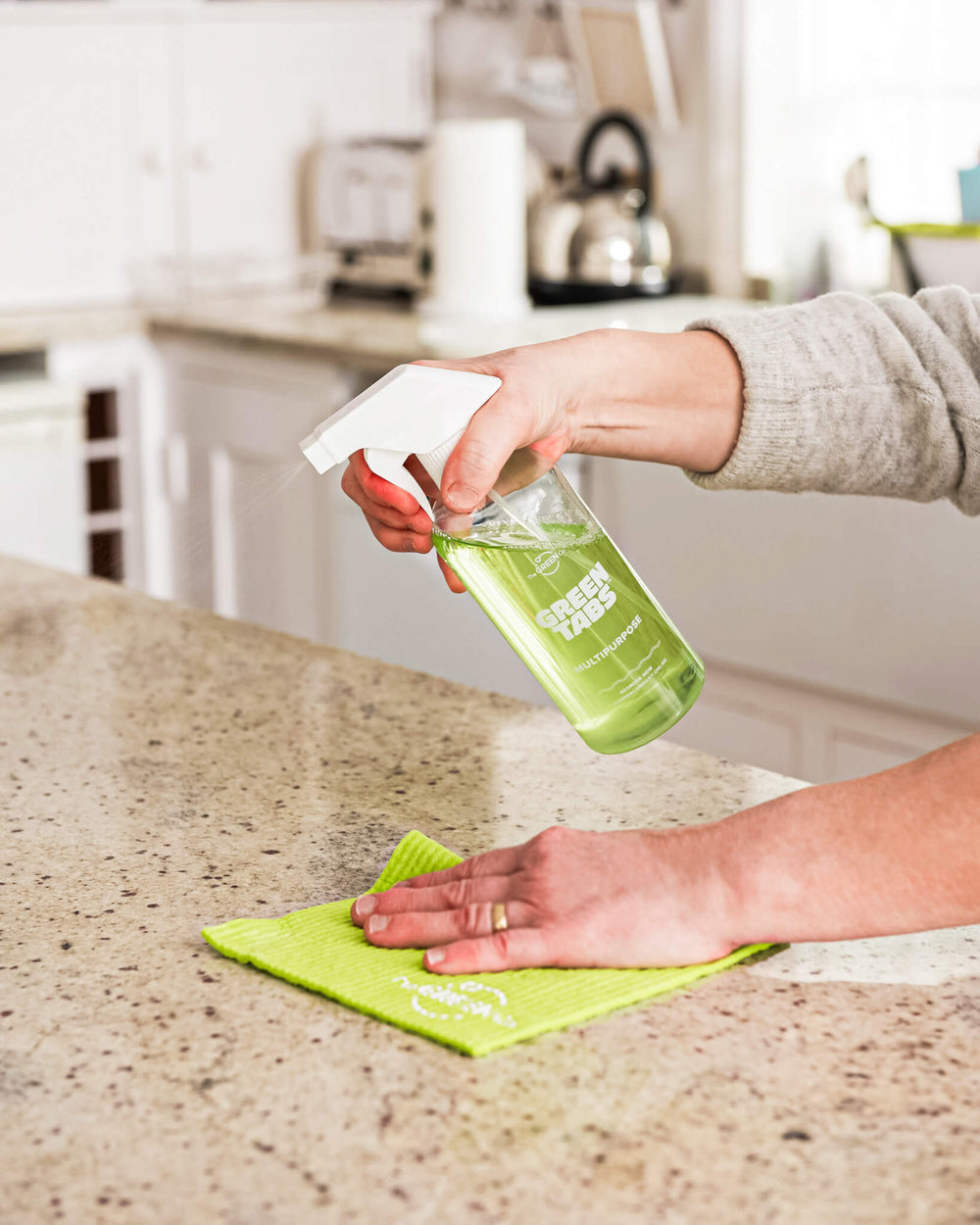
Your kitchen counters are the heart of your home, where meals are prepared and memories are made. Keeping them clean is not just about looks—it’s about your health and safety too.
But with so many cleaning products and methods out there, you might wonder: what should you actually use to wipe down your kitchen counters? The answer can make a big difference in how fresh and safe your kitchen feels every day.
Keep reading, because knowing the right way to clean your counters will save you time, protect your surfaces, and keep your family healthy.
:max_bytes(150000):strip_icc()/fw-roundup-cleaning-products-to-throw-awayreplace-tout-5d3ac101183f41c49f9ac8a43426d644.jpg)
Credit: www.foodandwine.com
Types Of Kitchen Counter Surfaces
Choosing the right way to wipe down your kitchen counters depends heavily on the type of surface you have. Each material reacts differently to cleaners and cloths, so knowing the specifics can save your counters from damage and keep them looking fresh. Let’s look at some common kitchen counter surfaces and the best practices for cleaning each.
Granite And Marble
Granite and marble are beautiful natural stones but require gentle care. Avoid acidic or abrasive cleaners as they can etch or dull the surface. Use a soft cloth with warm water and a mild dish soap for daily cleaning.
Once a week, you might want to use a stone-specific cleaner to maintain the shine. Have you ever noticed how harsh chemicals make your granite look dull? That’s why simple, pH-balanced solutions work best here.
Laminate And Tile
Laminate counters are durable and budget-friendly but can be scratched easily. Use a non-abrasive sponge and a gentle cleaner, such as diluted dish soap or a vinegar-water solution. Be cautious with grout on tile counters—scrubbing it with a soft brush can help keep it clean.
Quick tip: Avoid soaking laminate edges with water to prevent swelling. Have you ever had a laminate counter peel or bubble? That usually happens from too much moisture.
Quartz And Solid Surfaces
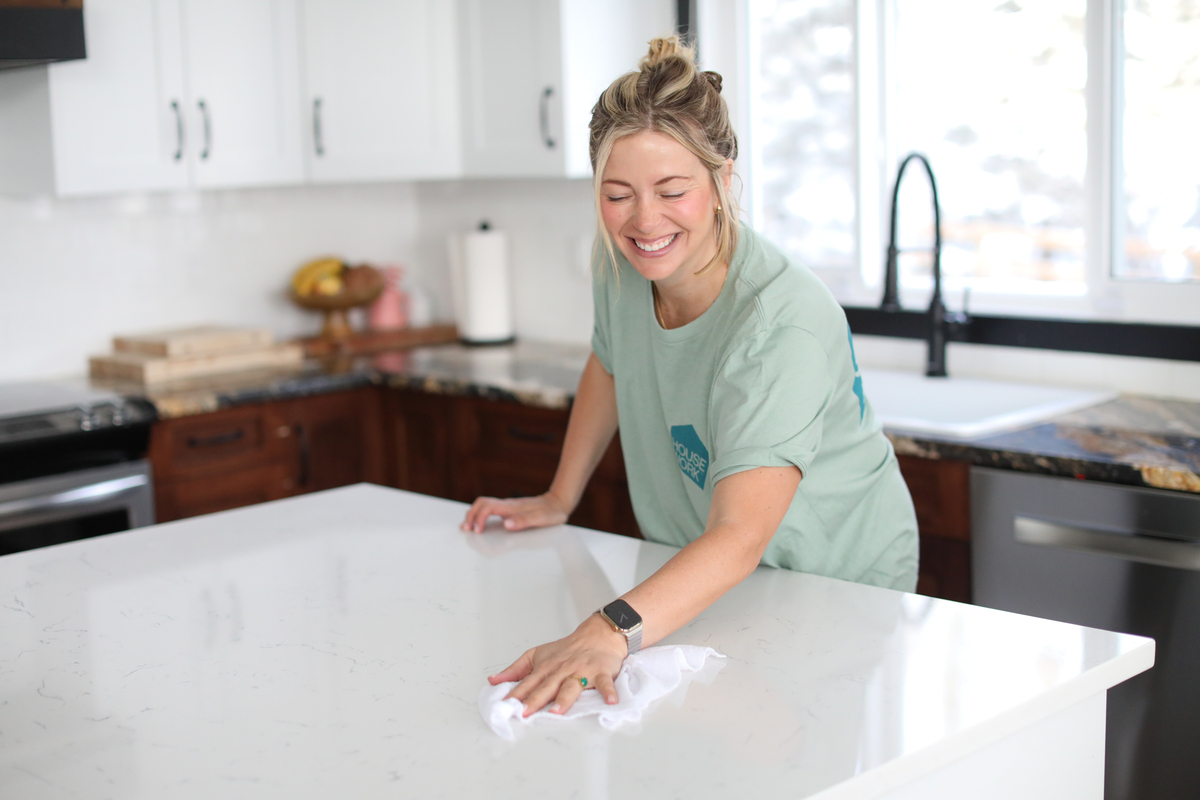
Quartz and other solid surfaces are low-maintenance and resistant to stains. Warm, soapy water usually does the trick, but avoid bleach or strong chemicals that might break down the resin binding the surface. Use a microfiber cloth to wipe down to prevent streaks.
If you encounter tougher spots, a gentle non-abrasive cleaner or a paste of baking soda and water can help. Ever struggled with a stubborn coffee stain? This method often lifts it without harming the quartz.
Butcher Block And Wood
Wood counters add warmth but need special attention to avoid water damage and stains. Wipe spills immediately with a damp cloth and dry thoroughly. Avoid harsh cleaners and instead use mild soap and water or a mixture of vinegar and water.
Regularly oiling your butcher block keeps it from drying out and cracking. Wondering why your wood counter looks dull? It might be thirsty for some mineral oil treatment.
Credit: www.housework.com
Everyday Cleaners For Counters
Keeping kitchen counters clean is important for a healthy home. Everyday cleaners help remove dirt, grease, and germs quickly. These simple solutions are safe and easy to use daily. They keep your counters fresh without harsh chemicals.
Mild Dish Soap Solutions
Mild dish soap mixed with warm water makes a gentle cleaner. It cuts through grease and food spills easily. Use a soft cloth or sponge to wipe counters. Rinse with clean water to avoid soap residue. This solution is safe for most surfaces.
Vinegar And Water Mixes
A mix of vinegar and water works as a natural cleaner. It removes stains and kills some bacteria. Use equal parts white vinegar and water in a spray bottle. Spray on counters and wipe with a cloth. Avoid vinegar on stone surfaces like granite or marble.
Commercial All-purpose Cleaners
All-purpose cleaners are made for many surfaces, including counters. Choose a product labeled safe for kitchen use. Spray on the surface and wipe with a clean cloth. These cleaners often contain ingredients that kill germs quickly. Follow the instructions on the label for best results.
Natural And Homemade Cleaners
Natural and homemade cleaners offer a safe and effective way to keep your kitchen counters spotless without harsh chemicals. These options are not only gentle on surfaces but also easy to prepare with ingredients you likely have at home. Using natural cleaners can save money and reduce exposure to toxins, making your kitchen a healthier space.
Baking Soda Paste
Baking soda is a powerful yet mild abrasive that works wonders on kitchen counters. Mixing it with a little water creates a paste perfect for scrubbing away stains and grime without scratching surfaces.
Apply the paste with a soft cloth or sponge, then rinse with water. It’s especially effective on stubborn spots like dried-on food or grease. Have you tried baking soda on your counters yet? It might surprise you how well it cleans.
Lemon Juice Benefits
Lemon juice is a natural disinfectant and deodorizer. Its acidity helps break down grease and kills many types of bacteria, leaving your counters fresh and clean.
Simply squeeze fresh lemon juice onto a cloth and wipe down your surfaces. The bright scent also helps neutralize odors, making your kitchen smell inviting. Do you notice a difference when you clean with lemon compared to other cleaners?
Essential Oils For Freshness
Adding essential oils like tea tree, lavender, or eucalyptus to your cleaning routine can boost cleanliness and add a pleasant aroma. These oils have antimicrobial properties that enhance your homemade cleaners.
Mix a few drops of your favorite essential oil with water or vinegar in a spray bottle for a quick and refreshing kitchen spray. This simple addition can make your cleaning routine more enjoyable and effective. Which essential oil scent would you choose to brighten your kitchen?
Disinfecting Options
Use a disinfectant spray or wipes made for kitchen surfaces to clean counters effectively. Simple solutions like diluted bleach or vinegar also kill germs without harsh chemicals. Always wipe with a clean cloth to remove dirt and bacteria safely.
Disinfecting kitchen counters ensures a clean and healthy space. It's crucial to choose effective options that suit your needs. Below are some reliable choices for disinfecting.
Bleach Solutions
Bleach is a powerful disinfectant. Mix one tablespoon of bleach with a gallon of water. Use it to wipe down surfaces. Allow the solution to sit for a few minutes. Rinse with water and dry with a clean cloth.
Hydrogen Peroxide Uses
Hydrogen peroxide is an excellent germ killer. It is non-toxic and safe for most surfaces. Pour undiluted hydrogen peroxide into a spray bottle. Spray directly on the counter. Let it sit for at least 10 minutes. Wipe with a damp cloth afterward.
Alcohol-based Sprays
Alcohol-based sprays are effective for quick disinfection. Use sprays with at least 70% alcohol. Spray directly onto the counter. Allow it to air dry for maximum effectiveness. It's safe and leaves no residue.
Cleaners To Avoid
Choosing the wrong cleaner for kitchen counters can cause damage and reduce their lifespan. Avoiding certain products keeps surfaces safe and looking new. Some cleaners may scratch, stain, or leave a sticky residue. Knowing which ones to skip helps maintain a fresh and hygienic kitchen.
Abrasive Powders And Scrubs
Abrasive powders and scrubs can scratch delicate surfaces like granite or laminate. These rough cleaners wear down finishes and create tiny cracks. Dirt and bacteria can hide in these cracks, making counters harder to clean. Use soft cloths or sponges instead for gentle cleaning.
Harsh Chemicals Harmful To Surfaces
Strong chemicals like bleach or ammonia can discolor and weaken counters. They may eat away at sealants or coatings, causing permanent damage. Harsh chemicals also release fumes that can irritate eyes and lungs. Opt for mild, natural cleaners that are safe for kitchen use.
Oil-based And Waxy Products
Oil-based and waxy cleaners leave behind a sticky film on counters. This film attracts dust and grime, making surfaces look dull quickly. It can also make counters slippery and unsafe for food prep. Water-based cleaners or sprays with no residue are better choices.
Tips For Effective Cleaning
Keeping kitchen counters clean is key for a healthy cooking space. Effective cleaning needs the right tools and good habits. This helps remove dirt, germs, and food stains fast. Here are simple tips to make wiping counters easy and safe.
Proper Tools To Use
- Soft microfiber cloths clean well without scratching surfaces.
- Non-abrasive sponges help remove stuck-on food gently.
- Spray bottles for diluted cleaning solutions work well.
- Use mild dish soap or natural cleaners like vinegar for safety.
- Paper towels can be handy but create more waste.
Safe Cleaning Techniques
- Wipe spills immediately to avoid stains and bacteria build-up.
- Spray cleaner on cloth, not directly on counters, to prevent damage.
- Use circular motions to lift dirt, not just push it around.
- Rinse cloth often during cleaning to avoid spreading germs.
- Dry counters with a clean towel to stop water spots.
Frequency Of Wiping Counters
- Wipe counters after every meal preparation for best hygiene.
- Clean high-touch areas like near the stove more often.
- Deep clean counters at least once a day to kill germs.
- Spot clean spills and crumbs immediately to keep surfaces fresh.

Credit: www.amazon.com
Frequently Asked Questions
What Is The Best Cleaner For Kitchen Counters?
The best cleaner depends on the counter material. For granite, use a pH-neutral cleaner. For laminate, mild soap and water work well. Avoid harsh chemicals that damage surfaces.
Can Vinegar Safely Clean Kitchen Counters?
Vinegar is great for natural stone-free counters like laminate. It disinfects and removes grime. Avoid vinegar on granite or marble as it can etch the surface.
How Often Should Kitchen Counters Be Wiped Down?
Wipe kitchen counters daily to prevent bacteria build-up. Clean spills immediately to avoid stains. Regular cleaning keeps surfaces hygienic and looking fresh.
Are Disinfectant Wipes Good For Kitchen Counters?
Disinfectant wipes are convenient for quick cleaning. They kill germs effectively on most surfaces. However, avoid overuse on delicate materials to prevent damage.
Conclusion
Choosing the right cleaner keeps kitchen counters safe and spotless. Natural options like vinegar work well for daily wipes. For tough stains, mild soap and water do the trick. Avoid harsh chemicals that can damage surfaces or leave residue. Clean counters help stop germs and keep food fresh.
Simple tools and safe cleaners make kitchen cleaning easy. Keep your space healthy and bright with regular wiping. A little care goes a long way in every kitchen.