
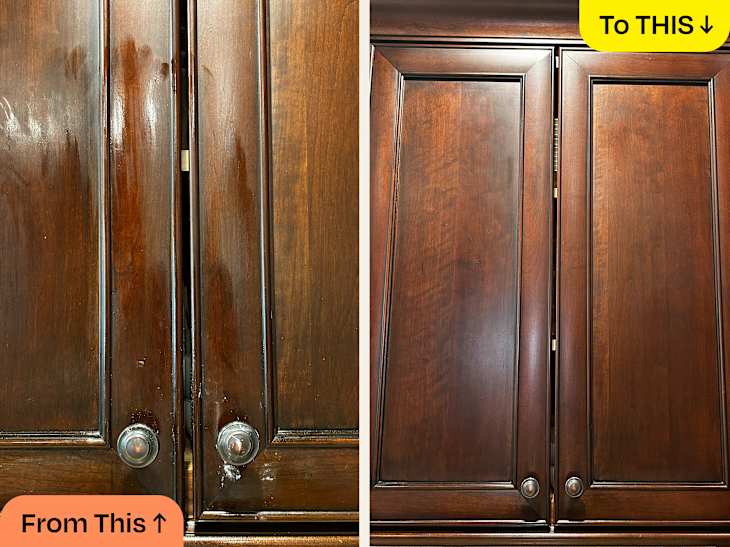
Are your kitchen cabinets looking dull or sticky? You might wonder, what’s the best way to clean them without causing damage?
Choosing the right wipe or cleaner can make all the difference in keeping your cabinets shiny and fresh. You’ll discover simple, safe, and effective ways to wipe your kitchen cabinets so they look their best every day. Keep reading—you’re about to learn easy tips that will save you time and protect your kitchen investment.
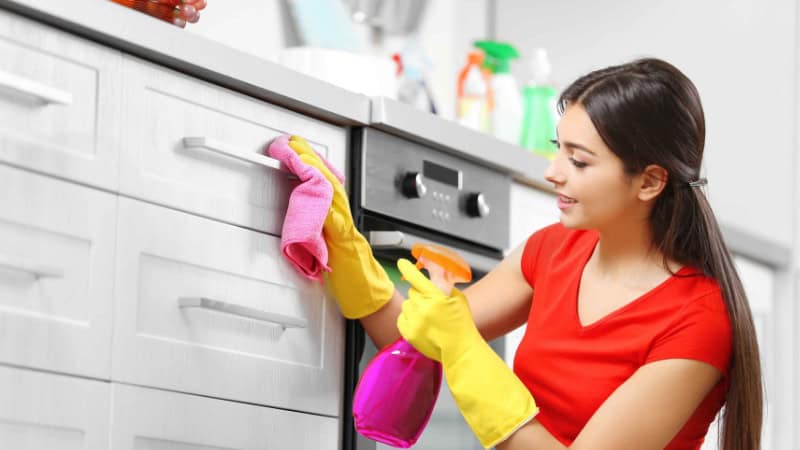
Credit: modern-maids.com
Choosing The Right Cleaning Solution
Choosing the right cleaning solution protects your kitchen cabinets and keeps them looking fresh. The type of cleaner affects the cabinet’s finish and durability. Some solutions are gentle and safe for regular use, while others offer stronger stain removal. Picking the right cleaner balances safety and effectiveness.
Natural Ingredients For Safe Cleaning
Natural ingredients clean cabinets without harsh chemicals. They are gentle and reduce damage risks. Common natural cleaners include:
- White vinegar mixed with water
- Baking soda paste for tough spots
- Lemon juice to cut grease and add shine
- Olive oil for polishing wooden surfaces
These options are eco-friendly and safe around children and pets. Use soft cloths with natural cleaners to avoid scratching.
Commercial Cleaners: What Works Best
Commercial cleaners offer powerful solutions for stubborn stains. Look for products labeled safe for kitchen cabinets. Popular types include:
- Gentle all-purpose sprays
- Wood-specific cleaners for varnished surfaces
- Foam or gel formulas that cling to grime
Always test commercial cleaners on a small hidden area first. Follow the instructions carefully to avoid damage.
Avoiding Harsh Chemicals
Harsh chemicals can strip paint, dull finishes, and cause cracks. Avoid cleaners with:
- Ammonia
- Bleach
- Strong acids or alkalis
- Solvents like acetone or alcohol
These substances harm cabinet surfaces and indoor air quality. Stick to mild, safe cleaning products for lasting cabinet beauty.
Tools For Effective Cleaning
Cleaning kitchen cabinets requires the right tools for the best results. Using proper tools protects the cabinet surface from damage. It also removes dirt and grease effectively. Choosing tools that are gentle yet efficient ensures a clean and polished finish. Here are some essential tools for effective cabinet cleaning.
Soft Cloths And Microfiber Towels
Soft cloths and microfiber towels are gentle on cabinet surfaces. They absorb dirt and liquids without scratching. Microfiber towels trap dust and grease better than regular cloths. Use them damp for wiping down cabinets and dry for polishing. These towels are reusable and easy to clean.
Sponges And Brushes
Sponges work well for scrubbing sticky or greasy spots. Choose soft sponges to avoid scratching the finish. Brushes help reach textured or grooved areas. Use brushes with soft bristles for delicate cabinet surfaces. They remove buildup from handles, edges, and corners efficiently.
Using Toothbrushes For Detail Work
Toothbrushes are perfect for detailed cleaning tasks. Their small size reaches tight spaces and crevices. Use old toothbrushes with soft bristles to clean around knobs and hinges. They remove grime without damaging paint or varnish. Toothbrushes make detail work easier and more precise.
Step-by-step Cleaning Process
Cleaning kitchen cabinets is simple with the right process. Following clear steps helps keep cabinets shiny and fresh. This guide shows how to wipe kitchen cabinets with care. Each part plays a key role in effective cleaning.
Preparing Cabinets For Cleaning
Start by removing all items from cabinet shelves. Clear the countertop near the cabinets to avoid spills. Dust the cabinet surfaces with a dry cloth or soft brush. Check for sticky spots or stains that need extra attention. Protect the floor with a cloth or paper towels to catch drips.
Applying Cleaners Properly
Choose a cleaner safe for your cabinet material. Use a spray bottle or damp cloth to apply cleaner gently. Avoid soaking the wood or pressing too hard. Work in small sections to control the cleaning process. Let the cleaner sit briefly to break down grease and grime.
Rinsing And Drying Tips
Wipe off cleaner residue with a clean, damp cloth. Rinse the cloth often to avoid spreading dirt. Dry cabinets immediately using a soft towel or microfiber cloth. Open cabinet doors to air dry interiors completely. This prevents moisture damage and keeps cabinets fresh longer.
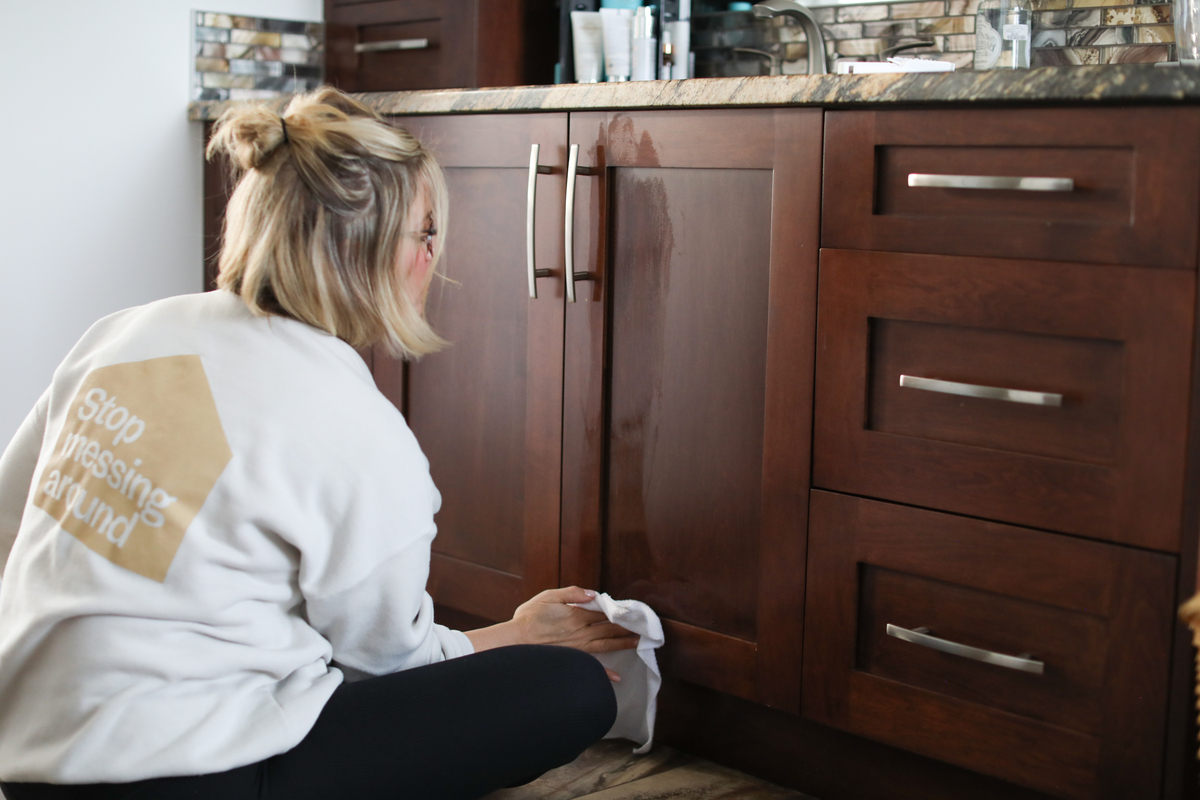
Credit: www.housework.com
Cleaning Different Cabinet Materials
Use a soft cloth with mild soap and water for most cabinet surfaces. Avoid harsh chemicals on wood or laminate to prevent damage. Dry cabinets thoroughly to keep them looking fresh and clean.
Cleaning Different Cabinet Materials Understanding the right way to clean your kitchen cabinets is crucial for maintaining their longevity and appearance. Different materials require specific cleaning methods to prevent damage and keep them looking their best. Whether your cabinets are made of wood, laminate, veneer, metal, or glass, using the right cleaning techniques can make all the difference. Let's dive into the specifics of how to care for each type.
Wood Cabinets Care
Wood cabinets are a beautiful addition to any kitchen but require gentle care to maintain their charm. Use a soft cloth dampened with a mixture of mild dish soap and warm water. Gently wipe the surfaces, ensuring you follow the grain to prevent scratches. Avoid using harsh chemicals or abrasive pads as they can strip the finish and damage the wood. Regular dusting is essential to prevent buildup, and consider applying a wood polish occasionally to enhance their shine. Remember, the less moisture, the better; always dry the wood immediately after cleaning.
Laminate And Veneer Cabinets
Laminate and veneer cabinets are popular for their durability and easy maintenance. A solution of vinegar and water works wonders for these surfaces. Simply mix equal parts in a spray bottle, apply to a soft cloth, and wipe down the cabinets. Avoid soaking the surfaces as excess moisture can seep into seams and cause peeling. If you encounter stubborn stains, a paste of baking soda and water can help lift them without damaging the material. Always test a small, inconspicuous area first to ensure the cleaning method doesn't affect the finish.
Metal And Glass Surfaces
Metal and glass cabinets add a modern touch to your kitchen but can show fingerprints and smudges easily. For metal surfaces, use a microfiber cloth with a non-abrasive cleaner designed for metals. Buff gently to bring out the shine. Glass surfaces require a bit more attention to detail. Use a vinegar and water solution or a glass cleaner, ensuring you wipe with a lint-free cloth to avoid streaks. For tricky corners or intricate designs, cotton swabs can help reach those tight spots. Each type of cabinet has its quirks, but with the right approach, you can keep them looking pristine. Have you found a unique cleaning hack that works wonders for your cabinets? Share your tips and join the conversation!
Removing Stubborn Stains And Grease
Stubborn stains and grease can turn your kitchen cabinets from charming to challenging in no time. These marks often resist regular cleaning, leaving you wondering how to restore your cabinets' shine without damaging the finish. Tackling these tough spots effectively requires the right approach and products that work without harsh effects.
Homemade Remedies For Tough Spots
You might already have powerful cleaning agents right in your kitchen. A mix of baking soda and water creates a gentle but effective paste that lifts grease without scratching surfaces. Apply it with a soft cloth, gently rub the stained area, then wipe clean with a damp cloth.
White vinegar diluted with water is another excellent option. It cuts through grease and sanitizes simultaneously. Spray it on the stains, let it sit for a few minutes, then wipe away with a microfiber cloth for a streak-free finish.
Commercial Stain Removers
Sometimes homemade solutions aren’t enough, especially with baked-on grease or ink marks. Commercial cleaners designed specifically for kitchen cabinets often contain powerful ingredients that dissolve tough residues quickly. Always check the label to ensure the product is safe for your cabinet material.
Using a non-abrasive cleaner with a soft sponge can prevent damage while tackling stubborn stains. If you’re unsure about a product, test it on a small hidden area first. This practice saves you from potential discoloration or surface damage.
Preventing Future Stains
Prevention is easier than constant scrubbing. Wiping your cabinets regularly with a mild detergent helps keep grease and stains at bay. After cooking, take a moment to quickly clean splatters before they set in.
Consider applying a protective wax or sealant if your cabinets are wooden. This layer adds resistance against stains and makes cleaning simpler. Have you noticed how a little daily maintenance reduces deep-cleaning sessions? Try it, and your cabinets will thank you.
Maintaining Cabinets Between Deep Cleans
Keeping your kitchen cabinets looking fresh between deep cleans is all about simple, consistent care. Small habits and quick fixes can prevent grime buildup and protect the finish. This saves you time and effort in the long run while maintaining the beauty of your kitchen.
Daily Wiping Habits
Make it a routine to wipe down your cabinets daily with a soft, damp cloth. This helps remove fingerprints, grease spots, and dust before they settle in. Avoid harsh chemicals; instead, use a mild dish soap diluted in water for gentle cleaning.
Focus on the handles and edges where dirt tends to gather the most. You’ll notice how a quick daily swipe keeps your cabinets looking clean and prevents tough stains from forming. Have you ever skipped this step and regretted the extra scrubbing later?
Quick Clean-up Tricks
For spills or splatters, act fast. Use a microfiber cloth or sponge to blot the mess immediately—this stops stains from setting in. A mixture of vinegar and water works well for grease, but test it on a small area first to avoid damage.
Keep a small cleaning kit nearby with cloths, gentle cleaner, and cotton swabs for corners. This allows you to tackle spots as soon as they happen. What’s your go-to quick clean-up strategy when cooking gets messy?
Protective Coatings And Polishes
Applying a protective finish can extend the life of your cabinets. Look for polishes specifically designed for wood or laminate surfaces. They add a thin barrier that repels dirt and moisture.
Use these products sparingly—too much polish can cause buildup and attract dust. Test any new product on an inconspicuous spot first to ensure it suits your cabinet’s material. Have you tried a polish that made a noticeable difference in keeping your cabinets fresh?
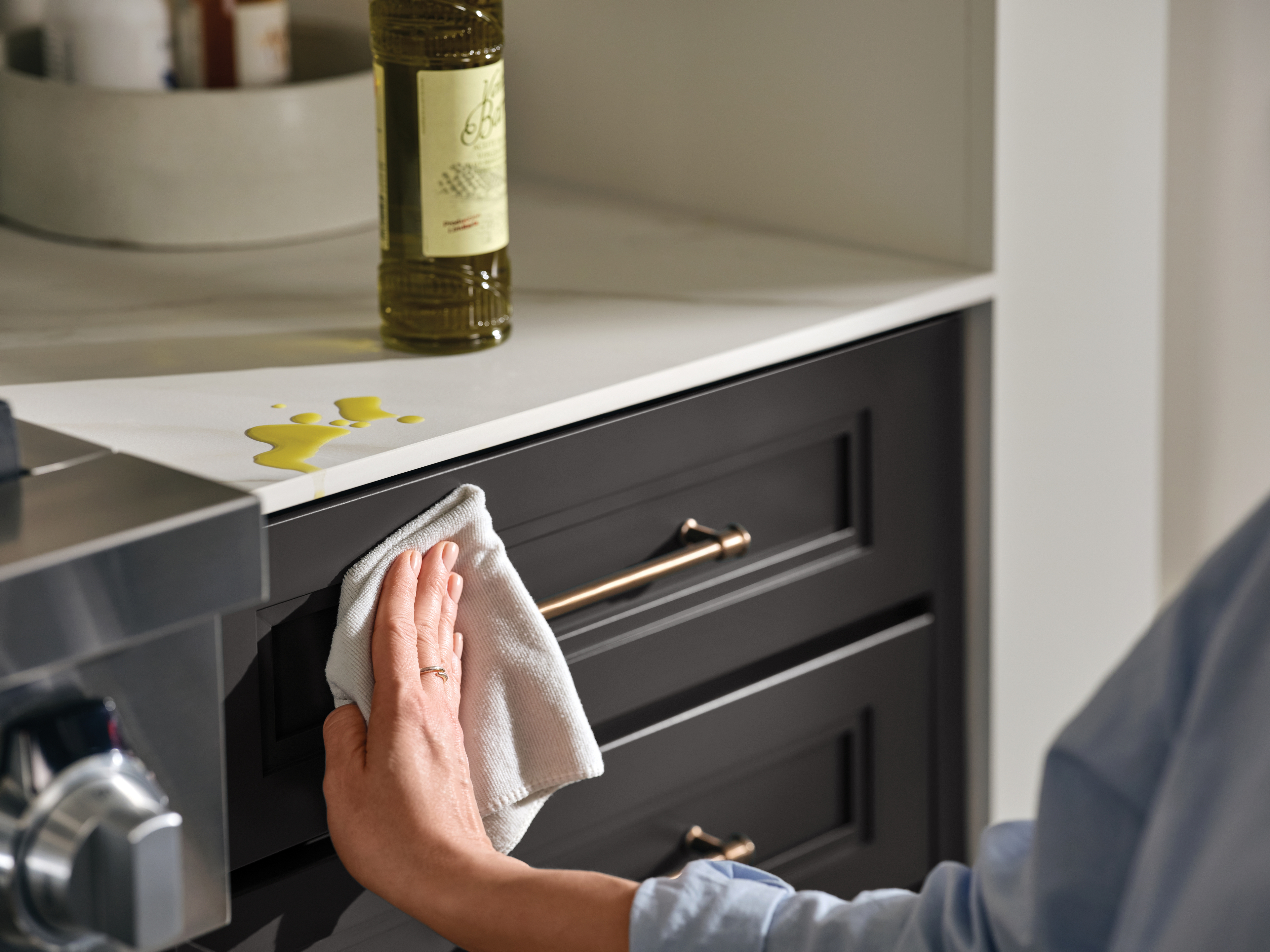
Credit: www.kraftmaid.com
Frequently Asked Questions
What Is The Best Cleaner For Kitchen Cabinets?
Mild dish soap mixed with warm water is the safest cleaner. Avoid harsh chemicals to protect cabinet finishes. Use a soft cloth to wipe gently, preventing damage and maintaining shine.
Can Vinegar Be Used To Clean Kitchen Cabinets?
Yes, diluted vinegar works well for removing grease and grime. Mix equal parts vinegar and water for an effective natural cleaner. Test on a small area first to ensure no damage occurs.
How Often Should Kitchen Cabinets Be Wiped?
Wiping kitchen cabinets once a week is ideal. Regular cleaning prevents buildup of grease and dust. More frequent cleaning may be needed in busy kitchens or after cooking.
Are Microfiber Cloths Good For Cleaning Cabinets?
Microfiber cloths are excellent for cleaning cabinets. They trap dirt and grease without scratching surfaces. Use them damp for best results and avoid abrasive materials.
Conclusion
Choosing the right cleaner keeps kitchen cabinets fresh and clean. Use mild soap and water for regular wiping. Avoid harsh chemicals that can damage the finish. Soft cloths work best to prevent scratches. Clean spills quickly to stop stains and buildup.
Simple care helps your cabinets last longer and look great. A clean kitchen feels welcoming and bright. Keep these tips in mind for easy cabinet care. Your kitchen will stay neat with little effort. Small steps make a big difference in cleanliness.