
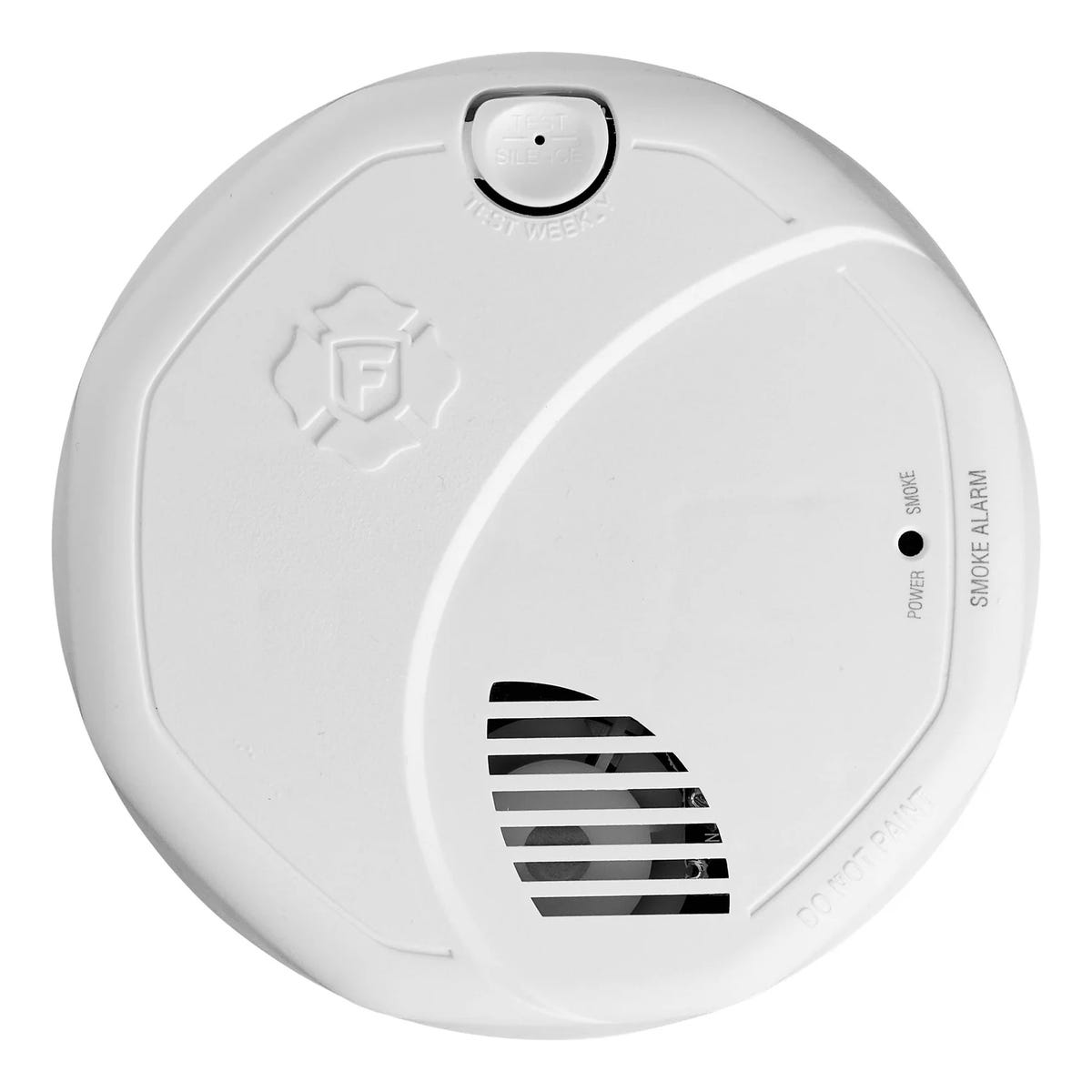
Choosing the right smoke detector for your kitchen isn’t just about safety—it’s about peace of mind. You want a device that alerts you quickly without causing constant false alarms every time you cook.
But with so many options available, how do you know which one fits your kitchen best? You’ll discover the types of smoke detectors designed to work well in cooking areas, helping you protect your home without the hassle. Keep reading to find the perfect smoke detector that keeps your kitchen safe and your mind at ease.

Credit: www.amazon.com
Types Of Smoke Detectors
Choosing the right smoke detector for your kitchen means understanding the types available and how they work. Each type reacts differently to smoke and fire, which can affect your safety and reduce false alarms. Let's break down the main types so you can pick the best fit for your kitchen environment.
Ionization Smoke Detectors
Ionization smoke detectors are quick to sense fast-flaming fires that produce small smoke particles. They use a small amount of radioactive material to detect changes in the air's ionization caused by smoke.
However, these detectors often trigger false alarms from normal cooking smoke or steam. If your kitchen sees a lot of frying or boiling, this type might become an annoyance rather than a help.
Photoelectric Smoke Detectors
Photoelectric detectors excel at detecting smoldering fires that produce larger smoke particles. They use a light beam that scatters when smoke enters the chamber, triggering the alarm.
These detectors are less sensitive to cooking smoke, making them a better choice for kitchens. If you want fewer false alarms while still maintaining safety, photoelectric is often the way to go.
Dual-sensor Smoke Detectors
Dual-sensor detectors combine both ionization and photoelectric technologies. This means they detect both fast-flaming and smoldering fires effectively.
While they offer broad protection, they can also be more prone to false alarms in the kitchen. You might need to balance the risk of nuisance alarms with your safety needs.
Smart Smoke Detectors
Smart smoke detectors connect to your phone and home network, sending alerts even when you’re away. Many models allow you to silence false alarms remotely, a big plus in a kitchen setting.
Some smart detectors even learn your cooking habits and adjust sensitivity accordingly. This technology could save you time and stress, but it often comes at a higher price.
:max_bytes(150000):strip_icc()/spr-kidde-hardwired-smoke-alarm-i4618-julia-warren-01-faa480fecad5429d9cab4d8386ea1422.jpeg)
Credit: www.thespruce.com
Challenges Of Kitchen Smoke Detection
Detecting smoke in the kitchen is more complicated than in other parts of your home. The cooking environment presents unique challenges that can lead to frequent false alarms or missed warnings. Understanding these obstacles helps you choose the right smoke detector that works effectively without becoming a nuisance.
False Alarms From Cooking
Smoke detectors in kitchens often react to harmless cooking smoke or burnt toast. This causes frequent false alarms that can frustrate anyone trying to prepare a meal. Have you ever rushed to silence your smoke detector only to realize it was triggered by simple steam or frying oil?
To reduce false alarms, consider detectors with built-in filters or those designed specifically for kitchen use. Some models use photoelectric sensors that better differentiate between real fire smoke and regular cooking fumes. This way, your detector stays alert without interrupting every cooking session.
High Humidity And Steam
Kitchens generate a lot of steam and moisture, especially near sinks and stovetops. High humidity can interfere with smoke detector sensors, causing them to malfunction or become less sensitive. If your kitchen detector often goes off after boiling water, steam might be the culprit.
Choosing a smoke detector that resists humidity is vital. Models with sealed sensors or humidity-resistant technology perform better under these moist conditions. You should also avoid placing detectors too close to sources of steam to maintain their reliability.
Placement Issues
Finding the best spot for a smoke detector in your kitchen is tricky. If placed too close to the stove, it may trigger false alarms; too far, and it might not detect real smoke quickly. Where you install your detector can make a big difference in its effectiveness.
Experts recommend placing detectors at least 10 feet away from cooking appliances but close enough to detect fire early. Sometimes, combining smoke detectors with heat detectors in the kitchen provides the best protection. Have you checked if your current detector is in the right place for optimal safety?
Best Smoke Detector For Kitchen Use
Choosing the best smoke detector for kitchen use is important. Kitchens have unique conditions like steam, smoke from cooking, and occasional grease particles. These factors can cause false alarms or delayed detection. The right smoke detector reduces false alarms and alerts you quickly in case of real danger.
Smoke detectors designed for kitchens handle smoke and steam better. They balance sensitivity with minimizing false alarms. Consider the type of detector and extra features before buying one for your kitchen.
Photoelectric Detectors Advantages
Photoelectric detectors use light to detect smoke particles. They are less sensitive to small cooking smoke or steam.
- Detect slow, smoldering fires quickly
- Fewer false alarms from kitchen steam or cooking fumes
- Work well in kitchens with high humidity
This type is a good choice for kitchens because it avoids frequent false alarms.
Combination Detectors Benefits
Combination detectors use both photoelectric and ionization sensors. They detect both fast flaming fires and slow smoldering fires.
- Broader fire detection coverage
- More reliable for different fire types
- One device covers more risks
Combination detectors balance sensitivity for kitchen conditions and overall safety.
Smart Features For Kitchens
Smart smoke detectors offer extra convenience for kitchens. They connect to your phone and smart home systems.
- Send alerts directly to your phone
- Allow you to silence false alarms remotely
- Monitor battery life and device status easily
Smart features help manage alarms and reduce nuisance alerts from cooking.
Installation Tips For Kitchen Smoke Detectors
Photoelectric smoke detectors work best in kitchens as they detect smoldering fires quickly. Avoid ionization detectors since cooking smoke may cause false alarms. Install detectors away from cooking appliances to reduce nuisance alerts.
Installing a smoke detector in your kitchen can be tricky, as it needs to catch real fires without triggering every time you make toast. A well-placed smoke detector can save lives, but a poorly placed one can be a constant headache. Let's dive into some essential tips to ensure your kitchen smoke detector works optimally, without the nuisance of false alarms.
Optimal Placement
Choosing the right spot for your smoke detector is crucial. It should be close enough to detect smoke quickly but not too close to cooking appliances. Placing it on the ceiling, at least 10 feet away from the stove, helps avoid false alarms while maintaining safety. Consider the airflow in your kitchen. Smoke detectors should not be placed in dead air spaces like corners or near air vents. This ensures that smoke can reach the detector without being disrupted by air currents.
Avoiding False Alarms
False alarms can be frustrating and might cause you to ignore real warnings. To minimize them, opt for a photoelectric smoke detector, which is less sensitive to cooking smoke. This type detects smoldering fires more effectively, making it ideal for kitchens. Regularly clean your smoke detector to prevent dust and grease buildup. A quick wipe with a damp cloth can reduce unwanted alarms. If your detector has a hush feature, use it to temporarily silence alarms while cooking, but never disable your detector.
Maintenance And Testing
A smoke detector is only as good as its maintenance. Test your detector monthly by pressing the test button, ensuring it’s responsive. This simple task can be a lifesaver. Change the batteries at least once a year, or when you hear the low battery chirp. It's a small task that ensures your detector is always ready to protect your home. Replacing the entire unit every 10 years is recommended to keep up with technology and maintain effectiveness. Check the manufacturing date on the back of your detector to know when it’s time for a new one. Thinking about these installation tips can help you avoid the stress of false alarms while keeping your kitchen safe. How will you ensure your smoke detector is both effective and convenient?
Additional Safety Devices For Kitchens
Keeping the kitchen safe means more than just having the right smoke detector. Other safety devices play a key role in protecting your home. These devices help detect different dangers and give you time to act. Installing them together creates a strong safety net for your kitchen.
Heat Detectors
Heat detectors sense rapid temperature rises. They work well in kitchens because they avoid false alarms from cooking smoke. These devices activate only when the heat reaches a dangerous level. Heat detectors provide quick warnings during real fires. They are a smart addition alongside smoke alarms.
Carbon Monoxide Detectors
Carbon monoxide (CO) is a silent, deadly gas made by gas stoves and heaters. CO detectors alert you if levels become unsafe. These alarms help prevent poisoning by warning early. Placing CO detectors near the kitchen keeps your family safe. They are essential in homes with gas appliances.
Fire Extinguishers
Fire extinguishers allow you to control small fires fast. Having one in the kitchen helps stop fires before they spread. Choose an extinguisher rated for grease and electrical fires. Keep it easy to reach and check it regularly. Knowing how to use it can save lives and property.
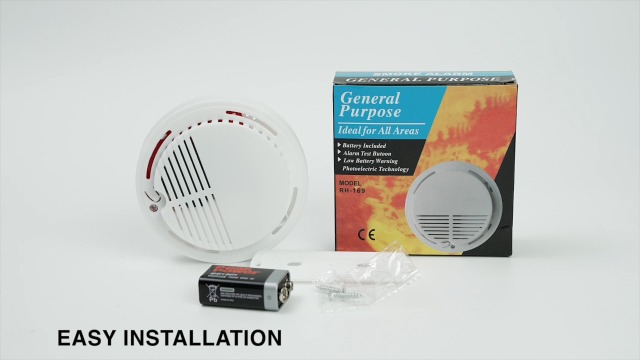
Credit: www.amazon.com
Frequently Asked Questions
What Type Of Smoke Detector Suits Kitchens Best?
Photoelectric smoke detectors are best for kitchens. They detect slow, smoldering fires and reduce false alarms from cooking smoke.
Are Ionization Smoke Detectors Good For Kitchen Use?
Ionization detectors respond faster to flaming fires but cause more false alarms in kitchens. They are less ideal for kitchen areas.
Can Heat Detectors Replace Smoke Detectors In Kitchens?
Heat detectors are good for kitchens. They trigger alarms by sensing temperature rise, avoiding false alarms from cooking smoke.
How To Reduce False Alarms In Kitchen Smoke Detectors?
Use photoelectric or heat detectors. Install smoke alarms away from cooking appliances to minimize false alarms caused by steam or smoke.
Conclusion
Choosing the right smoke detector keeps your kitchen safe. Photoelectric detectors work best near cooking areas. They reduce false alarms from steam and smoke. Install detectors away from stoves and vents. Test your alarms regularly to ensure they work. Replace batteries at least once a year.
A reliable smoke detector gives peace of mind. Protect your home and loved ones today. Safety starts with smart choices in your kitchen.