
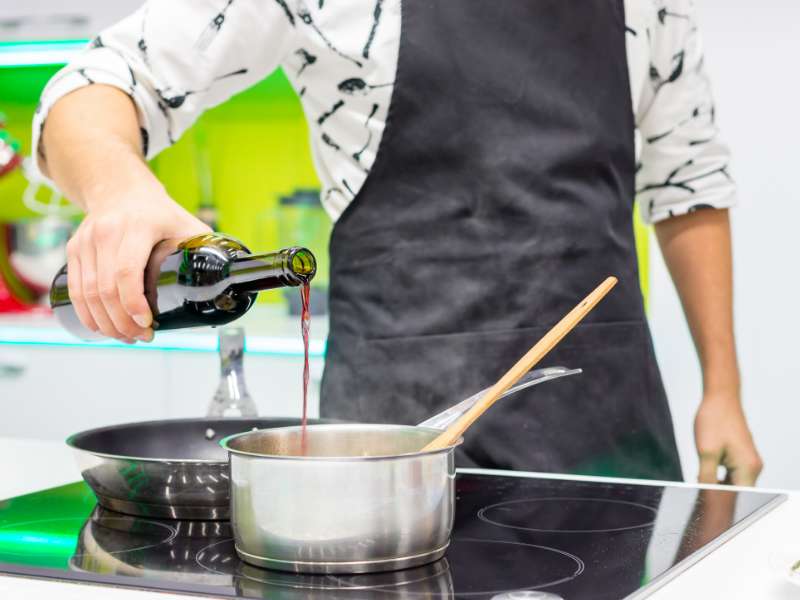
Are you sure you’re handling food safely in your kitchen? Knowing exactly when gloves are required can protect both you and the people you cook for.
It’s not just about cleanliness—using gloves at the right time prevents harmful germs from spreading and keeps your meals safe to eat. You’ll discover the key moments when wearing gloves isn’t just a good idea, but a must. Keep reading to make your kitchen a safer place for everyone.
Credit: www.food-safety.com
Glove Types For Kitchen Use
Choosing the right gloves for kitchen tasks is essential for safety and hygiene. Different gloves serve different purposes, so understanding their types helps you protect your hands properly. Let's look at the main glove options you should consider while working in the kitchen.
Disposable Gloves
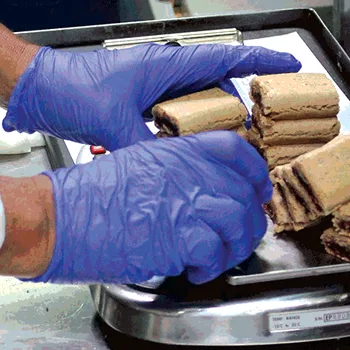
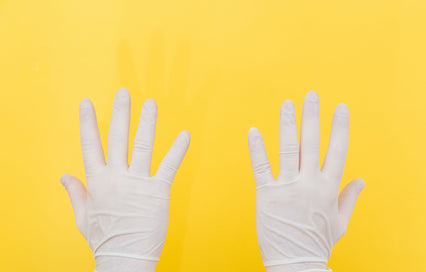
Disposable gloves are perfect for tasks that require high hygiene levels, like handling raw meat or cleaning. They are usually made of latex, nitrile, or vinyl and can be thrown away after one use.
These gloves prevent cross-contamination and keep your hands clean. Have you noticed how much easier it is to switch tasks when you just change gloves instead of washing your hands constantly?
Heat-resistant Gloves
Heat-resistant gloves protect your hands when handling hot pots, pans, or grills. They are made from materials like silicone or thick fabric designed to withstand high temperatures.
If you often cook with high heat, these gloves can prevent painful burns. Think about how much more confident you feel grabbing a hot tray straight from the oven with the right gloves on.
Cut-resistant Gloves
Cut-resistant gloves are designed to protect your hands from sharp knives and slicers. They are usually made from materials like Kevlar or stainless steel mesh.
Using these gloves can save you from accidental cuts, especially when you chop ingredients quickly. Have you ever experienced a kitchen cut that slowed you down? Wearing cut-resistant gloves can keep your prep time smooth and safe.
Credit: www.gloves.com
When To Wear Gloves
Knowing when to wear gloves in the kitchen can protect you and everyone who eats your food. Gloves act as a barrier against germs, chemicals, and contamination. But wearing gloves at the right moments is just as important as wearing them at all.
Handling Raw Meat And Seafood
Raw meat and seafood carry bacteria that can easily spread to your hands. Wearing gloves while handling these foods helps prevent cross-contamination with other ingredients. If you touch raw chicken, for example, gloves stop bacteria like salmonella from moving to your salad or cutting board.
Change gloves often, especially if you switch between raw and cooked foods. Don’t forget to wash your hands before putting on new gloves. This keeps everything clean and safe.
Preparing Ready-to-eat Foods
Ready-to-eat foods like sandwiches or salads don’t go through any cooking to kill germs. Wearing gloves when preparing these items protects them from germs on your hands. It’s a simple way to keep your food fresh and safe for eating.
Even if you feel your hands are clean, gloves add an extra layer of protection. Think about this: Would you want someone handling your food without gloves after touching raw meat? Wearing gloves here shows care and professionalism.
Dealing With Chemicals And Cleaning
Gloves are also essential when you work with cleaning products or chemicals in the kitchen. These substances can irritate or harm your skin. Wearing gloves protects your hands from burns, dryness, or allergic reactions.
Always put gloves on before handling strong detergents or sanitizers. After cleaning, remove gloves carefully to avoid contact with any residue. Keeping your skin safe helps you stay healthy and ready for your next cooking task.
Glove Safety Rules
Glove safety rules are vital in kitchen environments. They protect food from germs and keep hands safe. Following these rules ensures food stays clean and prevents illness. Understanding how to use gloves properly helps maintain hygiene and safety standards.
Changing Gloves Regularly
Change gloves often to keep food safe. Gloves can carry germs after touching different items. Replace gloves when switching tasks or after handling raw food. Never use the same gloves for long periods. Regular changes reduce the risk of contamination.
Avoiding Cross-contamination
Cross-contamination spreads germs between foods or surfaces. Gloves do not stop germs if used wrongly. Use new gloves when moving from raw to cooked food. Avoid touching non-food items like phones or trash with gloves. Keep gloves clean to stop spreading bacteria.
Proper Glove Removal Techniques
Remove gloves carefully to avoid touching the outside. Pinch the glove near the wrist and pull it off inside out. Hold the removed glove in the gloved hand. Slide fingers under the wrist of the remaining glove and peel it off. Dispose of gloves immediately in a trash bin.

Credit: extension.umn.edu
Glove Limitations In The Kitchen
Gloves might seem like a foolproof way to keep your kitchen clean and safe, but they come with their own set of limitations. Understanding these drawbacks can help you use gloves more effectively and avoid common pitfalls. Knowing when gloves might fail you is just as important as knowing when to wear them.
Not A Substitute For Hand Washing
Wearing gloves does not replace the need to wash your hands. If your hands are dirty before putting gloves on, you’re just trapping germs inside. I've seen cooks skip hand washing because they wore gloves, only to spread contamination unknowingly.
Always wash your hands thoroughly before and after using gloves. Change gloves frequently, especially after handling raw meat or switching tasks. Think about this: how often do you change gloves during a busy service? It might be less than you think, increasing the risk of cross-contamination.
Potential Allergies And Sensitivities
Some people develop skin allergies or sensitivities from frequent glove use. Latex gloves, in particular, can cause reactions ranging from mild itching to serious rashes. Even nitrile or vinyl gloves aren’t completely risk-free for everyone.
If you notice any irritation, consider switching glove types or giving your skin a break. Also, remember that gloves can trap sweat and moisture, which may worsen skin issues. Are you paying attention to how your hands feel after long shifts in gloves?
Regulations And Standards
Gloves are required in kitchens to prevent food contamination and protect hands from harmful substances. They must be worn when handling ready-to-eat foods or cleaning chemicals. Following these rules helps maintain hygiene and food safety.
In the bustling environment of a kitchen, safety and hygiene are paramount. Understanding when gloves are required is not just about following rules but ensuring the health and safety of everyone involved. Various regulations and standards guide this practice, helping maintain a clean and efficient kitchen. These guidelines can sometimes seem daunting, but breaking them down makes them easier to understand and follow.
Health Department Guidelines
Health departments in different regions have specific guidelines about glove usage in kitchens. They often require gloves when handling ready-to-eat foods to prevent contamination. Imagine preparing a salad without gloves after handling raw chicken—it's a recipe for disaster. Gloves act as a barrier, reducing the risk of spreading harmful bacteria. Have you ever noticed how strict health inspectors can be? They have good reason. They ensure that kitchens adhere to these guidelines to protect public health. It's not just about avoiding fines; it's about serving safe food to your customers.
Industry Best Practices
Beyond legal requirements, many kitchens adopt industry best practices for glove usage. These practices often go above and beyond legal standards. For instance, some establishments require glove changes between different tasks, even if not mandated by law. This practice minimizes cross-contamination, ensuring higher food safety. In your kitchen, consider the flow of tasks. Are you switching from handling raw meat to fresh vegetables? Gloves should be changed to prevent cross-contamination. Implementing these best practices can enhance your kitchen's reputation for cleanliness and safety. Adopting these standards can seem like a hassle, but think of the peace of mind it brings. Knowing you're providing safe, uncontaminated food to your guests is worth the extra effort. Do you think your kitchen could benefit from stricter glove regulations?
Frequently Asked Questions
When Should Gloves Be Worn In Kitchen Food Prep?
Gloves should be worn when handling ready-to-eat foods. They prevent contamination from hands to food. Gloves are essential when touching raw meat, seafood, or poultry. Always change gloves between tasks to maintain hygiene and food safety.
Are Gloves Mandatory For Kitchen Cleaning Tasks?
Wearing gloves during kitchen cleaning protects hands from chemicals and germs. Gloves prevent skin irritation and cross-contamination. It is recommended to use disposable gloves when handling cleaning agents or waste in the kitchen.
How Often Should Kitchen Gloves Be Changed?
Kitchen gloves must be changed after each task or if torn. Frequent glove changes reduce the risk of cross-contamination. Always wash hands before putting on new gloves to ensure maximum hygiene.
Can Gloves Replace Handwashing In The Kitchen?
Gloves do not replace proper handwashing. Handwashing is essential before wearing gloves and after removing them. Gloves provide a barrier but do not eliminate all germs or contamination risks.
Conclusion
Gloves protect hands and keep food safe from germs. Use gloves when handling raw meat or ready-to-eat food. Change gloves often to avoid cross-contamination. Clean hands before putting on new gloves. Gloves do not replace good handwashing habits. Following these simple steps helps keep kitchens clean and safe.
Always remember, safety starts with careful food handling. Gloves are a small tool with a big role. Stay safe and keep your kitchen healthy.