
When cleaning the kitchen, you might think it’s just about wiping counters and washing dishes. But what if doing it the right way could save you time, keep your family healthier, and even make cooking more enjoyable?
Your kitchen is the heart of your home, and how you clean it matters more than you realize. Keep reading, and you’ll discover simple tips that can transform your routine and make your kitchen sparkle like never before.
Credit: www.housework.com
Preparing The Kitchen For Cleaning
Preparing the kitchen for cleaning is the key to a smooth and efficient process. It helps you save time and avoid frustration. Start by organizing the space and making sure everything is ready for the tasks ahead.
Clearing Countertops And Surfaces
Clear all items from countertops and surfaces. This includes appliances, utensils, and decorations. Empty surfaces make cleaning easier and more effective. Wipe away crumbs or spills before deep cleaning.
Gathering Necessary Cleaning Supplies
Collect all cleaning tools and products in one place. Typical supplies include sponges, cloths, dish soap, and disinfectant. Having everything ready avoids interruptions during cleaning. Use eco-friendly products for a safer kitchen environment.
Removing Food And Dishes
Take away all food from counters and tables. Put leftovers in the fridge or discard spoiled items. Wash dirty dishes or load them into the dishwasher. A clear sink and counters speed up the cleaning process.
Cleaning Appliances Effectively
Cleaning kitchen appliances keeps them working well and looking fresh. Dirt and grime build up fast on these surfaces. Regular cleaning stops smells and bacteria from growing. It also helps appliances last longer and saves money on repairs.
Focus on key appliances to keep the kitchen safe and neat. Use simple tools and gentle cleaners for best results. Avoid harsh chemicals that can damage surfaces or leave harmful residues. A little effort each week keeps the kitchen bright and hygienic.
Wiping Down The Refrigerator
Start by unplugging the fridge for safety. Remove all food items and check for expired products. Use a soft cloth with warm, soapy water to clean shelves and drawers. Wipe the door seals gently to avoid damage. Dry all surfaces with a clean towel. Clean the outside, including handles and top, to remove dust and spills.
Cleaning The Oven And Stove
Let the oven cool completely before cleaning. Remove racks and soak them in warm, soapy water. Use a non-abrasive sponge to scrub the oven interior. For tough stains, apply a baking soda paste and let it sit. Wipe the stove top with a damp cloth to clear spills. Clean burner grates and knobs carefully and dry well before reassembling.
Maintaining The Microwave And Dishwasher
Microwaves need frequent wiping inside and out. Use a bowl of water with lemon juice heated inside to loosen grime. Wipe the interior with a soft cloth afterward. For dishwashers, remove and clean the filter regularly. Wipe the door edges and seals to prevent mold. Run an empty cycle with vinegar or a dishwasher cleaner monthly to keep it fresh.
Tackling Cabinets And Drawers
Cleaning your kitchen cabinets and drawers can transform the entire room’s look and feel. These often-overlooked surfaces collect grease, dust, and crumbs, making your kitchen less inviting. Taking the time to clean and organize them not only improves hygiene but also makes cooking more enjoyable.
Wiping Exterior Surfaces
Start by wiping the outside of your cabinets and drawers with a gentle cleaner suitable for the material, whether wood, laminate, or metal. Use a microfiber cloth to avoid scratches and ensure a streak-free finish.
Don’t rush this step. Pay special attention to handles and edges where grime builds up quickly. Have you noticed how much dirt collects around those spots? A clean exterior instantly brightens your kitchen’s appearance.
Organizing Contents Inside
Empty each drawer and cabinet completely before cleaning inside. This gives you a chance to sort through items and toss anything expired or unused.
Use small bins or dividers to keep similar items together, like spices, utensils, or baking supplies. This makes everything easier to find and keeps clutter at bay. When was the last time you actually looked inside your spice drawer?
Dealing With Tough Stains
Grease and food stains can be stubborn inside cabinets and drawers. Mix a paste of baking soda and water to scrub away marks gently without damaging surfaces.
For sticky residues, a little vinegar sprayed on a cloth works wonders. Avoid harsh chemicals that might ruin finishes or leave harmful residues near your food storage areas.

Credit: www.yahoo.com
Sanitizing Sinks And Faucets
Sanitizing sinks and faucets removes germs that spread in the kitchen. Use a disinfectant to clean all surfaces, focusing on handles and edges. Regular cleaning keeps your kitchen safe and fresh.
Sanitizing your sinks and faucets is a crucial step in maintaining a clean and healthy kitchen. It’s not just about appearances; these areas can harbor germs and bacteria, impacting the hygiene of your entire home. Giving them a thorough cleaning can make a significant difference in your kitchen's overall cleanliness.
Removing Grime And Buildup
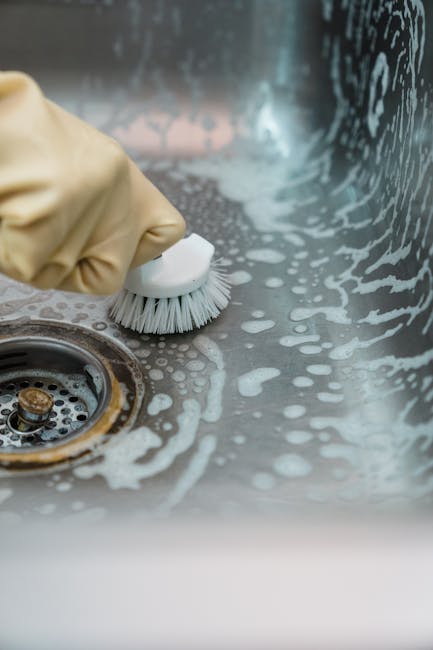
Start by tackling the visible grime and buildup around your sink and faucets. Use a mixture of baking soda and water to create a paste. Apply this to the problem areas and let it sit for a few minutes. Scrub with a soft brush or an old toothbrush to reach tight spots. Don’t forget to clean the faucet aerator, where minerals and debris can accumulate. Rinse thoroughly with warm water to wash away any remaining residue.
Polishing Fixtures
Once your sink and faucets are clean, it’s time to make them shine. Use a microfiber cloth and a few drops of olive oil or specialized metal polish. Gently buff the surfaces until they gleam. This not only enhances the appearance but also adds a protective layer against future dirt and water spots. You’ll be amazed at how this simple step can make your kitchen look more polished and inviting.
Preventing Future Stains
To keep your sink and faucets looking their best, regular maintenance is key. Wipe down surfaces daily with a clean, dry cloth to prevent water spots and mineral deposits. Consider installing a water softener if hard water is an issue, as it can reduce mineral buildup. Ask yourself, what small changes can you make in your daily routine to maintain this newfound cleanliness? By taking these steps, you’ll ensure your kitchen remains a fresh and welcoming space, ready for any culinary adventure.
Maintaining Floors And Walls
Maintaining the floors and walls in your kitchen is essential for a clean and inviting space. These surfaces not only affect the kitchen's look but also its hygiene. Keeping them spotless requires regular care and the right techniques.
Sweeping And Mopping Floors
Sweeping your kitchen floor daily prevents dirt and crumbs from building up. Use a broom or vacuum designed for hard floors to reach corners and under cabinets effectively.
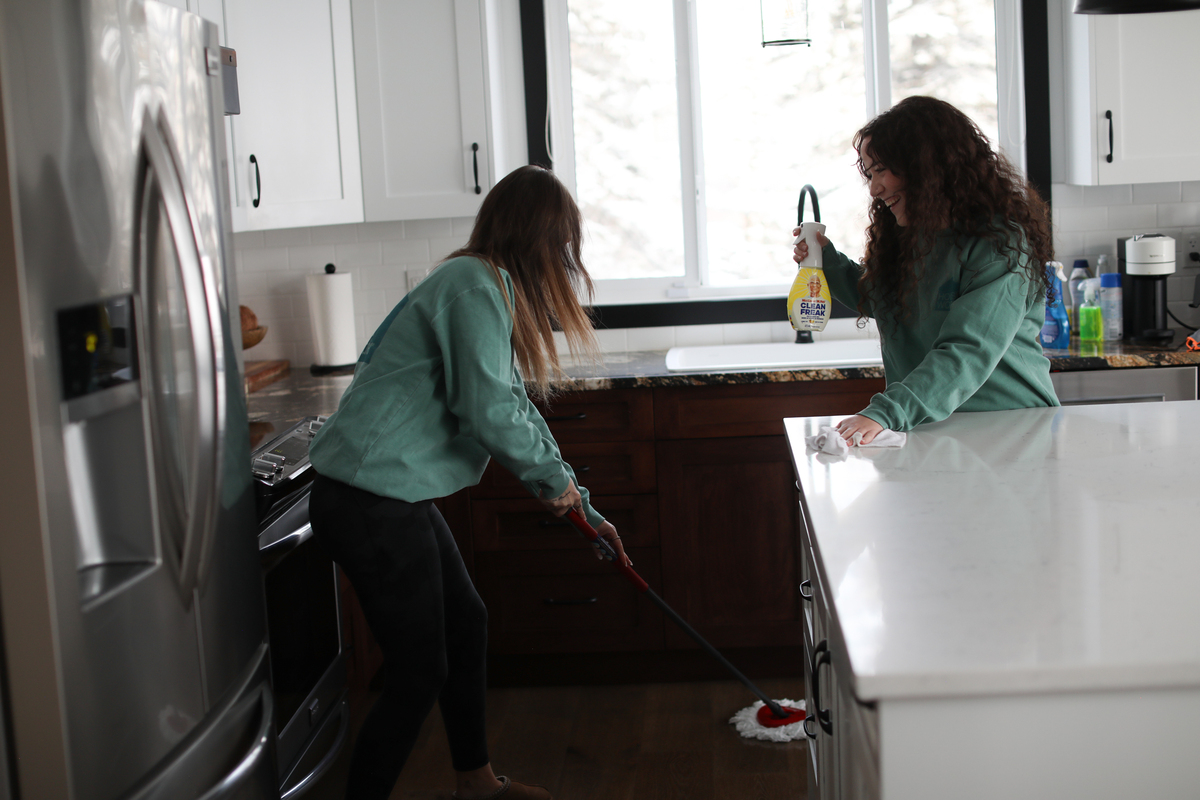
Mopping should follow sweeping to remove sticky residues and stains. A mixture of warm water and mild detergent works well for most flooring types. Avoid soaking the floor; instead, use a damp mop to prevent water damage.
Cleaning Backsplash And Walls
Your backsplash often collects grease and splashes from cooking. Wiping it down with a soft cloth and warm soapy water regularly keeps it fresh. For tile backsplashes, a gentle scrub with a soft brush can clear grime from grout lines.
Walls near cooking areas need attention too. Use a microfiber cloth to wipe down any splatters or stains. If your walls are painted, test cleaning solutions on a small spot first to avoid discoloration.
Handling Stubborn Marks
Some stains on floors or walls won’t budge with regular cleaning. For tough grease spots, try a paste made of baking soda and water; apply, let it sit for 10 minutes, then scrub gently.
Magic erasers can work wonders on scuff marks or crayon stains but use them sparingly as they can remove paint. Always rinse the area with clean water afterward to remove any residue.
Have you noticed marks that just won’t disappear no matter what you try? Sometimes, a bit of patience and the right product make all the difference in restoring your kitchen’s shine.

Credit: www.manchestereveningnews.co.uk
Managing Trash And Recycling
Managing trash and recycling in your kitchen plays a huge role in keeping the space clean and odor-free. It’s not just about tossing garbage away; it’s about creating a system that makes disposal easy and efficient. This way, you avoid messes that pile up and attract pests.
Emptying Bins Regularly
Letting trash sit too long leads to smells and unwanted visitors like ants or fruit flies. Empty your kitchen bins daily or at least every other day to prevent buildup. If you’ve ever forgotten and come back to a stinky kitchen, you know how much difference this small habit makes.
Try setting a reminder on your phone or linking bin-emptying with another daily task, like washing dishes. This keeps the habit consistent without extra effort.
Cleaning Trash Containers
Trash bins themselves can hold onto odors and bacteria. Washing them regularly with warm water and soap helps keep your kitchen hygienic. Add a little baking soda inside the bin to neutralize smells between cleanings.
Don’t forget to dry bins completely before putting liners back in. Moisture encourages mold and mildew, which you definitely want to avoid.
Sorting Recyclables Properly
Sorting your recyclables correctly saves you from contamination issues that can send an entire batch to landfill. Know your local recycling rules—some places accept only certain plastics or require rinsing containers.
Set up separate bins or compartments for paper, plastics, glass, and metals. Labeling them clearly helps everyone in the household participate without confusion.
What small change can you make today to improve your kitchen’s trash and recycling routine? Often, the easiest adjustments have the biggest impact on cleanliness and sustainability.
Daily Habits For A Sparkling Kitchen
Keeping your kitchen sparkling doesn’t require hours of scrubbing each day. Small, consistent daily habits make a huge difference. These simple actions help maintain cleanliness and prevent messes from piling up, making your kitchen a more pleasant space to cook and gather.
Wiping Surfaces After Use
Wiping down countertops, stove tops, and tables right after use stops stains and crumbs from settling in. A quick swipe with a damp cloth or an antibacterial wipe can prevent sticky residues and bacteria buildup. You might be surprised how much easier your weekly deep cleaning feels when you do this daily.
Try keeping a microfiber cloth or disposable wipes handy near your prep area. This makes it more likely you'll clean as you go without interrupting your cooking flow.
Quick Appliance Maintenance
Small daily checks on appliances keep them running smoothly. Emptying the crumb tray of your toaster or wiping the coffee maker after each use prevents grime and odors. Imagine how much time you save by avoiding months of buildup that require heavy scrubbing.
Set a reminder on your phone if you tend to forget these tasks. Appliances in good shape also perform better and last longer, saving you money in the long run.
Regular Decluttering Tips
Clutter can make any kitchen feel chaotic, even if it’s clean. Take a few minutes each day to put away items that don’t belong on the counters. Ask yourself: “Do I really need this out right now?” If not, store it away.
Try a quick sweep through your countertops before bed. This habit not only improves the look of your kitchen but also makes morning routines smoother. Over time, this practice helps you identify items you rarely use and can donate or toss.
Frequently Asked Questions
How Often Should I Clean My Kitchen Thoroughly?
You should clean your kitchen thoroughly at least once a week. This prevents bacteria buildup and keeps surfaces hygienic. Daily wiping of counters and sinks also helps maintain cleanliness and reduces the need for deep cleaning.
What Are The Best Products For Kitchen Cleaning?
Use mild dish soap, baking soda, and vinegar for effective kitchen cleaning. These are safe, affordable, and environmentally friendly. Avoid harsh chemicals to protect surfaces and improve indoor air quality.
How Can I Prevent Mold In The Kitchen?
Keep your kitchen dry and well-ventilated to prevent mold. Wipe spills immediately and fix leaks promptly. Regularly clean areas prone to moisture like sinks and under appliances.
What Is The Easiest Way To Clean Kitchen Appliances?
Unplug appliances before cleaning. Use a damp cloth with mild detergent for exteriors. For interiors, refer to manufacturer guidelines. Regular wiping prevents grime buildup and extends appliance life.
Conclusion
Cleaning the kitchen keeps your space safe and fresh. A tidy kitchen helps you cook with ease. Regular cleaning stops germs from spreading. Small daily habits make a big difference. Clean counters, sinks, and floors often. A clean kitchen feels welcoming and neat.
Stick to simple steps for good results. Your kitchen will look and smell better. Keep cleaning regular to enjoy these benefits. A clean kitchen supports a healthy home.