
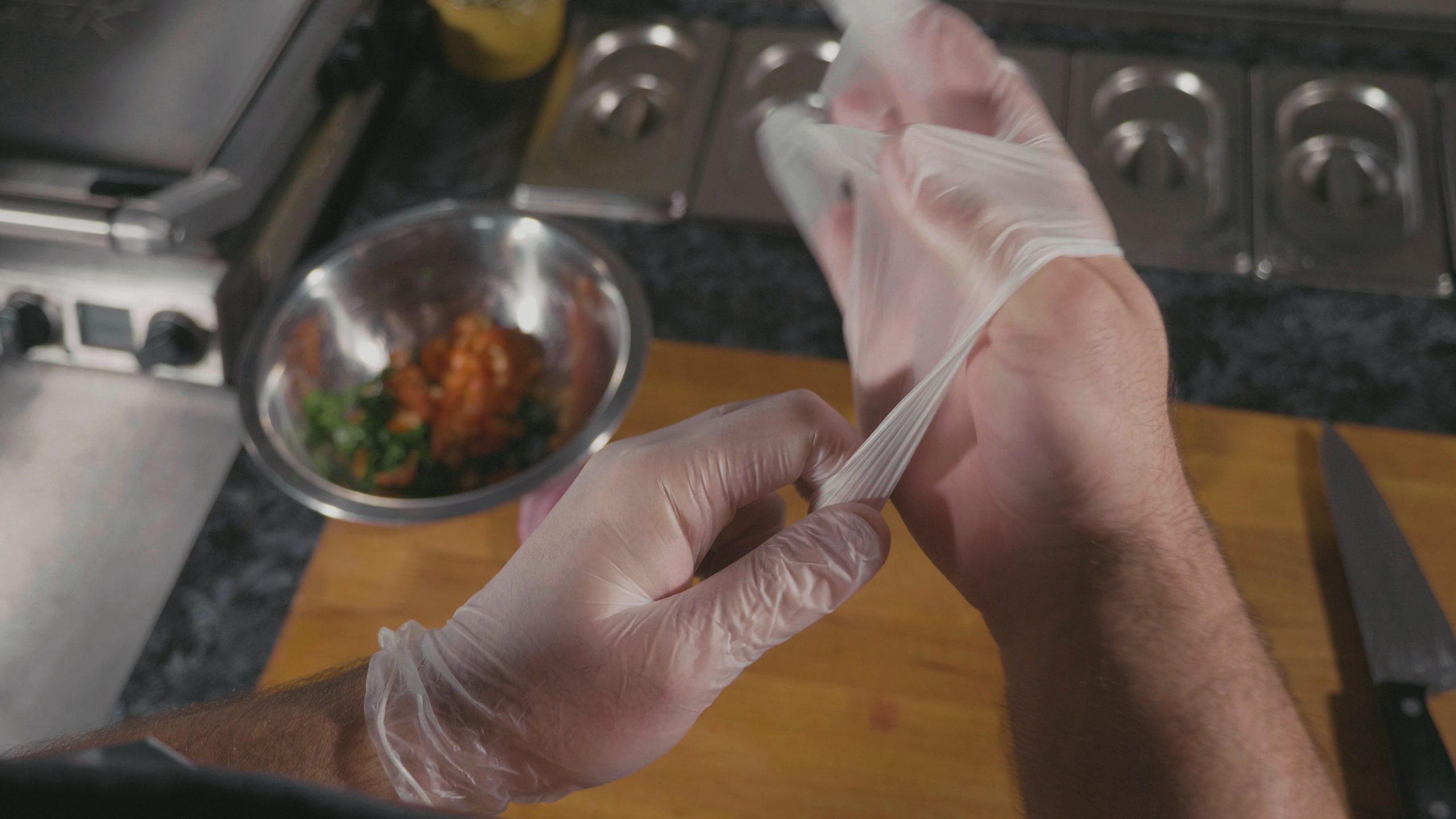
Are you sure you know when to wear gloves in the kitchen? It might seem simple, but using gloves at the right time can protect you and everyone you’re cooking for.
Wearing gloves at the wrong moment can even cause more harm than good. You’ll discover exactly when gloves are a must and when they’re just an extra layer you don’t need. Keep reading to make your kitchen safer and your meals healthier.
Credit: www.performancefoodservice.com
Types Of Kitchen Gloves
Kitchen gloves protect hands from many kitchen hazards. Different gloves serve different purposes. Choosing the right type keeps hands safe and food clean. Here are the main types of kitchen gloves to know.
Disposable Gloves
Disposable gloves are thin and usually made from latex, vinyl, or nitrile. They protect hands from germs and cross-contamination. These gloves are perfect for handling raw meat or cleaning. Use them once and throw them away to keep hygiene high.
Heat-resistant Gloves
Heat-resistant gloves protect hands from hot surfaces like ovens or grills. They are thicker and made from materials like silicone or aramid fibers. These gloves allow safe handling of hot pots, pans, and trays. They help prevent burns during cooking or baking.
Cut-resistant Gloves
Cut-resistant gloves protect hands from sharp knives and tools. They are made from strong fibers like Kevlar or metal mesh. These gloves reduce the risk of cuts while chopping or slicing. Use them to keep your hands safe during food prep.

Credit: www.goodhousekeeping.com
Situations Requiring Gloves
Wearing gloves in the kitchen keeps food safe and prevents contamination. Gloves create a barrier between hands and food. This barrier stops germs and bacteria from spreading. Certain tasks require gloves to protect both food and the cook. Understanding these situations helps maintain hygiene and avoid foodborne illnesses.
Handling Raw Meat And Seafood
Gloves protect against harmful bacteria found in raw meat and seafood. These foods often carry germs that can cause illness. Wearing gloves stops cross-contamination to other foods or surfaces. Always change gloves after touching raw products. This practice keeps the kitchen clean and safe.
Preparing Ready-to-eat Foods
Ready-to-eat foods do not need cooking to kill germs. Gloves prevent transferring bacteria from hands to these foods. Use gloves when handling salads, sandwiches, or fruit. This step reduces the risk of food poisoning. Changing gloves often is important in this process.
Dealing With Allergens
Gloves help avoid allergen contamination in the kitchen. They prevent allergen particles from sticking to hands. Use gloves when handling peanuts, gluten, or other allergens. This protects people with food allergies from reactions. Change gloves to keep allergens separate and safe.
Cleaning And Dishwashing
Gloves shield skin from harsh cleaning chemicals. They also stop germs from spreading during dishwashing. Wearing gloves protects hands from hot water and detergents. Use gloves to keep hands healthy and safe. Always remove gloves after cleaning tasks to avoid contamination.
Proper Glove Usage
Proper glove usage in the kitchen is essential for food safety and hygiene. Gloves protect food from germs on hands and reduce contamination risks. Using gloves correctly helps maintain clean and safe food preparation areas.
Choosing The Right Size
Gloves must fit well to work properly. Too tight gloves can tear easily. Too loose gloves can slip off or reduce hand control. Choose gloves that fit snugly without being uncomfortable. Proper fit helps keep hands safe and tasks easy.
Changing Gloves Frequently
Gloves should be changed often during food prep. Change gloves after handling raw meat or fish. Also change gloves after touching garbage or cleaning tools. Wearing the same gloves too long spreads bacteria. Frequent changes keep food and surfaces clean.
Avoiding Cross-contamination
Cross-contamination happens when germs spread from one food to another. Gloves can carry germs if not used carefully. Do not touch different foods without changing gloves. Avoid touching your face, phone, or surfaces while wearing gloves. Proper glove use stops germs from spreading in the kitchen.
:max_bytes(150000):strip_icc()/9ThingsYouShouldCleaninYourKitchenEveryWeek-28c9ca430069452181b75b201c65d16e.jpg)
Credit: www.eatingwell.com
When Gloves Are Not Necessary
Gloves might seem like a kitchen staple, but there are many times when you don’t actually need to wear them. Understanding when gloves aren’t necessary can help you work more efficiently and avoid the false sense of security they sometimes create.
Washing Hands Instead
Good hand hygiene often beats wearing gloves. Washing your hands thoroughly with soap and warm water removes germs just as effectively as gloves do. Plus, clean hands allow you to handle different tasks without the hassle of changing gloves constantly.
I remember rushing through meal prep and skipping gloves, but I never skipped washing my hands. It kept things safe and saved me time. Ask yourself: are you really protecting your food, or just adding extra steps?
Handling Non-hazardous Foods
Not every food requires gloves. When dealing with whole fruits, vegetables, or dry ingredients like flour or sugar, gloves are usually unnecessary. These items don’t carry the same risk of contamination as raw meat or seafood.
Think about peeling an orange or mixing dry spices. Washing your hands before and after is enough to keep things clean. Wearing gloves here might feel like overkill and could even reduce your grip and control.
Maintaining Hand Hygiene
Maintaining hand hygiene is crucial in any kitchen setting. Your hands come into contact with various surfaces, ingredients, and tools, making them a common source of contamination. Wearing gloves can help, but clean hands are the first and most important step to keep your food safe and healthy.
Handwashing Techniques
Proper handwashing is more than just rinsing your hands quickly under water. You need to use warm water and soap, scrubbing all parts of your hands for at least 20 seconds. Don’t forget areas like between your fingers, under your nails, and your wrists.
Rinse thoroughly to remove all soap and germs. Dry your hands with a clean towel or air dryer. Have you ever noticed how often people skip washing their hands after touching raw meat or dirty surfaces? Taking the extra time to wash properly can prevent cross-contamination and foodborne illnesses.
Using Sanitizers Safely
Hand sanitizers can be a helpful backup when soap and water aren’t available. Choose a sanitizer with at least 60% alcohol content for it to be effective. Apply enough to cover your entire hand and rub until dry.
Remember, sanitizers don’t remove dirt or grease well. If your hands are visibly dirty, wash them first. Using sanitizer alone isn’t enough when handling food, so rely on it as a supplement, not a replacement.
Common Mistakes With Gloves
Wearing gloves in the kitchen is important during food handling to avoid cross-contamination. Mistakes occur when gloves are worn too long or not changed between tasks. Clean hands and proper glove use help keep food safe.
In the kitchen, gloves are a crucial component of food safety, but improper use can lead to contamination. Even the most experienced cooks can make mistakes with gloves that compromise hygiene. Recognizing these errors can help you maintain a cleaner, safer kitchen environment.
Reusing Disposable Gloves
You might think you're saving time or resources by reusing disposable gloves. However, this can lead to cross-contamination. Once gloves touch raw meat or seafood, they need to be discarded. Imagine handling raw chicken, then switching to preparing a salad with the same gloves—bacteria can easily transfer.
Ignoring Glove Damage
It's easy to overlook small tears or holes in gloves, especially when you're in the middle of preparing a meal. Even minor damage can allow contaminants to seep through. Regularly check your gloves for damage and replace them immediately if they're compromised. You wouldn't want to spoil a dish due to a simple oversight.
Touching Non-food Surfaces
Have you ever caught yourself adjusting your glasses or answering a phone call with gloves on? This habit is more common than you might think. Touching surfaces like phones, door handles, or even your face while wearing gloves can introduce new germs to your hands. Be mindful of what you're touching and change gloves after any non-food contact. Avoiding these common mistakes is key to maintaining a hygienic kitchen. Are there any glove habits you might reconsider after reading this?
Frequently Asked Questions
When Should You Wear Gloves In A Kitchen?
Wear gloves when handling ready-to-eat foods, raw meat, or cleaning chemicals. Gloves prevent cross-contamination and protect hands from harmful substances. Always change gloves between tasks to maintain hygiene and food safety.
Can Gloves Prevent Food Contamination?
Yes, gloves create a barrier against bacteria and contaminants. Proper glove use reduces the risk of spreading germs. However, gloves must be changed frequently and hands should still be washed regularly.
Are Gloves Necessary When Handling Raw Meat?
Gloves are recommended when handling raw meat to avoid cross-contamination. They protect both food and skin from harmful bacteria. Always discard gloves after use and wash hands thoroughly.
How Often Should Kitchen Gloves Be Changed?
Change gloves between tasks, after handling raw foods, or when torn. Frequent glove changes prevent bacteria transfer and maintain hygiene. Do not reuse disposable gloves under any circumstances.
Conclusion
Wearing gloves in the kitchen helps keep food safe and clean. Use gloves when handling ready-to-eat foods or raw meat. Change gloves often to stop germs from spreading. Gloves do not replace washing hands, so wash hands well. Stay aware of when gloves protect you and others.
Keeping these tips in mind makes kitchen work safer. Safe food means happy and healthy people. Gloves are a simple tool for better kitchen hygiene.