

Have you ever wondered where kitchen mats should go to make your cooking space more comfortable and safe? You might have a few mats lying around, but placing them in the right spots can change the way you work in your kitchen.
Imagine standing on a soft, cushioned mat that eases the strain on your feet while you chop, stir, or wash dishes. You’ll discover the best places to put your kitchen mats, why their placement matters, and how the right mat can improve your daily kitchen experience.
Keep reading to find out how a simple change can make a big difference in your kitchen comfort and safety.
Choosing The Right Kitchen Mats
Choosing the right kitchen mats improves comfort and safety. The right mat protects your floors and supports your feet. Consider several factors to pick mats that fit your kitchen style and needs. Focus on types, materials, and size to find the perfect match.
Types Of Kitchen Mats
- Anti-fatigue mats reduce foot and leg strain during long cooking sessions.
- Water-absorbent mats help keep floors dry near sinks.
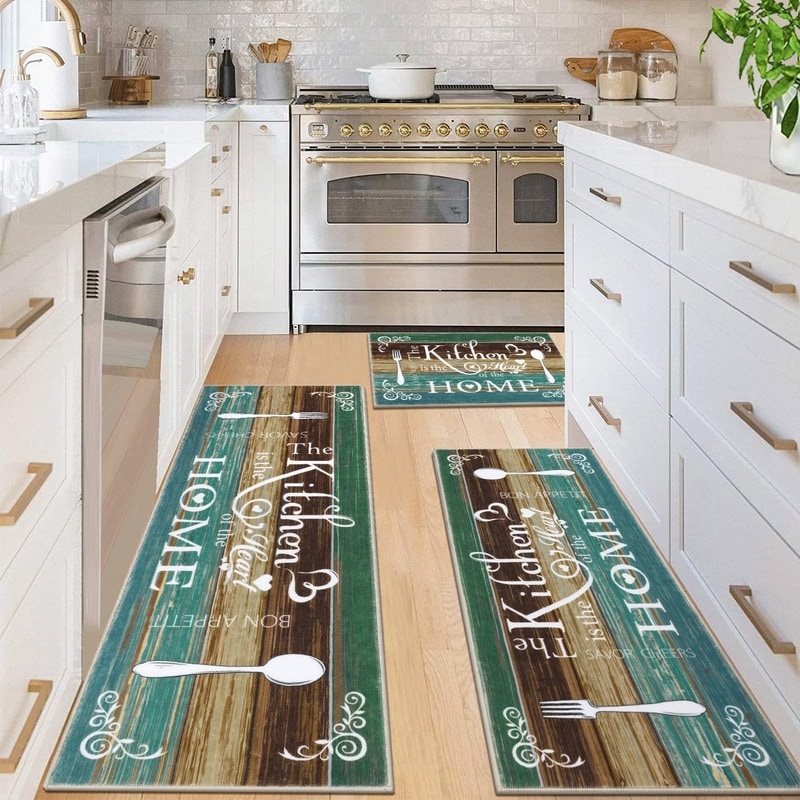
- Decorative mats add style and color to your kitchen space.
- Non-slip mats increase safety by preventing slips and falls.
Material Considerations
- Foam mats offer soft cushioning but may wear out quickly.
- Rubber mats provide excellent grip and durability.
- Gel mats combine comfort with support for long standing periods.
- Fabric mats add warmth and style but need frequent cleaning.
Size And Shape Options
Choose mats that fit the space well. Small mats work best in front of sinks and stoves. Larger mats cover more floor area, ideal for open kitchen floors. Shapes vary from rectangles to runners, matching kitchen layouts and traffic flow.
Ideal Spots For Kitchen Mats
Place kitchen mats near the sink to catch water spills and reduce slipping. Another good spot is in front of the stove to protect the floor from hot spills and grease. These areas help keep your kitchen safe and clean.
Ideal Spots for Kitchen Mats Finding the perfect spots for kitchen mats can transform your cooking space into a more comfortable and efficient area. The right placement not only enhances the aesthetics of your kitchen but also provides comfort and safety. Let's explore the ideal locations to place your kitchen mats.
In Front Of The Sink
Placing a mat in front of the sink is a practical choice. This area often sees the most activity as you wash dishes and prepare food. A cushioned mat can reduce fatigue on your legs and back, making chores more pleasant. Have you ever noticed how water tends to splash around the sink area? A mat here can help absorb spills and prevent slips. Choose a water-resistant mat for easy cleaning and durability.
Near The Stove
Cooking can be a long and tiring process, especially if you're standing for extended periods. Positioning a mat near the stove can provide much-needed comfort. Imagine preparing a big family dinner without the strain on your feet! Safety is also a key factor here. A mat can catch any oil or food that might fall, keeping the floor clean and reducing the risk of slipping.
By The Refrigerator
Refrigerators are frequent stop points in the kitchen. Having a mat by the fridge can make those quick trips more comfortable. Plus, it adds a touch of warmth to the cold, hard floor, especially during winter. Consider a non-slip mat to ensure safety, as this area can sometimes become a high-traffic zone. If you have kids running around, you'll appreciate the added grip!
Along Walkways
Kitchen walkways are often overlooked, yet they connect various work zones. A mat along these paths can enhance the flow and comfort of your kitchen. Think about how you move around while cooking. Do you often walk from the counter to the dining table? Placing a mat here can make each step cushier and more pleasant. Plus, it can visually define the walking space, adding to the kitchen's overall aesthetic.
Placement Tips For Safety And Comfort
Proper placement of kitchen mats enhances both safety and comfort in your cooking space. Choosing the right spot reduces accidents and supports your body during long cooking sessions. Knowing where to place mats helps keep your kitchen clean and organized.
Preventing Slips And Falls
Place mats near sinks and stove areas where spills often happen. Choose mats with non-slip backing to keep them steady on smooth floors. Avoid placing mats on uneven surfaces to prevent tripping hazards. Regularly check mats for wear and replace if they lose grip.
Ergonomic Benefits
Stand on cushioned mats to reduce stress on feet and legs. Position mats where you spend most time standing, like in front of the sink or stove. This support helps reduce fatigue and discomfort during meal prep. Soft mats promote better posture by encouraging small movements.
Maintaining Cleanliness
Place mats in high-traffic zones to catch dirt and crumbs. Use mats that are easy to clean and water-resistant. Remove mats regularly to clean underneath and prevent mold or bacteria buildup. Having mats in key spots helps keep your kitchen floor spotless.

Credit: mymatterly.com
Decorating With Kitchen Mats
Decorating with kitchen mats is more than just adding comfort underfoot. It’s about enhancing your kitchen’s look while making the space feel welcoming and personal. The right kitchen mat can tie together colors, patterns, and styles, giving your kitchen a fresh, polished appearance.
Color Coordination
Choosing the right color for your kitchen mat can change the entire vibe of the room. Look at your kitchen’s main colors—walls, cabinets, and appliances—and pick a mat that either matches or contrasts nicely. A bright mat can add a pop of color to neutral kitchens, while a subtle shade works well in already colorful spaces.
Think about how the mat’s color will look when it gets wet or dirty. Darker colors hide stains better, which is practical in a high-traffic area like the kitchen. Have you noticed how a well-chosen color can make your kitchen feel bigger or cozier?
Pattern Choices
Patterns on kitchen mats offer a chance to show personality and style. Stripes and geometric shapes bring a modern feel, while floral or vintage prints add charm. If your kitchen has busy countertops or backsplash, a simple pattern on the mat can balance the look.
Don’t be afraid to mix patterns, but keep it subtle. A small, repeating pattern on the mat can complement larger prints elsewhere without clashing. What pattern makes you smile every time you see it?
Complementing Kitchen Style
Your kitchen mat should reflect and enhance your kitchen’s style, not fight against it. In a rustic kitchen, a woven or natural fiber mat fits perfectly. For sleek, contemporary kitchens, look for mats with clean lines and minimal designs.
Think about texture too. Soft, cushioned mats add warmth to cold, tiled floors, while rubber-backed mats offer practicality in busy kitchens. How does your current kitchen style influence the type of mat you choose?
Maintaining And Cleaning Kitchen Mats
Maintaining and cleaning kitchen mats keeps them safe and fresh. Regular care helps mats last longer and stay attractive. Dirt, spills, and food particles can build up quickly. Proper cleaning stops germs and odors from forming. Follow these easy steps to care for your kitchen mats.
Routine Cleaning Tips
- Shake mats outside to remove loose dirt.
- Vacuum mats to catch smaller dust and crumbs.
- Wipe mats with a damp cloth for daily spills.
- Use mild soap and warm water for deeper cleaning.
- Allow mats to air dry fully before placing back.
Dealing With Stains
Treat stains quickly to prevent permanent marks. Blot spills immediately using a clean cloth. Avoid rubbing, which can spread the stain. Use a gentle cleaner designed for fabric or rubber mats. Test cleaning products on a small area first. For tough stains, a soft brush helps lift dirt gently.
When To Replace Mats
- Look for signs of wear like tears or holes.
- If mats lose grip, they may become unsafe.
- Persistent stains or odors signal replacement time.
- Thin or flattened mats no longer provide comfort.
- Replace mats every 1-2 years for best hygiene.

Credit: mymatterly.com
Credit: www.bedbathandbeyond.com
Frequently Asked Questions
Where Should Kitchen Mats Be Placed?
Kitchen mats are best placed in front of the sink, stove, or food prep areas. This placement provides comfort and protects floors from spills and fatigue.
Can Kitchen Mats Protect Flooring From Spills?
Yes, kitchen mats help protect floors by absorbing spills and preventing water damage. They also reduce slipping hazards in wet areas.
Are Kitchen Mats Useful For Reducing Fatigue?
Absolutely. Kitchen mats with cushioning reduce strain on feet and legs during long cooking sessions. This improves comfort and prevents fatigue.
What Types Of Kitchen Mats Are Ideal?
Anti-fatigue and non-slip mats are ideal. Choose mats made of durable, easy-to-clean materials to ensure safety and longevity in the kitchen.
Conclusion
Kitchen mats fit best where you stand the most. Place them near the sink or stove for comfort. They protect your floor from spills and slips. Mats also add a cozy touch to your kitchen space. Choose sizes that match your kitchen layout well.
Clean them regularly to keep your kitchen fresh. A well-placed mat makes cooking and cleaning easier. Small changes like these improve your kitchen’s feel. Simple, useful, and smart—kitchen mats belong where you need support.