
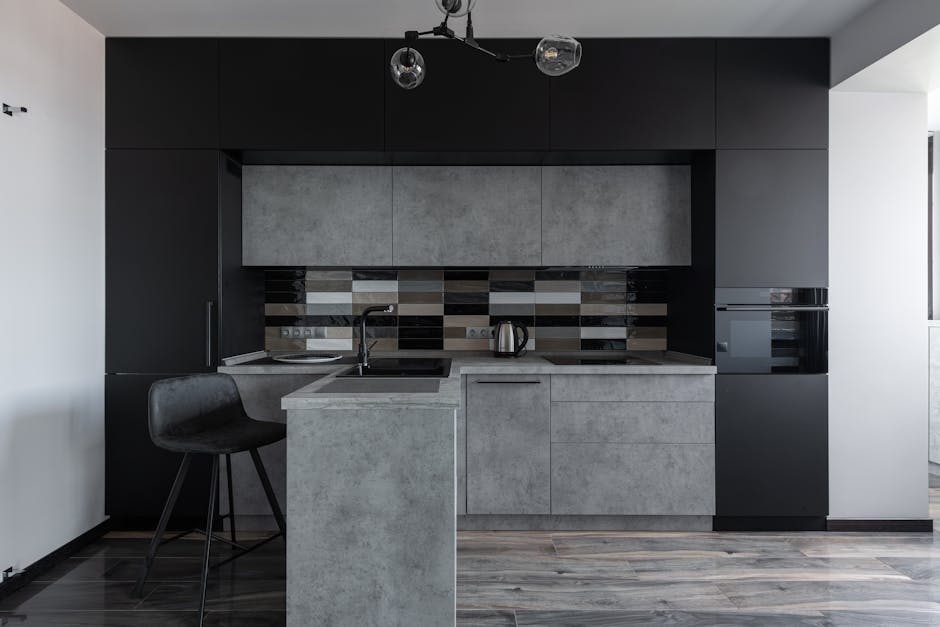
Where should a dishwasher be placed in your kitchen to make your daily routine easier? The right spot can save you time, reduce mess, and keep your kitchen running smoothly.
You want a setup that feels natural, so loading and unloading dishes doesn’t become a chore. You’ll discover simple tips and smart ideas to find the perfect place for your dishwasher. By the end, you’ll know exactly how to arrange your kitchen for maximum convenience and efficiency.
Keep reading to transform your kitchen into a space that works for you!
Ideal Dishwasher Locations
Choosing the right spot for a dishwasher helps make kitchen work easier. The placement affects convenience, plumbing, and space use. Ideal locations combine function and comfort. Below are common, practical places for dishwashers.
Next To The Sink
Placing the dishwasher next to the sink is very practical. It allows quick rinsing and loading of dishes. Plumbing connections are simpler and cheaper here. This spot saves time and reduces water spills on the floor. It also helps keep the kitchen clean and tidy.
Near The Cabinets
Locating the dishwasher near cabinets makes unloading easy. Plates, glasses, and utensils are close by for quick storage. This setup reduces walking distance and saves effort. It keeps kitchen flow smooth during busy cooking times. Cabinets nearby also provide extra space for dish detergent and tools.
Under The Countertop
Installing the dishwasher under the countertop saves space and looks neat. It fits well with other appliances for a uniform kitchen design. This placement keeps the dishwasher out of the way yet accessible. The countertop above can be used for food prep or storing items. This option is common in modern kitchens.
Factors Affecting Placement
Choosing the right spot for a dishwasher is important for kitchen flow and function. Several factors influence where it fits best. These elements ensure the dishwasher works well and blends with your kitchen design.
Plumbing Access
A dishwasher needs to connect to water and drainage pipes. Placing it near the sink reduces plumbing work and cost. Short water lines prevent leaks and improve efficiency. Easy access to plumbing also helps with repairs and maintenance.
Electrical Connections
The dishwasher requires a power source to operate safely. It should be near an electrical outlet designed for kitchen appliances. This location keeps cords hidden and prevents hazards. Proper electrical connections avoid overloads and ensure smooth operation.
Kitchen Layout
The dishwasher’s position affects kitchen workflow. Placing it close to the sink and cabinets makes loading and unloading easier. It should not block walkways or work areas. The layout should support smooth movement during cooking and cleaning.
Space And Size Considerations
Choosing a spot with enough room ensures easy dishwasher use and maintenance. Placement near the sink saves time and keeps the kitchen workflow smooth. Consider kitchen layout to avoid blocking doors or walkways.
Having a dishwasher in your kitchen is a game-changer, but choosing the right spot for it requires careful consideration of space and size. The position of your dishwasher can influence not only the functionality of your kitchen but also its aesthetic appeal. Let's delve into the key factors that will help you make the most informed choice.
Standard Dishwasher Dimensions
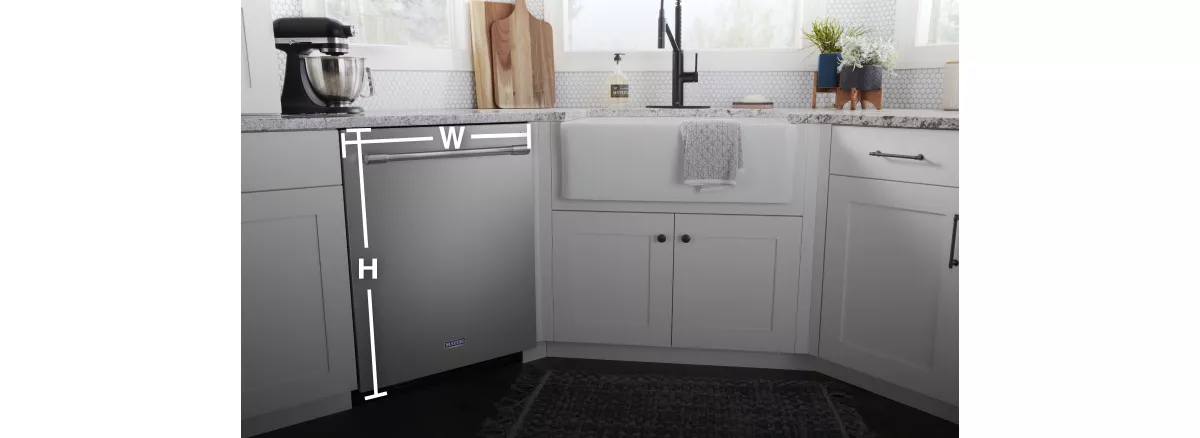
When planning your kitchen layout, it’s essential to know the standard dimensions of a dishwasher. Most full-sized dishwashers are approximately 24 inches wide, 24 inches deep, and 35 inches high. This size fits snugly under a standard kitchen counter, aligning seamlessly with your cabinetry. Imagine your kitchen as a puzzle, and the dishwasher as a piece that needs to fit perfectly. Does your space accommodate these dimensions without disrupting the flow? Measuring your available space before purchasing can save you from potential headaches down the line.
Compact Dishwasher Options
Not every kitchen has the luxury of space for a full-sized dishwasher. Compact models, which typically measure about 18 inches wide, offer a great solution. These are perfect for smaller kitchens, studio apartments, or even as a secondary dishwasher. Have you considered how a compact dishwasher could enhance your kitchen’s functionality? They offer the same cleaning efficiency, often with innovative features, yet take up significantly less room. This allows you to maximize space without compromising on convenience.
Clearance And Door Swing
Ensuring there is adequate clearance for the door to swing open is crucial. A dishwasher door typically requires about 27 inches of clearance from the front of the unit. This space allows you to load and unload dishes comfortably. Think about how often you’ll be opening and closing the dishwasher. Can you do it without bumping into cabinets, walls, or other appliances? Visualize your daily kitchen routine to ensure that the door swing doesn’t become a hindrance. By carefully considering space and size, you can seamlessly integrate a dishwasher into your kitchen, enhancing both functionality and style. How will your kitchen accommodate this essential appliance?
Credit: www.maytag.ca
Workflow And Efficiency
Placing a dishwasher in the right spot improves kitchen workflow and efficiency. It helps save time and reduces effort during meal prep and cleanup. A well-placed dishwasher fits smoothly into daily kitchen tasks. It supports easy movement and keeps the kitchen organized.
Proximity To Prep Areas
Keep the dishwasher near food prep zones. It allows quick transfer of used utensils and dishes. Cleaning up as you cook becomes easier. This placement stops dirty dishes from piling up in the sink or counters.
Ease Of Loading And Unloading
Place the dishwasher where loading and unloading feel natural. Close to cabinets for storing clean dishes is best. Avoid spots that block kitchen walkways. This arrangement reduces bending and carrying heavy loads far.
Integration With Kitchen Zones
Think about kitchen zones when placing your dishwasher. It should link well with cooking, cleaning, and storage areas. This setup helps keep tasks in order and kitchen flow smooth. A good zone layout cuts down walking and clutter.
Aesthetic And Design Choices
Choosing where to place your dishwasher isn't just about convenience; it’s a key part of your kitchen’s overall look. The aesthetic and design choices you make can either blend the dishwasher seamlessly into your space or make it stand out as a bold statement. Think about how your dishwasher fits with your kitchen’s style and what impression you want to leave on guests.
Built-in Vs Portable
Built-in dishwashers are designed to fit flush with your cabinetry, creating a sleek and unified appearance. They often feel like a permanent part of your kitchen, which can increase your home’s value and appeal.
Portable dishwashers, on the other hand, offer flexibility but can disrupt the flow of your kitchen’s design. They’re great if you need to save space or want a temporary solution, but they might not look as polished as built-in models.
Ask yourself: Do you want your dishwasher to blend in or stand apart? Your answer will help you decide between built-in and portable options.
Matching Cabinetry
Matching your dishwasher’s front panel to your cabinetry can make a big difference in how your kitchen feels. A dishwasher with a matching door panel can almost disappear, making your kitchen look larger and more cohesive.
Consider the color, material, and style of your cabinets when choosing your dishwasher. Even small details like the finish and handle style can either enhance or clash with your kitchen’s design.
Have you noticed how some kitchens feel so harmonious? Often, it’s because the appliances don’t fight for attention but complement the surrounding elements.
Hidden Panels And Finishes
Hidden panels are a clever way to keep your dishwasher out of sight while maintaining full functionality. These panels attach directly to the dishwasher door, matching your kitchen’s cabinetry perfectly.
Finishes like stainless steel are popular for a modern look, but they can show fingerprints and smudges easily. Matte finishes or custom panels can reduce maintenance and keep your kitchen looking fresh.
Think about how often you want to clean your dishwasher’s exterior. Does a fingerprint magnet suit your lifestyle, or would you prefer something more forgiving?

Credit: www.reddit.com
Common Placement Mistakes
Placing a dishwasher in the wrong spot can cause many problems in the kitchen. It can lead to plumbing issues, make the kitchen crowded, or cause bad smells. These common placement mistakes reduce convenience and increase repair costs. Avoiding them helps keep your kitchen smooth and efficient.
Too Far From Water Source
Putting the dishwasher far from the water supply causes long plumbing runs. This can lead to leaks or water pressure problems. It also raises installation costs. A dishwasher close to the water source ensures faster filling and less chance of leaks.
Blocking Traffic Flow
Placing the dishwasher in a busy walkway blocks movement during cooking. It creates tight spaces that make carrying dishes hard. A dishwasher door left open can cause accidents or falls. Position it where it does not interrupt daily kitchen tasks.
Ignoring Ventilation Needs
Dishwashers need proper airflow to avoid moisture build-up. Poor ventilation causes mold and bad odors. It also shortens the dishwasher’s life. Leave enough space around the appliance for air to circulate freely.
Special Kitchen Types
Special kitchen types require unique dishwasher placement to maximize space and efficiency. Each kitchen style has different needs and layouts. Choosing the right spot for your dishwasher can improve workflow and keep the kitchen looking tidy.
Small Kitchens
Space is limited in small kitchens. Place the dishwasher close to the sink to make loading easy. A compact or slimline model works best to save room. Consider built-in dishwashers under the counter to free up floor space. Keep the dishwasher door from blocking walkways when open.
Open Plan Kitchens
Open plan kitchens blend cooking and living areas. Position the dishwasher near the sink but away from seating zones. Noise can carry, so choose a quiet model. Integrate the dishwasher with cabinetry for a seamless look. This keeps the kitchen stylish and functional.
Commercial Style Kitchens
Commercial kitchens need heavy-duty dishwashers for fast cleaning. Place the dishwasher near prep and cooking areas for easy access. Use industrial-grade machines to handle large loads. Ensure there is space for drying racks and storage nearby. The layout should support a smooth workflow for busy kitchens.

Credit: www.youtube.com
Frequently Asked Questions
Where Is The Best Spot For A Dishwasher In A Kitchen?
The best spot for a dishwasher is near the sink. This placement simplifies plumbing connections and makes loading easier. It also helps with efficient water drainage and reduces mess during dishwashing tasks.
Can A Dishwasher Be Placed Far From The Sink?
Placing a dishwasher far from the sink is not ideal. It complicates plumbing and drainage, increasing installation costs. It also makes loading dishes less convenient and can lead to water leakage or inefficient cleaning.
Should A Dishwasher Be Near The Kitchen Countertop?
Yes, placing a dishwasher near the countertop is practical. It allows easy transfer of dishes from the prep area to the dishwasher. This setup speeds up kitchen tasks and maintains a clean, organized workspace.
How Close Should A Dishwasher Be To The Kitchen Sink?
A dishwasher should be within a few feet of the sink. This proximity ensures easier plumbing installation and quick rinsing before loading. It also minimizes water spills and keeps the kitchen tidy during dishwashing.
Conclusion
Choosing the right spot for your dishwasher improves kitchen flow. Place it near the sink for easy loading and rinsing. Keep it close to cabinets where you store dishes. This saves time and reduces mess while cleaning. Think about your kitchen’s shape and daily routines too.
Small changes can make your kitchen work better. A well-placed dishwasher helps keep your space neat and tidy. Simple steps lead to a more comfortable kitchen experience.