
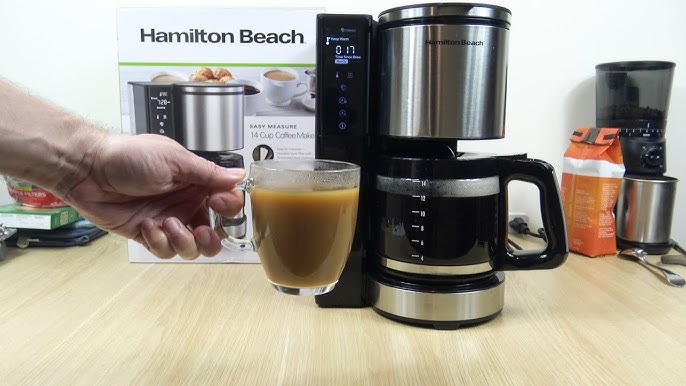
Where should your coffee maker go in the kitchen? It might seem like a simple question, but the answer can change your daily routine and even your kitchen’s flow.
Imagine waking up and reaching effortlessly for your morning coffee, without any hassle or clutter. Placing your coffee maker in the right spot can save you time, reduce mess, and make your kitchen feel more organized. You’ll discover the best places to set up your coffee maker, so every cup you brew starts your day just right.
Keep reading, and you’ll learn how to create a coffee corner that works perfectly for you.

Credit: www.thecoolist.com
Choosing The Right Spot
Choosing the right spot for your coffee maker can transform your morning routine. It’s not just about finding an empty corner; it’s about making your kitchen work better for you. The perfect location balances convenience, space, and how you move around in your kitchen.
Consider Kitchen Layout
Think about the shape and flow of your kitchen. Is it a galley, L-shaped, or open concept? Placing your coffee maker near an electrical outlet but away from the sink reduces clutter and water risk.
Imagine having your coffee maker right next to where you store mugs or near the breakfast nook. Wouldn’t that make your mornings smoother? Your kitchen’s layout should guide you to a spot that feels natural and easy to access.
Evaluate Counter Space
Look at how much free counter space you have and how much the coffee maker will take up. If your counters are tight, consider a compact model or a designated coffee station. This way, your workspace stays clear for cooking and prep.
Remember, the coffee maker needs room for water refills, coffee pods or grounds, and cleaning supplies. Do you have a corner or a less-used area that could become your coffee zone? Sometimes, a small dedicated space can prevent a big mess.
Think About Workflow
How do you move through your kitchen during busy mornings? Your coffee maker should fit into your daily flow without causing traffic jams. Place it where you naturally pause or prepare breakfast.
Picture grabbing your coffee right after you pour your cereal or toast your bread—does your current setup allow that? Position your coffee maker near your breakfast essentials and away from high-traffic zones to keep things efficient and enjoyable.
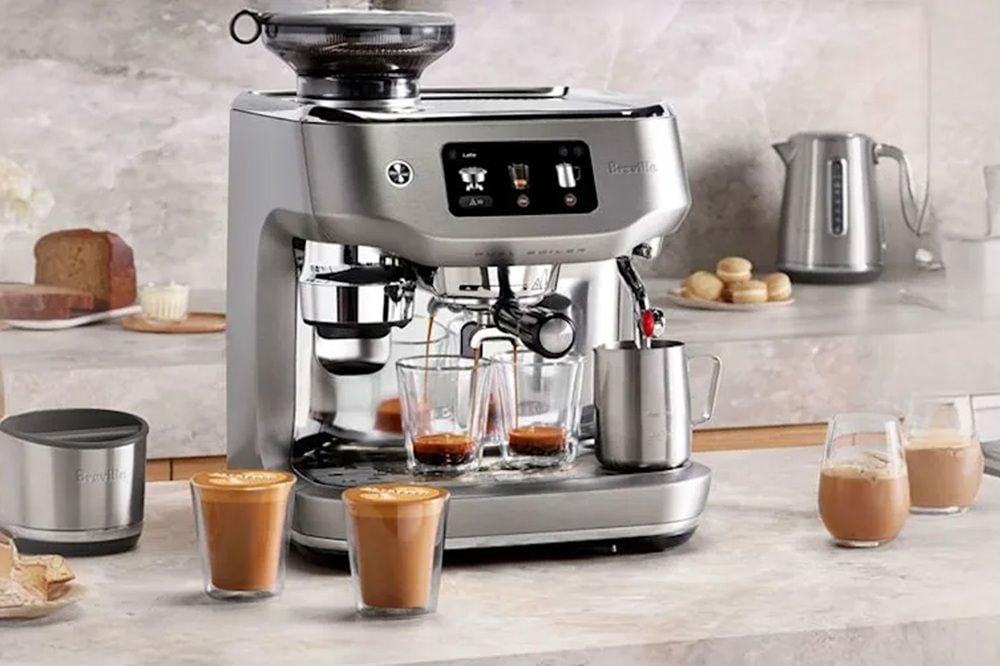
Credit: www.businessnewsaustralia.com
Near The Water Source
Placing your coffee maker near a water source in the kitchen can change your morning routine for the better. It’s all about easy access and making sure you don’t have to juggle containers or walk back and forth with water. Let’s look at why this spot might be the best fit for your coffee setup.
Benefits Of Proximity To Sink
Having your coffee maker close to the sink means you can fill the reservoir quickly without spilling water on your counters. It reduces the chance of drips and messes, which keeps your kitchen cleaner. Plus, it saves time—no need to carry a heavy water container across the room.
Think about the times you’ve had to refill the water tank while half-asleep. Wouldn’t it be easier if the sink was just a step away? This simple change can make your coffee prep feel less like a chore and more like a smooth start to your day.
Water Access And Convenience
Easy water access means less hassle in the mornings. You won’t have to worry about searching for a pitcher or finding a place to fill up your coffee maker. This setup also makes cleaning the machine simpler since you can rinse parts right at the sink.
Imagine not having to move your coffee maker just to empty or clean it. This convenience might encourage you to maintain your machine more often, leading to better-tasting coffee and a longer-lasting appliance.
Close To Power Outlets
Place the coffee maker near power outlets for easy access and safety. Avoid using long extension cords that can cause clutter or hazards. This keeps your kitchen tidy and your coffee maker ready to use.
Placing your coffee maker close to power outlets is a smart move that can enhance both convenience and safety in your kitchen. This strategic placement ensures that your coffee maker is easily plugged in without stretching cords across countertops, which can be both an eyesore and a hazard. Plus, having your coffee maker near an outlet keeps your kitchen looking tidy and organized.
Electrical Safety Tips
When positioning your coffee maker near a power outlet, always prioritize safety. Ensure that the outlet is in good condition with no signs of wear or damage. It's also wise to periodically check the plug and cord of your coffee maker for any fraying or unusual wear. Keep the area around the outlet dry to prevent electrical hazards. Splashing water from nearby sinks or other appliances could pose a risk. If your coffee station is near a water source, consider using a splash guard or placing the coffee maker on a slightly raised platform.
Avoiding Extension Cords
Using extension cords for your coffee maker might seem like a quick fix, but it can lead to potential safety issues. Extension cords can easily become tripping hazards, especially in busy kitchens. They also may not handle the power demands of a coffee maker efficiently, which can lead to overheating. Instead, consider rearranging your kitchen layout to keep appliances near power outlets. If that's not possible, investing in a power strip with a built-in surge protector might be a safer alternative. This way, you avoid the pitfalls of over-relying on extension cords while still having flexibility in your kitchen setup.
Credit: www.housework.com
Away From Heat And Steam
Placing your coffee maker away from heat and steam is essential. Heat can damage the machine’s parts. Steam can cause internal moisture build-up. Both can shorten the coffee maker’s lifespan. A cool, dry spot keeps your machine working well.
Protecting Your Coffee Maker
Keep the coffee maker far from ovens, stoves, and microwaves. Heat from these appliances can warp plastic and damage electronics. Steam from nearby kettles or dishwashers can lead to rust inside the machine. Choose a place with good air flow and no direct heat sources.
Avoiding Damage From Appliances
High temperatures and moisture cause malfunction. Avoid spots near sinks or dishwashers where steam is common. Heat can also melt wires or plastic parts. A stable countertop away from hot appliances is ideal. This prevents unexpected breakdowns and keeps your coffee tasting great.
Maximizing Counter Efficiency
Maximizing counter efficiency is key to creating a kitchen space that feels organized and inviting. Your coffee maker deserves a spot that not only fits seamlessly but also enhances your daily routine. Thoughtful placement can save you time and reduce clutter, making your mornings smoother and more enjoyable.
Creating A Coffee Station
Setting up a dedicated coffee station transforms your coffee maker from just another appliance into a functional centerpiece. Choose a corner or a small section of your counter that stays clear throughout the day. This keeps everything you need—coffee, mugs, spoons, and filters—within arm’s reach.
Think about how you make your coffee: do you use pods, ground coffee, or beans? Arrange your supplies accordingly. Adding a small tray or mat beneath the coffee maker helps protect your counter and makes cleaning spills easier.
Incorporating Storage Solutions
Storage is a crucial part of maximizing counter space. Use vertical space by adding shelves or wall-mounted racks near your coffee station. This lets you keep cups, sugar, and coffee pods off the counter but still easily accessible.
If your kitchen lacks extra shelving, consider a compact rolling cart or stackable containers. These options keep your coffee essentials organized without taking up too much room. Do you have a favorite storage hack that keeps your kitchen tidy? Experiment with small containers or drawer dividers to find what works best for you.
Considering Kitchen Traffic
Considering kitchen traffic is essential when placing a coffee maker. The kitchen is often busy, with people moving around for cooking, cleaning, and grabbing snacks. The coffee maker should not block these movements. It should fit naturally in the space without causing problems.
Think about who uses the kitchen and how they move through it. A well-placed coffee maker keeps the workflow smooth. It avoids creating bottlenecks or crowded spots. This makes the kitchen safer and more comfortable for everyone.
Avoiding Congestion
Keep the coffee maker away from main walkways. Crowded paths slow down kitchen tasks. It can also cause accidents, like spills or bumps.
Choose a spot that does not block cabinet doors or appliances. Make sure people can open drawers and doors easily. The coffee maker should not force anyone to step back or squeeze by.
Clear counters near the coffee maker help reduce clutter. This gives more space for making coffee without crowding the area.
Ensuring Easy Access
The coffee maker should be easy to reach. Place it near a power outlet and water source if possible. This saves time and effort.
Think about the morning routine. People want quick access to their coffee. Avoid hiding the coffee maker in corners or behind other items.
Keep essential items like mugs, sugar, and spoons close. This creates a convenient coffee station. It also reduces trips across the kitchen.
Alternative Locations
Finding the perfect spot for your coffee maker can change your morning routine. Sometimes the usual countertop next to the sink just doesn’t fit your kitchen’s flow. Exploring alternative locations can make your coffee station more convenient and stylish.
Using A Kitchen Island
Placing your coffee maker on a kitchen island turns it into a natural gathering spot. It keeps your main counters clear while giving you easy access from multiple sides. Imagine grabbing your cup without bumping into other cooking tasks.
Make sure the island has an outlet nearby or consider installing one if needed. Adding a small tray or shelf can keep coffee supplies organized and within reach. This setup works especially well if your island doubles as a breakfast bar or casual dining area.
Placing On A Side Table Or Cart
A side table or rolling cart offers flexibility you might not have with fixed counters. You can move your coffee station closer to where you relax or even tuck it away when not in use. This is great for smaller kitchens or open-plan spaces.
Look for carts with storage options like drawers or shelves for mugs, filters, and beans. If you enjoy hosting, a mobile coffee cart can become a fun, interactive feature. Have you thought about how mobility could simplify your coffee prep?
Aesthetics And Design
The placement of your coffee maker influences the kitchen's look and feel. Choosing a spot that blends well with the kitchen's design enhances overall appeal. A coffee maker should complement the space without standing out awkwardly. The goal is to create a visual balance and keep the kitchen inviting.
Matching Kitchen Style
Select a coffee maker that fits your kitchen’s style. For modern kitchens, sleek and minimal designs work best. Traditional kitchens pair well with classic or retro-style machines. Consider colors and materials that echo your cabinets and countertops.
Position the coffee maker where it naturally fits. Near other small appliances or on open shelves can create a cohesive look. Avoid placing it in spots that clash with the kitchen’s theme or disrupt the flow.
Keeping The Space Clutter-free
Keep your coffee area tidy to maintain a neat kitchen. Use trays or small containers to group coffee supplies. This keeps everything organized and easy to reach.
Choose a spot with enough counter space to avoid crowding. Clear counters make the kitchen look bigger and cleaner. Store extras like filters and pods in nearby cabinets to reduce clutter.
Frequently Asked Questions
Where Is The Best Spot For A Coffee Maker In Kitchen?
The best spot is near an electrical outlet and water source. Choose a place with easy access and enough counter space. Avoid placing it under cabinets that block steam or heat.
Should Coffee Maker Be Near The Sink Or Fridge?
Yes, placing it near the sink helps with water refills. Near the fridge is convenient for milk or cream access. Ensure the location avoids water splashes and clutter.
How To Organize Coffee Maker On Kitchen Countertop?
Keep it in a dedicated coffee station with mugs and supplies nearby. Use trays or shelves to keep the area tidy. Ensure it doesn’t overcrowd your main prep space.
Can Coffee Maker Fit Inside Kitchen Cabinets?
Yes, if the cabinet has enough ventilation and space. Avoid enclosed cabinets that trap heat and moisture. Ensure easy access to power and water connections.
Conclusion
Choosing the right spot for your coffee maker makes mornings easier. Keep it near water and power sources for quick use. Make sure it fits well without cluttering your counter. A good spot helps you enjoy coffee without hassle. Remember, a simple, clear space works best.
This small change can improve your kitchen’s flow. Try different places until you find the perfect one. Your coffee routine will feel smoother every day.