
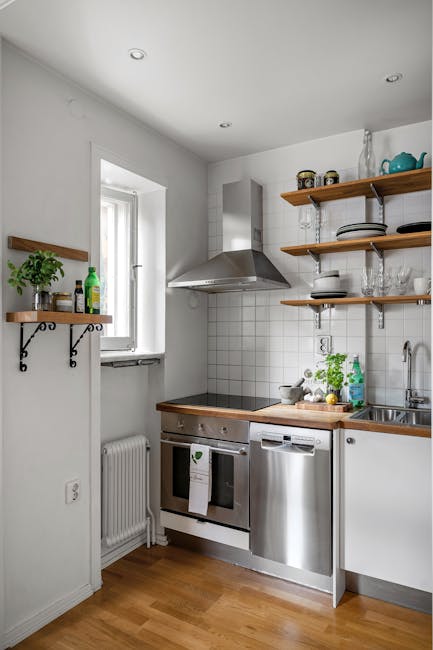
Are you wondering where to install your dishwasher in your kitchen for the best convenience and efficiency? Choosing the right spot isn’t just about fitting the appliance—it’s about making your daily routine smoother and your kitchen flow better.
You’ll discover smart, practical tips to help you find the perfect place for your dishwasher. Keep reading, and you’ll learn how a simple decision can save you time, reduce mess, and make your kitchen feel truly organized.
Credit: www.familyhandyman.com
Choosing The Right Spot
Choosing the right spot for your dishwasher can make a huge difference in how smoothly your kitchen runs. It’s not just about fitting the appliance; it’s about convenience, efficiency, and safety. Think about your daily kitchen routine and how you move around while cooking and cleaning.
Near The Sink
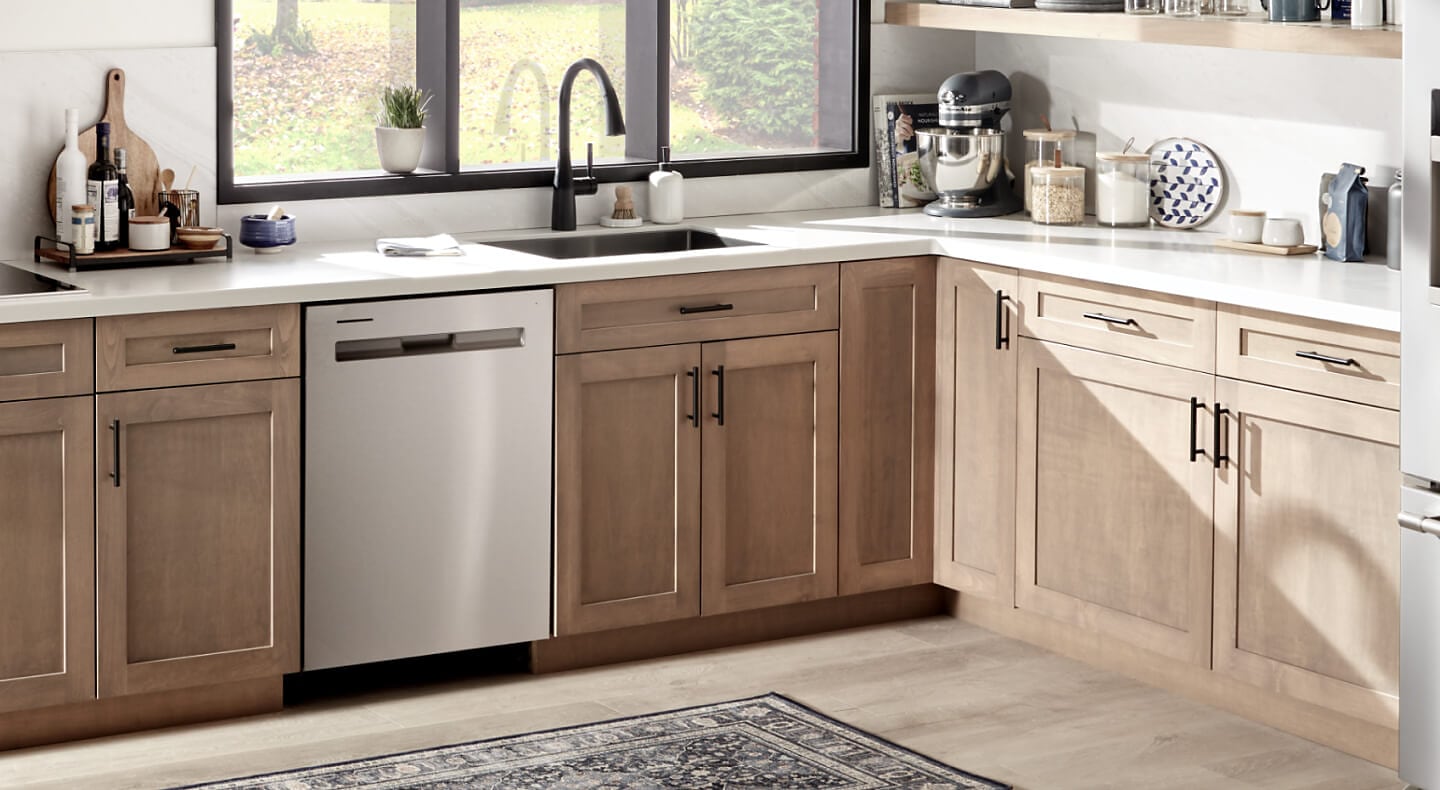
Placing the dishwasher close to the sink is one of the smartest choices. It makes rinsing dishes and loading the dishwasher quick and easy. You won’t have to carry heavy, wet dishes far, reducing the risk of spills or drops.
Plus, having the dishwasher near the sink often means better access to water, which is essential for its operation. Have you noticed how much time you save when everything is within arm’s reach?
Close To Plumbing
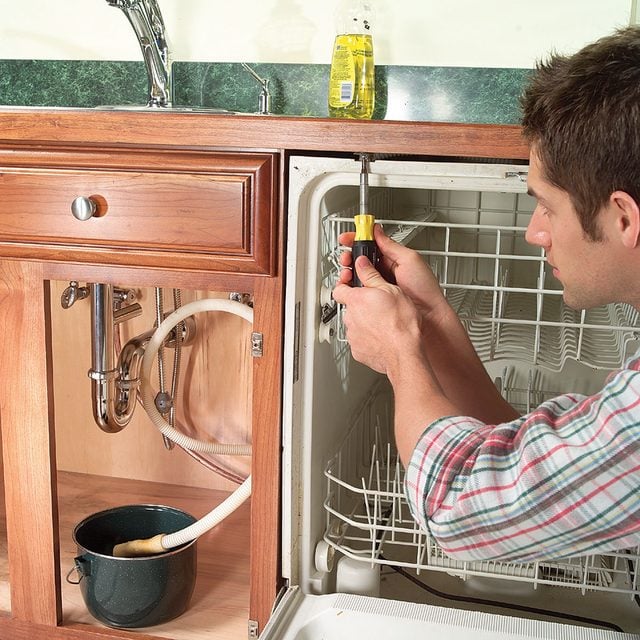
Connecting your dishwasher near existing plumbing lines saves both time and money during installation. It reduces the need for extra pipes or complex adjustments, which can add to your renovation costs.
Also, being close to plumbing helps avoid leaks and water pressure problems that can occur if hoses are stretched or poorly fitted. Think about how frustrating it would be to deal with leaks after your new dishwasher is installed.
Accessible Electrical Outlet
Don’t forget to check for a nearby electrical outlet that can handle your dishwasher’s power needs. A dedicated outlet is often required to prevent overloads and ensure safe operation.
Keep in mind the location of the outlet should allow the power cord to reach without stretching or creating hazards. Have you ever seen a cord stretched across a busy kitchen floor? It’s a safety risk you want to avoid.
Space-saving Layouts
Space-saving layouts help fit a dishwasher into smaller kitchens. They keep the kitchen organized and efficient. Smart placement of the dishwasher maximizes room for cooking and storage. Choose a layout that blends well with your kitchen design and daily flow.
Under The Counter
Installing the dishwasher under the counter saves valuable floor space. It fits neatly below the countertop next to the sink. This spot makes loading and unloading easy. It also keeps the kitchen looking clean and open.
Integrated Cabinet Designs
Dishwashers hidden behind cabinet doors create a seamless look. The appliance blends with the rest of the kitchen furniture. This design keeps the kitchen stylish and tidy. It works well in compact kitchens needing a uniform appearance.
Corner Installations
Using a corner for the dishwasher frees up central space. This placement is ideal for kitchens with limited linear counter space. It makes use of an often unused area. Corner dishwashers keep the workflow smooth and the kitchen less crowded.
Measuring For Fit
Installing a dishwasher in your kitchen is a game-changer, saving you time and energy. However, to ensure a seamless fit, precise measurements are crucial. Understanding the dimensions and space requirements can prevent future headaches and unnecessary adjustments.
Standard Dishwasher Dimensions
Most standard dishwashers are 24 inches wide, 24 inches deep, and 35 inches high. These measurements accommodate the majority of kitchen designs. Before you install, ensure your kitchen's cabinetry has enough room to fit these dimensions comfortably.
Consider the height of the flooring as well, especially if you plan to replace or update it. Do you have a raised threshold or a thick rug in front of the dishwasher space? These details can affect the fit and alignment.
Custom Spaces
If your kitchen's layout is unique or you have specific design needs, custom spaces might be the way to go. Many homeowners choose narrower dishwashers, around 18 inches wide, to fit tight spaces. These are perfect for smaller kitchens or when you wish to maximize counter space.
In my own kitchen, opting for a compact model allowed me to include an extra drawer for storage. It’s amazing how a slight change in measurement can lead to enhanced functionality. What kind of spatial adjustments could benefit your kitchen?
Allowing For Ventilation
Ventilation is key to a dishwasher's longevity and efficiency. Ensure there is a gap of at least a few inches between the dishwasher and surrounding cabinetry. This space allows for adequate airflow, preventing moisture buildup and potential damage to your cabinets.
Have you considered the heat and steam that the dishwasher releases during operation? Proper ventilation ensures these elements don't compromise the integrity of your kitchen's structure. A well-ventilated space not only enhances performance but also increases the lifespan of your appliance.
Credit: www.rotorooter.com
Considering Kitchen Workflow
Thinking about where to place your dishwasher in the kitchen means paying close attention to how you move and work in the space. The dishwasher isn’t just a machine; it’s part of your daily kitchen routine. Positioning it thoughtfully can save you time, reduce mess, and make your cooking and cleaning flow smoother.
Proximity To Food Prep Area
Placing the dishwasher near your food prep area cuts down on unnecessary walking back and forth. When you rinse dishes or utensils after prepping, you want to drop them straight into the dishwasher without crossing the entire kitchen.
Imagine chopping vegetables and then immediately clearing the cutting board into the dishwasher right next to you. This setup keeps your countertop clear and your workflow uninterrupted.
Ease Of Loading And Unloading
Think about where you store your clean dishes and silverware. The dishwasher should be close to those cabinets to make unloading quick and effortless.
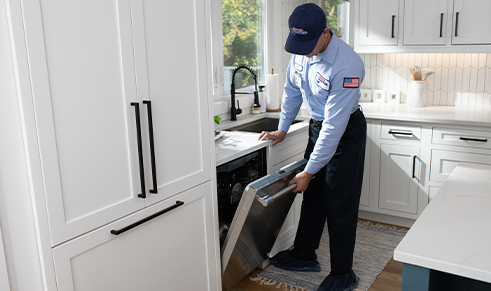
If you constantly have to carry dishes across the kitchen, it adds extra steps and frustration. A well-placed dishwasher lets you open the door fully without blocking walkways or bumping into other appliances.
Minimizing Traffic Flow Disruption
Your kitchen is often a busy place, especially during meal times. Placing the dishwasher where it won’t block major pathways helps keep everyone moving freely.
Ask yourself: Does opening the dishwasher door interrupt the flow between the sink, fridge, and stove? If yes, consider a different spot. Keeping the traffic smooth around the dishwasher prevents accidents and keeps your kitchen comfortable to work in.
Alternative Installation Options
Not every kitchen has the space or layout to fit a traditional built-in dishwasher. That’s where alternative installation options come in. These choices let you enjoy the convenience of a dishwasher without a major kitchen remodel.
Portable Dishwashers
Portable dishwashers are perfect if you don’t want a permanent fixture. They usually come on wheels and connect to your kitchen faucet when needed. You can store them away when not in use, freeing up valuable floor space.
Think about your kitchen’s traffic flow. A portable unit can be moved around, which is great if your space is small or shared with other appliances. Have you ever wished for a dishwasher that could fit anywhere? This might be your answer.
Drawer Dishwashers
Drawer dishwashers slide out like a drawer, making loading and unloading easier. They fit well in smaller kitchens or apartments. Plus, you can use one drawer for small loads, saving water and energy.
Installing a drawer dishwasher often means placing it under the countertop or in an island. This option blends into your kitchen design while adding flexibility. Could a drawer dishwasher help you optimize limited kitchen space?
Countertop Models
Countertop dishwashers are compact and sit on your kitchen counter. They connect easily to the faucet and drain into the sink. These models are ideal if you don’t have room under the counter or need a simple solution.
While countertop dishwashers handle smaller loads, they can be a real time-saver. If you live alone or have a tiny kitchen, this might be the most practical choice. Would a compact dishwasher on your counter make daily cleanup faster?
Credit: www.maytag.com
Installation Tips
Installing a dishwasher correctly ensures it works well and lasts longer. Focus on key points to avoid common issues. Proper placement and setup prevent leaks and damage. Follow these tips for a smooth installation process.
Ensuring Proper Drainage
Drainage is crucial to avoid water pooling inside the dishwasher. Connect the drain hose to the sink drain or garbage disposal. Make sure the hose has a high loop to prevent backflow. Check the hose for kinks or sharp bends. Use clamps to secure the hose tightly. Test the drainage after installation to confirm water flows out smoothly.
Securing The Unit
Secure the dishwasher to avoid vibrations and movement. Use mounting brackets to attach it firmly to the countertop or cabinet. Ensure the dishwasher sits level using a spirit level. Adjust the feet to balance the unit if needed. Tighten all screws and brackets properly. A stable dishwasher reduces noise and wear over time.
Avoiding Water Damage
Protect your kitchen from leaks and water damage. Check all water connections for tight seals. Use plumber’s tape on threaded fittings to prevent leaks. Inspect hoses regularly for cracks or wear. Place a drip pan under the dishwasher if possible. Keep the area around the dishwasher dry to avoid mold and rot.
Frequently Asked Questions
Where Is The Best Spot To Install A Dishwasher In A Kitchen?
The best spot is near the sink and plumbing. This placement makes water supply and drainage easier. It also simplifies loading dishes and improves kitchen workflow.
Can I Install A Dishwasher Under The Kitchen Countertop?
Yes, dishwashers are commonly installed under the countertop. This saves space and maintains a clean, cohesive kitchen design. Ensure there is enough clearance and proper plumbing access.
How Close Should A Dishwasher Be To The Kitchen Sink?
A dishwasher should be within a few feet of the sink. This proximity allows easy water line connection and dish transfer. It also reduces installation costs and improves usability.
Is It Possible To Install A Dishwasher In A Kitchen Island?
Yes, installing a dishwasher in a kitchen island is possible. Plumbing and electrical hookups must be planned carefully. It offers convenience but requires professional installation for proper connections.
Conclusion
Choosing the right spot for your dishwasher makes kitchen work easier. Place it near the sink or cabinets for quick access. Think about plumbing and electrical connections too. This saves time and avoids extra costs. A well-placed dishwasher keeps your kitchen neat and functional.
It helps you clean dishes faster and enjoy cooking more. Keep these tips in mind for a smooth kitchen setup. Your daily routine will feel simpler and more organized. Small changes can make a big difference in your kitchen space.