
Have you ever stopped to think about where you keep your kitchen sponge? It might seem like a small detail, but where you store it can make a big difference in keeping your kitchen clean and your family healthy.
If your sponge stays wet or sits in a dark corner, it can quickly become a breeding ground for bacteria. You’ll discover the best places to keep your kitchen sponge so it stays fresh, lasts longer, and helps you maintain a spotless kitchen.
Keep reading—you’ll never look at your sponge the same way again!
Ideal Places For Kitchen Sponges
Keeping kitchen sponges in the right place helps them dry fast and stay clean. Proper storage stops germs from growing on damp sponges. It also keeps your kitchen tidy and fresh. Here are ideal places to keep kitchen sponges to keep them dry and ready for use.
Near The Sink
Storing sponges near the sink makes them easy to reach during cleaning. Use a small dish or tray to keep sponges off the counter. Avoid leaving sponges wet in the sink to prevent bacteria growth. Letting sponges air dry nearby keeps them clean and ready.
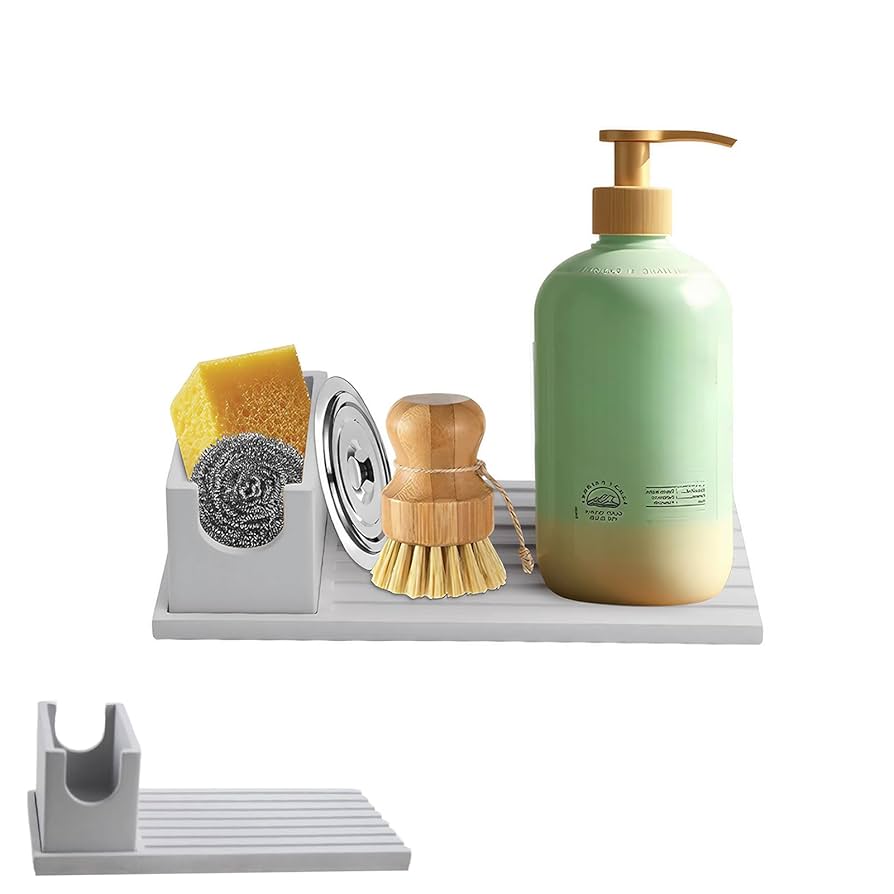
On A Sponge Holder
Sponge holders lift sponges off surfaces to improve air flow. Choose holders with holes or slits for water to drain. Wall-mounted or countertop holders save space and keep sponges dry. Using a holder helps sponges dry faster and last longer.
Inside A Draining Rack
Draining racks with slots for sponges let water drip away easily. Place sponges in a rack near the sink for quick drying. The rack keeps sponges separate from other items, reducing dirt contact. This storage method cuts down on bad smells and bacteria.
In A Ventilated Container
Containers with air holes allow sponges to breathe and dry out. Use plastic or metal containers with ventilation slots or mesh sides. Store sponges in these containers between uses to avoid moisture buildup. This helps keep sponges fresh and free from germs.

Credit: www.amazon.com
Avoiding Common Sponge Spots
Choosing the right spot for your kitchen sponge matters. The wrong place can make it dirty fast. Avoid spots that keep the sponge wet or closed off. These areas help bacteria grow. Keep the sponge dry and aired out instead. This helps it last longer and stay cleaner.
On The Countertop
Leaving the sponge on the countertop keeps it wet. Water pools underneath, feeding germs. The sponge stays damp, a perfect place for bacteria. It also collects crumbs and dirt from the surface. This spot is easy to reach but not healthy.
In The Sink
Placing the sponge in the sink traps moisture. The sink often has leftover food bits and soap residue. This mix feeds bacteria and mold. The sponge rarely dries fully in the sink. It becomes a breeding ground for germs quickly.
Closed Containers Without Airflow
Storing the sponge in a closed container blocks airflow. Without air, moisture stays inside the container. This creates a damp, warm environment. Bacteria and mold grow fast here. Closed containers without holes are bad for sponge health.
Keeping Sponges Dry And Clean
Keeping your kitchen sponge dry and clean is essential to prevent the growth of bacteria and unpleasant odors. A damp sponge creates the perfect environment for germs to multiply quickly. Taking a few simple steps after each use can extend the life of your sponge and keep your kitchen healthier.
Rinsing After Use
Rinse your sponge thoroughly with hot water right after you finish using it. This helps remove food particles and soap residue that can feed bacteria. Try to rinse under running water instead of soaking it, so you flush away more grime effectively.
Squeezing Out Excess Water
After rinsing, squeeze out as much water as you can from the sponge. The drier it is, the less likely it is to harbor bacteria. I used to leave my sponge dripping wet, and it quickly developed a bad smell. Now, squeezing it well and storing it somewhere ventilated makes a huge difference.
Regular Sanitizing Methods
Sanitize your sponge regularly to kill germs you can’t see. You can microwave a damp sponge for about one minute or place it in the dishwasher’s top rack during a hot cycle. Another option is soaking it in a bleach solution for five minutes, but make sure to rinse it thoroughly afterward.

Credit: www.amazon.com
Extending Sponge Lifespan
Place your kitchen sponge in a dry, well-ventilated spot to prevent bacteria growth. Avoid leaving it in a wet sink or closed container. Proper air circulation helps the sponge dry quickly and last longer.
Extending the lifespan of a kitchen sponge can save money and reduce waste. Sponges, though small, play a big role in keeping kitchens clean. Proper care can make them last longer. Here are some effective tips.
Replacing Frequently
Replace your kitchen sponge regularly. Use a new one every week. A fresh sponge cleans more effectively. Old sponges can harbor bacteria. Regular replacement ensures cleanliness.
Using Multiple Sponges For Different Tasks
Use different sponges for varied tasks. Have a sponge for dishes, another for surfaces. This limits cross-contamination. It also keeps each sponge fresher longer. Label them if needed. This simple step can extend their use.
Proper Storage Habits
Store sponges properly to extend their life. Keep them dry between uses. A wet sponge attracts bacteria. Use a rack or holder for drying. Ensure airflow around the sponge. This prevents unpleasant odors. Proper storage is key to a longer lifespan.
Alternative Cleaning Tools
Alternative cleaning tools offer new ways to keep your kitchen clean and fresh. They often last longer and dry faster than traditional sponges. These tools reduce bacteria build-up and make cleaning easier. Choosing the right tool can improve hygiene and save money.
Silicone Scrubbers
Silicone scrubbers resist bacteria and dry quickly. They have soft bristles that clean without scratching surfaces. These scrubbers are easy to rinse and reuse many times. Their flexible design helps clean hard-to-reach spots.
Microfiber Cloths
Microfiber cloths trap dirt and grease well. They absorb water fast and dry overnight. These cloths work great for wiping counters and washing dishes. Machine washable and durable, they can be reused often.
Natural Fiber Sponges
Natural fiber sponges come from renewable materials like cellulose or coconut husks. They break down faster in the environment than synthetic sponges. These sponges clean gently and are compostable after use. They fit well in eco-friendly kitchens.

Credit: www.amazon.com
Frequently Asked Questions
Where Is The Best Place To Keep A Kitchen Sponge?
Keep your kitchen sponge in a dry, well-ventilated area. Avoid leaving it in the sink or on a wet surface to prevent bacteria growth and odors.
How To Store Kitchen Sponges To Prevent Bacteria?
Store kitchen sponges upright or on a sponge holder that allows air circulation. Regularly clean and replace sponges to keep them hygienic.
Can Kitchen Sponges Be Kept Inside The Sink?
Avoid storing sponges inside the sink as it stays damp. Moisture encourages bacteria growth, making the sponge unsafe for kitchen use.
Should Kitchen Sponges Be Kept Near The Dish Soap?
Yes, keeping sponges near dish soap is convenient. However, ensure the sponge dries quickly between uses to maintain cleanliness and reduce germs.
Conclusion
Keeping your kitchen sponge in a dry, clean place helps it last longer. Avoid leaving it in the sink or on wet surfaces. Use a sponge holder or a spot near the sink but away from water. Change your sponge often to stop germs from growing.
A simple habit like this keeps your kitchen cleaner and safer. Small changes make a big difference in daily kitchen care. Remember, a dry sponge means a healthier kitchen environment.