
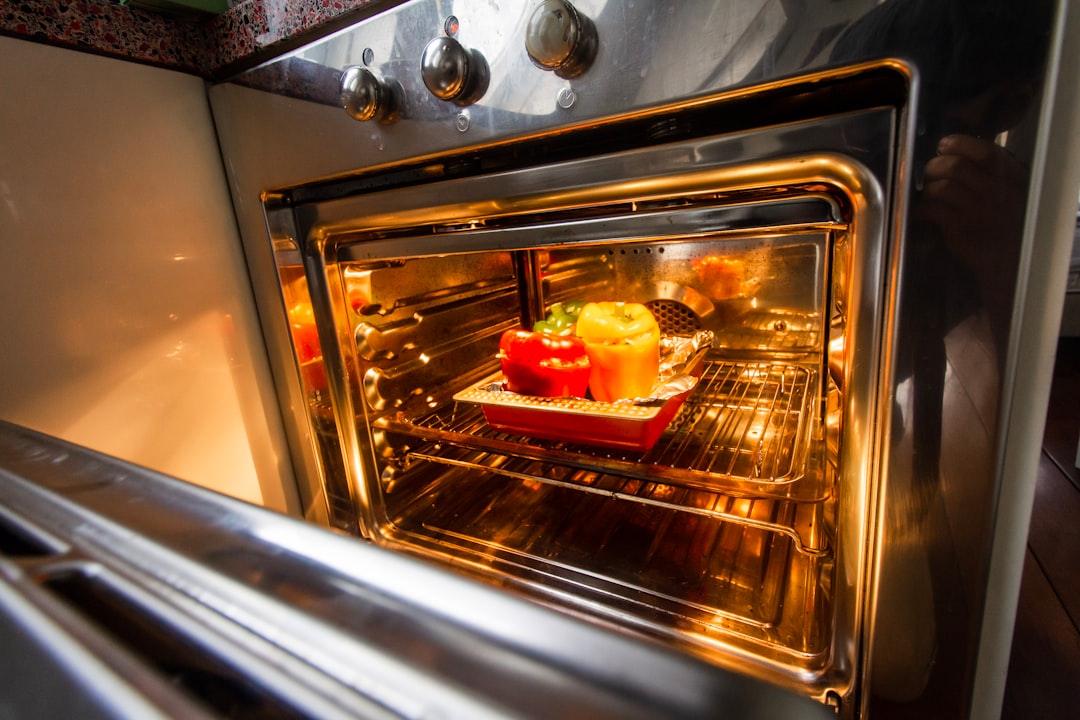
Where you place your oven in the kitchen can change the way you cook—and how comfortable you feel while doing it. You might think it’s just about finding a spot that fits, but the right location can make meal prep faster, safer, and more enjoyable.
If you’ve ever felt cramped, bumped into things, or struggled to reach your oven, this guide is for you. Keep reading to discover smart tips and practical advice that will help you choose the perfect spot for your oven—making your kitchen work better for you every day.
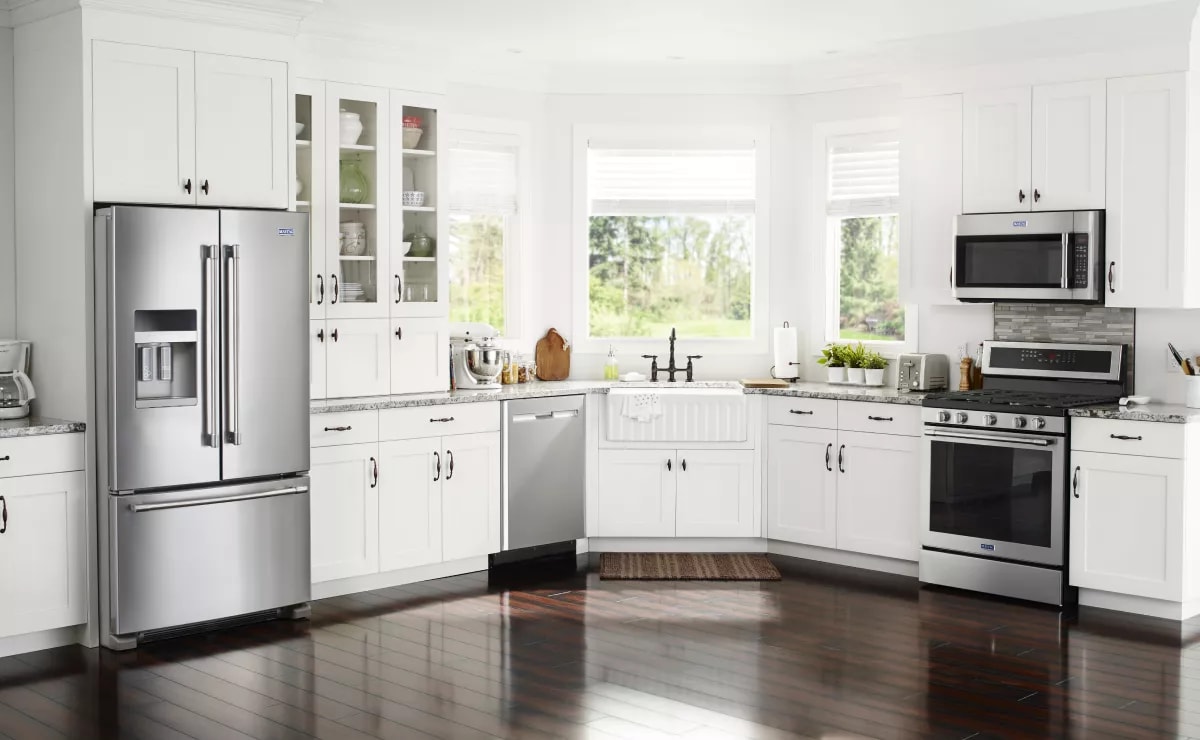
Credit: www.maytag.com
Ideal Oven Locations
Choosing the right spot for your oven can improve kitchen flow and safety. The oven must be easy to reach and use without blocking other areas. Consider your kitchen layout and daily cooking habits to find the best location.
Built-in Vs. Freestanding Options
Built-in ovens fit flush with cabinets for a sleek look. They save floor space and create a smooth kitchen design. Freestanding ovens stand alone and include a cooktop. They offer flexibility for kitchen changes and easier installation.
Wall Oven Placement
Wall ovens are installed at eye or waist height for easy access. This reduces bending and makes checking food simpler. Place them near the countertop for quick food transfer. Keep enough space around for safe oven door opening.
Under-counter Oven Spots
Under-counter ovens save wall space and keep the kitchen open. They work well in smaller kitchens or with limited wall space. Position near prep areas to speed up cooking tasks. Ensure good ventilation to avoid overheating below counters.

Credit: woodnco.com
Kitchen Layout Considerations
Choosing the right spot for your oven affects your entire kitchen's flow. Thoughtful layout planning helps keep cooking smooth and efficient. Consider how the oven fits into your kitchen's overall design and daily use.
Work Triangle Impact
The work triangle links the oven, sink, and refrigerator. This layout reduces walking distance during cooking. Keep the oven close to these points for easy meal prep. Avoid placing the oven too far from the sink or fridge.
Traffic Flow And Accessibility
Place the oven where it does not block main paths. Good accessibility prevents accidents and keeps traffic smooth. Ensure the oven door opens fully without hindrance. Keep clear space around the oven for safety and ease.
Proximity To Cooking Zones
Group the oven near other cooking appliances like stoves and microwaves. This setup saves time moving hot dishes between stations. Organize counters nearby to hold ingredients and utensils. Close proximity boosts kitchen efficiency and comfort.
Safety And Ventilation
Keeping your oven in the right spot isn’t just about style or convenience—it’s about safety and proper ventilation. Poor placement can cause heat damage, increase fire risks, and even affect air quality in your kitchen. Understanding how to create safe clearances, position vent hoods, and protect children can make your cooking space both efficient and secure.
Heat Clearance Requirements
Ovens generate a lot of heat, so you need enough space around them to prevent damage to cabinets and walls. Most manufacturers recommend at least 2 to 3 inches of clearance on the sides and 3 to 5 inches above the oven. Check your oven’s manual for exact measurements to avoid fire hazards.
Have you noticed discoloration or warping on your kitchen walls near the oven? That’s a sign your clearance isn’t enough. Even a small gap can make a big difference in protecting your kitchen surfaces from heat.
Vent Hood Placement
The vent hood should be directly above your oven to capture steam, smoke, and cooking odors effectively. Position it at the right height—usually 24 to 30 inches above the oven surface—to maximize airflow without blocking your view or workspace.
Consider the type of vent hood you install. A powerful ducted hood vents air outside, reducing moisture and grease buildup inside your kitchen. A ductless hood filters air but may not be as effective at removing heat and fumes.
Child Safety Measures
If you have kids, oven placement must prevent easy access to hot surfaces. Avoid placing ovens at a low height where children can reach the door or knobs. A built-in oven higher up on the wall is safer and keeps hot parts out of reach.
Additionally, use safety locks on oven doors and knobs to stop accidental burns. Think about your kitchen layout—can a child accidentally bump into a hot oven door? Taking these precautions reduces risks significantly.
Ergonomics And Convenience
Choosing the right place for your oven improves kitchen comfort and safety. Ergonomics and convenience matter a lot. The oven should be easy to reach and use without strain. Planning helps avoid awkward bending or stretching. This saves time and effort during cooking.
Optimal Height For Oven Access
Place the oven at a height that suits most users. The middle of the oven should be near waist or eye level. This reduces bending to check food or remove hot trays. Wall ovens often offer better height options than under-counter ovens. Avoid placing the oven too low or too high. It helps prevent accidents and makes cooking easier.
Storage Near The Oven
Keep essential cookware and tools close to the oven. Store baking trays, oven mitts, and pans nearby. This reduces walking back and forth during cooking. Use drawers or cabinets next to the oven for quick access. Organize items by frequency of use to save time. Clear storage areas improve kitchen flow and convenience.
Lighting For Visibility
Good lighting around the oven improves safety and accuracy. Install bright, focused lights above or near the oven space. This helps check food without opening the door too long. Avoid shadows or dark spots that can hide spills or burns. Use LED lights for energy efficiency and long life. Proper lighting makes cooking and cleaning easier.
Style And Design Integration
Style and design integration is key to a beautiful kitchen. The oven should blend with the room’s look. This creates a smooth and inviting space. Matching the oven with other elements improves the overall feel.
Matching Oven With Cabinets
Choose an oven that fits the cabinet style. Built-in ovens work well with custom cabinets. The oven’s shape and size should align with cabinet openings. This helps the kitchen look balanced and neat. A uniform look makes the space feel larger and organized.
Color And Finish Choices
Pick oven colors that complement cabinet tones. Stainless steel is popular for a modern look. Black or white ovens suit classic or simple kitchens. Matte or glossy finishes affect the kitchen’s mood. Consider the light in your kitchen to pick the best finish.
Creating A Focal Point
The oven can be a center of attention. Use a bold color or unique design to highlight it. Place the oven where it draws eyes naturally. Surround it with simple designs to make it stand out. A well-placed oven adds style and charm to any kitchen.
Common Placement Mistakes
Placing an oven in the kitchen seems straightforward, but many run into common placement mistakes that affect functionality and safety. These errors can limit your cooking efficiency and even cause damage over time. Understanding these pitfalls helps you create a kitchen space that works smoothly and lasts longer.
Avoiding Tight Spaces
One frequent mistake is squeezing the oven into a cramped corner or narrow cabinet. This restricts airflow, making the oven work harder and increasing the risk of overheating. Have you ever felt frustrated trying to open an oven door that bumps into a wall or cabinet? Giving your oven enough room to breathe and open fully makes a huge difference.
Think about the space needed not just for the oven itself, but also for comfortable access during cooking. You want to be able to place hot trays down safely without juggling around tight corners.
Preventing Heat Damage
Placing your oven too close to heat-sensitive surfaces is another common error. Materials like wood, laminate, or wallpaper can warp, discolor, or even catch fire if exposed to oven heat regularly. I once saw a kitchen where the cabinets next to the oven started peeling and smelling burnt after just a year.
Installing a heat shield or choosing oven placement near heat-resistant materials helps protect your kitchen. Ask yourself: could the oven’s heat cause long-term damage to nearby cabinets or walls?
Ensuring Electrical Access
Many overlook the importance of proper electrical access when placing an oven. Without a dedicated outlet or close access to power, you risk unsafe wiring or inconvenient extension cords. Imagine cooking dinner with the oven’s plug barely reaching the socket—it’s not just annoying but a safety hazard.
Check that your kitchen setup includes an outlet rated for your oven’s power needs and that it’s easy to reach. This small detail can save you headaches and keep your kitchen safe for years.
Expert Installation Tips
Place the oven near the cooking area for easy access and safety. Keep it away from windows to avoid heat loss and drafts. Ensure enough space around for ventilation and cleaning.
Placing your oven in the perfect spot in your kitchen can transform both its functionality and your cooking experience. If you've decided on an oven upgrade, the next crucial step is ensuring it's installed correctly. Proper installation not only guarantees safety but also enhances the appliance's efficiency. Here are some expert tips to guide you through the process.
Professional Vs. Diy Installation
You might be tempted to handle the installation yourself, especially if you're a seasoned DIY enthusiast. However, consider the complexities involved. Professional installers come with the expertise and tools to ensure every connection is secure and compliant with safety standards. Hiring a professional can save you from potential headaches and unexpected costs down the road. Yet, if you're confident in your skills and have done similar installations, DIY could be a rewarding challenge. Just ensure you have all the necessary tools and follow the manufacturer's instructions meticulously.
Checking Measurements Twice
Before any installation begins, ensure you have accurate measurements of the space. A slight miscalculation can lead to an ill-fitted oven that disrupts your kitchen's flow. Measure the oven dimensions and the designated kitchen space twice to avoid any surprises. Consider the room required for the oven door to open fully without obstruction. This will prevent any last-minute adjustments that could delay the installation.
Permits And Building Codes
Did you know some areas require specific permits for kitchen appliance installations? It's crucial to check your local building codes before proceeding. Failure to comply can result in fines or the need to redo the installation. Contact your local municipality to understand the necessary permits and ensure your installation adheres to all regulations. This proactive step can save you from potential legal hassles and ensure your kitchen remains a safe and functional space.
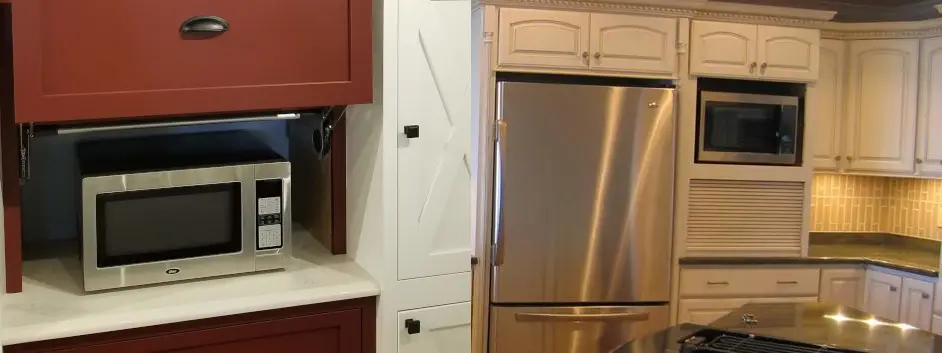
Credit: www.duncanscreativekitchens.com
Frequently Asked Questions
Where Is The Best Place To Install An Oven In The Kitchen?
The best place to install an oven is near the cooking zone. It should be easily accessible and have proper ventilation. Avoid placing it near the refrigerator or sink to maintain efficiency and safety.
Should Ovens Be Placed At Eye Level Or Below Countertop?
Placing ovens at eye level is ideal for safety and convenience. It reduces bending and makes it easier to monitor cooking. However, space and kitchen layout may influence the final decision.
How Far Should The Oven Be From The Kitchen Sink?
Ovens should be at least 24 inches away from the kitchen sink. This prevents water damage and enhances safety. Proper distance also allows for better workflow in the kitchen.
Can Ovens Be Placed Inside Kitchen Cabinets?
Yes, ovens can be placed inside kitchen cabinets if ventilation is adequate. Built-in ovens save space and create a seamless look. Ensure there is enough clearance to avoid overheating.
Conclusion
Choosing the right spot for your oven makes cooking easier and safer. Keep it close to counters for easy food prep. Avoid placing it near water or heat sources. Ensure good ventilation to prevent overheating. Think about your kitchen flow and space limits.
A well-placed oven helps save time and effort daily. Small changes can make your kitchen more comfortable. Plan carefully, and enjoy cooking in a smarter space.