
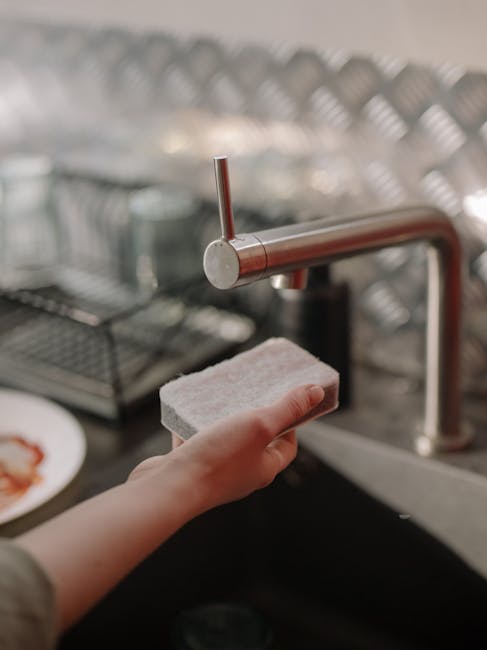
You probably use a sponge every day in your kitchen, but have you ever stopped to think about where you should keep it? The right spot can make a big difference in keeping your kitchen clean and your sponge lasting longer.
If you’re placing your sponge just anywhere, you might be inviting bacteria and bad smells into your space without even knowing it. You’ll discover the best places to store your sponge, practical tips to keep it fresh, and simple habits that can protect your family’s health.
Keep reading—you’ll be surprised how a small change can make your kitchen safer and more pleasant.
Credit: www.homedepot.com
Best Spots For Sponge Storage
Choosing the right spot to keep your kitchen sponge helps it dry quickly. A dry sponge lasts longer and stays cleaner. Placing it correctly stops bacteria growth and bad smells. Here are some of the best places to store your sponge.
Near The Sink
Keeping the sponge near the sink makes it easy to reach. It saves time during dishwashing. Place it on a small tray or dish to catch drips. Avoid leaving it in a wet sink area to prevent mold.
Inside A Holder
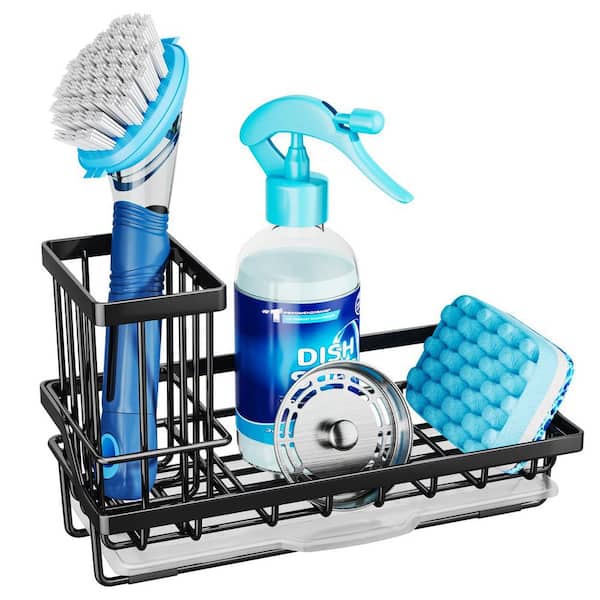
Use a sponge holder to keep it upright and dry. Holders often have holes for air to flow. This reduces moisture and speeds drying. Choose a holder that fits your sponge size well.
On A Draining Rack
A draining rack lets water drip away from the sponge. Place the sponge on the top tier or corner. This spot gets good air circulation. It helps keep the sponge fresh between uses.
In A Ventilated Container
Store the sponge in a container with small holes or slits. This lets air pass through and stops wetness. Keep the container open or lightly covered. Avoid sealed boxes that trap moisture inside.

Credit: www.amazon.ca
Avoiding Common Sponge Mistakes
Many people do not realize common mistakes made with kitchen sponges. These errors can cause bad smells and germs to grow. Avoiding these mistakes helps keep your kitchen clean and safe. Learn how to care for your sponge properly.
Keeping It Wet
Keeping a sponge wet all the time is a big mistake. A wet sponge stays moist and allows bacteria to grow fast. After use, squeeze out water and let it dry well. Dry sponges last longer and stay cleaner.
Storing In Closed Spaces
Storing a sponge in a closed container traps moisture inside. This creates a perfect place for germs. Avoid putting sponges in sealed jars or drawers. Instead, store them where air can flow freely.
Placing On Countertops
Leaving a sponge directly on countertops can cause it to stay wet. Counters often have water or food particles that keep sponges damp. Use a sponge holder or rack to keep it elevated and dry.
Maintaining Sponge Hygiene
Keeping your kitchen sponge clean is essential to avoid spreading bacteria and unpleasant odors. Sponges trap food particles and moisture, creating a perfect environment for germs to thrive. You might be surprised how often your sponge can harbor more bacteria than your toilet seat, so regular hygiene is not just smart—it's necessary.
Regular Cleaning Methods
Rinse your sponge thoroughly with hot water after every use to remove food debris. Squeeze out excess water to prevent dampness, which encourages bacterial growth. Storing the sponge in a well-ventilated area helps it dry quickly and stay fresh longer.
Try washing your sponge in the dishwasher on a high-heat cycle once or twice a week. This simple step can significantly reduce germs without extra effort. Have you noticed how a dryer sponge feels and smells cleaner? That’s the effect you want to aim for.
Using Disinfectants
Disinfect your sponge regularly using common household solutions like diluted bleach or vinegar. Soak the sponge in a mixture of one part bleach to nine parts water for about five minutes, then rinse well. This method kills most bacteria and helps extend the sponge’s usability.
Alternatively, vinegar’s natural acidity also works well as a disinfectant. Soaking your sponge in full-strength vinegar for five minutes can reduce germs without harsh chemicals. Do you prefer natural solutions over chemical ones? Vinegar offers a safe and effective option.
Microwaving For Sanitization
Microwaving your sponge is a quick way to kill bacteria using steam heat. First, wet your sponge completely—dry sponges can catch fire. Heat it in the microwave on high for about one to two minutes, then let it cool before handling.
This method can eliminate up to 99% of bacteria if done correctly. However, always monitor the sponge during microwaving to avoid accidents. Have you tried this trick before? Many find it an easy and effective way to keep their sponges hygienic between replacements.

Credit: food52.com
Extending Sponge Life
Keeping your kitchen sponge in good shape saves money and reduces waste. Sponges wear out quickly if not cared for well. Simple habits can extend sponge life and keep it cleaner. Proper storage and maintenance matter most.
Rotating Sponges
Use several sponges in rotation. This lets each sponge dry completely between uses. Wet sponges breed bacteria and break down faster. Switching sponges also prevents one from becoming too dirty. Keep track by marking or separating them by task.
Proper Drying Techniques
Dry your sponge after every use. Squeeze out all water and place it in a well-ventilated spot. Avoid storing sponges in closed containers or sinks. Use sponge holders with drainage holes or racks. Sunlight can help kill germs and dry sponges faster.
Choosing Durable Sponge Types
Pick sponges made from tough materials like cellulose or microfiber. These last longer and resist odors better than cheap foam sponges. Some sponges have antimicrobial treatments for extra protection. Choose sponges designed for kitchen use to handle grease and grime effectively.
Alternative Cleaning Tools
Sponges are not the only tools for kitchen cleaning. There are many alternatives that can keep your kitchen spotless. These tools often last longer and are more hygienic. Let's explore some popular options.
Brushes And Scrubbers
Brushes and scrubbers come in many forms. They are great for tough stains and stubborn grime. You can use them on pots, pans, and surfaces. They often have strong bristles that last longer than sponges.
Some brushes have handles for better grip. This makes them easier to use. Brushes also dry faster, reducing bacteria growth. Choose a brush or scrubber that suits your needs.
Reusable Cloths
Reusable cloths are eco-friendly options. They can be washed and reused many times. Made from materials like microfiber, they are soft yet effective.
Microfiber cloths trap dust and dirt well. They are gentle on surfaces, preventing scratches. Keep a few cloths for different tasks. This way, your kitchen stays clean with minimal waste.
Silicone Sponges
Silicone sponges are modern cleaning tools. They are flexible and durable. Unlike regular sponges, they do not absorb odors.
Silicone sponges are easy to clean. You can rinse them under hot water or put them in the dishwasher. Their unique texture can scrub away dirt without scratching.
Consider silicone sponges for a long-lasting, hygienic solution. They are perfect for everyday cleaning tasks in the kitchen.
Frequently Asked Questions
Where Is The Best Place To Store A Kitchen Sponge?
The best place to store a kitchen sponge is in a well-ventilated holder. This helps it dry quickly and prevents bacterial growth. Avoid leaving it in the sink or on a wet surface to keep it hygienic and last longer.
How To Keep A Sponge Dry In The Kitchen?
Keep your kitchen sponge dry by placing it on a raised, ventilated sponge holder. Avoid enclosed containers or flat surfaces. Dry sponges reduce bacteria and odors, making your kitchen cleaner and safer.
Can Storing A Sponge In The Sink Cause Problems?
Yes, storing a sponge in the sink can cause problems. It stays wet and collects bacteria, leading to bad odors and potential health risks. Always use a sponge holder away from water accumulation for hygiene.
How Often Should Kitchen Sponges Be Replaced?
Kitchen sponges should be replaced every 1 to 2 weeks. Frequent use and moisture make them a breeding ground for bacteria. Regular replacement keeps your kitchen clean and prevents cross-contamination.
Conclusion
Choosing the right spot for your kitchen sponge matters a lot. Keep it somewhere dry and well-ventilated. This helps stop germs from growing fast. Avoid leaving it near the sink or in a damp area. Clean your sponge often to keep it fresh and safe.
A clean sponge means a cleaner kitchen. Small changes make a big difference in kitchen hygiene. Remember, a simple habit keeps your sponge and kitchen healthy.