

Where you place your refrigerator in the kitchen can change how smoothly your daily routine flows. Imagine reaching for a cold drink or grabbing ingredients without bumping into something or walking too far.
The right spot not only saves your time but also makes cooking and cleaning easier. You’ll discover simple tips to find the perfect place for your fridge, so your kitchen feels more organized and comfortable. Keep reading, and you’ll learn how a small change can make a big difference in your kitchen life.
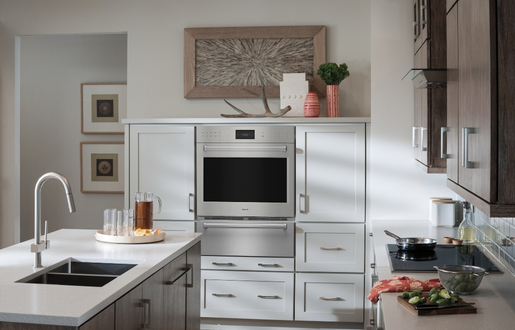
Credit: www.artisanwestappliance.com
Ideal Refrigerator Location
Choosing the ideal spot for your refrigerator can transform your kitchen into a more efficient and enjoyable space. The right location reduces unnecessary steps and keeps your cooking flow smooth. Think about how you move around your kitchen daily and place your fridge where it supports your routine best.
Near The Cooking Zone
Placing your refrigerator close to where you cook saves time and effort. It allows quick access to ingredients like vegetables, sauces, and dairy without interrupting your cooking rhythm.
Imagine grabbing milk for your recipe without walking across the kitchen. This proximity helps keep your workflow seamless and reduces kitchen clutter.
Close To The Sink
Keeping the fridge near the sink makes washing and prepping food easier. You can rinse fruits and veggies immediately after taking them out, which speeds up meal preparation.
This setup also helps when you need to drain liquids or clean spills quickly. It’s a small detail that can cut down on messy counters and wasted time.
Accessible To Dining Area
Think about how often you grab drinks or snacks during meals. Positioning your refrigerator near the dining space makes it easier for everyone to serve themselves without interrupting the cook.
This placement encourages a more social and relaxed kitchen environment. It’s practical for families and guests who might want quick access without entering the cooking zone.
Avoiding Direct Sunlight
Placing your fridge where it won’t get direct sunlight is crucial. Heat exposure forces the appliance to work harder, increasing energy use and potentially shortening its lifespan.
Check your kitchen’s natural light patterns before deciding. A shaded spot keeps your fridge running efficiently and your energy bills lower.
Kitchen Layout Types
Choosing the right spot for your refrigerator depends on your kitchen's layout. Each type has unique flow and space. Understanding these layouts helps place the refrigerator where it fits best. This improves kitchen work and keeps everything accessible.
Single Wall Kitchens
All appliances and cabinets line one wall in this layout. Space is limited, so place the refrigerator at one end. This keeps it out of the cooking zone. It also allows easy access without blocking movement.
L-shaped Kitchens
Two walls form an "L" shape with an open corner. The refrigerator fits well at the end of either wall. This keeps it near the cooking area but not in the main workspace. It creates a smooth work triangle with stove and sink.
U-shaped Kitchens
Three walls enclose the kitchen, creating a "U" shape. The fridge should be on one side for easy reach. Avoid placing it in corners where doors cannot open fully. Positioning near the kitchen entrance often works best.
Galley Kitchens
Two parallel counters with a walkway in between define this layout. Place the refrigerator at one end to avoid blocking the path. This keeps the kitchen flow open and safe. It also separates cold storage from cooking zones.
Island Kitchens
The island stands in the middle, surrounded by counters or cabinets. The refrigerator usually fits best along a wall. This keeps it away from the island’s work area. It allows multiple people to use the kitchen comfortably.
Traffic Flow And Accessibility
Choosing the right spot for your refrigerator matters. It affects how you move in your kitchen. Traffic flow and accessibility ensure you use your kitchen efficiently. Proper placement helps prevent accidents and makes tasks easier. Let's explore key factors for ideal refrigerator placement.
Clear Pathways
Ensure there are no obstacles around the refrigerator. It should not block walkways. People should move freely, even during busy times. This avoids unnecessary stress and accidents. A clear path allows easy access to other kitchen areas.
Avoiding Congestion
Place the refrigerator away from main kitchen traffic. This prevents congestion during meal prep. The kitchen should feel spacious and organized. Avoid spots where many activities happen. This keeps the kitchen calm and functional.
Ease Of Opening Doors
Check how the refrigerator doors open. They should not hit counters or walls. Ensure there is space for the doors to open fully. This makes accessing items inside easier. You can work smoothly without adjusting or rearranging things. Proper door clearance is crucial for convenience.
Space And Size Considerations
Finding the right spot for your refrigerator means balancing space and size carefully. It’s not just about fitting the appliance; it’s about making sure it works well in your kitchen flow and lasts longer. Overlooking these details can lead to a cramped kitchen or a fridge that struggles to cool properly.
Measuring Available Space
Start by measuring the height, width, and depth of the area where you want to place your refrigerator. Don’t forget to include nearby cabinets, walls, and doorways that could block access or opening angles.
Think about the path you’ll take to move the fridge in and out during installation or replacement. A tight spot can turn a simple delivery into a difficult challenge.
Choosing Refrigerator Size
Pick a fridge size that fits your kitchen and your lifestyle. If you cook often or have a large family, a bigger fridge makes sense. But in smaller kitchens, a compact or slim model might be smarter.
Consider how much food you typically store and how often you shop. Oversized refrigerators can waste energy and space, while too small a fridge means more frequent grocery trips.
Allowing Ventilation Space
Most refrigerators need some breathing room around them to work efficiently. Check the manufacturer’s guidelines for clearance—usually, a few inches on the sides, top, and back are necessary.
Without proper ventilation, your fridge may overheat and consume more energy. Have you noticed your fridge running constantly? It might be lacking sufficient airflow.
Energy Efficiency Tips
Energy efficiency is a key factor to consider when deciding where to place your refrigerator in the kitchen. A well-placed fridge not only saves electricity but also extends the appliance’s lifespan. Let’s look at practical tips that help you reduce energy waste and keep your kitchen running smoothly.
Keeping Away From Heat Sources
Placing your refrigerator near heat sources like ovens, stoves, or direct sunlight forces it to work harder to stay cool. This extra effort spikes energy consumption and raises your electricity bills.
I once positioned my fridge close to the oven and noticed it cycling on and off more frequently. Moving it just a few feet away made a noticeable difference in energy use and noise levels. Can you identify any hidden heat sources in your kitchen that might be affecting your fridge?
Proper Ventilation
Refrigerators need space around them to release heat efficiently. Without proper ventilation, the compressor runs longer, consuming more power.
- Leave at least 2-3 inches of clearance on the sides and back.
- Avoid tight corners or built-in cabinets that block airflow.
- Regularly clean the coils at the back to maintain performance.
Think about how often you check the fridge’s backside. Could a simple cleanup improve airflow and cut down your energy bills?
Smart Placement For Temperature Control
Choose a cool, shaded spot in the kitchen for your fridge. Avoid areas near windows or doors that let in warm air frequently.
Placing your refrigerator on a floor that stays cool, like tile rather than carpet, can also help maintain steady temperatures. Keeping the fridge away from temperature fluctuations means it won’t have to work overtime to keep your food fresh.
What areas in your kitchen experience the least temperature changes throughout the day? Position your fridge there to optimize energy use.

Credit: gomcdaniels.com
Ergonomics And Convenience
Choosing the right spot for your refrigerator impacts comfort and ease in the kitchen. Ergonomics and convenience help make your daily cooking and food storage simple. A well-placed fridge saves time and reduces strain.
Height And Reach
Place the fridge so most shelves are at eye level. This reduces bending and stretching. Keep frequently used items between waist and shoulder height. It helps access food quickly and safely. Avoid placing the fridge too low or too high.
Organizing Food Zones
Create zones for different food types near the fridge. Store fresh produce, dairy, and drinks in easy reach. Keep frozen foods in a separate, nearby freezer if possible. Organize shelves so related foods stay together. This saves steps and keeps your kitchen tidy.
Integrating With Kitchen Workflow
Position the refrigerator close to food prep areas. It should be near the sink and countertop. This allows smooth movement from fridge to chopping to cooking. Avoid placing it far from the main cooking space. A good flow reduces unnecessary walking and speeds up meal prep.
Design And Aesthetics
Design and aesthetics play a vital role in choosing the refrigerator's spot. It affects the kitchen's overall look and feel. The fridge can blend in or stand out as a statement piece. Thoughtful placement complements the kitchen's style and layout.
Matching Cabinetry
Matching the refrigerator with kitchen cabinets creates a seamless look. Built-in panels on the fridge doors can mimic cabinet finishes. This approach hides the appliance, making the kitchen appear larger and cleaner. Coordinated cabinetry enhances harmony in design.
Concealed Vs. Freestanding
Concealed refrigerators fit behind cabinet doors. They offer a sleek, minimalist appearance. Freestanding models stand alone and are easier to move. They come in various styles and sizes. Choose based on kitchen space and desired visual impact.
Color And Finish Choices
Refrigerators come in many colors and finishes. Stainless steel offers a modern, timeless look. Matte finishes reduce fingerprints and smudges. Bold colors create a focal point in neutral kitchens. Pick a finish that suits the kitchen’s mood and personality.

Credit: www.yahoo.com
Common Placement Mistakes
Placing a refrigerator in the kitchen might seem easy, but many make common mistakes. These errors can cause inconvenience and reduce kitchen efficiency. It is important to avoid these pitfalls to create a smooth cooking space.
Blocking Pathways
Placing the refrigerator in a spot that blocks walkways disrupts kitchen flow. It makes moving around difficult and can cause accidents. Keep clear paths around the fridge for safety and ease.
Too Close To Heat Appliances
Putting the refrigerator next to ovens or stoves increases its energy use. Heat forces the fridge to work harder, raising electricity bills. Maintain some distance between the fridge and hot appliances to save energy and extend the fridge’s life.
Limited Door Swing Space
Refrigerator doors need enough room to open fully. A tight space limits access to shelves and drawers. Plan for enough clearance so doors can swing wide without hitting walls or cabinets.
Frequently Asked Questions
Where Is The Best Spot For A Kitchen Refrigerator?
The best spot for a refrigerator is near the kitchen entrance. It should be easily accessible without blocking cooking or cleaning zones. Avoid placing it next to heat sources like ovens or direct sunlight to maintain efficiency and longevity.
How Far Should The Fridge Be From The Cooking Area?
Keep the refrigerator at least 3 feet away from the stove or oven. This distance prevents heat from affecting the fridge's cooling efficiency. It also provides comfortable workspace and reduces energy consumption.
Can A Refrigerator Be Placed In A Kitchen Island?
Yes, refrigerators can be placed in kitchen islands if they have proper ventilation. This placement offers convenience and saves wall space. Ensure there is enough clearance around the fridge to allow airflow and door opening.
Should The Fridge Door Open Towards The Dining Area?
Ideally, the fridge door should open towards the dining or prep area. This arrangement allows easy access while serving or cooking. Make sure the door swing does not block pathways or other appliances.
Conclusion
Choosing the right spot for your refrigerator helps your kitchen flow better. Keep it near the cooking and prep areas for easy reach. Avoid placing it where sunlight or heat can affect its performance. Make sure there is enough space to open the doors fully.
Think about your kitchen’s size and layout before deciding. A good fridge location saves time and effort daily. Small changes can make your kitchen feel more organized and comfortable. Planning well makes cooking and cleaning easier. Your kitchen works best when everything is in the right place.