
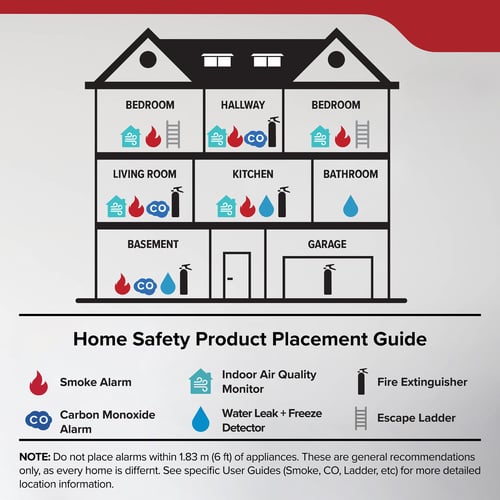
Your kitchen is the heart of your home, but it can also be a hotspot for fires. Knowing exactly where to place a smoke detector in your kitchen could make all the difference in keeping your family safe.
You might think any spot will do, but the right location can help your smoke detector work faster and avoid false alarms. Ready to protect your home without the hassle of constant beeping? Keep reading to find out the best places to install your smoke detector in the kitchen.
Choosing The Right Spot
Choosing the right spot for a smoke detector in your kitchen can be tricky. You want it to alert you quickly if there’s a fire, but you also want to avoid constant false alarms. Finding that balance is key to keeping your home safe without causing unnecessary stress.
Avoiding False Alarms
Smoke detectors placed too close to cooking areas often go off from regular kitchen smoke or steam. This can lead to frustration and the temptation to disable the alarm, which defeats its purpose. Aim to place the detector at least 10 feet away from the stove or oven to reduce false alarms.
Think about your own kitchen: have you ever had a smoke alarm go off just because you burned toast? That’s a clear sign it might be too close to your cooking appliances.
Near Cooking Appliances
While you want to keep some distance, don’t place the smoke detector too far from the cooking appliances either. Fires can start quickly near stoves and ovens, so the detector needs to sense smoke early to alert you in time.
A good rule is to install the detector near the kitchen entrance or along the ceiling area adjoining the cooking zone. This way, it monitors the kitchen effectively without reacting to every minor cooking mishap.
Ceiling Vs Wall Placement
Ceiling placement is usually the best choice because smoke rises. Mounting your detector on the ceiling allows it to detect smoke faster than wall-mounted units.
If you must use a wall, place it 4 to 12 inches below the ceiling. Avoid corners where air circulation is poor, which can delay smoke reaching the sensor.
Have you checked if your current smoke detector is ceiling or wall mounted? Adjusting the position slightly could make all the difference in early fire detection.
Distance Guidelines
Understanding the right distance guidelines for placing a smoke detector in your kitchen can make all the difference in safety and functionality. Too close, and you risk frequent false alarms from cooking fumes. Too far, and the detector might not react quickly enough to real danger.
Recommended Clearance From Stove
Keep your smoke detector at least 10 feet (3 meters) away from the stove. This distance helps prevent false alarms caused by normal cooking smoke or steam. If your kitchen layout is small, try placing the detector near the kitchen exit or an adjacent hallway.
Minimum Distance From Cabinets
Smoke detectors should be positioned at least 4 inches (10 centimeters) away from cabinets or other obstructions. Cabinets can block smoke flow and delay alarm activation. Think about your kitchen’s airflow—avoid placing detectors where vents or appliances might disrupt smoke movement.
Height Recommendations
Mount your smoke detector on the ceiling or high on the wall, ideally 4 to 12 inches (10 to 30 centimeters) below the ceiling. Smoke rises, so placing it higher ensures earlier detection. Avoid installing detectors directly above cooking appliances where heat and steam can cause false alarms.
Types Of Smoke Detectors For Kitchen
Smoke detectors for kitchens include ionization, photoelectric, and dual-sensor types. Place them away from cooking appliances to reduce false alarms. Installing detectors on the ceiling or high on walls ensures early smoke detection.
Types of Smoke Detectors for Kitchen Choosing the right smoke detector is crucial for kitchen safety. Kitchens present unique challenges, including smoke from cooking. Not all smoke detectors are ideal for kitchen use. Understanding the types can help make the best choice.
Photoelectric Vs Ionization
Photoelectric smoke detectors are sensitive to slow, smoldering fires. They use a light beam to detect smoke particles. Ideal for areas with steam and smoke, like kitchens. Ionization detectors respond faster to flaming fires. They use a small amount of radioactive material. Better for areas prone to fast fires. In kitchens, photoelectric models often work best. Less prone to false alarms from cooking.
Combination Smoke And Heat Alarms
Combination smoke and heat alarms offer dual protection. They detect smoke and changes in temperature. Useful in kitchens with high heat. These alarms reduce false alarms. They are reliable in detecting actual fires. A good choice for comprehensive safety. They provide peace of mind in busy kitchen environments.

Credit: www.sdmmag.com
Installation Tips
Installing a smoke detector in the kitchen requires care and precision. Proper placement and setup ensure the device works effectively without false alarms. Follow these tips to install your smoke detector safely and correctly.
Mounting Instructions
Place the smoke detector on the ceiling or high on a wall. Keep it at least 10 feet away from cooking appliances to avoid false alarms. Avoid placing detectors near windows, doors, or vents. Use screws or adhesive pads to secure the detector firmly. Make sure it is level and stable. Test the alarm after installation to confirm it works.
Wiring And Battery Options
Choose between battery-powered and hardwired smoke detectors. Battery models are easy to install and can be placed anywhere. Hardwired detectors connect to your home’s electrical system and often have battery backups. Replace batteries at least once a year. Use fresh batteries to ensure the alarm functions well. For hardwired units, hire a professional electrician if unsure about wiring. Regular maintenance keeps your smoke detector reliable and ready.
Maintenance And Testing
Keeping your kitchen smoke detector in good shape is vital for safety. Maintenance and testing ensure it works when needed. Regular attention helps prevent false alarms and detects smoke early.
Regular Cleaning
Dust and grease can block the sensor. Clean the detector monthly using a soft brush or vacuum. Avoid using water or cleaning sprays. Wipe the exterior with a dry cloth to keep it clear.
Testing Frequency
Test the smoke detector once a month. Press the test button to check the alarm sound. If it does not beep, replace the battery or the unit. Regular testing confirms the detector is ready to alert you.
When To Replace
Smoke detectors have a lifespan of about 10 years. Check the manufacture date on the back. Replace the unit if it is older or does not work after battery changes. New detectors provide better protection and technology.

Credit: www.reddit.com
Additional Safety Measures
Adding a smoke detector in your kitchen is essential, but extra safety steps can make a big difference. Kitchens have unique fire risks, so relying solely on smoke detectors isn't enough. Think about other tools and setups that can help you stay safe and react quickly if trouble arises.
Using Heat Detectors
Heat detectors respond to sudden temperature changes, not smoke. This makes them ideal for kitchens where steam and cooking fumes often trigger false alarms.
Place heat detectors near cooking appliances, but not too close to avoid damage from direct heat. They provide reliable alerts without the nuisance of frequent false alarms, helping you trust your safety system more.
Fire Extinguisher Placement
Having a fire extinguisher in your kitchen is a must, but where you put it matters. Keep it visible and easily accessible, ideally near an exit so you can grab it quickly and escape if needed.
Choose a spot away from the stove to avoid grabbing the extinguisher while facing flames. Mount it on a wall at waist height for quick access. Does your current setup allow you to reach it without hesitation during an emergency?
Ventilation Considerations
Good ventilation helps reduce smoke buildup and lowers false alarms. Use exhaust fans or range hoods to clear smoke and cooking odors efficiently.
Ensure vents are clean and functioning well. Proper airflow not only protects your smoke detector but also improves your kitchen’s overall air quality, making cooking safer and more comfortable.

Credit: www.wconline.com
Frequently Asked Questions
Where Should A Smoke Detector Be Placed In The Kitchen?
Place the smoke detector at least 10 feet away from cooking appliances. This prevents false alarms from normal cooking smoke or steam. Install it on the ceiling or high on a wall for optimal smoke detection.
Why Avoid Placing Smoke Detectors Directly Above The Stove?
Heat and steam from cooking can trigger false alarms. These false alarms can cause unnecessary panic and reduce trust in the detector. Position the detector away from direct cooking zones for reliable alerts.
How High Should A Smoke Detector Be Installed In The Kitchen?
Install the smoke detector on the ceiling or 4 to 12 inches below the ceiling on a wall. Smoke rises, so higher placement ensures early fire detection. Avoid placing detectors near vents or fans.
Can A Kitchen Smoke Detector Detect Grease Fires?
Standard smoke detectors can detect smoke from grease fires but may react slower. Consider installing a heat detector specifically designed for kitchens. This ensures quicker alerts for grease-related fires.
Conclusion
Placing a smoke detector in the kitchen saves lives. Keep it away from the stove to avoid false alarms. Install it high on the wall or ceiling for best results. Test your detector regularly to ensure it works well. Remember, a well-placed smoke detector gives early warnings.
It helps protect your family and home from fire risks. Simple steps like these make your kitchen safer every day. Don’t wait—choose the right spot and stay prepared. Safety starts with smart smoke detector placement.