

Where you put your oven in the kitchen can change the way you cook, move, and even enjoy your space. Have you ever felt cramped while baking or struggled to reach your oven safely?
The right oven placement can solve these problems and make your kitchen feel more open and functional. You’ll discover simple tips and smart ideas to find the perfect spot for your oven. Keep reading to transform your kitchen into a place where cooking feels easy and enjoyable every day.
Ideal Oven Locations
Choosing the right spot for your oven helps make cooking easier and safer. The oven should fit well with the kitchen flow and other appliances. Think about how you move while cooking and where you need space for preparation.
Near The Cooking Area
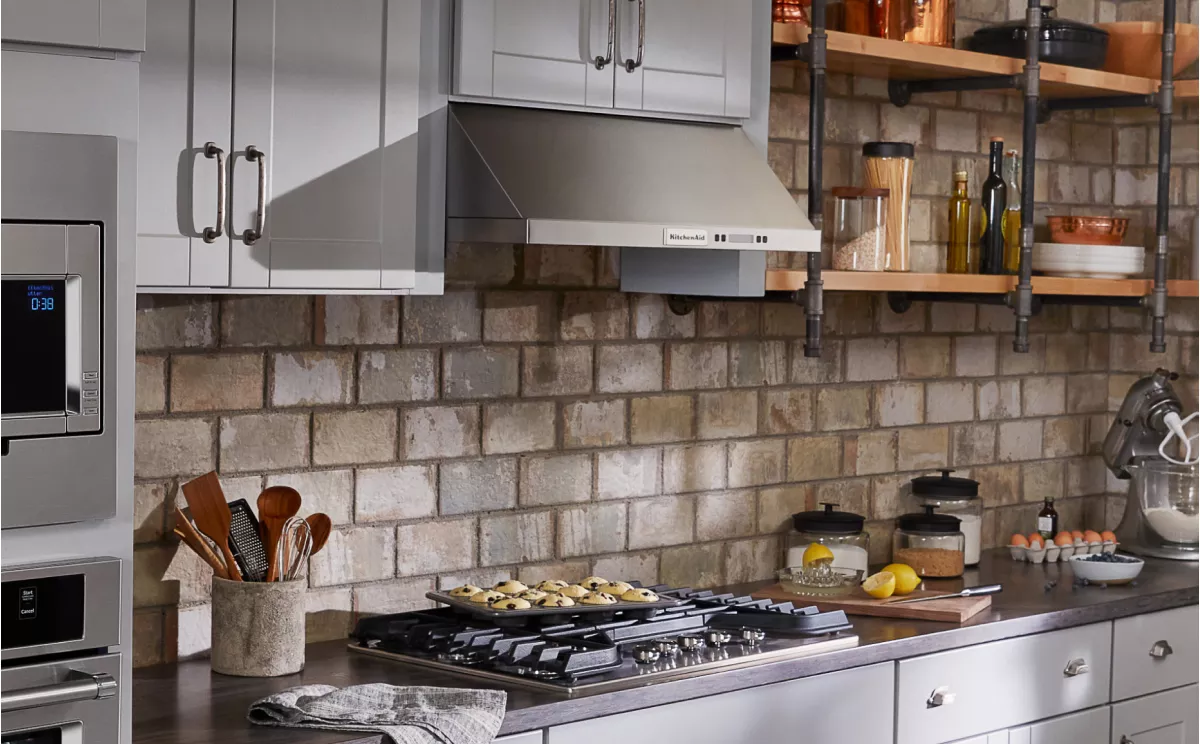
Place the oven close to the stove or cooktop. It saves time moving hot dishes between appliances. Keeping these areas near each other helps keep all cooking tasks in one place. It also reduces the chance of spills and burns while carrying food.
Close To Counter Space
Ovens work best near enough counter space for placing hot pans. You need a safe spot to rest dishes right after taking them out. Counters beside or below the oven make cooling and serving more convenient. This setup helps keep your kitchen organized and tidy.
Avoiding Traffic Zones
Keep the oven away from busy walkways or entry points. High-traffic spots increase the risk of accidents or interruptions. Place the oven in a quieter corner or wall space. This protects both the cook and guests from hot surfaces and sudden movements.
Credit: www.kitchenaid.com
Types Of Oven Placements
Choosing the right place for your oven is key to a functional kitchen. Oven placement affects cooking comfort and kitchen flow. Various types of oven placements fit different kitchen styles and needs. Each type offers unique benefits and challenges. Understanding these helps you pick the best spot for your oven.
Built-in Wall Ovens
Built-in wall ovens fit directly into kitchen walls or cabinetry. They save floor space and create a sleek look. These ovens are placed at eye level, making it easy to check food. They often come with multiple oven compartments for multitasking. Wall ovens suit kitchens with limited space or for a modern style.
Under-counter Ovens
Under-counter ovens install beneath kitchen counters. They blend smoothly with lower cabinets and keep counters free. These ovens are perfect for small kitchens or additional baking stations. Their height requires bending to use, which might be less comfortable for some. Still, they keep cooking areas compact and efficient.
Freestanding Ranges
Freestanding ranges combine an oven and stovetop in one unit. They stand alone and can be placed anywhere with a power or gas connection. These ovens are versatile and easy to install or move. Freestanding ranges work well in open kitchens or when you want a traditional look. They often come with extra storage below the oven.
Ergonomics And Accessibility
Creating a kitchen layout that prioritizes ergonomics and accessibility can make your cooking experience more enjoyable and efficient. When deciding where to place your oven, it's essential to consider how it impacts your everyday use. A well-placed oven not only enhances safety but also ensures that every family member can use it comfortably. Let's explore some key considerations.
Optimal Height For Safety
Positioning your oven at the right height is crucial for safety. Ideally, the oven door should be at waist level. This minimizes the need to bend over, reducing the risk of spills or burns.
If you have children or elderly family members, placing the oven too low or too high can be hazardous. By setting it at an ergonomic height, you ensure that it's accessible to everyone without compromising safety.
Think about your own comfort and convenience. Is reaching into the oven a strain on your back? Finding the right height can make all the difference.
Ease Of Use For All Ages
Your kitchen should be a welcoming space for everyone, regardless of age. An oven that is easy to reach and operate can encourage family members to cook together, fostering a shared love for preparing meals.
Consider installing controls that are intuitive and easy to read. This helps younger and older users feel confident in using the oven.
Think about whether your kids like to help with baking or if you have elderly relatives visiting. A user-friendly oven can make these experiences more inclusive.
Consideration For Disabled Users
For those with disabilities, accessibility is key. Consider installing the oven at a height that can be reached from a wheelchair.
Look for models with pull-out trays and side-opening doors, which can offer better access and reduce the need to lean over.
Have you thought about the challenges faced by those with limited mobility in your kitchen? An accessible oven can significantly improve their cooking experience.
By thoughtfully placing your oven, you create a kitchen that's not just functional but inclusive. How will you ensure your kitchen is accessible for everyone who uses it?
Ventilation And Safety
Ventilation and safety are crucial factors when deciding where to place your oven in the kitchen. Poor ventilation can cause heat buildup, smoke accumulation, and even fire hazards. Ensuring proper airflow and maintaining safe distances from combustible materials will protect your kitchen and make cooking more comfortable and secure.
Proper Airflow Requirements
Your oven needs enough space around it to allow air to circulate freely. Without proper airflow, heat can get trapped, causing the oven to overheat and potentially damage nearby cabinets or walls.
Check the manufacturer’s guidelines for minimum ventilation clearances. In tight kitchen layouts, consider installing vents or fans to improve airflow. Have you noticed how much cooler your kitchen feels after adding a range hood? That same principle applies to ovens.
Heat And Smoke Management
Ovens generate significant heat and sometimes release smoke, especially during high-temperature cooking. Position your oven near a vent hood or exhaust fan to capture smoke and odors before they spread.
If your kitchen lacks built-in ventilation, portable exhaust fans or air purifiers can help. Think about your last experience with lingering cooking smells—would better smoke management have made a difference?
Clearance From Combustibles
Keep your oven away from flammable materials like curtains, wooden cabinets, or paper products. A safe clearance zone reduces fire risk and protects your kitchen surfaces from heat damage.
Use heat-resistant materials like tile or metal around the oven area. This simple step can prevent costly repairs and keep your cooking space safe. Have you measured the gap between your oven and nearby objects lately?
Kitchen Layouts And Oven Placement
Choosing the right spot for your oven depends heavily on your kitchen layout. Each design offers unique challenges and opportunities to optimize space and workflow. Placing your oven thoughtfully can make cooking easier and more enjoyable.
Galley Kitchens
Galley kitchens are narrow, with two parallel counters. Space is limited, so placing the oven along one wall keeps the cooking zone compact.
Consider positioning the oven near the sink or refrigerator for smooth movement between prep, cooking, and cleaning. Avoid placing it at the far end to prevent congestion.
Have you noticed how efficient your cooking feels when everything is within arm's reach? That’s the power of smart oven placement in a galley kitchen.
L-shaped Kitchens
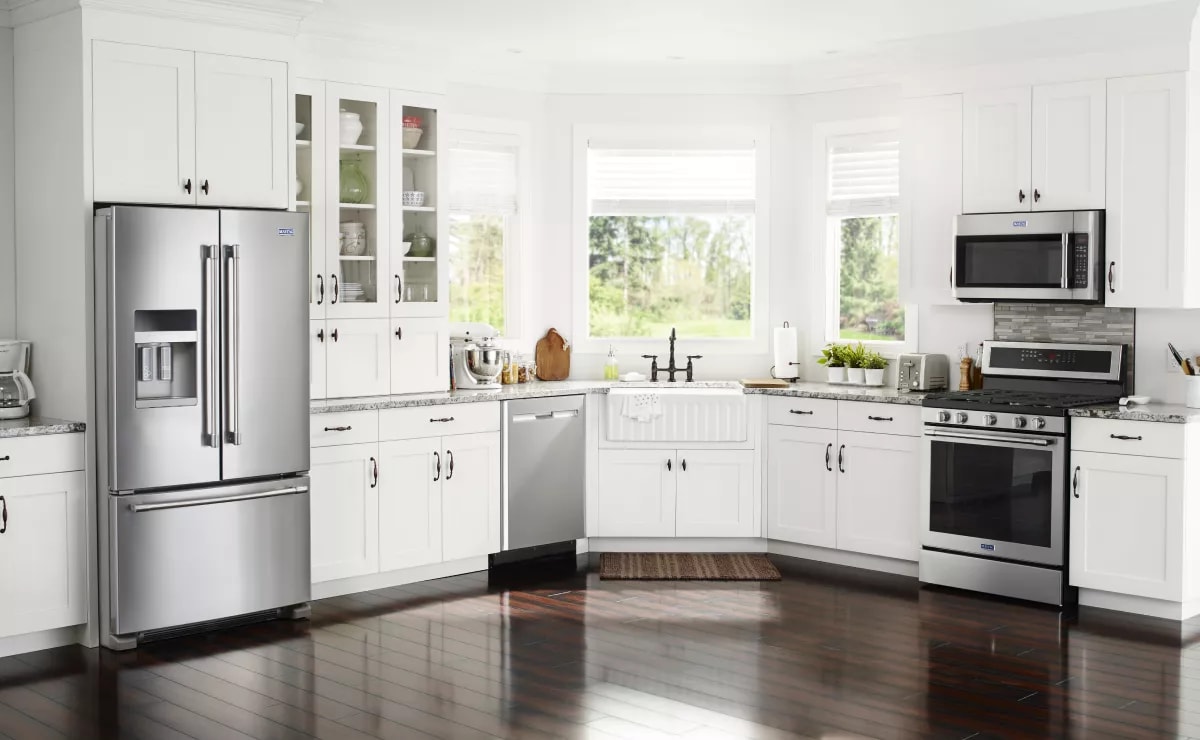
L-shaped kitchens offer more flexibility with two adjoining counters. Placing the oven at the corner junction often saves space and creates a natural cooking zone.
You can also install the oven on one leg of the “L” while keeping the other side free for prep work or appliances. This helps keep the kitchen balanced and functional.
Think about your own kitchen flow—does the oven’s location make it easy to move between cooking and prepping? If not, try shifting it to a spot that cuts down extra steps.
Open Concept Kitchens
In open concept kitchens, the oven placement impacts both cooking and socializing. Placing the oven on an island allows you to engage with guests while baking or roasting.
Alternatively, integrating the oven into a wall unit keeps the island free for seating and prep. This setup also hides the oven’s heat and noise from the main living area.
Ask yourself if you want your oven to be a focal point or blend into the background. Your answer can guide the best oven placement in an open space.
Integrating Ovens With Other Appliances
Integrating your oven with other kitchen appliances can make a huge difference in how smoothly your kitchen functions. Thoughtful placement saves you from unnecessary steps and keeps your cooking flow steady. Let’s look at how you can arrange your oven near other key appliances for the best kitchen experience.
Proximity To Refrigerator
Placing your oven close to the refrigerator can save time when you’re prepping meals. Imagine grabbing ingredients and immediately moving them to the oven without crossing the kitchen multiple times. However, avoid putting them too close to prevent heat from the oven affecting the fridge’s efficiency.
Try to keep a small counter space between them for staging ingredients or resting hot dishes. This little area becomes your go-to spot for quick meal assembly.
Near Dishwasher And Sink
Having your oven near the dishwasher and sink makes cleanup smoother. You can transfer hot pans directly to the sink or dishwasher without carrying them across the kitchen. This setup helps keep your workspace tidy and reduces the risk of spills.
Think about how often you rinse dishes right after cooking. Positioning your oven close to the sink means less walking and faster cleanup, saving you precious time.
Balancing Appliance Zones
Your kitchen works best when appliances are organized into zones for cooking, cleaning, and storage. Balancing these zones ensures you don’t crowd one area while leaving another empty. You want to avoid clustering noisy or heat-producing appliances all in one spot.
Consider spacing the oven between the refrigerator and the sink area to create a natural cooking zone. This arrangement keeps your workflow balanced and prevents bottlenecks when multiple people use the kitchen.
Design And Aesthetics
The placement of your oven can dramatically influence the overall look of your kitchen. Design and aesthetics go hand in hand with functionality, so it’s essential to think about how your oven fits visually within the space. The right design choices can make your kitchen feel more cohesive and inviting.
Matching Cabinetry
Matching your oven with the surrounding cabinetry creates a seamless and polished look. If your cabinets have a sleek, modern finish, choosing a built-in oven with a similar color or stainless steel finish can blend well. On the other hand, contrasting colors or textures can make the oven a focal point, but it needs careful balancing to avoid clashing.
Think about the height and style of your cabinets too. Integrating the oven at eye level within a tall cabinet unit not only improves ergonomics but adds a clean, uninterrupted line to your kitchen design. Have you considered how matching trims or custom panels on your oven can mimic your cabinetry’s design?
Oven Door Styles
The style of the oven door plays a huge role in the kitchen’s aesthetic. Glass-front doors offer a modern and sleek appearance while allowing you to peek inside without opening the door. Matte finishes, on the other hand, can bring warmth and softness to the space.
Handles and controls are worth attention as well. Touch controls and hidden handles give a minimalist vibe, while chunky knobs and bar handles lean more traditional. What oven door style reflects your kitchen’s personality best?
Lighting Around Oven
Lighting can highlight your oven and make the cooking area more inviting. Installing LED strip lights under cabinets above the oven adds a subtle glow that enhances both form and function. It also helps when checking your food without turning on harsh overhead lights.
Consider task lighting that focuses on the oven area and ambient lighting that sets the mood for the entire kitchen. Have you experimented with lighting to see how it changes the look and feel of your oven’s placement?
/How%20To%20se%20An%20Air%20Fryer%20Thumbnail.png?wid=1200&fmt=webp)
Credit: www.maytag.com
Common Placement Mistakes
Placing your oven in the right spot can make or break your kitchen’s flow and safety. Many people make avoidable mistakes that lead to cramped areas, blocked paths, or heat-related issues. Let’s look at some common placement errors and how you can steer clear of them to create a kitchen that works for you.
Cramped Spaces
Putting the oven in a tight corner or between cabinets with little clearance limits your movement. You need enough room to open the oven door fully and stand comfortably while cooking. Imagine struggling to pull out a hot tray because the space is too narrow—that’s not just frustrating; it’s unsafe.
Think about how you use your kitchen daily. Would placing the oven near other appliances or storage areas make you bump into things? Avoid squeezing the oven into small gaps just to save space. Instead, prioritize a spot with room to breathe.
Blocking Walkways
Ovens placed in busy walkways can cause traffic jams and accidents. If your oven door swings out into a corridor or near the fridge, it can create a hazard when open. This setup interrupts the kitchen flow and can make cooking stressful.
Ask yourself: does the oven’s location force people to step around it or block access to other areas? If so, it’s time to rethink. Always leave clear paths that allow smooth movement, even when the oven door is open.
Ignoring Heat Impact
Heat from the oven affects nearby cabinets, appliances, and even walls. Placing the oven too close to sensitive materials can cause damage or make your kitchen uncomfortable. For example, wooden cabinets next to the oven may warp over time from repeated heat exposure.
Consider ventilation and heat-resistant surfaces around your oven. Have you noticed your kitchen getting warmer when the oven is on? That’s a sign you need better spacing or insulation. Protect your kitchen’s elements by planning for heat impact early on.
Credit: www.maytag.com
Frequently Asked Questions
Where Is The Best Place To Install An Oven In Kitchen?
The best place is near the cooking area for easy access. It should have proper ventilation and be away from water sources. Positioning the oven at eye level improves safety and convenience during use.
Can I Place The Oven Under The Countertop?
Yes, placing the oven under the countertop saves space. Ensure there is enough clearance for heat dissipation. This placement is ideal for compact kitchens or when combining with other appliances.
How Far Should The Oven Be From The Refrigerator?
Keep at least 12 inches between the oven and refrigerator. This prevents heat transfer that can affect refrigerator efficiency. Proper spacing also ensures safety and appliance longevity.
Is It Better To Have A Built-in Or Freestanding Oven?
Built-in ovens save space and offer a sleek look. Freestanding ovens are easier to install and move. Your choice depends on kitchen design, space, and personal preference.
Conclusion
Placing your oven in the right spot makes cooking easier and safer. Think about space, workflow, and nearby appliances. Choose a location with good ventilation and easy access. Avoid spots that block movement or create hazards. A well-planned kitchen helps meals come together smoothly.
Small changes can improve your cooking experience a lot. Take time to plan, and your kitchen will feel just right.