
Where you put your refrigerator in the kitchen can make a huge difference in how smoothly your daily cooking and meal prep go. Imagine reaching for your favorite snack or ingredient without bumping into someone else or having to walk across the entire kitchen.
Sounds good, right? Finding the perfect spot for your fridge isn’t just about fitting it in; it’s about creating a kitchen flow that works for you. You’ll discover simple tips and smart ideas to place your refrigerator where it truly belongs—making your kitchen more comfortable, efficient, and enjoyable every day.
Keep reading to unlock the secret to a better kitchen setup!
Ideal Refrigerator Locations
Choosing the right spot for your refrigerator can change how smoothly your kitchen works. The ideal location balances convenience, safety, and efficiency. Let’s look at some smart places to put your fridge that make cooking and cleaning easier.
Near The Cooking Zone
Placing the refrigerator close to your cooking area saves time. You can grab ingredients quickly without crossing the whole kitchen. This setup cuts down on extra steps and keeps your workflow smooth.
Think about your stove and prep counter. If your fridge is within arm’s reach, you won’t have to interrupt your cooking to fetch items. I once moved my fridge closer to the stove and noticed how much faster meal prep became.
Close To The Sink Area
Having the fridge near the sink makes washing fruits, veggies, and leftovers easier. You can rinse items right after taking them out, reducing mess. It’s also handy for filling pots with water straight from the fridge or sink.
This spot helps when you’re cleaning up, too. You can quickly dispose of scraps and wipe down surfaces without carrying food far. Ask yourself if this setup would reduce your kitchen clutter.
Accessible From The Dining Space
Your refrigerator should be easy to reach from the dining area. Whether it’s for grabbing drinks or snacks, quick access keeps gatherings flowing smoothly. You won’t want guests or family members weaving through the kitchen to get what they need.
Positioning the fridge near the dining space can also help with meal service. You can pull out trays or plates without going back and forth. Think about your typical meal routine and if this convenience could save you time.

Credit: www.searshomeservices.com
Consider Kitchen Layouts
Choosing the right spot for your refrigerator depends a lot on your kitchen layout. Each layout has unique features that guide the best fridge placement. Proper positioning improves your kitchen flow and makes cooking easier.
Galley Kitchens
Galley kitchens have two parallel counters. Place the refrigerator at one end for easy access. This keeps the cooking area clear and avoids blocking walkways. The fridge should be near the entrance for quick unloading of groceries.
L-shaped Kitchens
In L-shaped kitchens, the fridge fits well at the corner or along one wall. This location saves space and keeps the fridge close to prep areas. Avoid placing it too far from the stove or sink to keep the work triangle efficient.
U-shaped Kitchens
U-shaped kitchens offer three walls of workspace. Position the refrigerator on one side of the U. This keeps it within reach but out of the main cooking zone. It also helps maintain good flow between the fridge, sink, and stove.
Open Plan Kitchens
Open plan kitchens blend cooking and living areas. Place the fridge where it is easy to reach but does not interrupt social spaces. A spot near the kitchen island or a side wall works well. This keeps the kitchen tidy and functional.
Space And Clearance Needs
Placing your refrigerator in the right spot in your kitchen is crucial. It ensures both functionality and safety. Space and clearance needs play a significant role in this decision. Let’s delve into the specifics of what to consider.
Door Swing Space
Refrigerator doors need ample space to open fully. Measure the door swing to avoid obstruction. Ensure nothing blocks the path, like cabinets or walls. Proper door clearance makes accessing food easier. It also prevents damage to the fridge and surrounding areas.
Ventilation Requirements
Refrigerators need space around them for air circulation. Lack of ventilation can overheat the appliance. Leave at least an inch gap on all sides. This ensures efficient cooling and extends the fridge's lifespan. Check the manufacturer's guidelines for exact ventilation needs.
Walkway Clearance
Avoid placing the refrigerator where it blocks kitchen walkways. Ensure at least 36 inches of space in front. This clearance allows easy movement in the kitchen. It also prevents accidents and enhances kitchen safety. Proper placement ensures a smooth workflow in your cooking area.
Avoid Heat And Moisture Sources
Avoiding heat and moisture sources is key when placing a refrigerator in your kitchen. Heat makes the fridge work harder, wasting energy and shortening its life. Moisture can cause damage and create mold or rust. Choosing the right spot keeps your fridge efficient and safe.
Distance From Oven And Stove
Keep the refrigerator away from the oven and stove. These appliances produce heat that raises the fridge’s temperature. This forces the fridge to use more power to stay cold. A good rule is to place the fridge at least three feet from these heat sources.
Away From Direct Sunlight
Do not place the refrigerator where sunlight hits it directly. Sunlight increases the surface temperature. The fridge then works harder to cool down inside. Find a shaded corner or a spot away from windows to keep the fridge cool and save energy.
Avoid Damp Areas
Moisture can damage the fridge’s metal parts and electrical components. Avoid placing the fridge near sinks or dishwashers where water splashes often. Damp areas also promote mold growth inside and outside the fridge. Choose a dry spot with good air circulation instead.
Ergonomics And Accessibility
Ergonomics and accessibility play a vital role in deciding the best spot for a refrigerator in your kitchen. A well-placed fridge makes cooking and daily tasks easier. It reduces strain on your body and saves time. Thoughtful positioning helps everyone in the family use the fridge comfortably and safely.
Height And Reach Considerations
Choose a fridge height that suits the main user. Avoid placing the fridge too high or too low. Items stored at eye level are easier to find. Keep frequently used shelves within easy reach. This helps prevent stretching or bending, reducing discomfort.
Placement For Frequent Use
Place the fridge near the kitchen’s main work area. This reduces the steps needed to get ingredients. Avoid blocking walkways or doors with the fridge door. Leave enough space for the door to open fully. A spot near the sink or stove is often best.
Child Safety Tips
- Keep heavy or sharp items out of reach.
- Use child locks on fridge doors if needed.
- Avoid placing the fridge where kids might bump into it.
- Choose a location that allows parents to watch children easily.
Aesthetic And Design Tips
Choosing the right spot for your refrigerator affects the kitchen’s look. A well-placed fridge blends style and function. This section shares design tips to make your refrigerator fit the room’s style.
Blending With Cabinets
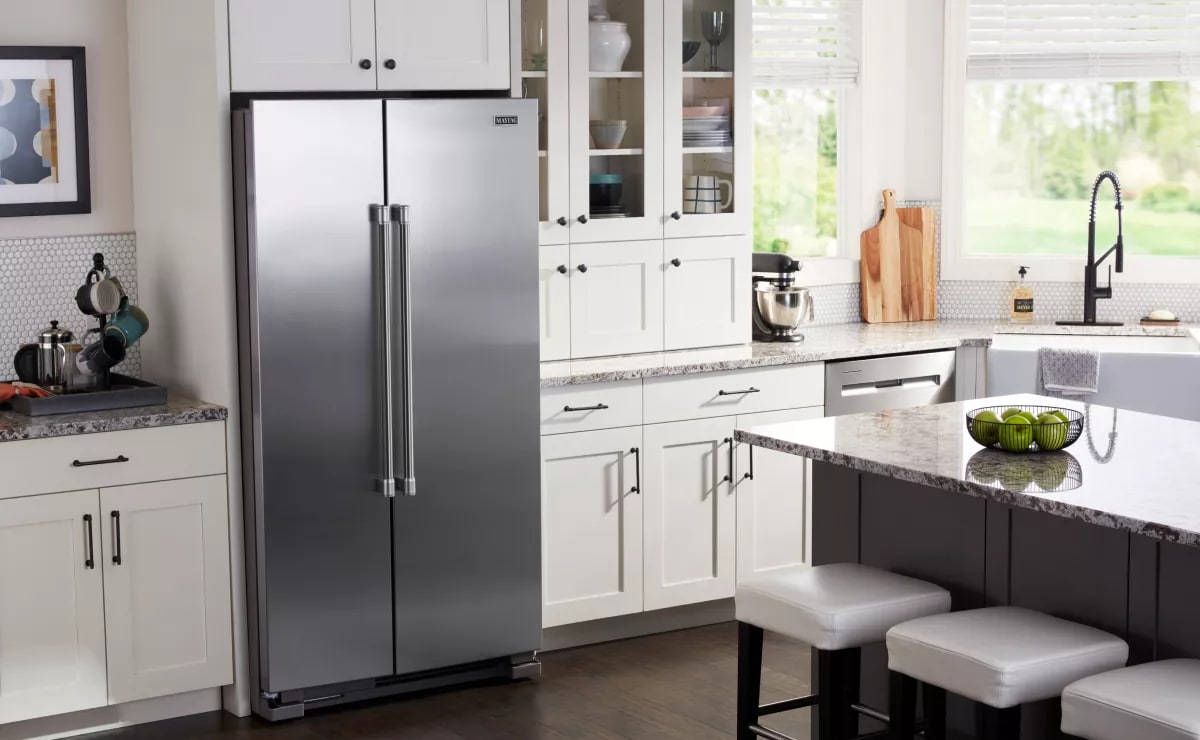
Matching your refrigerator with cabinets creates a smooth look. Place the fridge next to cabinet lines for harmony. Built-in models fit flush with cabinets. This avoids bulky gaps and keeps the flow.
Choose a fridge size that aligns with cabinet height. It keeps the kitchen balanced and neat. Avoid placing the fridge where it breaks the cabinet pattern.
Choosing Colors And Finishes
Pick fridge colors that complement your kitchen palette. Stainless steel suits modern kitchens well. White or black fits classic or simple designs. Matte finishes reduce fingerprints and glare.
Use color to highlight the fridge as a feature or hide it. Light colors brighten small kitchens. Dark colors add depth in large spaces.
Using Panels And Covers
Custom panels make the fridge blend with cabinets. They cover the fridge’s exterior for a built-in look. Panels can match wood, paint, or other materials.
This method hides the appliance’s edges and handles. It helps maintain a clean, consistent kitchen design. Panels also protect the fridge surface from scratches.
Energy Efficiency Factors
Energy efficiency plays a key role in deciding where to place the refrigerator in your kitchen. A well-placed fridge uses less power and keeps your food fresh longer. Small changes in location can cut energy use and lower electricity bills. Understanding energy efficiency factors helps create a kitchen that works smarter and saves money.
Temperature Control Impact
The fridge works best in a cool, stable environment. Avoid placing it near heat sources like ovens, dishwashers, or direct sunlight. Heat forces the refrigerator to run more, using extra energy. Keeping the fridge away from warm spots helps maintain a steady internal temperature. This saves energy and protects your food from spoiling.
Reducing Energy Loss
Energy loss happens when cold air escapes from the fridge. Make sure the door seal is tight and not damaged. Place the fridge so the door can open fully without obstacles. Avoid placing it in very humid areas, which can increase condensation and energy use. A good seal and easy access reduce energy waste and keep the fridge efficient.
Smart Refrigerator Placement
Choose a spot with good airflow around the fridge. Leave space between the fridge and walls for ventilation. Place it on a flat, even surface to keep it stable and working well. Avoid cramped corners or tight spaces that trap heat. Smart placement improves fridge performance and lowers energy consumption. Think about convenience too, so the fridge fits your kitchen flow.
Credit: www.whirlpool.com
Special Refrigerator Types
Special refrigerator types offer unique designs and features. These models can fit different kitchen layouts and needs. Choosing the right one helps save space and improve kitchen flow.
French Door Models
French door refrigerators have two doors on top and a freezer drawer below. They open wide, making it easy to access fresh foods. These models fit well near kitchen islands or open areas. Their large capacity works for families who store lots of fresh produce.
Side-by-side Units
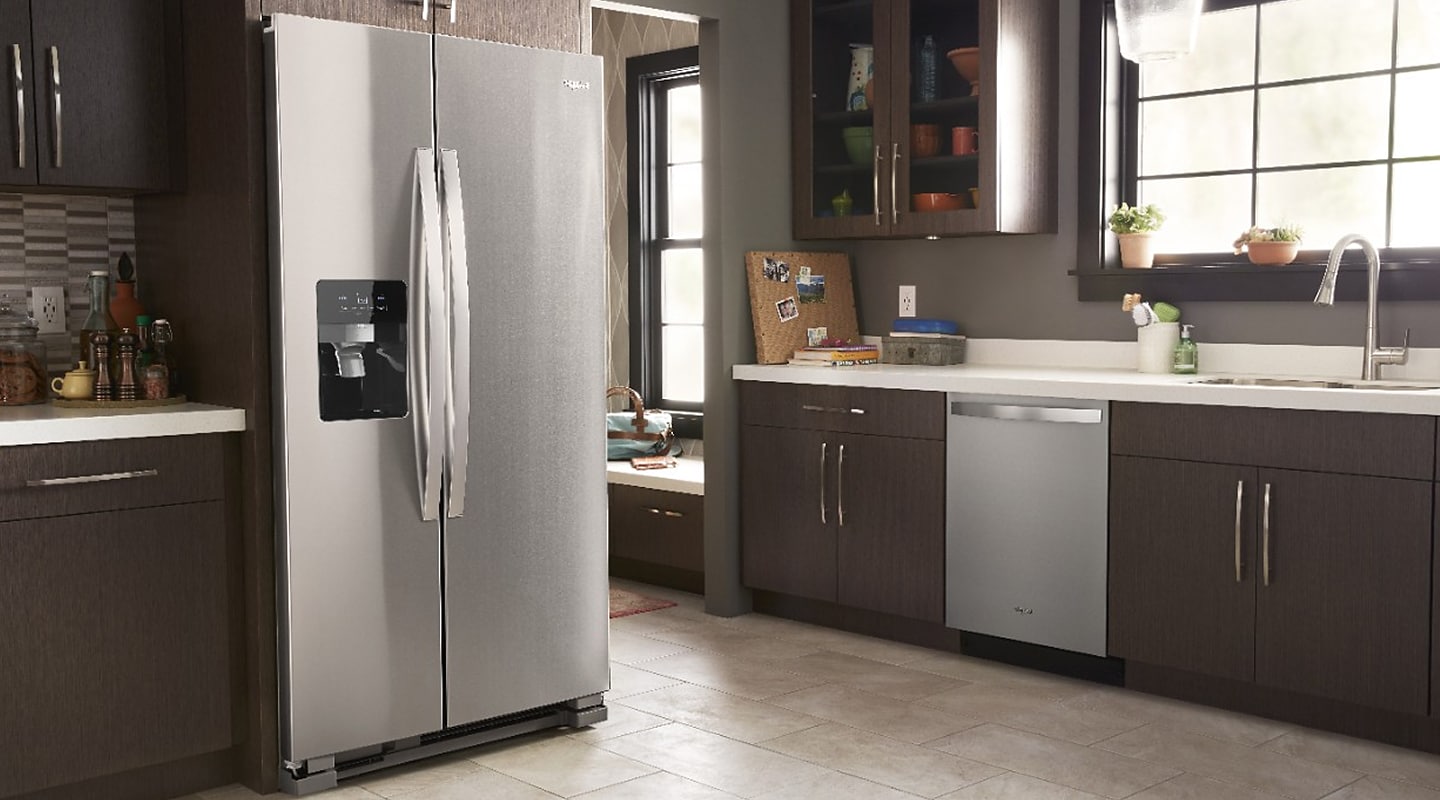
Side-by-side refrigerators split the fridge and freezer vertically. They have narrow doors, saving space when opening in tight kitchens. These units offer easy access to frozen and fresh items at the same height. They suit kitchens with limited clearance near the fridge spot.
Compact And Built-in Options
Compact refrigerators fit small kitchens or secondary spaces. They work well under counters or in pantry areas. Built-in refrigerators blend with cabinets for a seamless look. These models save floor space and create a clean kitchen design.
Credit: www.maytag.com
Frequently Asked Questions
Where Is The Best Spot For A Refrigerator In The Kitchen?
The best spot is near the kitchen entrance for easy access. Avoid placing it next to the oven or dishwasher to prevent heat damage. Ensure it does not block walkways and allows smooth kitchen workflow.
How Far Should A Refrigerator Be From The Cooking Area?
Maintain at least 6 to 12 inches distance between the refrigerator and cooking area. This prevents heat exposure that can reduce fridge efficiency and increase energy consumption. Proper spacing ensures better appliance performance.
Can A Refrigerator Be Placed Near A Window Or Heat Source?
Avoid placing a refrigerator near windows or heat sources like stoves. Direct sunlight and heat make the fridge work harder, increasing energy use and wear. Choose a cool, shaded spot for better efficiency.
Should A Refrigerator Be Recessed Into The Wall Or Freestanding?
Both options work, but recessed placement saves space and creates a streamlined look. Freestanding refrigerators offer easier access and ventilation. Choose based on kitchen layout and ventilation requirements.
Conclusion
Choosing the right spot for your refrigerator makes kitchen work easier. Keep it near the cooking area but not too close to heat sources. Make sure it does not block any pathways or doors. Think about how often you open it and what you store nearby.
A good location helps save energy and keeps food fresh longer. Take your kitchen size and layout into account before deciding. Small changes can create a big difference in your daily routine. A well-placed fridge supports a smooth and comfortable kitchen flow.