
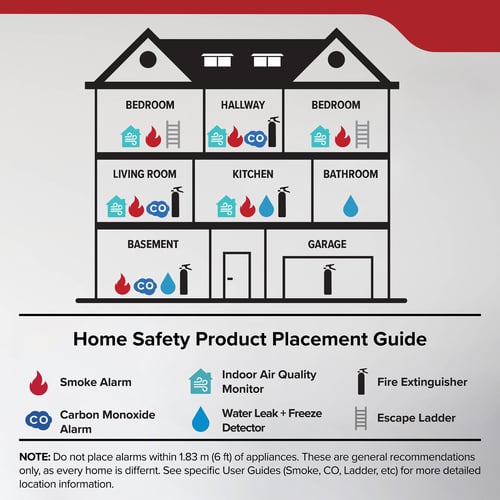
When it comes to keeping your home safe, your kitchen is one of the most important places to protect. But do you know exactly where to put a smoke detector in your kitchen?
Placing it in the wrong spot can cause false alarms or, worse, fail to alert you when there’s a real danger. You want to make sure your smoke detector works perfectly without disrupting your daily cooking. You’ll discover the best locations to install a smoke detector in your kitchen—so you can keep your family safe and avoid unnecessary stress.
Keep reading to find out how a simple change can make a huge difference in your home safety.
Choosing The Right Spot
Choosing the right spot for a smoke detector in the kitchen is important for safety and convenience. The kitchen has many sources of smoke and steam. This can cause false alarms if detectors are placed wrongly. Proper placement helps detect real fires quickly while avoiding unnecessary alerts.
Avoiding False Alarms
Smoke detectors near the stove or oven often sense cooking smoke. This causes frequent false alarms. Place the detector at least 10 feet away from cooking appliances. Avoid areas near windows, vents, or fans that blow smoke or steam. This reduces false signals and keeps alarms reliable.
Optimal Height For Detection
Smoke rises, so install the detector on the ceiling or high on the wall. The best height is 4 to 12 inches below the ceiling if mounted on a wall. Keep the detector away from corners where air flow is poor. Proper height ensures quick detection of smoke from any fire source.

Credit: www.sdmmag.com
Distance From Cooking Appliances
Choosing the right distance from cooking appliances is key when installing smoke detectors in kitchens. Too close to stoves or ovens, the detector might trigger false alarms. Too far, and it might not sense real smoke quickly.
Proper placement balances safety and functionality. It prevents nuisance alarms while still alerting you to real fire hazards early.
Keeping Away From Stoves And Ovens
Smoke detectors should not sit directly above or very close to stoves and ovens. Heat and steam from cooking create false alarms. These false alarms can cause frustration and lead to ignoring real warnings.
Experts suggest placing detectors at least 3 feet away from these appliances. This distance helps avoid smoke or steam triggering the alarm during normal cooking.
Safe Radius For Placement
Maintaining a safe radius ensures the detector works well without constant false alerts. The ideal spot is generally 10 to 20 feet from cooking areas.
This distance allows the detector to sense smoke from a fire early. At the same time, it reduces alarms caused by everyday cooking fumes.
- Place detectors on the ceiling or high on a wall.
- Keep them out of direct airflow from vents or fans.
- Ensure detectors are not blocked by cabinets or appliances.
Types Of Smoke Detectors For Kitchens
Choosing the right smoke detector for your kitchen is important. Different types of smoke detectors respond to different kinds of fires. Kitchens often create smoke from cooking, which can trigger false alarms. Selecting a suitable detector reduces false alarms while keeping safety high.
Photoelectric Vs Ionization
Photoelectric smoke detectors sense smoke with a light beam. They detect slow, smoldering fires quickly. These fires produce a lot of smoke but little flame.
Ionization smoke detectors use a small amount of radioactive material to sense particles. They react faster to fast, flaming fires. Such fires produce less smoke but more flames.
In kitchens, photoelectric alarms work better. Cooking smoke triggers ionization alarms too often. Photoelectric alarms reduce false alarms and alert you to real danger.
Combination Alarms
Combination alarms use both photoelectric and ionization sensors. They provide broad detection for different fire types.
These alarms offer better safety coverage. They detect both slow and fast fires quickly.
Combination alarms are a good choice for kitchens. They balance sensitivity and reduce false alarms from cooking smoke.
Alternative Detection Devices
Smoke detectors in kitchens can be tricky. The frequent cooking fumes and steam often cause false alarms, which can be frustrating. That’s why looking at alternative detection devices might be a smarter choice for your kitchen safety.
Heat Detectors
Heat detectors sense a rapid rise in temperature rather than smoke, making them ideal for kitchens. They won’t trigger an alarm due to burnt toast or steam from boiling water. Instead, they activate only when the temperature reaches a dangerous level.
Consider placing heat detectors near cooking appliances but away from vents and windows to avoid false triggers. They offer peace of mind without the constant interruptions of false alarms. Have you ever experienced a smoke detector going off just because of cooking? Heat detectors can prevent that hassle.
Carbon Monoxide Alarms
Carbon monoxide (CO) is a silent threat, especially in kitchens with gas stoves or ovens. CO alarms detect this odorless, colorless gas, alerting you before it becomes dangerous. Installing them near kitchens helps protect your family from this invisible danger.
Place CO alarms at least 5 feet above the floor and away from cooking appliances to avoid false alerts caused by normal cooking fumes. They don’t replace smoke detectors but work alongside them to create a safer environment. Are you sure your kitchen is safe from invisible gases?
Installation Tips
Place smoke detectors away from cooking appliances to avoid false alarms. Mount them on the ceiling or high on walls, at least 10 feet from the stove. Ensure good airflow and avoid areas with steam or grease buildup.
When installing a smoke detector in your kitchen, it's crucial to ensure it's both effective and unobtrusive. Correct placement can mean the difference between early detection of a fire and potentially dangerous delays. You'll want to think strategically about where you mount this lifesaving device.
Mounting On Ceilings Vs Walls
Mounting smoke detectors on the ceiling is often ideal because smoke rises. Position it at least 12 inches away from the wall to avoid the dead air space where smoke might not reach. On the other hand, if you choose to mount it on the wall, ensure it's 4 to 12 inches down from the ceiling. This placement helps capture smoke before it dissipates. Consider the layout of your kitchen; a wall mount might be better in a compact space where ceiling mounting is impractical.
Avoiding Airflow Obstructions
Steer clear of installing the detector near windows, doors, or vents where drafts could push smoke away. This mistake could prevent the detector from working when you need it most. Think about your kitchen's airflow. Is there a spot where a breeze might interfere with detection? Positioning the smoke detector in a draft-free area ensures it functions correctly. Personal experience taught me this lesson: after an alarm failed to trigger during a smoky cooking mishap due to a nearby window draft, I repositioned the detector, and it made all the difference. By considering these factors and making thoughtful decisions, you ensure the safety of your home. Are you confident in the placement of your smoke detectors? Reevaluate today and make your kitchen safer.

Credit: www.wconline.com
Maintenance And Testing
Keeping a smoke detector in good working order is crucial for kitchen safety. Regular maintenance ensures it will alert you during a fire emergency. Testing and cleaning are simple tasks that extend the detector's life and improve its reliability.
Regular Cleaning
Smoke detectors can collect dust and grease in the kitchen. This buildup can stop the sensor from working properly. Clean the detector every month to keep it sensitive. Use a soft brush or vacuum with a soft nozzle. Avoid spraying cleaners directly on the device. Wipe the outside gently with a damp cloth.
Battery Replacement Schedule
Smoke detectors need fresh batteries to work well. Replace batteries at least once a year. Some models beep when the battery is low. Change the battery immediately if you hear this sound. Keep spare batteries near the detector for quick replacement. Check the batteries during daylight saving time changes.

Credit: www.reddit.com
Frequently Asked Questions
Where Is The Best Place To Install A Kitchen Smoke Detector?
Install the smoke detector on the ceiling, at least 10 feet from cooking appliances. Avoid placing it directly above the stove to prevent false alarms.
Can A Smoke Detector Be Placed Inside The Kitchen?
It's not recommended to place smoke detectors inside the kitchen. Heat and steam can trigger false alarms, so place them nearby but outside the kitchen area.
How Far Should Smoke Detectors Be From Kitchen Appliances?
Keep smoke detectors at least 10 feet away from cooking appliances. This distance helps reduce false alarms caused by normal cooking smoke or steam.
Should Smoke Detectors Be Installed On The Wall Or Ceiling?
Smoke detectors work best when installed on the ceiling. If ceiling installation is not possible, place it high on a wall, 4 to 12 inches below the ceiling.
Conclusion
Placing a smoke detector correctly in the kitchen keeps your home safe. Avoid putting it too close to the stove to prevent false alarms. Mount it on the ceiling or high on a wall, away from steam and heat. Regularly check and clean the detector to ensure it works well.
A well-placed smoke detector alerts you quickly in case of fire. Safety starts with smart choices. Protect your family and home by choosing the right spot for your kitchen smoke detector.