
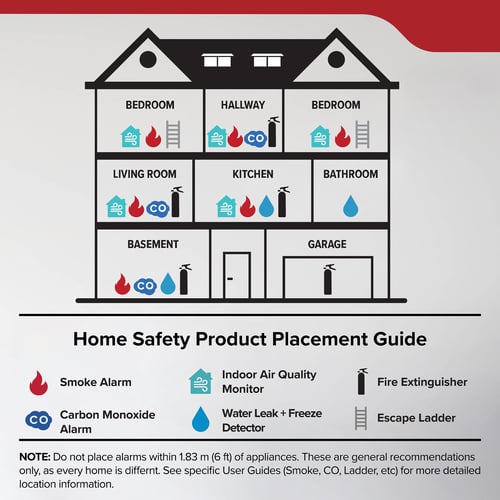
Have you ever wondered where to put smoke detectors in your kitchen to keep your home truly safe? Placing smoke detectors in the right spots can make all the difference between a small warning and a dangerous fire.
You want to protect your loved ones and your property, but the kitchen can be tricky with all the steam, heat, and cooking smells. You’ll discover the best places to install smoke detectors in your kitchen so you get early alerts without false alarms.
Keep reading to make your kitchen safer and give yourself peace of mind.
Choosing The Right Smoke Detector
Choosing the right smoke detector for your kitchen is essential for safety. Kitchens often produce smoke and steam, which can cause false alarms. The type of sensor in the smoke detector matters a lot. It affects how quickly the alarm reacts to real fires and avoids false alerts. Understanding the differences between sensor types helps pick the best device for your kitchen.
Photoelectric Vs Ionization Sensors
Photoelectric sensors detect smoke from slow, smoldering fires. They use a light beam to sense smoke particles. These sensors are less likely to trigger false alarms from cooking smoke or steam.
Ionization sensors detect fast, flaming fires. They use a small amount of radioactive material to sense smoke. These sensors respond quickly to flames but can react to normal kitchen smoke, causing false alarms.
For kitchens, photoelectric smoke detectors are usually better. They reduce false alarms while still providing good fire detection.
Considering Heat Detectors For Kitchens
Heat detectors react to temperature changes, not smoke. They sound an alarm when the room temperature rises quickly or reaches a set point.
Heat detectors work well in kitchens because they avoid false alarms from cooking smoke. They are good for areas with a lot of steam or smoke from cooking.
Heat detectors should be combined with smoke detectors in other parts of the home for full protection.

Credit: www.sdmmag.com
Ideal Smoke Detector Locations
Placing smoke detectors correctly in your kitchen is crucial for both safety and avoiding false alarms. The ideal locations balance quick smoke detection with minimizing nuisance triggers from everyday cooking. Understanding where to position your detectors can protect your home without causing unnecessary disruptions.
Ceiling Placement Guidelines
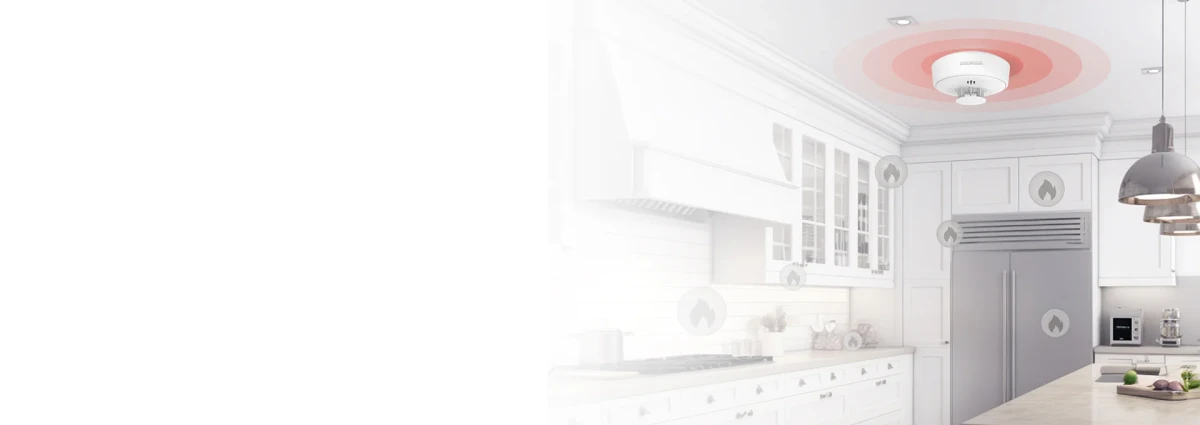
Smoke rises, so ceiling placement is usually the most effective. Install your smoke detector on the ceiling, at least 10 feet away from cooking appliances to reduce false alarms from normal cooking smoke.
Avoid placing the detector near ceiling fans or vents, as airflow can delay smoke reaching the sensor. If your kitchen ceiling is sloped, position the detector within 3 feet of the highest point to catch smoke early.
Wall Placement Recommendations
When ceiling installation isn’t possible, mounting the detector on a wall is the next best option. Place it 4 to 12 inches below the ceiling to allow smoke to rise naturally to the sensor.
Keep the detector away from windows and doors where drafts might interfere with smoke detection. Positioning it near the kitchen entrance can alert you quickly if smoke spreads beyond the cooking area.
Distance From Cooking Appliances
Smoke detectors need to be close enough to detect smoke quickly but far enough to avoid false alarms. Maintain at least a 10-foot distance from stoves, ovens, and other heat sources.
If your kitchen is small and you can’t keep that distance, consider installing a photoelectric smoke detector, which is less sensitive to normal cooking fumes. Have you experienced frequent false alarms during cooking? Adjusting the distance or type of detector can make a big difference.
Avoiding False Alarms
Smoke detectors in the kitchen can often trigger false alarms. Cooking activities generate smoke and steam, causing unwanted alerts. Proper placement helps reduce these false alarms. Let's explore effective strategies for positioning smoke detectors in the kitchen.
Keeping Detectors Away From Steam Sources
Steam from cooking can set off smoke alarms. Keep detectors away from stovetops and ovens. Install them at least 10 feet away from these sources. This distance helps avoid unnecessary alerts.
Position detectors closer to the ceiling, but away from direct steam paths. This ensures they detect smoke, not steam. Consider areas less affected by cooking vapors.
Proper Ventilation And Detector Positioning
Good ventilation helps reduce false alarms. Use exhaust fans to disperse steam and smoke. This keeps air around detectors clearer.
Position detectors near ventilation sources, like vents or windows. This allows smoke to reach detectors without interference. Avoid placing detectors in corners. Airflow is limited in these spots.
Ensure detectors are accessible for maintenance. Regular checks prevent malfunctions and false alarms.
Credit: www.firedetectionshop.co.uk
Installation Tips
Proper installation of smoke detectors in the kitchen ensures early warning and safety. Placement and setup affect the device’s effectiveness. Follow simple tips for the best results. Correct installation reduces false alarms and improves response time.
Mounting Height And Angle
Place smoke detectors on the ceiling or high on the wall. Smoke rises, so higher mounting catches smoke early. Keep detectors at least 10 feet from cooking appliances to reduce false alarms. Angle detectors away from stoves and vents to avoid steam and smoke from cooking.
Using Multiple Detectors
Large kitchens benefit from more than one smoke detector. Install detectors in different areas to cover the whole space. For open layouts, place detectors near dining and cooking zones. Connect multiple detectors to alert all areas simultaneously. This setup increases safety and ensures no smoke goes unnoticed.
Maintenance And Testing
Keeping your smoke detectors in top shape is just as important as placing them correctly in your kitchen. Regular maintenance and testing ensure they work effectively when you need them most. You wouldn’t want to find out your smoke detector isn’t functioning during an emergency, right?
Regular Cleaning
Smoke detectors can collect dust and grease, especially in a kitchen environment. This buildup can interfere with their sensors and cause false alarms or, worse, prevent them from detecting smoke.
Use a vacuum cleaner with a soft brush attachment to gently clean the exterior of your detector. Avoid spraying cleaners or water directly on it, as moisture can damage the internal components.
Try to clean your smoke detectors at least once every three months. This simple habit can save you from unnecessary stress and keep your kitchen safe.
Routine Battery Checks
Your smoke detector’s battery life directly affects its reliability. Even if your detector is hardwired, most have backup batteries that need regular checks.
Test the alarm monthly by pressing the test button. If the sound is weak or absent, replace the batteries immediately. Keep spare batteries handy so you’re never caught off guard.
Have you ever found a dead battery right when it mattered? Regular checks prevent this problem and give you peace of mind every day.
Additional Safety Measures
Extra safety measures help protect your kitchen better. Smoke detectors alone may not cover all dangers. Combining different alarms and systems can improve safety. These measures add layers of protection for your home and family.
Combining Smoke And Carbon Monoxide Alarms
Smoke and carbon monoxide alarms catch different risks. Smoke alarms detect fire and smoke. Carbon monoxide alarms sense deadly gas without smell or color. Installing both alarms in or near the kitchen is smart.
Combination alarms that detect smoke and carbon monoxide save space. They simplify maintenance and reduce false alarms. Place these alarms on the ceiling or high on walls, away from cooking steam.
Integrating Detectors With Home Security Systems
Home security systems can link with smoke and carbon monoxide detectors. Integration sends alerts to your phone or monitoring center. This quick notification helps react fast during emergencies.
Some systems allow remote testing and silence alarms from your phone. Integration also triggers other safety features like unlocking doors or turning on lights. This makes evacuation easier and safer.

Credit: www.wconline.com
Frequently Asked Questions
Where Should Smoke Detectors Be Installed In Kitchens?
Install smoke detectors at least 10 feet away from cooking appliances. Avoid placing them directly above stoves to prevent false alarms caused by cooking smoke and steam.
Can Smoke Detectors Be Placed Inside Kitchen Cabinets?
No, smoke detectors should not be placed inside kitchen cabinets. They need open air to detect smoke early and function effectively.
How High Should Smoke Detectors Be In The Kitchen?
Smoke detectors should be mounted on the ceiling or high on a wall. Smoke rises, so placing detectors high ensures early detection.
Why Avoid Placing Smoke Detectors Near Kitchen Vents?
Placing detectors near vents can cause false alarms or delay smoke detection. Airflow from vents may interfere with the smoke reaching the detector promptly.
Conclusion
Placing smoke detectors properly in the kitchen keeps your home safe. Avoid installing them too close to the stove to prevent false alarms. Mount detectors on the ceiling or high on walls where smoke rises. Test them regularly and change batteries often.
A well-placed smoke detector alerts you quickly to danger. Protect your family and property with smart placement. Stay safe and enjoy peace of mind every day.