
Where you put your refrigerator in the kitchen can change the way you cook, move, and even enjoy your space. Imagine reaching for a snack without bumping into someone or having a smooth flow from fridge to stove when preparing meals.
It’s not just about fitting a big appliance; it’s about making your kitchen work for you. You’ll discover smart, practical spots to place your refrigerator that save time, reduce stress, and make your kitchen feel just right. Keep reading—you’ll want to rethink your kitchen layout after this!

Credit: www.searshomeservices.com
Choosing The Right Spot
Choosing the right spot for your refrigerator impacts kitchen flow and efficiency. It affects how you move and work in the space. A well-placed fridge makes cooking and cleaning easier. Consider your kitchen layout and daily habits before deciding.
Near The Cooking Area
Placing the fridge near the cooking area saves time. You can grab ingredients quickly without walking far. This spot helps keep the cooking process smooth. Avoid blocking pathways or making the area feel cramped.
Close To The Pantry
Keep the fridge close to the pantry for easy access. It allows quick transfer of groceries and ingredients. This setup helps organize food storage better. It also reduces steps when preparing meals.
Avoiding Heat Sources
Keep the fridge away from heat sources like ovens or windows. Heat makes the fridge work harder and wastes energy. A cooler spot helps the fridge run efficiently. Protect your food and save on electricity bills.
Considering Kitchen Layouts
Choosing the right spot for your refrigerator depends on your kitchen layout. The fridge should be easy to access but not block key work areas. It needs space to open and close smoothly. Each kitchen style has unique needs to keep your cooking flow smooth and efficient.
Galley Kitchen Tips
Galley kitchens have two parallel counters. Place the refrigerator at one end. This keeps the fridge close to both the cooking and prep areas. Avoid putting it in the middle to prevent traffic jams. Make sure there is enough room to open the fridge door fully without blocking pathways.
L-shaped Kitchen Ideas
L-shaped kitchens offer corner space and two main work zones. Position the refrigerator near the prep area for easy ingredient access. It can be placed at the end of one counter or tucked into a corner. Keep some counter space next to the fridge to set down items quickly.
Open Concept Kitchens
Open concept kitchens blend with living spaces. The refrigerator should be accessible but not dominate the area. Place it along a wall or in a built-in cabinet. This keeps the kitchen tidy and integrated with the rest of the home. Consider how the fridge fits with dining and seating zones.
Optimizing Workflow
Placing the refrigerator near the kitchen entrance saves time and effort. Keeping it close to the prep area makes cooking smoother and faster. Avoid blocking walkways to maintain easy movement throughout the kitchen.
Optimizing Workflow in your kitchen enhances efficiency and ease. Proper fridge placement plays a key role. It influences how you move, cook, and manage tasks. Let's explore strategic fridge placements.
Creating A Work Triangle
The work triangle involves the fridge, stove, and sink. These are the three main kitchen areas. Arrange them in a triangle for smooth workflow. Keep the fridge within easy reach of the stove and sink. This reduces unnecessary steps. It saves time and energy.
Easy Access For Multiple Users
Place the fridge where multiple users can reach it easily. Consider the main traffic flow. Avoid placing the fridge in a corner. Ensure everyone can open it without hassle. Think about kids accessing snacks. Or guests grabbing drinks. A central location might work best. Effective fridge placement optimizes kitchen functionality. It enhances daily cooking and cleaning tasks. With these tips, create a kitchen that works for you.
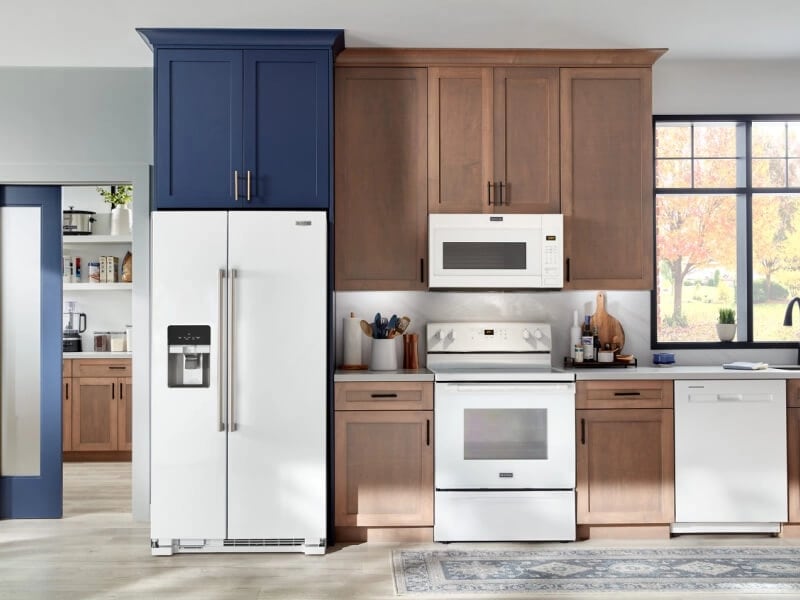
Credit: www.maytag.com
Space And Size Factors
Choosing the right place for your refrigerator depends heavily on space and size factors. The kitchen layout must allow enough room for the fridge without blocking walkways or cabinets. Proper space ensures the refrigerator doors open fully and the unit runs efficiently.
Careful planning avoids tight spots that make daily use difficult. Measuring your kitchen space and selecting the correct refrigerator size can make a big difference in comfort and functionality.
Measuring Available Space
Start by measuring the height, width, and depth of the spot you want for the fridge. Leave extra space for ventilation, usually 1 to 2 inches around the sides and back. Check if the floor is level and strong enough to support the refrigerator’s weight.
Consider door clearance to avoid blocking pathways. Measure the door swing space to ensure it can open fully without hitting walls or cabinets. Don’t forget to check overhead cabinets or shelves that might limit fridge height.
Choosing The Right Refrigerator Size
Pick a refrigerator size that fits your kitchen space and your household needs. Small models suit tight kitchens but may lack storage. Larger fridges offer more capacity but require more space.
Think about how many people live in your home. A family of four usually needs a fridge with 18 to 26 cubic feet. Singles or couples may find smaller models enough. Also, consider the fridge style—top freezer, bottom freezer, or side-by-side—which affects size and layout.
Aesthetic And Design Tips
Placing the refrigerator in the kitchen affects the room’s overall look. It should blend well with the design. Balance is key to a neat and stylish space. Choosing the right style for the fridge can make the kitchen feel welcoming and clean. Design choices can also help hide the appliance when needed. Use smart ideas to keep the kitchen’s flow smooth and attractive.
Matching Cabinets And Refrigerator
Select a refrigerator color that matches the cabinets closely. This creates a uniform and clean look. White or stainless steel fridges work well with most cabinet styles. For bold designs, match the fridge to the cabinet color exactly. This makes the fridge feel like part of the cabinetry, not a separate item.
Consider the fridge’s size and shape to fit cabinet lines. Built-in models often fit flush with cabinetry. This avoids awkward gaps and maintains a smooth kitchen wall. The goal is to make the refrigerator appear as a natural extension of the cabinets.
Concealing With Panels
Use cabinet panels to cover the refrigerator doors. This technique hides the fridge behind matching wood or laminate. It blends the appliance into the kitchen’s design. Panel-ready fridges allow easy installation of custom covers.
Concealing the fridge keeps the space looking tidy. It also hides fingerprints and smudges. Panels can be designed to match any kitchen style. This method works well in open-plan kitchens to maintain a seamless look.
Practical Considerations
Choosing the right spot for your refrigerator requires careful thought. Practical considerations affect daily use and kitchen flow. Proper placement helps avoid hassle and keeps your kitchen safe and efficient. Focus on door swing direction, ventilation needs, and electrical outlet placement. These factors impact convenience and appliance performance.
Door Swing Direction
The refrigerator door must open easily without hitting walls or cabinets. It should allow smooth access to shelves and drawers. Check if the door can swing fully without obstruction. Some models let you change the door side. Pick the door swing direction that fits your kitchen layout best. This avoids awkward movements and saves time during cooking.
Ventilation Needs
Refrigerators need space around them for air to flow. Proper ventilation prevents overheating and improves efficiency. Leave at least two inches of space on the sides and top. Avoid placing the fridge near heat sources like ovens or direct sunlight. Good airflow helps the refrigerator work quietly and reduces energy use.
Electrical Outlet Placement
Place the refrigerator near a grounded electrical outlet. This avoids using long extension cords, which can be unsafe. The outlet should be easily accessible but not exposed to water. Check the fridge’s power cord length before choosing the spot. Correct outlet placement ensures smooth operation and easy connection.
Avoiding Common Mistakes
Choosing the right spot for your refrigerator is key to a smooth kitchen workflow. Avoiding common placement errors can save space and boost kitchen efficiency. Simple mistakes often cause daily annoyances and reduce kitchen comfort.
Blocking Traffic Flow
Placing the refrigerator where people walk often causes blockages. It can slow down movement and create crowded spaces. Keep the fridge away from main pathways to prevent this. Make sure doors open fully without hitting walls or counters. A clear path around the fridge keeps the kitchen safe and easy to use.
Placing Near Heat Appliances
Heat sources like ovens or stoves make the refrigerator work harder. This wastes energy and shortens its lifespan. Avoid placing the fridge next to these heat appliances. A cool spot helps the fridge stay efficient and saves electricity. Leave some space between the fridge and any heat source for better performance.
Ignoring Accessibility
The refrigerator should be easy to open and reach. Avoid spots that require moving other items or bending too much. Place it near the cooking and prep areas for quick access. Everyone in the kitchen should use it without trouble. Good accessibility speeds up meal preparation and reduces frustration.
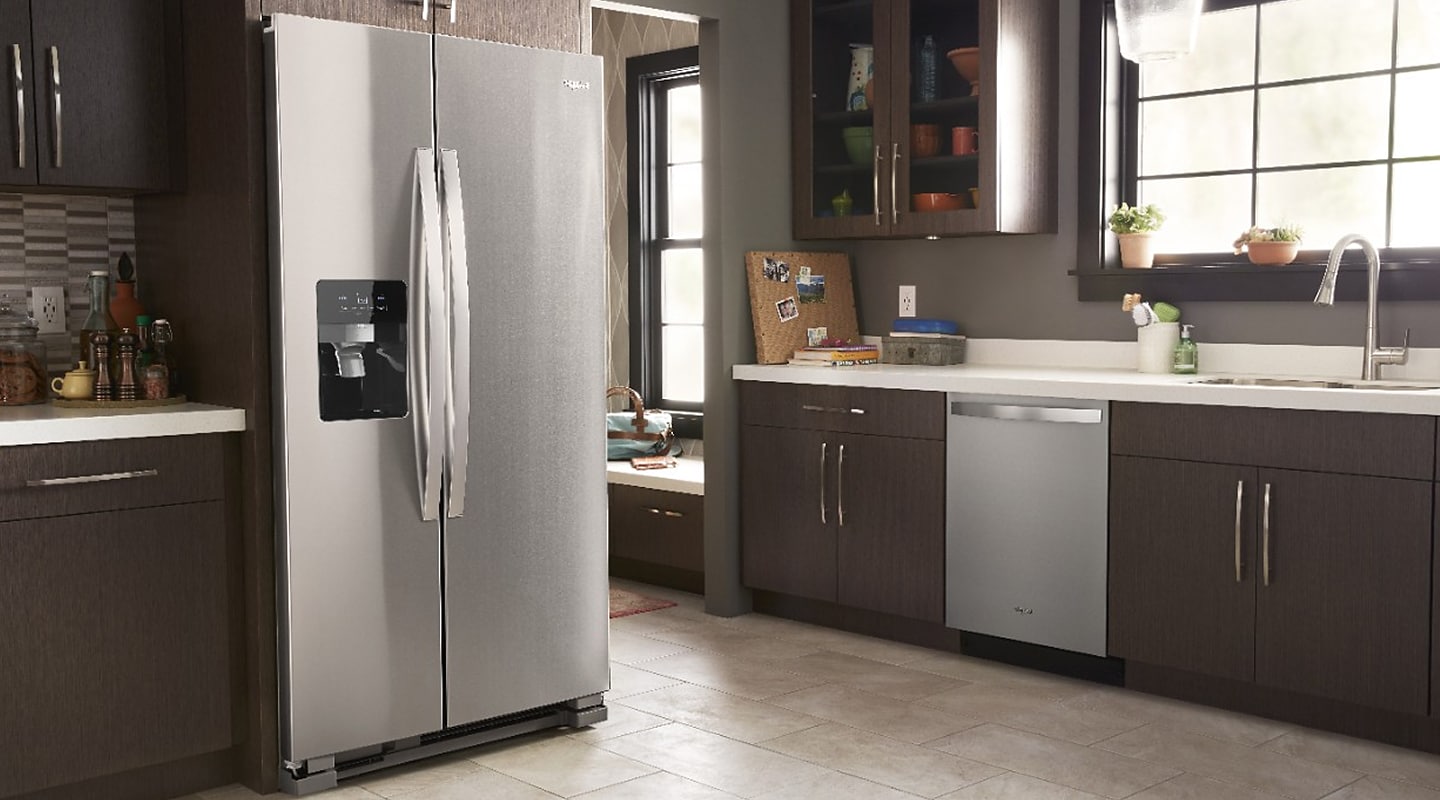
Credit: www.whirlpool.com
Frequently Asked Questions
Where Is The Best Place To Put A Refrigerator In The Kitchen?
The best place is near the cooking and prep areas. It creates an efficient kitchen workflow. Avoid placing it near heat sources like ovens.
Can I Put The Refrigerator Next To The Stove?
It’s not ideal to place a refrigerator next to the stove. Heat from the stove makes the fridge work harder, increasing energy use.
How Far Should A Refrigerator Be From The Sink?
A refrigerator should be at least a few feet from the sink. This prevents moisture damage and avoids cluttering the workspace.
Should The Refrigerator Door Open Towards The Kitchen Workspace?
Yes, the door should open towards the kitchen workspace. It allows easy access and smooth movement during food preparation.
Conclusion
Choosing the right spot for your refrigerator makes cooking easier. Place it near the main kitchen areas you use most. Keep enough space for doors to open fully. Avoid spots near heat sources like ovens or sunlight. This helps your fridge run well and saves energy.
Think about your kitchen flow and daily habits. Small changes can improve your kitchen’s look and function. A well-placed fridge keeps your food fresh and your kitchen smooth. Take time to plan, and your kitchen will feel just right.