

Choosing the right smoke detector for your kitchen isn’t just about safety—it’s about peace of mind. You want a device that alerts you quickly but doesn’t go off every time you cook.
With so many options available, it can be confusing to know which one fits your needs best. You’ll discover the top smoke detectors designed specifically for kitchens. By the end, you’ll feel confident about protecting your home without the hassle of false alarms.
Keep reading to find the perfect match for your kitchen safety.
Types Of Smoke Detectors
Choosing the right smoke detector for your kitchen starts with understanding the types available. Each type works differently and reacts to specific conditions. Knowing these differences helps you pick a detector that fits your kitchen’s unique environment and reduces false alarms.
Ionization Smoke Detectors
Ionization detectors sense tiny particles from fast-flaming fires. They use a small amount of radioactive material to detect smoke. These detectors respond quickly to sudden flames, but they can be triggered by common kitchen smoke, like burnt toast.
If you’ve ever had your smoke alarm go off while cooking eggs, it was likely an ionization detector reacting to small smoke particles. They’re great for general home use but may cause frequent false alarms in kitchens.
Photoelectric Smoke Detectors
Photoelectric detectors spot larger smoke particles from smoldering fires. They use a light beam to detect smoke, triggering the alarm when the light is scattered by smoke particles. These are less sensitive to cooking smoke, making them a better fit for kitchens.
Many homeowners find photoelectric alarms quieter and less annoying during everyday cooking. Would you prefer an alarm that alerts you only to real danger, not burnt food?
Dual-sensor Smoke Detectors
Dual-sensor detectors combine ionization and photoelectric technologies. They offer the broadest detection range, reacting to both flaming and smoldering fires. This makes them versatile but sometimes more prone to false alarms in the kitchen.
If you want maximum safety but dislike frequent false alerts, consider a dual-sensor model with smart features like hush buttons or alarm delay options. Have you thought about how much control you want over your smoke alarms?
Heat Detectors
Heat detectors don’t sense smoke but react to temperature changes. They trigger the alarm when the heat rises rapidly or reaches a set level. These detectors are ideal for kitchens because they avoid false alarms caused by normal cooking smoke.
Installing a heat detector in your kitchen can reduce nuisance alarms while still providing safety. Do you want a detector that only alerts you to real fire threats, not everyday cooking activities?
Credit: www.businessinsider.com
Challenges In Kitchen Smoke Detection
Detecting smoke in the kitchen poses unique problems. Cooking often produces smoke and steam that can confuse smoke detectors. These devices need to sense real danger without causing constant false alarms. Understanding these challenges helps in choosing the right smoke detector for the kitchen.
False Alarms From Cooking Smoke
Smoke from frying or grilling triggers many alarms. Smoke detectors may mistake cooking smoke for fire smoke. Frequent false alarms can make people ignore warnings. This reduces safety and creates frustration in the kitchen.
Humidity And Steam Issues
Steam from boiling water or dishwashing affects smoke sensors. High humidity can cause detectors to malfunction. Some detectors react to steam as if it were smoke. This leads to unnecessary alarms and wasted battery life.
Placement Considerations
Where to install smoke detectors in the kitchen matters a lot. Placing them too close to the stove causes false alarms. Too far away, and they might not detect smoke early. Proper placement balances safety and alarm accuracy.
Key Features For Kitchen Smoke Detectors
Choosing the right smoke detector for the kitchen is important. Kitchens produce steam, smoke, and heat often. This can cause many false alarms with standard detectors. A good kitchen smoke detector must handle these challenges well. It should detect real danger quickly and avoid false alerts. Several key features make a detector suitable for kitchen use.
False Alarm Resistance
False alarms happen when detectors react to cooking smoke or steam. Kitchen smoke detectors need special sensors to reduce false alerts. Photoelectric sensors work best as they detect smoke from real fires more accurately. Some models include a hush button to silence alarms briefly during cooking. This feature helps avoid constant noise without turning off safety.
Sensitivity Levels
Sensitivity controls how easily a detector triggers an alarm. In kitchens, lower sensitivity is better to ignore harmless smoke. Adjustable sensitivity settings let users find the right balance. Detectors designed for kitchens have built-in sensitivity tuning. This ensures alarms sound only for actual threats, not light cooking smoke.
Battery Life And Power Options
Long battery life is vital for reliable operation. Many kitchen detectors use lithium batteries lasting several years. Some connect directly to home power with a battery backup. This combination ensures the detector works even during power outages. Easy battery replacement and low battery alerts keep safety intact.
Smart Connectivity
Smart smoke detectors connect to phones and home systems. They send alerts instantly if smoke is detected. This feature is useful when away from home. Some models link with other detectors to sound alarms together. Smart connectivity adds extra protection and peace of mind in kitchen safety.
Top Reliable Smoke Detectors For Kitchen
Choosing a smoke detector designed for kitchens helps avoid false alarms from cooking smoke. Optical or photoelectric detectors work best in this environment. These models react quickly to real smoke while ignoring harmless steam or odors.
When it comes to ensuring safety in the kitchen, selecting the right smoke detector is crucial. The kitchen is a hotspot for potential fire hazards, making it essential to choose a smoke detector that minimizes false alarms while providing reliable protection. But which smoke detector is best suited for this bustling room where culinary magic happens? Let’s dive into some top contenders and explore their features.
Best Photoelectric Model
Photoelectric smoke detectors are a popular choice for kitchens due to their ability to detect slow, smoldering fires that often occur with cooking. These detectors are less prone to false alarms from cooking smoke. A recommended model is the First Alert SA511CN2-3ST, known for its reliability and ease of installation.
Best Dual-sensor Model
If you're looking for comprehensive coverage, a dual-sensor smoke detector might be your best bet. These models combine photoelectric and ionization sensors to detect both fast-flaming and slow-smoldering fires. The Kidde PI2010 is a standout option, offering dual-sensor technology to enhance safety in your kitchen without being overly sensitive to cooking fumes.
Best Heat Detector
In kitchens where smoke can frequently trigger false alarms, a heat detector may be a more practical choice. These detectors are designed to respond to a rapid rise in temperature rather than smoke. The Kidde HD135F is a reliable model that activates when the temperature climbs to dangerous levels, offering peace of mind when you're busy cooking up a storm.
Best Smart Smoke Detector
For those who want cutting-edge technology, a smart smoke detector brings convenience and enhanced safety. These detectors connect to your smartphone, providing alerts no matter where you are. The Google Nest Protect stands out with its ability to distinguish between smoke and steam, reducing unnecessary alarms and keeping your kitchen safe with a sleek, modern design. Choosing the right smoke detector for your kitchen can make a significant difference in both safety and peace of mind. Which one will you trust to protect your home while you create culinary masterpieces?
Installation Tips For Kitchen Smoke Detectors
Installing a smoke detector in your kitchen requires careful thought to ensure it works effectively without causing false alarms. The kitchen environment is unique, with heat, steam, and cooking odors that can interfere with sensitive detectors. Getting the placement and maintenance right can save you from constant beeping and, more importantly, protect your home from fire hazards.
Ideal Placement Spots
Place your smoke detector at least 10 feet away from cooking appliances to avoid false alarms triggered by normal cooking smoke or steam. Mounting it on the ceiling is best since smoke rises, but keep it away from vents or windows where airflow could delay detection.
Think about the layout of your kitchen. Near exits or pathways can help alert you quickly if a fire starts. Also, avoid corners where smoke might get trapped and delay triggering the alarm.
Avoiding Common Mistakes
Don’t install smoke detectors directly above stoves or ovens. This spot is prone to steam and smoke from regular cooking, which can cause frequent false alarms. Many people also make the mistake of placing detectors too close to fans or air conditioners, which can blow smoke away and prevent the alarm from sounding.
Another error is neglecting to secure the detector properly. A loose detector might fall or fail to function correctly. Have you checked if your smoke detector’s mounting bracket fits snugly and is screwed tightly?
Maintenance And Testing
Regular testing is critical. Press the test button monthly to ensure your detector’s battery and sensor are working. Replace batteries at least once a year or when the low battery warning sounds.
Clean your smoke detector every few months by gently vacuuming around it to remove dust and grease buildup. These can interfere with the sensor’s ability to detect smoke. Maintaining your detector is as important as installing it in the right place—would you want a safety device that fails silently?
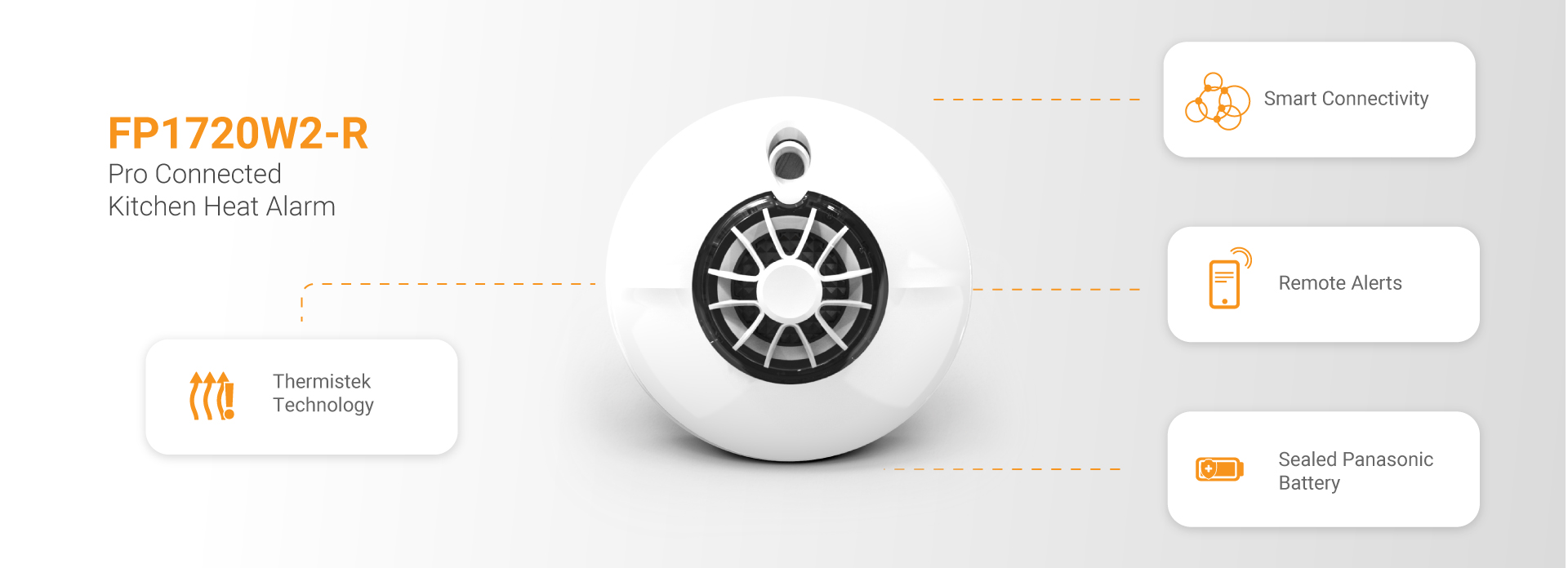
Credit: www.fireangel.co.uk
:max_bytes(150000):strip_icc()/spr-kidde-hardwired-smoke-alarm-i4618-julia-warren-01-faa480fecad5429d9cab4d8386ea1422.jpeg)
Credit: www.thespruce.com
Frequently Asked Questions
What Type Of Smoke Detector Suits Kitchens Best?
Photoelectric smoke detectors work best in kitchens. They detect slow, smoldering fires and reduce false alarms caused by cooking smoke.
Are Ionization Smoke Detectors Good For Kitchens?
Ionization detectors are sensitive to fast, flaming fires but often cause false alarms in kitchens due to cooking smoke.
Can Heat Detectors Replace Smoke Detectors In Kitchens?
Heat detectors are a good alternative in kitchens. They activate at high temperatures, avoiding false alarms from cooking fumes.
How Often Should Kitchen Smoke Detectors Be Tested?
Test kitchen smoke detectors monthly. Regular checks ensure they function properly and keep your kitchen safe from fire hazards.
Conclusion
Choosing the right smoke detector for your kitchen keeps your home safe. A good detector senses smoke quickly and reduces false alarms. Consider models with heat sensors or photoelectric technology for kitchens. Easy installation and regular testing help ensure they work well.
Remember, safety devices need care and attention. Protect your family with the best smoke detector today. Safety starts with smart choices and proper tools. Stay alert, stay safe.