

Have you ever wondered who cleans the kitchen in Hell’s Kitchen? When the intense heat of competition cools down and the cameras stop rolling, someone has to tackle the mess left behind.
You might think the contestants handle it, but the real story is more surprising—and reveals a lot about what goes on behind the scenes. If you want to know who keeps the chaos under control and how the kitchen stays spotless amid all the drama, keep reading.
This insider scoop will change the way you see your favorite cooking show forever.
Cleaning Responsibilities On Set
The kitchen on the set of Hell's Kitchenbuzzes with intense energy, but cleanliness remains a top priority. Behind the scenes, a well-organized system ensures that the space stays spotless and ready for action. Understanding who takes charge of cleaning can change how you view the show's behind-the-scenes dynamics.
Daily Cleaning Routine
Every day, the kitchen undergoes a thorough cleaning to prepare for filming. Surfaces, utensils, and cooking stations are wiped down multiple times to prevent cross-contamination. This routine keeps the environment safe and professional, even under the pressure of competition.
Trash is emptied regularly to avoid clutter and odors. Floors receive a deep clean at the end of each day, removing grease and spills that build up during long hours. This steady routine ensures the kitchen looks sharp on camera and functions smoothly.
Assigned Cleaning Crew
A dedicated cleaning crew is responsible for maintaining the kitchen throughout filming. These professionals work quietly behind the scenes, handling the heavy-duty tasks that contestants and chefs don’t have time for. Their expertise helps maintain hygiene standards that meet health regulations.
They clean large equipment, sanitize prep areas, and restock cleaning supplies. Without this team, the kitchen would quickly become chaotic and unsafe. Have you ever wondered how the show manages to keep up with such a fast-paced environment?
Role Of Contestants In Cleaning
Contestants aren’t off the hook when it comes to keeping the kitchen clean. They are required to clean their stations regularly during service to prevent mess from piling up. This habit encourages discipline and respect for the workspace.
Tasks often include washing dishes, wiping counters, and organizing ingredients. This shared responsibility can add pressure but also teaches valuable kitchen skills. How might this affect your own approach to cleanliness if you were competing?

Credit: www.youtube.com
Kitchen Maintenance Challenges
Keeping the kitchen clean in Hell's Kitchen presents unique challenges that go beyond typical restaurant maintenance. The intense pace and high standards demand constant attention to cleanliness. Understanding these challenges helps you appreciate the hard work behind the scenes.
High-pressure Environment
The kitchen operates under extreme pressure, especially during service times. Chefs and staff focus on speed and precision, often leaving little time for cleaning. This means the cleaning crew must work quickly and efficiently without disrupting the flow.
Have you ever wondered how they manage to keep everything spotless while orders fly out? It’s a delicate balance between maintaining hygiene and supporting the fast-paced rhythm.
Managing Spills And Messes
Spills happen constantly—oil splashes, sauce drips, and food bits scatter everywhere. Immediate cleanup is crucial to prevent accidents and cross-contamination. The cleaning team must be vigilant and ready to tackle messes the moment they occur.
They use specialized tools and quick-drying solutions to handle these situations without slowing down the kitchen. This proactive approach ensures safety and keeps the kitchen running smoothly.
Sanitation Standards
Hell’s Kitchen follows strict sanitation protocols to meet health regulations and customer expectations. Every surface, utensil, and appliance requires thorough cleaning and frequent sanitizing. This includes deep cleaning during breaks and after service.
Maintaining these standards demands teamwork and discipline. You might be surprised how detailed the cleaning checklists are, covering areas that often go unnoticed but are essential for food safety.
Behind-the-scenes Cleaning Tools
Behind the scenes of Hell's Kitchen, cleaning is not just a chore. It is a vital part of the show's fast-paced environment. The cleaning team uses special tools to keep the kitchen spotless and ready for intense cooking challenges. These tools help maintain hygiene and speed up the cleaning process.
Specialized Equipment
The kitchen staff uses various specialized tools to clean quickly and well. Heavy-duty scrubbers remove tough stains from ovens and grills. High-pressure steam cleaners sanitize surfaces without harsh chemicals. Commercial-grade floor scrubbers keep the floors clean and safe. Each piece of equipment suits the unique needs of a busy kitchen.
Eco-friendly Cleaning Products
Many cleaning products used in Hell's Kitchen are eco-friendly. These products are safe for the environment and the staff. They avoid harsh chemicals that can irritate the skin or lungs. Natural ingredients like vinegar and baking soda often replace strong detergents. This choice helps keep the kitchen fresh and healthy.
Time-saving Techniques
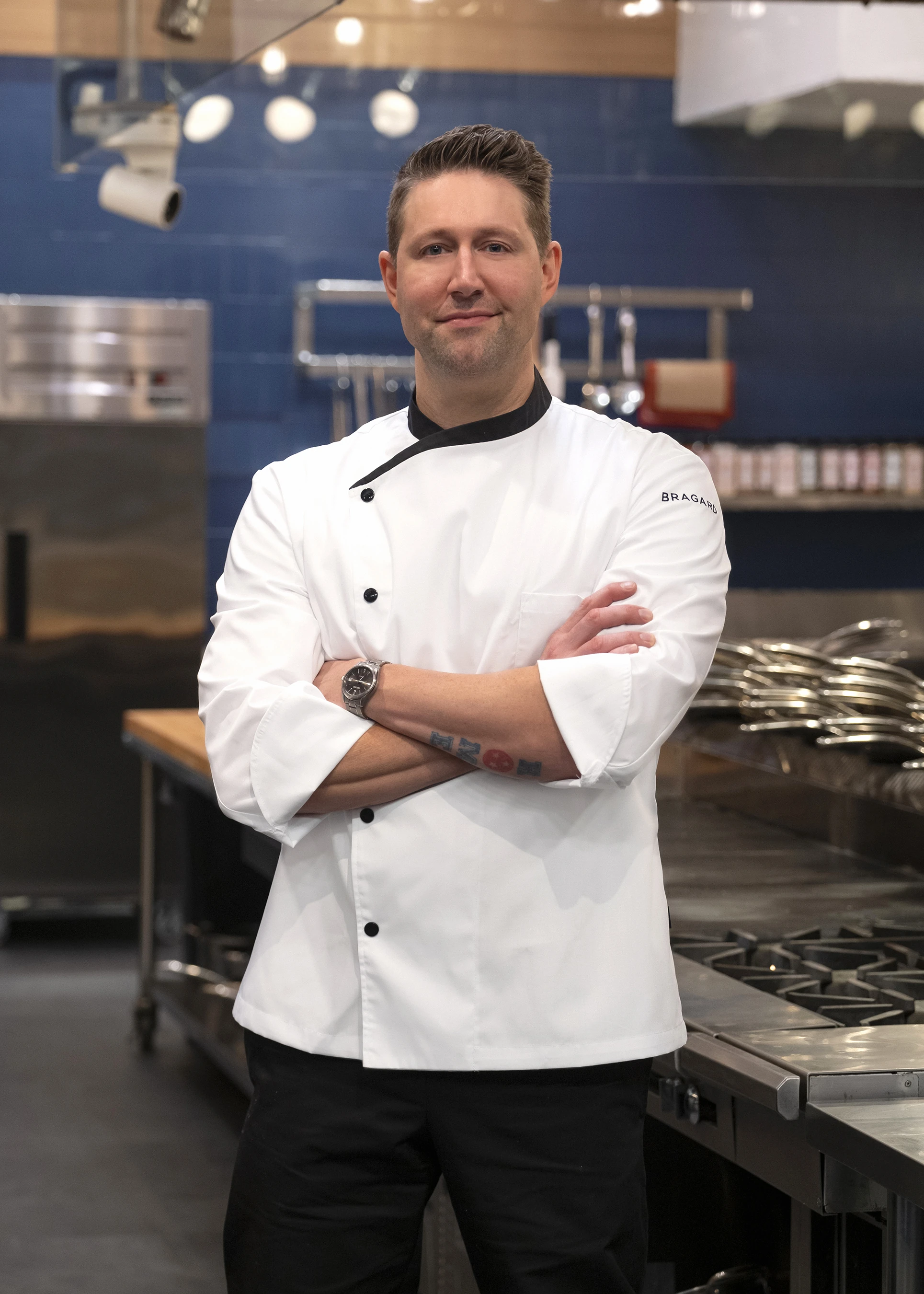
Speed is crucial in Hell's Kitchen, even in cleaning. The team uses multi-tasking tools to save time. For example, microfiber cloths clean and disinfect surfaces in one swipe. Color-coded cleaning tools prevent cross-contamination and speed up the process. The team also follows a strict cleaning schedule to cover all areas efficiently.
Credit: hellskitchen.fandom.com
Staff Coordination And Scheduling
Kitchen cleaning in Hell’s Kitchen is managed by the staff through clear coordination and strict schedules. Each team member has set duties to keep the kitchen clean and running smoothly. This organized approach ensures hygiene and efficiency during busy service times.
Coordinating and scheduling the cleaning staff in Hell's Kitchen is no easy feat. With the fast-paced environment and high standards of cleanliness, precise planning is essential. The team must work like a well-oiled machine to maintain the kitchen's pristine condition, even amidst chaos.
Shift Patterns For Cleaners
Cleaning shifts in Hell's Kitchen are meticulously planned. Typically, shifts are staggered to ensure continuous coverage throughout the day. This prevents any lapse in cleanliness, even during peak hours. Each cleaner has a defined role, focusing on specific areas, whether it's dishwashing, floor cleaning, or sanitizing surfaces. This specialization helps in maintaining high efficiency and quality.
Collaboration With Production Team
The cleaning staff works closely with the production team to ensure a seamless operation. Communication is key—both teams coordinate to prevent any disruption in the kitchen flow. Regular meetings help align the cleaning schedule with the production demands, ensuring that cleaning tasks do not interfere with meal preparations.
Handling Unexpected Messes
In the high-pressure environment of Hell's Kitchen, unexpected messes are inevitable. The cleaning team is trained to react swiftly, ensuring minimal disruption. Quick response teams are always on standby to tackle sudden spills or accidents, ensuring the kitchen remains spotless. How would you handle a sudden mess in a high-stakes setting?
Impact On Show Production
Cleaning the kitchen on Hell's Kitchen affects the show's production greatly. A clean kitchen keeps the filming smooth and helps the show stay on schedule. It creates a good environment for the contestants and the crew. Cleanliness supports the show's quality and safety standards.
Maintaining Visual Appeal
The kitchen must look spotless for the cameras. Dirt or clutter can distract viewers and lower the show's quality. Clean surfaces and organized tools make the kitchen visually appealing. This helps keep the audience focused on the cooking and drama.
Ensuring Safety
A clean kitchen reduces risks of accidents. Spills and food scraps can cause slips or fires. Proper cleaning stops contamination and food poisoning. Safety is a top priority for the show’s success and health standards.
Supporting Contestant Performance
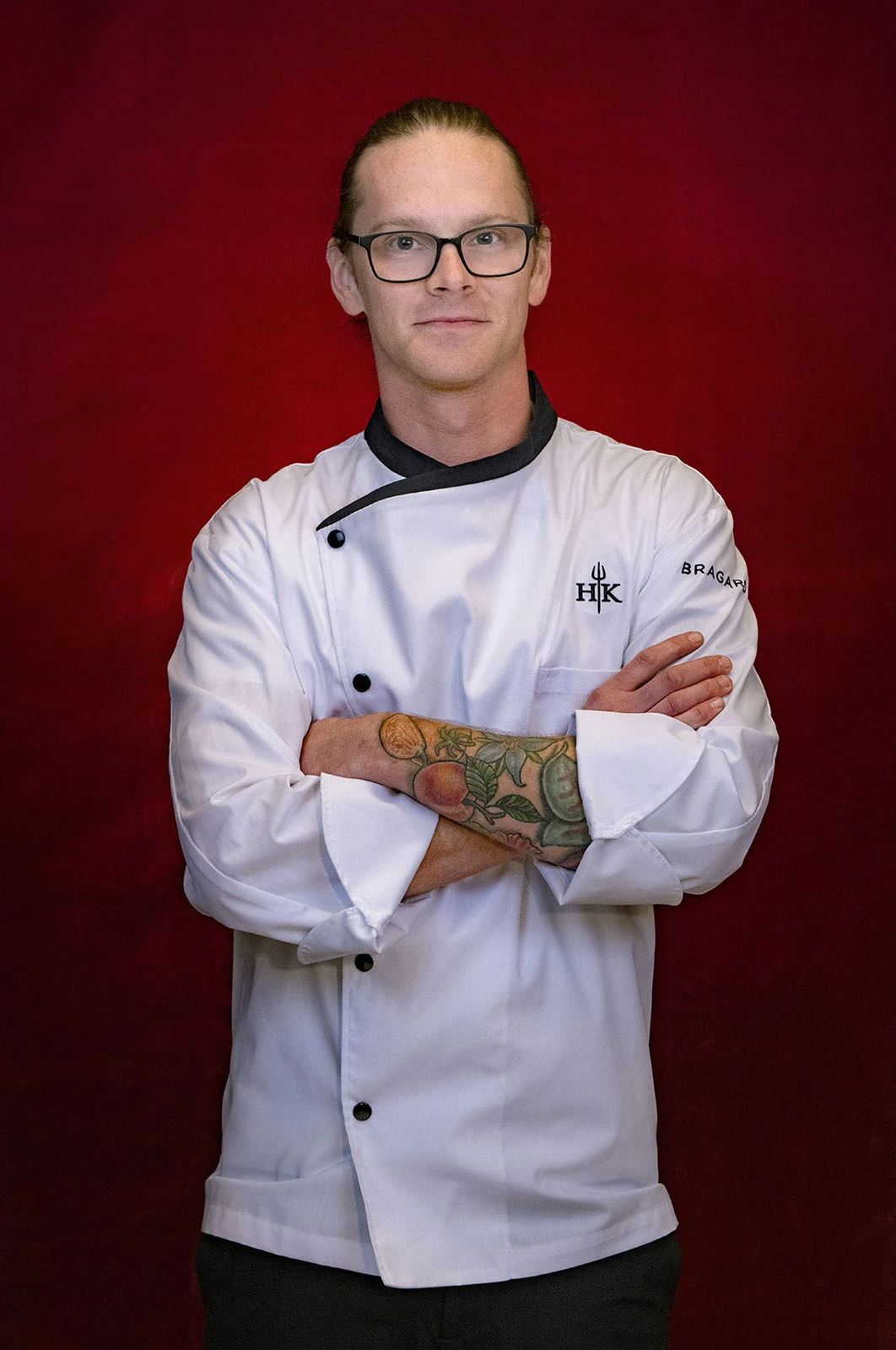
Contestants work better in a tidy space. It helps them find ingredients quickly and cook efficiently. A clean kitchen lowers stress and improves focus. This allows chefs to show their best skills on camera.
Credit: hellskitchen.fandom.com
Frequently Asked Questions
Who Is Responsible For Cleaning In Hell's Kitchen?
In Hell's Kitchen, the kitchen staff shares cleaning duties. Chefs, sous chefs, and line cooks clean their stations. The head chef oversees cleanliness. This teamwork ensures a hygienic and efficient kitchen environment throughout the show.
How Does Cleaning Impact Hell's Kitchen Challenges?
Cleaning is vital during Hell's Kitchen challenges. It maintains kitchen safety and order. A clean kitchen helps chefs focus on cooking. Judges also consider cleanliness when evaluating contestants’ professionalism and discipline.
What Cleaning Tools Are Used In Hell's Kitchen?
Hell's Kitchen uses standard commercial kitchen cleaning tools. These include mops, scrubbers, sanitizers, and towels. Staff use these tools to maintain hygiene. Proper cleaning tools help prevent contamination and ensure food safety.
Are Contestants Trained To Clean In Hell's Kitchen?
Yes, contestants receive basic cleaning guidelines. They learn to clean efficiently under pressure. Training helps maintain kitchen standards during busy service. Proper cleaning skills are essential for success on the show.
Conclusion
The kitchen in Hell’s Kitchen stays clean because of teamwork. Every chef helps with cleaning tasks after cooking. The head chef also sets strict rules about cleanliness. This keeps the kitchen safe and ready for the next challenge. Clean spaces help chefs work faster and better.
It shows respect for the food and the team. So, cleaning is not just a chore but part of the competition. Everyone shares the duty to keep the kitchen spotless. That’s how Hell’s Kitchen stays tough and organized.