
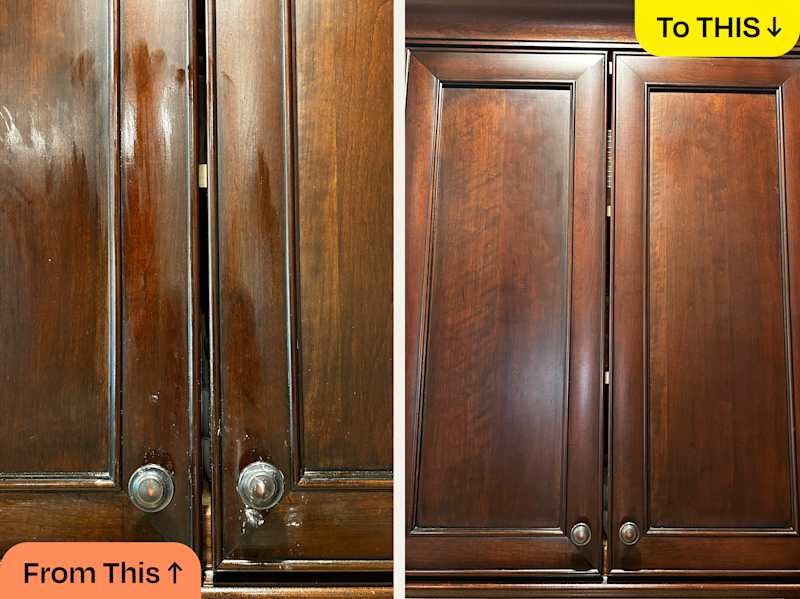
Have you ever finished cleaning your kitchen cabinets, only to find them feeling sticky afterward? It’s frustrating, isn’t it?
You expect a fresh, clean surface but end up with a residue that attracts dirt and makes your cabinets look worse than before. If you’re wondering why this happens and how to fix it, you’re in the right place. Keep reading, and you’ll discover simple reasons behind that sticky feeling and easy tips to keep your cabinets spotless and smooth every time.
Common Causes Of Sticky Cabinets
Sticky kitchen cabinets can be frustrating, especially after you've just cleaned them. Understanding the common causes behind this annoying residue can help you avoid it next time. Let’s break down what might be making your cabinets feel tacky instead of fresh.
Residue From Cleaning Products
Have you ever noticed that some cleaning sprays leave a film behind? This happens when the product isn’t fully wiped off or if it contains ingredients that dry sticky. Using too much cleaner or skipping the rinse can make the surface feel tacky.
Try switching to a mild soap solution or a cleaner designed specifically for your cabinet material. Always wipe with a damp cloth afterward to remove any leftover residue. This simple step can stop that sticky feeling from sticking around.
Grease And Oil Build-up
Grease from cooking doesn’t always come off easily, especially if it’s mixed with dust or dirt. Over time, this layer thickens and turns your cabinet surfaces sticky. Even if you clean regularly, heavy grease might need a stronger approach.
Using a degreaser or a mixture of vinegar and water can break down oily build-up effectively. Don’t ignore corners and edges where grease often hides. Have you checked those spots lately?
Humidity And Moisture Effects
Humidity in your kitchen can cause moisture to settle on cabinet surfaces, making them sticky or tacky. This is especially true in warmer climates or during cooking sessions that produce a lot of steam. Moisture combines with dust or cleaning residues to create that unpleasant texture.
Improving ventilation and wiping down cabinets regularly can reduce this problem. A dehumidifier or exhaust fan might be worth considering if sticky cabinets are a constant issue. How well does your kitchen handle moisture?

Credit: www.aol.com
Identifying Sticky Residue Types
Sticky kitchen cabinets after cleaning can frustrate anyone. The cause often lies in different types of residue left behind. Identifying the kind of sticky residue helps choose the right cleaning method. This section explains common residue types that make cabinets sticky.
Soap Scum And Detergent Residue
Soap scum appears when soap mixes with hard water minerals. It forms a white, filmy layer on cabinet surfaces. Detergent residue happens when cleaning products are not fully rinsed off. Both leave a sticky, dull feel on cabinets.
These residues trap dirt and grime, making cabinets look dirty fast. Using too much soap or not rinsing properly causes this problem. Warm water and a clean cloth usually help remove soap scum.
Sticky Food Particles
Food spills and splatters can dry and stick to cabinet surfaces. Sugary or oily foods leave a sticky film that attracts dust and dirt. Cleaning without thorough rinsing can leave these particles behind.
Sticky food residue often feels tacky and may have a slight odor. Regular wiping after cooking prevents buildup. Use mild soap and warm water to remove these residues easily.
Wax And Polish Build-up
Wax and polish protect cabinets but can cause stickiness if overused. Layers build up over time, creating a sticky or greasy surface. Polishes with silicone or oil leave residues hard to clean.
Excessive polishing traps dust and dirt, leading to stickiness. Removing build-up needs gentle scrubbing with a non-abrasive cleaner. Avoid applying too much polish to keep cabinets smooth and clean.
Effective Cleaning Techniques
Sticky kitchen cabinets can be frustrating after a cleaning session. Tackling this issue requires effective cleaning techniques. Choosing the right solution, using common household items, and ensuring proper rinsing and drying are crucial.
Choosing The Right Cleaning Solution
Select a gentle cleaner suitable for your cabinet material. Avoid harsh chemicals that might harm surfaces. Look for natural options or mild dish soap. These are safe for most finishes and help remove sticky residue effectively.
Using Vinegar And Baking Soda
Combine vinegar and baking soda for a powerful cleaning duo. Vinegar cuts through grease, while baking soda adds scrubbing power. Make a paste with these ingredients. Apply it to sticky areas and let it sit for a few minutes. Then, gently scrub and wipe clean.
Proper Rinsing And Drying Methods
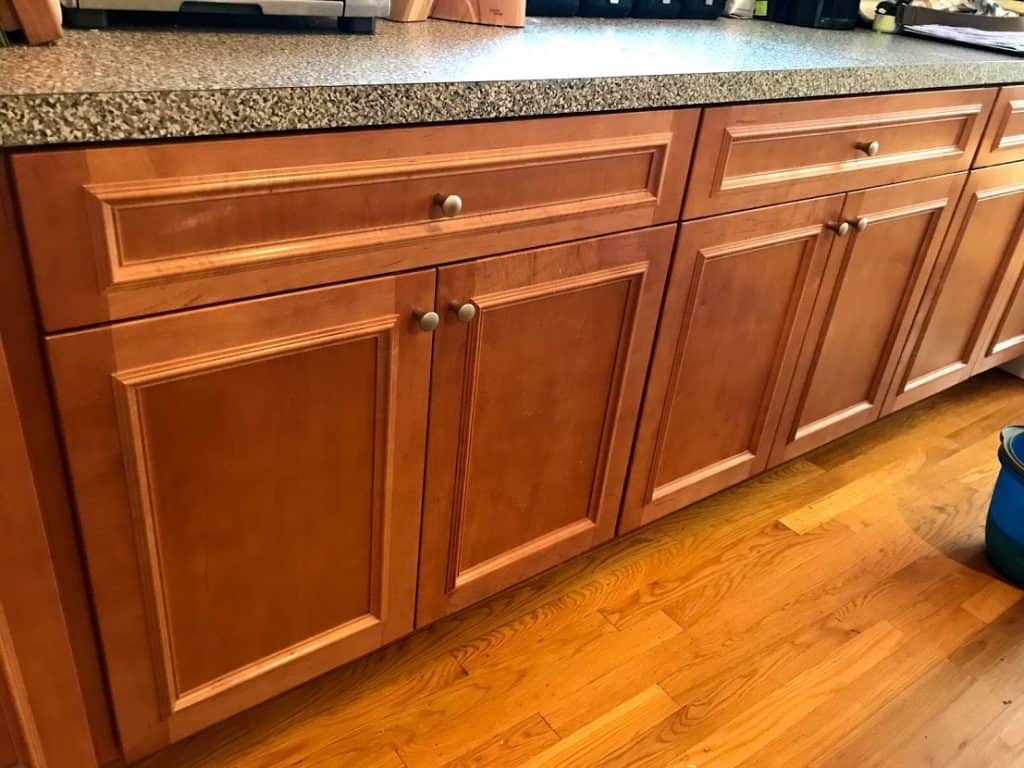
Rinse cabinets thoroughly with clean water. This removes any leftover cleaner or residue. Use a soft cloth to dry the surfaces completely. Ensure no moisture remains, as it can lead to more stickiness. Proper drying prevents future grime build-up.
Credit: everydayoldhouse.com
Quick Fixes For Sticky Cabinets
Sticky kitchen cabinets after cleaning can be annoying and hard to fix. Usually, residue from cleaning products or grease buildup causes the stickiness. The good news is that quick fixes can help remove the sticky layer and make your cabinets smooth again.
Try these easy ways to get rid of stickiness and keep your cabinets fresh.
Wiping With Warm Soapy Water
Warm soapy water can break down sticky residue gently. Use a mild dish soap mixed with warm water. Dampen a soft cloth or sponge and wipe the cabinets thoroughly. Focus on edges and corners where grime collects.
Rinse the cloth in clean water and wipe again to remove soap residue. Dry the surface with a clean towel to prevent water marks.
Applying Rubbing Alcohol
Rubbing alcohol works well to dissolve sticky substances. Pour a small amount on a cloth and rub the sticky spots carefully. Avoid soaking the wood; use just enough to clean the surface.
Test a small area first to check for any damage or discoloration. Wipe with a damp cloth afterward to remove any leftover alcohol and dry with a towel.
Using Commercial Degreasers Safely
Commercial degreasers can remove tough grease and sticky layers fast. Choose a product designed for kitchen surfaces. Read the instructions carefully before use.
Spray the degreaser on a cloth, not directly on cabinets. Wipe the sticky areas gently to avoid damaging the finish. Rinse with a damp cloth and dry well.
Keep the room ventilated while using strong cleaners to avoid fumes.
Preventing Future Stickiness
Preventing stickiness on kitchen cabinets starts with good habits. Clean cabinets regularly to stop dirt buildup. Choose cleaning products that are gentle and safe. Keep air moving in your kitchen to help cabinets dry quickly. These steps help keep your cabinets smooth and fresh for longer.
Regular Cleaning Schedule
Set a cleaning routine to keep cabinets free from grime. Wipe surfaces weekly with a damp cloth. Use mild soap if needed, then dry immediately. Avoid letting spills sit on the wood or finish. Consistent care prevents sticky layers from forming.
Avoiding Harsh Chemicals
Strong cleaners can leave a sticky residue on cabinets. Avoid products with ammonia, bleach, or wax. Choose gentle, natural cleaners or mild dish soap instead. Test any new cleaner on a small area first. Gentle cleaning protects cabinet finishes from damage.
Proper Ventilation In Kitchen
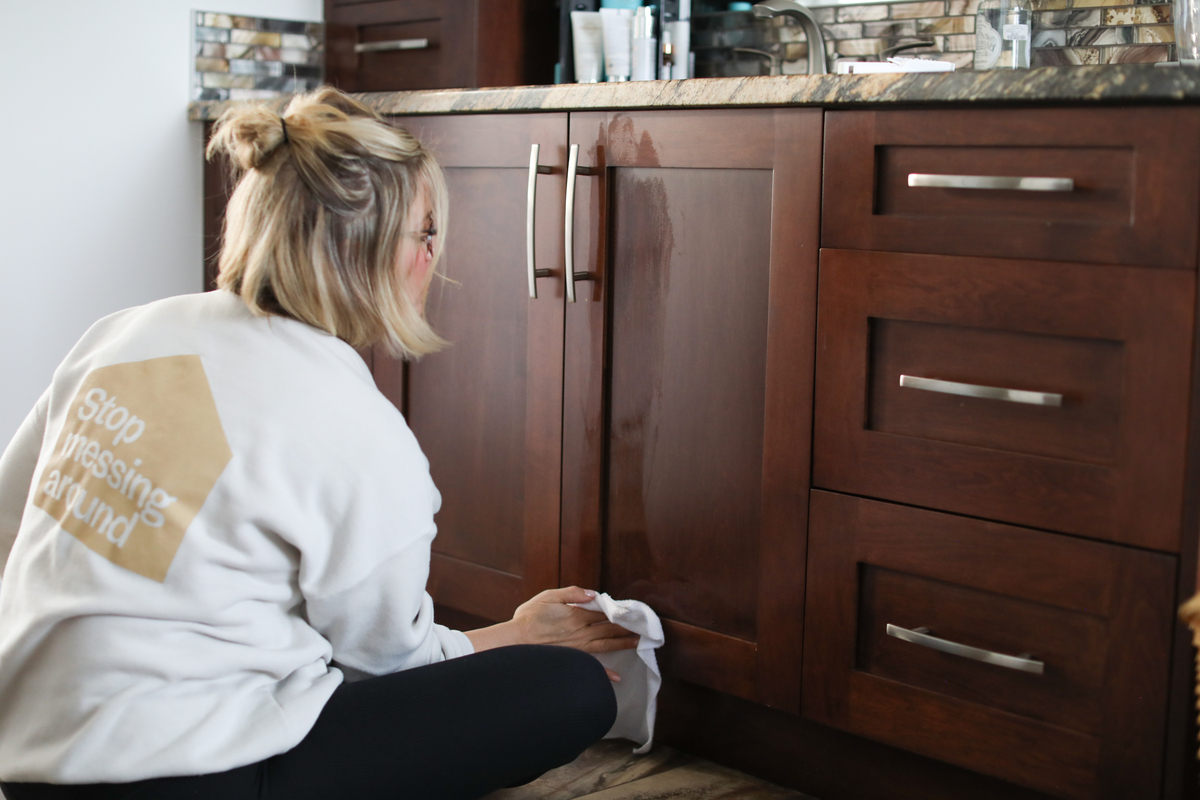
Good airflow helps cabinets dry faster after cleaning. Use an exhaust fan or open windows during and after cooking. Moisture and steam cause stickiness and damage wood over time. Ventilation reduces humidity and keeps cabinets fresh and dry.
Credit: www.housework.com
Frequently Asked Questions
Why Are Kitchen Cabinets Sticky After Cleaning?
Sticky cabinets often result from using too much soap or harsh cleaners. Residue can build up, making surfaces tacky. Avoid over-wetting or using greasy cleaning products to prevent stickiness.
Can Cleaning Products Cause Cabinet Stickiness?
Yes, certain cleaners leave a residue that feels sticky. Avoid products with wax, oil, or silicone. Use mild soap and water for effective, residue-free cleaning.
How To Remove Stickiness From Kitchen Cabinets?
Wipe cabinets with a mixture of vinegar and water. This solution cuts through residue without damage. Dry thoroughly to prevent moisture buildup and stickiness.
Does Humidity Cause Cabinets To Become Sticky?
High humidity can attract dust and sticky residues. Moist environments may make cabinets feel tacky after cleaning. Ensure proper ventilation to reduce moisture and stickiness.
Conclusion
Sticky kitchen cabinets after cleaning often mean residue is left behind. Using the wrong cleaner or too much soap can cause this. Rinsing well with clean water helps remove leftover grime. Drying cabinets with a soft cloth stops stickiness from moisture.
Regularly cleaning with gentle products keeps cabinets fresh and smooth. Small changes in your cleaning routine make a big difference. Keep your kitchen cabinets clean and sticky-free with simple care.