
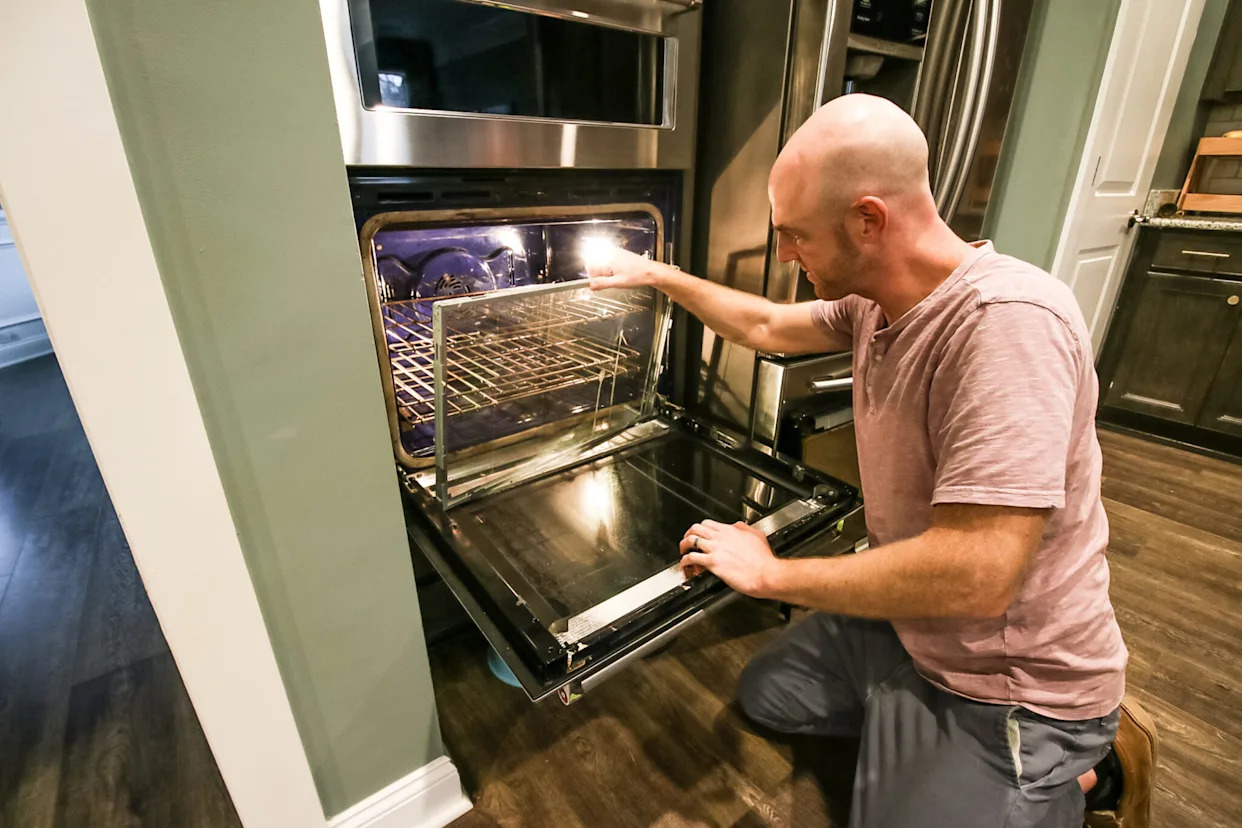
Your kitchen is more than just a place to cook—it’s where you create meals, share moments, and fuel your day. But have you ever stopped to think about how a messy kitchen might be affecting your health and happiness?
Cleaning your kitchen isn’t just about looks; it’s about keeping your family safe, saving time, and even boosting your mood. If you want to feel more relaxed, avoid harmful germs, and enjoy cooking again, keep reading. This article will show you exactly why cleaning the kitchen is so important—and how it can make a real difference in your daily life.
Credit: www.tastingtable.com
Health Risks Of A Dirty Kitchen
A dirty kitchen is more than just an eyesore—it can be a hotspot for health hazards that affect you and your family. Ignoring kitchen cleanliness invites harmful elements that can compromise your well-being. Understanding these risks is the first step to keeping your kitchen safe and healthy.
Bacteria And Germ Growth
Kitchen surfaces, especially countertops and cutting boards, can harbor bacteria like Salmonella and E. coli. These germs multiply quickly in warm, moist environments, turning your kitchen into a breeding ground for illness.
Think about the last time you left raw chicken juices on the counter. That leftover moisture and food residue can host bacteria that survive for days. Regularly wiping down surfaces and disinfecting utensils helps stop these invisible threats from spreading.
Foodborne Illnesses
Contaminated food is a leading cause of stomach cramps, nausea, and even hospitalization. Leftover crumbs, spills, and unwashed dishes create conditions where harmful pathogens thrive.
Have you ever felt sick after eating leftovers stored in a dirty fridge? Foodborne illnesses often result from cross-contamination between raw and cooked foods or improper storage. Keeping your kitchen clean reduces these risks and protects your health.
Allergen Accumulation
Dust, pet dander, and mold can accumulate in a neglected kitchen, triggering allergies and respiratory problems. Even tiny food particles left behind can cause reactions in sensitive individuals.
Imagine preparing a meal while unknowingly stirring up mold spores from a damp sponge. Regular cleaning removes these allergens, creating a safer environment for everyone in your home.
Benefits Of A Clean Kitchen
A clean kitchen offers many important benefits. It helps keep food safe, supports mental health, and makes cooking easier. A tidy space creates a better environment for daily tasks. Understanding these benefits encourages regular kitchen cleaning.
Improved Food Safety
Cleaning the kitchen reduces germs and bacteria. It stops cross-contamination between raw and cooked foods. Surfaces free from dirt lower the risk of food poisoning. Regular cleaning also keeps pests away from food areas.
Enhanced Mental Well-being
A neat kitchen reduces stress and creates calm. Clutter and mess can cause anxiety and distraction. A clean space helps focus on cooking and relaxing. It also boosts mood and increases satisfaction at home.
Better Cooking Efficiency
A clean kitchen saves time finding tools and ingredients. Clear counters give more space for food preparation. Appliances work better when free from grease and dirt. Overall, cooking becomes faster and more enjoyable.
Common Kitchen Areas That Need Cleaning
Keeping the kitchen clean is crucial for health and comfort. Certain areas gather dirt and germs faster. Cleaning these spots regularly stops bacteria from spreading. It also keeps the kitchen looking fresh and inviting. Focus on key kitchen parts to maintain hygiene and safety.
Countertops And Surfaces
Countertops catch spills, crumbs, and food stains daily. These surfaces can harbor germs if not cleaned often. Wiping them down after cooking stops bacteria buildup. Use a mild cleaner safe for your countertop material. Pay special attention to corners and edges where dirt hides.
Sinks And Faucets
The sink is a hotspot for germs from food and hands. Faucets also get dirty from constant use and water spots. Clean sinks with disinfectant to kill germs and remove stains. Wipe faucets to keep them shiny and free of grime. Regular cleaning prevents bad smells and clogs.
Appliances And Utensils
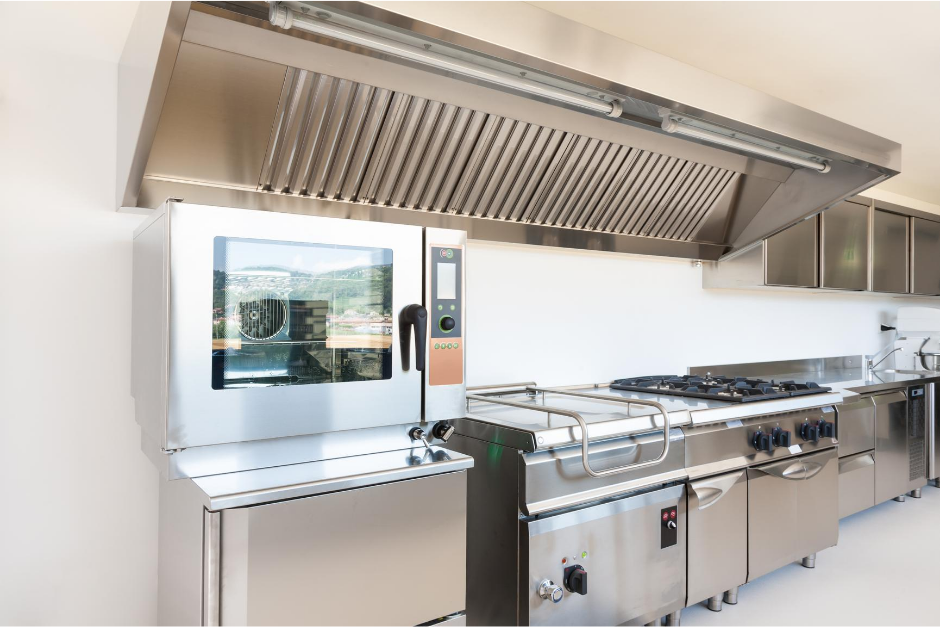
Appliances like the stove, microwave, and fridge get messy quickly. Food spills and grease build up on their surfaces. Clean the outside and inside parts regularly. Utensils need washing after every use to avoid bacteria. Dry them well to prevent rust and germs.
Floors And Trash Areas
Kitchen floors collect crumbs, spills, and dirt constantly. Sweeping and mopping keep floors clean and safe. Trash bins hold food waste that can smell and attract pests. Empty bins daily and wipe the area around them. Use liners to keep trash bins cleaner longer.

Credit: 417forged.com
Effective Cleaning Practices
Effective cleaning practices keep the kitchen safe and inviting. A clean kitchen stops germs and pests from spreading. It also helps food taste better and last longer. Simple, regular cleaning habits prevent big messes and save time. Using the right products protects surfaces and your health.
Daily Cleaning Habits
Wipe down counters and tables after each meal. Clean spills immediately to avoid stains and bacteria. Wash dishes or load the dishwasher every day. Sweep the floor to remove crumbs and dirt. Take out the trash regularly to prevent odors.
Deep Cleaning Techniques
Clean appliances like ovens, microwaves, and refrigerators monthly. Scrub sinks and faucets with disinfectant to remove germs. Wash cabinet doors and walls to clear grease buildup. Mop floors with strong cleaner to remove stuck dirt. Empty and clean trash bins to stop bad smells.
Safe Cleaning Products
- Choose non-toxic, biodegradable cleaners for health and environment.
- Use natural products like vinegar and baking soda for tough stains.
- Avoid bleach or harsh chemicals that harm surfaces and skin.
- Read labels to ensure products are safe for kitchen use.
- Keep cleaning items out of reach of children and pets.
Tips To Maintain Kitchen Hygiene
Maintaining kitchen hygiene is crucial for health and safety. A clean kitchen prevents foodborne illnesses and ensures a pleasant cooking environment. Follow these simple tips to keep your kitchen spotless and safe.
Proper Food Storage
Store food in airtight containers to keep it fresh. Use clear containers to easily identify contents. Label each container with the date to track freshness. Keep raw and cooked foods separate to avoid cross-contamination. Refrigerate perishables promptly to prevent spoilage.
Regular Waste Disposal
Dispose of kitchen waste daily to prevent odors and pests. Use a trash can with a tight lid to contain smells. Clean the trash can weekly to remove residue and bacteria. Compost organic waste to reduce kitchen garbage and benefit the environment.
Personal Hygiene In The Kitchen
Wash hands with soap before handling food. Keep nails short and clean to avoid harboring germs. Wear an apron to protect clothes from spills and stains. Avoid touching face while cooking to prevent transferring bacteria. Use a clean cloth to dry hands and utensils.
Credit: commercialcleaningcorp.com
Frequently Asked Questions
Why Is Kitchen Cleaning Important For Health?
Cleaning the kitchen removes germs and bacteria that cause illnesses. It prevents food contamination and reduces the risk of foodborne diseases. A clean kitchen promotes a healthy environment for cooking and eating.
How Often Should I Clean My Kitchen Thoroughly?
Thorough kitchen cleaning should be done weekly. Daily wiping and spot cleaning help maintain hygiene. Regular cleaning prevents buildup of grease, crumbs, and harmful bacteria.
Can Kitchen Cleanliness Improve Food Taste?
Yes, a clean kitchen prevents cross-contamination and spoilage. Fresh, uncontaminated ingredients taste better and are safer. Clean surfaces and utensils enhance the overall cooking experience.
What Are The Benefits Of A Clean Kitchen Environment?
A clean kitchen reduces pests, allergens, and odors. It improves safety by preventing slips and fires. It also creates a pleasant space for cooking and socializing.
Conclusion
Cleaning the kitchen keeps your home safe and healthy. It stops germs from spreading and avoids bad smells. A clean kitchen helps you cook better meals and saves time. It also makes your space look nice and welcoming. Regular cleaning prevents pests like ants and cockroaches.
Everyone feels good in a tidy kitchen. Small daily efforts make a big difference. Keep your kitchen clean for a happier home. Simple habits bring lasting benefits and peace of mind.