

Have you ever noticed a strange smell coming from your kitchen sponge? That unpleasant odor isn’t just annoying—it can also mean harmful bacteria are hiding right where you clean your dishes.
Understanding why your kitchen sponge smells is the first step to keeping your kitchen fresh and safe. You’ll discover the surprising reasons behind that smell and easy ways to stop it for good. Keep reading to protect your home and enjoy a cleaner kitchen every day.

Credit: www.microban.com
Common Causes Of Smelly Sponges
Kitchen sponges often develop an unpleasant smell due to several common factors. Understanding these causes helps keep your sponge fresh and your kitchen hygienic. Below are the main reasons why sponges start to smell bad.
Bacterial Growth
Bacteria thrive on kitchen sponges because they are damp and warm. These microbes multiply quickly in the tiny holes of the sponge. As bacteria grow, they produce odors that make the sponge smell bad.
Food Residue
Sponges pick up small pieces of food during cleaning. Leftover food particles decompose inside the sponge. This decay creates a foul smell and attracts more bacteria.
Moisture Retention
Sponges hold water after use, keeping them wet for a long time. This wetness creates the perfect environment for bacteria and mold. The longer the sponge stays wet, the worse the smell becomes.
Poor Drying Conditions
Sponges need to dry completely between uses. If stored in a closed or humid area, drying slows down. Poor air circulation causes moisture to stay trapped, leading to unpleasant odors.
How Bacteria Thrive In Sponges
Kitchen sponges are perfect places for bacteria to grow. Their soft texture holds food particles and moisture. These conditions help bacteria multiply quickly. Understanding how bacteria thrive in sponges explains why they often smell bad and can cause health problems.
Warm And Damp Environment
Sponges stay wet for long periods. This dampness creates a warm, cozy space for bacteria. Kitchens are usually warm, which helps bacteria grow faster. The sponge’s tiny holes trap moisture and bits of food. These factors make sponges ideal for bacteria to live.
Types Of Harmful Bacteria
Many bacteria can live in kitchen sponges. Some common ones include:
- Salmonella:Causes food poisoning and stomach issues.
- E. coli:Found in raw meat and can cause diarrhea.
- Staphylococcus:Can cause skin infections and foodborne illnesses.
These bacteria multiply quickly on dirty sponges. They spread easily to dishes and surfaces.
Health Risks From Contaminated Sponges
Using a dirty sponge can spread bacteria to food and hands. This increases the risk of infections and illnesses. People with weak immune systems are more vulnerable. Bacteria from sponges can cause stomach pain, vomiting, and diarrhea. Keeping sponges clean helps reduce these health risks.
Signs Your Sponge Needs Replacement
Knowing when to replace your kitchen sponge is key to keeping your kitchen fresh and hygienic. Sponges can harbor bacteria quickly, so spotting the right signs can save you from unpleasant odors and potential health risks. Let’s look at the clear signals that your sponge has outlived its usefulness and needs tossing.
Persistent Odor
Does your sponge smell bad no matter how much you rinse it? A lingering, sour, or musty odor is a strong clue that bacteria have taken over. Even after cleaning, if the smell doesn’t disappear, it's time to say goodbye to that sponge.
Visible Mold Or Discoloration
Check your sponge closely for any spots of black, green, or white mold. Discoloration that looks suspicious or unusual means mold growth has started. Using a moldy sponge can spread germs rather than clean, so don’t wait to replace it once you see these signs.
Worn Or Tattered Texture
Feel the surface of your sponge. If it’s falling apart, full of holes, or has lost its original texture, it’s no longer effective. A sponge that’s worn down won’t clean well and traps more dirt and bacteria, making it a breeding ground for odors.
Credit: www.gardenandhome.co.za
Simple Methods To Eliminate Odors
Kitchen sponges often develop unpleasant odors due to trapped food particles and moisture. These simple methods can help you eliminate those smells effectively. Keep your kitchen fresh and clean with these easy tips.
Microwave Sanitizing
Microwaving your sponge kills bacteria quickly. First, soak it in water. Then place it in the microwave. Heat on high for one minute. Ensure the sponge is wet to avoid fire. This method is fast and effective. It leaves your sponge odor-free.
Dishwasher Cleaning
Place your sponge in the dishwasher. Use the hottest cycle available. The heat and detergent sanitize the sponge. This method cleans while you do dishes. It's convenient and easy.
Using Vinegar Or Baking Soda
Soak your sponge in vinegar for five minutes. Vinegar neutralizes odors. Rinse the sponge thoroughly. Alternatively, sprinkle baking soda on the sponge. Let it sit for a few minutes. Rinse well with warm water. Both methods are natural and safe.
Preventing Sponge Smells
Preventing kitchen sponges from developing unpleasant smells is easier than you might think. It mainly involves a few simple habits that stop bacteria and mold from thriving. Paying attention to how you rinse, dry, and replace your sponge can make a big difference in keeping your kitchen fresh.
Proper Rinsing And Squeezing
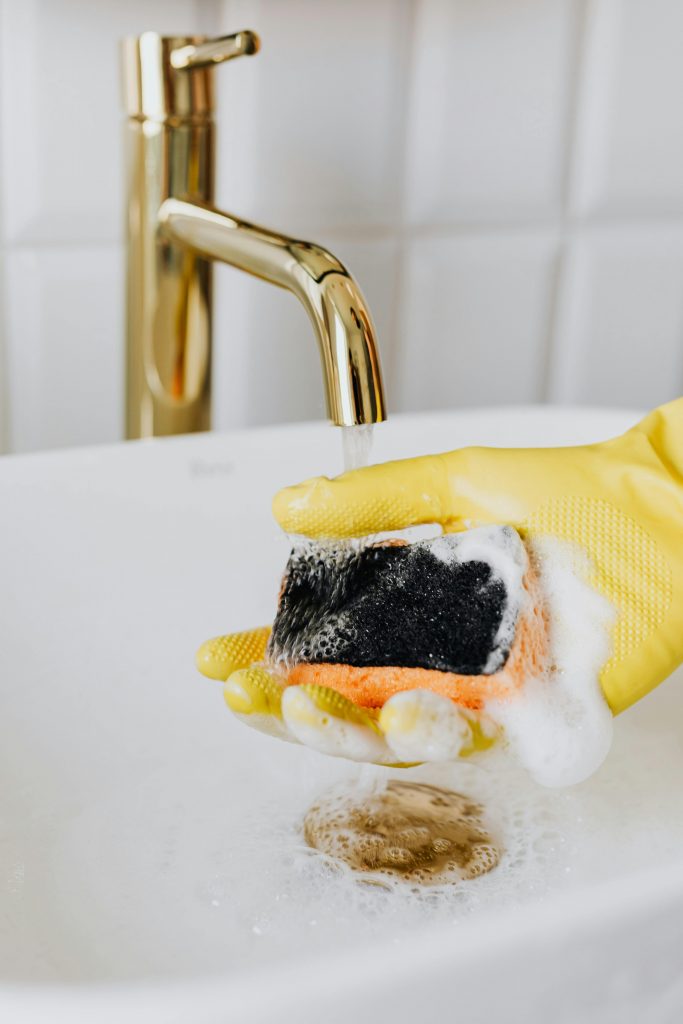
After each use, rinse your sponge thoroughly with hot water. This helps wash away food particles and soap residue that bacteria love to feed on.
Make sure to squeeze out as much water as possible. A wet sponge is a perfect breeding ground for germs, so removing excess moisture is key to preventing bad smells.
Drying Techniques
Where you let your sponge dry matters. Place it in a well-ventilated spot where air can circulate freely around it.
Using a sponge holder with drainage holes or a wire rack allows the sponge to dry faster. Avoid leaving it in the sink or on a flat surface where water pools.
Regular Replacement Schedule
Even with great care, sponges don’t last forever. Replace your sponge every one to two weeks, or sooner if it starts to smell or fall apart.
Think about how often you use it—more frequent use means you should replace it more often. Have you noticed how a fresh sponge feels cleaner and smells better right away?
Credit: parentdata.org
Alternatives To Traditional Sponges
Traditional kitchen sponges often develop bad odors due to trapped moisture and bacteria. Many people seek alternatives that stay cleaner and last longer. These options reduce smell problems and improve kitchen hygiene. They also offer different textures and uses, making cleaning easier and more effective.
Silicone Scrubbers
Silicone scrubbers resist bacteria growth because they dry quickly. They do not absorb water, so they stay fresh longer. These scrubbers are easy to clean by rinsing or placing in the dishwasher. Their soft texture protects delicate surfaces while removing dirt well. Silicone scrubbers last much longer than regular sponges.
Reusable Cloths
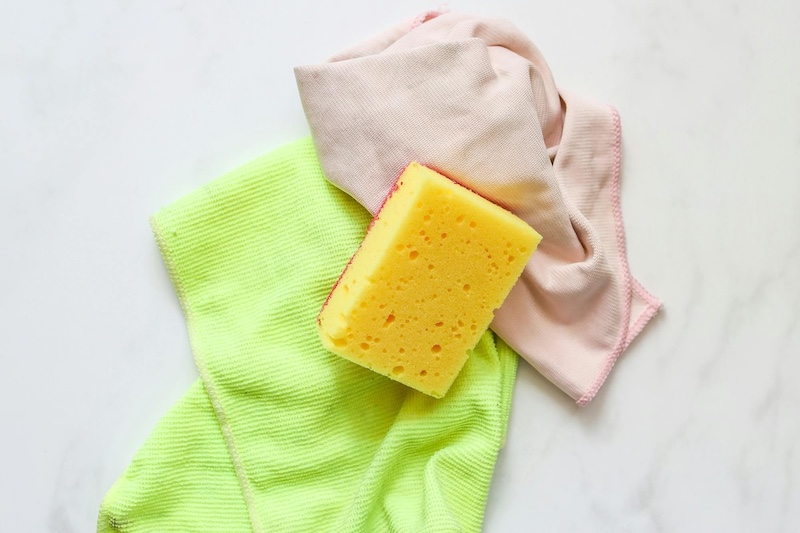
Reusable cloths dry faster and can be washed often. They come in various materials like microfiber or cotton. These cloths clean well with soap and water and can be machine washed. Using cloths reduces waste and prevents the buildup of odors. They are lightweight and easy to store in small kitchens.
Natural Fiber Sponges
Natural fiber sponges come from plants like cellulose or loofah. They break down faster in the environment than synthetic sponges. These sponges dry quickly, which limits bacteria growth and smells. They provide good scrubbing power without scratching surfaces. Natural fiber sponges offer an eco-friendly option with less odor.
Frequently Asked Questions
Why Do Kitchen Sponges Develop Bad Odors?
Kitchen sponges develop bad odors due to trapped food particles and moisture. This creates a breeding ground for bacteria and mold, which produce unpleasant smells.
How Often Should I Replace My Kitchen Sponge?
Replace your kitchen sponge every 1 to 2 weeks. Frequent replacement prevents bacterial buildup and reduces the chance of foul odors and cross-contamination.
Can Cleaning Kitchen Sponges Prevent Bad Smells?
Yes, regularly cleaning kitchen sponges with hot water, vinegar, or microwaving kills bacteria. This helps reduce odors and extends the sponge’s usability.
What Causes Bacteria To Grow In Kitchen Sponges?
Bacteria grow in sponges because they are moist and contain food residue. These conditions provide an ideal environment for bacteria to multiply quickly.
Conclusion
Kitchen sponges smell because they hold moisture and germs. Bacteria grow fast in wet, warm places. Cleaning sponges often helps stop bad odors. Replace sponges regularly for a fresh kitchen. Dry them well after use to slow bacteria. Simple care keeps your sponge clean and safe.
Smelly sponges can affect your kitchen’s hygiene. Taking small steps prevents unpleasant smells and germs. Keep your kitchen fresh by caring for your sponge. It’s easy and helps your home stay healthy.