
Have you noticed oil leaking from your Kitchen Aid stand mixer? It can be frustrating and worrying to see those oily spots where your mixer stands.
You might wonder if your mixer is broken or if you need a costly repair. Understanding why your Kitchen Aid stand mixer leaks oil can save you time, money, and stress. You’ll discover the common reasons behind the leak and simple steps you can take to fix the problem.
Keep reading to protect your mixer and keep your kitchen clean.
Common Causes Of Oil Leaks
Oil leaks in your Kitchen Aid stand mixer can be frustrating and messy. Understanding the common causes helps you spot the problem early and fix it before it worsens. Let’s look at the main reasons why oil might leak from your mixer.
Worn Gearbox Seals
The gearbox seals keep the oil inside the mixer’s motor and gears. Over time, these seals can wear out or crack due to regular use or age. Once they lose their tight fit, oil starts to seep out, causing leaks you might notice on your countertop or mixer base.
If your mixer is several years old or has been used heavily, worn seals are a likely culprit. Have you checked if your mixer feels less smooth or makes unusual noises? These signs often come with worn seals.
Damaged Oil Cap
The oil cap is designed to keep oil contained within the reservoir. If the cap is damaged, loose, or missing, oil can leak during operation. Even a small crack or a cap not properly tightened can cause oil to escape.
When was the last time you inspected your oil cap? A simple check might save you from a messy cleanup and prevent damage to the mixer’s internal parts.
Overfilled Oil Reservoir
Adding too much oil might seem like a good idea to keep your mixer running smoothly, but it can backfire. An overfilled oil reservoir creates pressure that forces oil out through seals or the oil cap.
It’s easy to pour in a bit too much if you’re not following the recommended levels. Have you ever checked your mixer’s manual for the exact oil quantity? Keeping oil at the right level prevents leaks and keeps the mixer healthy.
Credit: thekrazycouponlady.com
Identifying Oil Leak Symptoms
Identifying oil leak symptoms in your Kitchen Aid stand mixer helps to catch problems early. This prevents damage to the mixer’s internal parts. Watch for signs that suggest oil is escaping from the machine.
Recognizing these symptoms saves time and repair costs. It also ensures your mixer works safely and efficiently.
Visible Oil Spots
Check the surface below and around the mixer for small oil spots. These spots often appear on the countertop or the base of the mixer. Look closely at the joint between the motor head and the body. Oil stains here show a leak inside.
Unusual Noises During Operation
Listen carefully while the mixer runs. A leaking mixer may produce strange sounds like grinding or whining. These noises occur because oil no longer lubricates the gears properly. Lack of lubrication causes metal parts to rub harshly.
Reduced Mixer Performance
Notice if the mixer slows down or struggles with thick dough. Oil leaks reduce the machine’s ability to work smoothly. The mixer may stall or stop unexpectedly. This drop in performance signals internal problems needing attention.
Step-by-step Oil Leak Fixes
Oil leaks in Kitchen Aid stand mixers often come from worn seals or loose parts. Fixing these leaks involves cleaning, tightening, or replacing damaged components carefully. Checking the mixer regularly helps prevent oil spills and keeps it working smoothly.
Fixing an oil leak in your KitchenAid stand mixer can seem daunting. But with a few simple steps, you can tackle this issue like a pro. Follow these easy steps to get your mixer running smoothly again.
Cleaning The Mixer Exterior
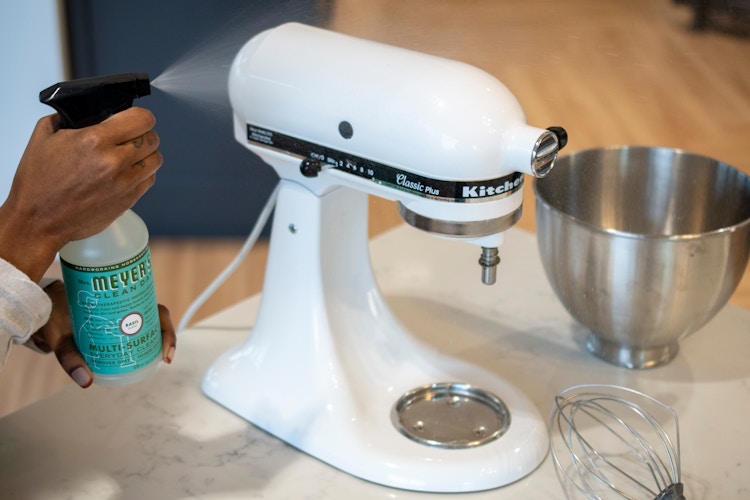
Begin by unplugging the mixer for safety. Use a damp cloth to clean the exterior. Remove any grease or oil residue from the surface. Pay special attention to crevices and seams where oil might collect. This helps you see the problem area clearly.
Replacing Gearbox Seals
First, remove the mixer head cover. Use a screwdriver to access the gearbox. Inspect the seals for wear or damage. If worn, replace them with new seals. Ensure the new seals fit snugly to prevent future leaks.
Checking And Refilling Oil Properly
Check the oil level inside the gearbox. If low, add the recommended KitchenAid mixer oil. Use a funnel to avoid spills and overfilling. Make sure the oil reaches the correct level as per the manual. Reassemble the mixer carefully, ensuring all parts are secure.
Preventing Future Oil Leaks
Preventing future oil leaks in your Kitchen Aid stand mixer is all about careful attention and consistent care. Leaks often start small but can lead to bigger problems if ignored. Taking proactive steps can save you from costly repairs and keep your mixer running smoothly for years.
Regular Maintenance Tips
Check your mixer's seals and gaskets regularly for signs of wear or damage. Over time, these parts can dry out or crack, allowing oil to escape. Cleaning the mixer thoroughly after each use helps prevent buildup that can cause parts to wear faster.
Lubricate moving parts as recommended in your user manual. Using the right amount of grease keeps everything moving smoothly without excess oil leaking out. Have you noticed unusual noises or stiffness during mixing? That’s a sign maintenance is overdue.
Proper Storage Practices
Store your mixer in a dry, cool place away from direct sunlight. Heat can break down seals and cause oil to thin out and leak. Avoid placing heavy items on top of the mixer which could damage internal components or cause misalignment.
If you won’t use your mixer for a while, cover it with a cloth to keep dust and debris out. This simple step prevents grime from accumulating in tight spaces where oil can seep through. Do you think about storage as much as use? Small habits here make a big difference.
Using Recommended Oil Types
Always use oils and lubricants specified by Kitchen Aid. Different mixers require specific grease types to maintain proper viscosity and protection. Using the wrong oil can thin out too quickly or clog parts, leading to leaks.
If you’re unsure which oil to use, check your mixer’s manual or contact customer support. Have you ever tried a substitute oil to save money? It might seem like a good idea, but it often causes more harm than good in the long run.
When To Seek Professional Help
Knowing when to seek professional help can save your KitchenAid stand mixer from further damage. Some oil leaks require expert attention beyond simple home fixes. Recognizing these signs ensures your mixer stays safe and works well.
Persistent Leaks After Diy Fixes
Small oil leaks might stop after cleaning or tightening parts. If oil still seeps out after trying basic fixes, it means the problem is bigger. Continuing to use the mixer can cause more harm. A professional can find hidden issues and repair them correctly.
Signs Of Internal Damage
Oil leaks often show internal damage inside the mixer. Watch for these signs:
- Strange noises during operation
- Unusual smells like burning or oil
- Visible cracks or worn seals
- Loss of power or irregular speed
These symptoms point to broken parts or worn-out seals. Only a trained technician can safely open and fix these internal problems. Ignoring these signs can lead to costly repairs or total mixer failure.
Credit: www.reddit.com

Credit: www.reddit.com
Frequently Asked Questions
Why Is My Kitchen Aid Mixer Leaking Oil?
Oil leaks usually occur due to worn or damaged seals inside the mixer. Over time, these seals break down, causing oil to escape. Regular maintenance and timely seal replacement can prevent leaks and keep your mixer running smoothly.
How Can I Fix Oil Leaks In My Stand Mixer?
To fix leaks, identify the damaged seal or gasket and replace it. You may need a professional if you're unsure. Cleaning the mixer and avoiding overfilling oil helps maintain its condition and prevents future leaks.
Is Oil Leaking Harmful For My Kitchen Aid Mixer?
Yes, oil leaks can damage internal components and reduce mixer efficiency. They may also contaminate your food. Address leaks promptly to avoid costly repairs and ensure safe, hygienic kitchen use.
Can Poor Maintenance Cause Kitchen Aid Oil Leaks?
Absolutely. Lack of regular cleaning and seal inspection can cause oil leakage. Proper care, including lubrication and checking seals, extends your mixer's life and prevents oil from leaking out.
Conclusion
Oil leaks in a Kitchen Aid stand mixer can cause worries. Common causes include worn seals or too much grease. Fixing leaks early saves money and keeps your mixer working well. Regular cleaning and checking parts help stop leaks. Use the right tools and follow simple repair steps.
Taking care of your mixer means better baking results. Don’t ignore small leaks—they can get worse over time. Keep your stand mixer in good shape for many years. Easy fixes make a big difference.