

Have you ever grabbed your kitchen sponge only to be hit by an unpleasant smell? It’s frustrating and makes you wonder, “Why does my kitchen sponge smell?” You use it every day to clean your dishes and countertops, but somehow that little tool can turn into a source of bad odors.
Understanding why this happens can help you keep your kitchen fresh and your sponge safe to use. Keep reading, and you’ll discover simple reasons behind the smell—and easy fixes you can start today.
:max_bytes(150000):strip_icc()/GettyImages-1425295065-f406affe0c904d83a5b948f2d8b2ebff.jpg)
Credit: www.realsimple.com
Common Causes Of Sponge Odors
Have you ever noticed a strange smell coming from your kitchen sponge and wondered why it happens? Understanding the common causes of sponge odors can help you keep your kitchen fresher and avoid unpleasant surprises. Let’s break down the main reasons your sponge might be giving off that unwanted smell.
Bacterial Growth
Your kitchen sponge is a perfect environment for bacteria to grow because it’s often damp and full of tiny food particles. These bacteria multiply quickly, creating that unmistakable rotten or sour smell. Have you ever left a sponge sitting wet for days? That’s exactly when bacteria thrive the most.
Food Residue
Even if you rinse your sponge after use, tiny bits of food can get trapped inside its pores. These leftover particles start to decay and produce bad odors over time. Think about the last time you cleaned up after a meal—did you give your sponge a thorough rinse or just a quick splash?
Moisture Retention
Sponges hold moisture, which keeps them soft and effective for cleaning. But that same moisture creates a breeding ground for bacteria and mold. If you don’t let your sponge dry completely between uses, the dampness will keep odors alive and kicking.
Mold And Mildew
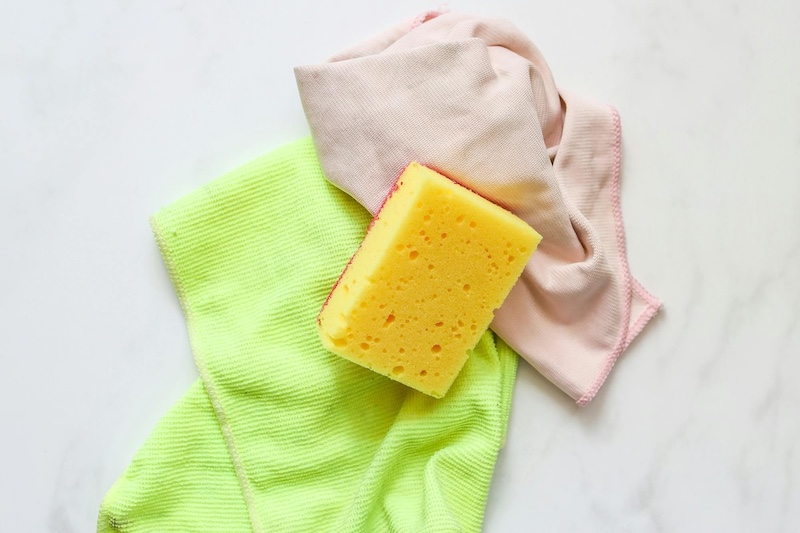
When moisture lingers, mold and mildew can start to grow, especially if you store your sponge in a dark, enclosed space. These fungi add a musty, unpleasant smell that’s hard to ignore. Have you checked under your sink or in your sponge holder lately? It might be time to give those spots a good clean.
Credit: parentdata.org
How Sponges Trap Smells
Have you ever wondered why your kitchen sponge starts to smell even after just a day or two? The answer lies in how sponges actually trap and hold onto odors. Understanding this can help you keep your sponge fresher and your kitchen smelling clean.
Porous Material Impact
Sponges are made from porous materials filled with tiny holes and tunnels. These pores soak up water, food particles, and even soap residue. Over time, these trapped bits create the perfect environment for bacteria and mold to grow, which produce unpleasant smells.
Think about your own sponge after washing dishes—it often feels damp inside, right? That dampness inside those pores is where the smell starts. It's not just sitting on the surface; it's hidden deep inside the sponge’s structure.
Lack Of Proper Drying
Have you noticed how a sponge that stays wet for too long smells worse? When your sponge doesn’t dry properly, it stays moist inside, allowing bacteria to multiply rapidly. This moisture turns the sponge into a breeding ground for odor-causing germs.
Leaving your sponge in a sink or a closed container traps moisture, making drying difficult. Instead, place your sponge somewhere with good airflow after use to help it dry quickly and reduce smells.
Cross-contamination Risks
Using the same sponge for different tasks can spread bacteria from one surface to another. For example, wiping raw meat juices and then cleaning your countertops with the same sponge transfers germs, increasing odor problems.
Have you ever used your sponge to clean a cutting board and then your dishes? This cross-contamination not only spreads bacteria but also mixes smells, making the sponge smell worse. Using separate sponges for different tasks or regularly sanitizing them can make a big difference.
Daily Habits That Worsen Sponge Smell
Have you ever wondered why your kitchen sponge seems to develop a foul smell so quickly? It's not just the food particles and bacteria causing it. Surprisingly, some of your daily habits might be making the situation worse. Let's explore these habits so you can keep your sponge fresh and odor-free.
Leaving Sponge Wet
One common habit is leaving the sponge wet after use. A damp environment is a breeding ground for bacteria. It's essential to wring out the sponge thoroughly and let it dry completely. Consider placing it in a well-ventilated area to speed up the drying process. Did you know that a dry sponge can significantly reduce the chance of bacterial growth?
Using Sponge For Multiple Tasks
Are you guilty of using the same sponge for multiple kitchen tasks? Using it for dishes, countertops, and spills may seem convenient, but it spreads bacteria. Each task introduces new germs, which can multiply rapidly. Keep separate sponges for different tasks to prevent cross-contamination. This simple change can make a big difference in keeping your sponge odor-free.
Storing Sponge In Closed Spaces
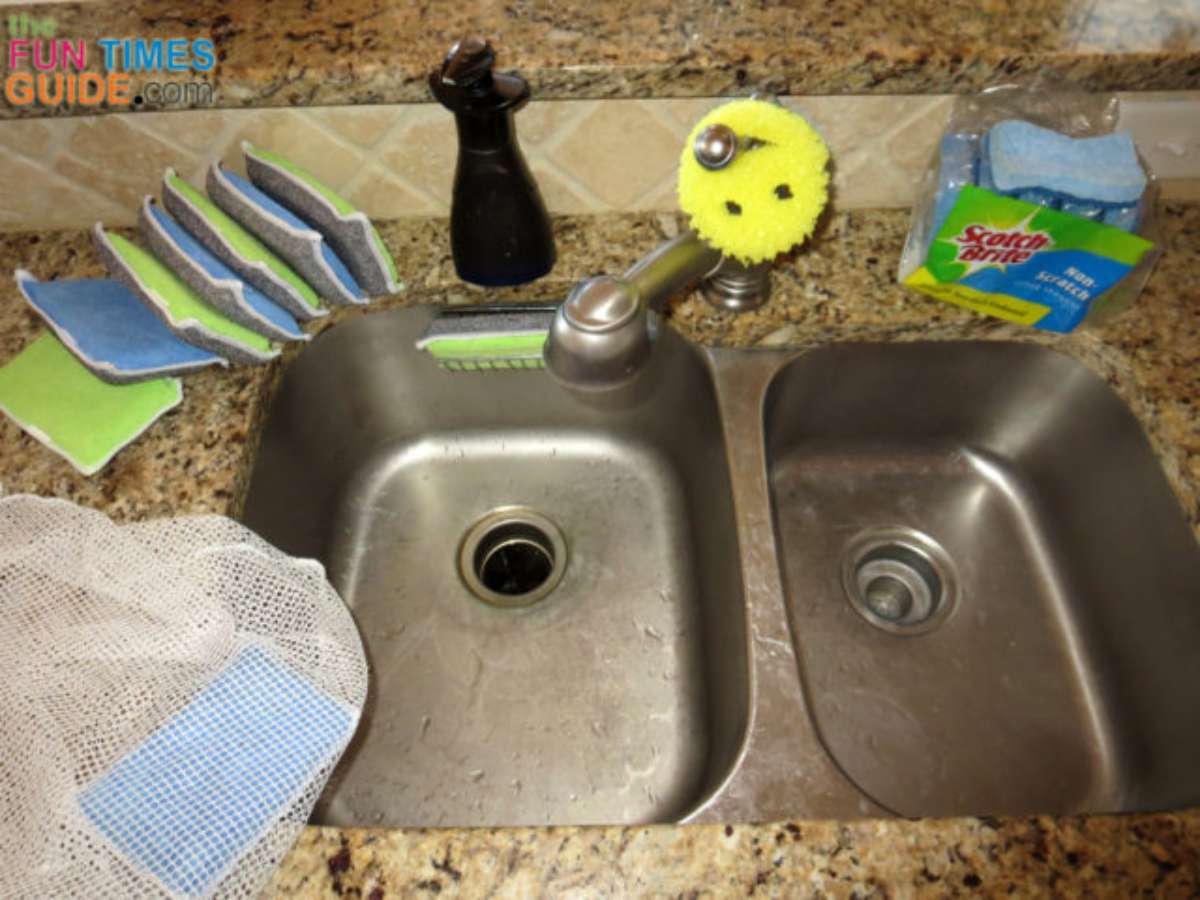
Storing the sponge in a closed container or under the sink is another habit to reconsider. Closed spaces trap moisture, creating a perfect habitat for bacteria. Instead, store your sponge in an open area where air can circulate around it. Have you ever tried using a sponge holder that allows water to drain and air to circulate? This small adjustment can help keep your sponge fresh for longer.
By changing a few daily habits, you can extend the life of your sponge and keep your kitchen smelling fresh. Which habit will you change today to make a difference?
Credit: household-tips.thefuntimesguide.com
Easy Fixes To Stop Sponge Odors
Stopping kitchen sponge odors is simpler than you might think. With a few easy habits, you can keep your sponge fresh and odor-free. Let’s look at some practical ways to tackle that unpleasant smell.
Regular Cleaning Techniques
Cleaning your sponge regularly is key to preventing bad odors. Rinse it thoroughly with hot water after each use to wash away food particles and bacteria. You can also soak it in a mixture of water and vinegar or a mild bleach solution for a few minutes once or twice a week to kill germs.
Microwaving a damp sponge for about one minute can also help sanitize it effectively. Just make sure the sponge doesn’t contain any metal and is wet before microwaving to avoid fires. How often do you give your sponge this kind of deep clean?
Effective Drying Methods
Moisture is the main reason sponges start to smell. After using your sponge, squeeze out all excess water and place it somewhere it can dry quickly. Avoid leaving it in a damp sink or closed container.
Consider using a sponge holder that allows air circulation or hanging your sponge to dry. Dry sponges discourage bacteria growth, which means fewer odors. Could a simple change in where you store your sponge make a big difference?
Using Natural Deodorizers
Natural deodorizers can help keep your sponge smelling fresh without harsh chemicals. Sprinkling a little baking soda on your sponge and letting it sit before rinsing can neutralize odors. Lemon juice is another great option; its acidity breaks down bacteria and adds a clean scent.
Try these natural options alongside regular cleaning to boost freshness. Have you tried any natural tricks that actually worked in your kitchen?
Replacing Sponges On Time
Even with the best care, sponges don’t last forever. Old sponges harbor bacteria deep inside and start to smell no matter what you do. Replacing your sponge every one to two weeks keeps your kitchen cleaner and reduces odors.
Mark a spot on your calendar to remind yourself when it’s time to swap it out. What’s your current routine for changing kitchen sponges?
Alternative Cleaning Tools To Avoid Smell
Kitchen sponges often develop bad smells because they trap food particles and moisture. Using alternative cleaning tools can help reduce odors and keep your kitchen fresher. These tools dry faster and resist bacteria better than traditional sponges.
Silicone Scrubbers
Silicone scrubbers do not absorb water or food. They dry quickly, preventing bacteria growth. These scrubbers are easy to clean and can be sanitized in boiling water. Their flexible design helps clean dishes and surfaces without scratching.
Microfiber Cloths
Microfiber cloths absorb less moisture than sponges. They pick up dirt and grease effectively. These cloths dry fast and can be washed in hot water. Using microfiber cloths reduces the chance of bad smells forming.
Dish Brushes
Dish brushes have stiff bristles that clean well without holding water. They air dry quickly, which stops bacteria buildup. Brushes can reach corners and tough spots easily. Their handles keep your hands away from dirty water.
Frequently Asked Questions
Why Does My Kitchen Sponge Smell Bad Quickly?
Kitchen sponges trap food particles and moisture, creating a breeding ground for bacteria. This bacteria produces unpleasant odors. Regular cleaning and drying of your sponge can help reduce the smell. Replace sponges frequently to maintain a fresh kitchen environment.
How Can I Stop My Kitchen Sponge From Smelling?
To stop your sponge from smelling, rinse it thoroughly after each use. Squeeze out excess water and let it air dry completely. You can also sanitize it by microwaving or soaking in vinegar or bleach solution once a week.
Is It Safe To Use A Smelly Kitchen Sponge?
Using a smelly sponge is unsafe because it harbors harmful bacteria. These bacteria can contaminate your dishes and surfaces. Always clean or replace smelly sponges to prevent health risks and maintain kitchen hygiene.
How Often Should I Replace My Kitchen Sponge?
Replace your kitchen sponge every 1 to 2 weeks. Frequent replacement prevents bacterial buildup and bad odors. If your sponge smells or looks worn out, change it immediately to keep your kitchen clean.
Conclusion
A smelly kitchen sponge means germs and bacteria have built up. Regular cleaning helps keep your sponge fresh and safe. Replace your sponge often to stop bad odors. Dry it well after each use to avoid mold. Small habits make a big difference in kitchen hygiene.
A clean sponge keeps your kitchen healthy and smells good. Remember, a fresh sponge means a happier cooking space. Simple care prevents that unpleasant smell from coming back.