
Your kitchen is the heart of your home, where you prepare meals for yourself and your loved ones. But have you ever stopped to think about how clean and safe that space really is?
Cleaning and sanitizing your kitchen isn’t just about looking tidy—it’s about protecting your health and preventing harmful germs from spreading. If you want to keep your family safe and enjoy meals without worry, understanding why cleaning and sanitizing are crucial is the first step.
Keep reading to discover how simple actions in your kitchen can make a big difference in your well-being.

Credit: www.aol.com
Health Risks Of A Dirty Kitchen
Keeping your kitchen clean and sanitized is more than just a matter of appearance—it directly impacts your health. A dirty kitchen can become a hotspot for harmful germs and bacteria that pose serious risks. Understanding these risks helps you take the right steps to protect yourself and your loved ones.
Common Kitchen Germs
Your kitchen is home to a surprising variety of germs. Bacteria like Salmonella, E. coli, and Listeria often lurk on cutting boards, countertops, and even kitchen towels. These germs thrive in moist, warm environments and can multiply quickly if surfaces aren’t cleaned regularly.
Have you ever noticed a strange smell from your sponge or cloth? That’s a sign germs are multiplying there. Regularly replacing or disinfecting these items can reduce germ buildup significantly.
Foodborne Illnesses
Foodborne illnesses can result from consuming contaminated food. Symptoms like nausea, vomiting, and diarrhea aren’t just uncomfortable—they can become severe, especially for children, elderly, or those with weakened immune systems.
One personal experience taught me the value of sanitizing: after a minor food poisoning episode linked to undercooked chicken, I started cleaning my kitchen more thoroughly. Since then, I’ve noticed fewer stomach issues in my household, proving how cleanliness can safeguard health.
Cross-contamination Dangers
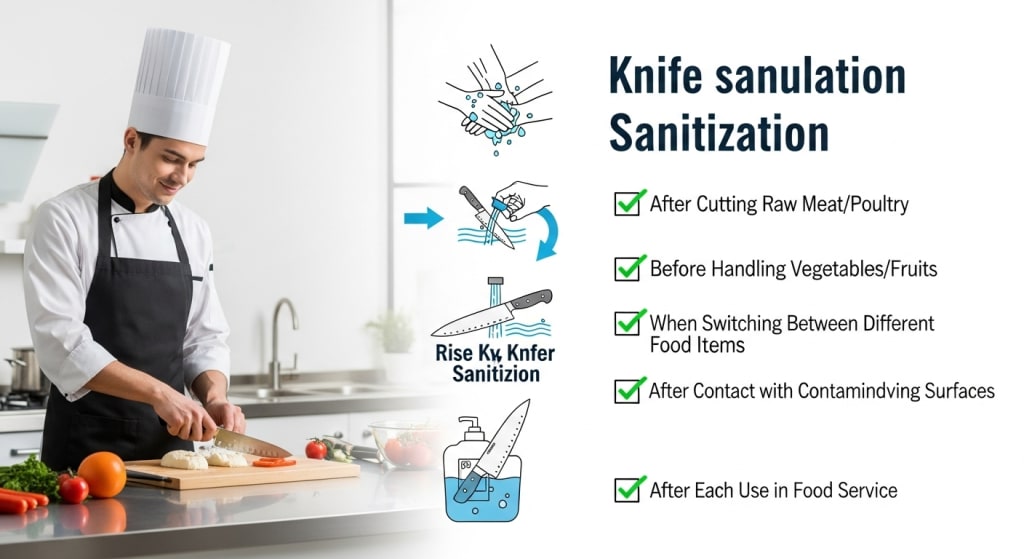
Cross-contamination happens when harmful germs spread from one surface or food to another. Using the same cutting board for raw meat and vegetables without cleaning it first is a common mistake that puts you at risk.
- Always use separate utensils for raw and cooked foods.
- Clean surfaces immediately after handling raw ingredients.
- Think about how germs can travel—are you touching your phone or fridge handle with contaminated hands?
Are you sure your kitchen habits are preventing cross-contamination? Small changes can make a big difference in stopping dangerous germs from spreading.
Credit: advantagecleaningllc.net
Benefits Of Regular Cleaning
Keeping your kitchen clean isn’t just about making it look nice. Regular cleaning brings clear benefits that protect your health, improve your cooking experience, and save you money over time. When you clean and sanitize consistently, you build a safer and more efficient kitchen environment.
Preventing Bacteria Growth
Bacteria thrive in warm, moist places, and your kitchen can easily become a breeding ground. By cleaning surfaces regularly, you remove food particles and spills where bacteria can hide and multiply.
Think about the last time you left crumbs on the counter overnight—did you notice ants or an unpleasant smell the next day? That’s bacteria at work. You can stop this by wiping down surfaces daily and sanitizing cutting boards and utensils after use.
Maintaining Food Safety
Food safety depends heavily on cleanliness. Cross-contamination can happen when raw meat juices touch ready-to-eat foods, leading to foodborne illnesses.
By sanitizing your kitchen tools and countertops, you reduce this risk dramatically. This practice is especially important if you have children or elderly family members at home, as they are more vulnerable to infections.
Extending Kitchen Appliance Life
Appliances like refrigerators, ovens, and dishwashers work better when they are clean. Grease buildup and grime can cause them to work harder, using more energy and wearing out faster.
Regular cleaning prevents these issues, keeping appliances running smoothly longer. You’ll save on repair costs and avoid the hassle of replacing broken equipment sooner than expected.
Sanitizing Vs Cleaning
Understanding the difference between sanitizing and cleaning is key to keeping your kitchen safe and healthy. Many people use these terms interchangeably, but they serve different purposes. Knowing when and how to apply each can prevent foodborne illnesses and protect your loved ones.
Differences Explained
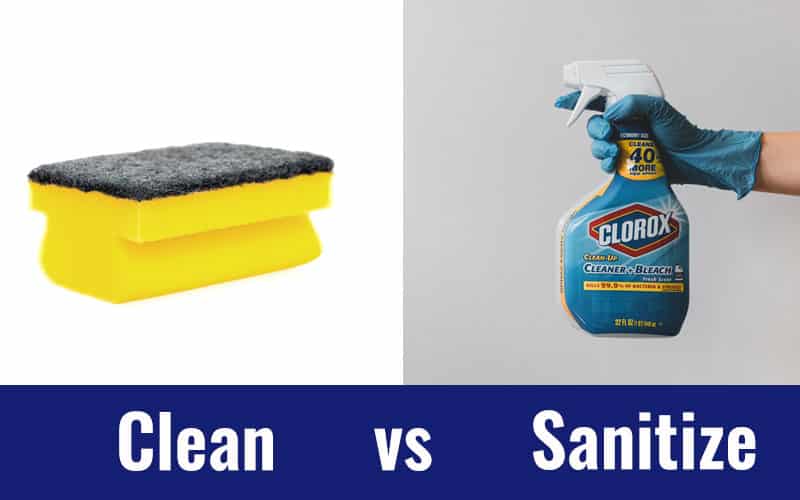
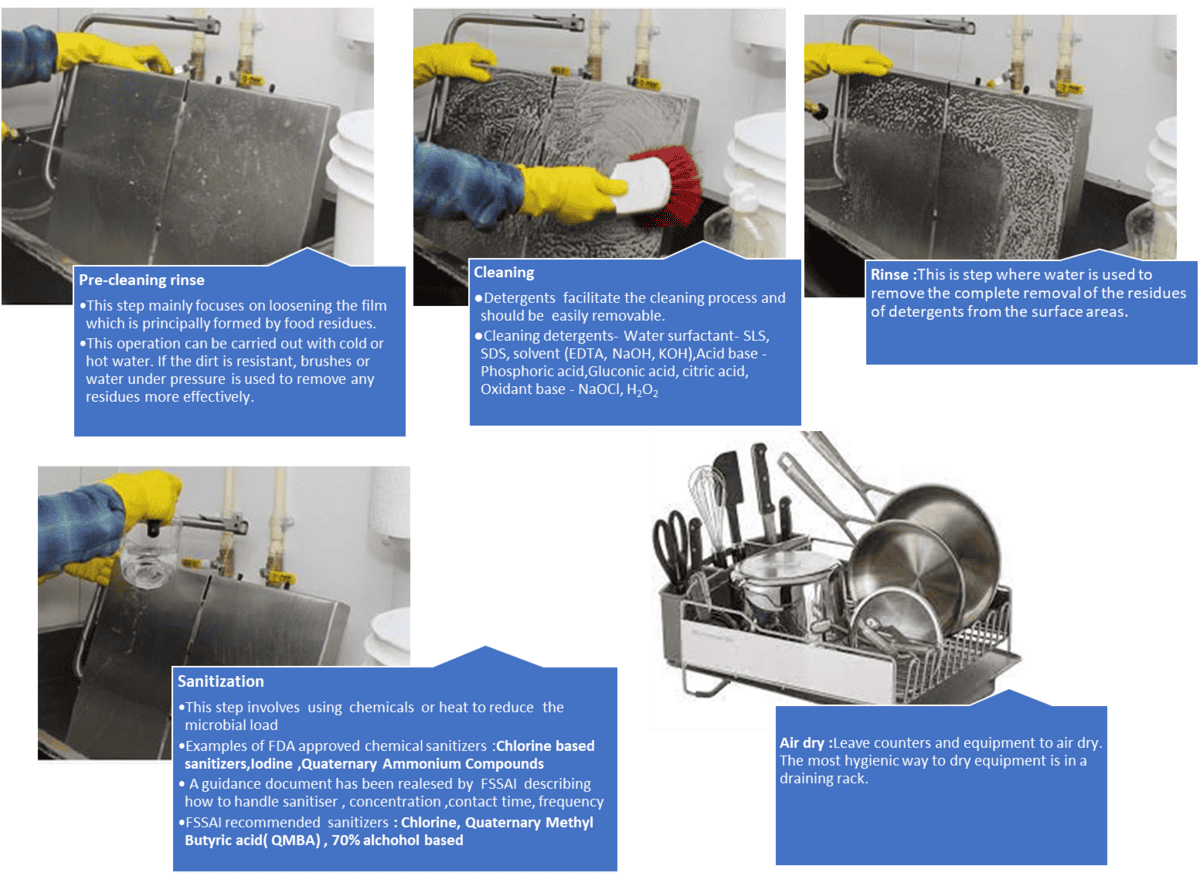
Cleaning removes visible dirt, grease, and food particles from surfaces. It involves using soap or detergent and water to wash away grime. Sanitizing, on the other hand, reduces the number of harmful bacteria and viruses to safe levels after cleaning.
Think of cleaning as the first step—you can't sanitize a dirty surface effectively. Sanitizing targets invisible germs that cleaning alone might leave behind. Both steps are essential but serve different roles in kitchen hygiene.
When To Clean And When To Sanitize
Clean surfaces whenever you see spills, crumbs, or grease. This prevents buildup and makes sanitizing more effective. For example, after chopping raw chicken, wash your cutting board to remove juices and bits of meat.
Sanitize surfaces before food preparation, especially when handling ready-to-eat items. Use sanitizers on countertops, utensils, and cutting boards to kill harmful bacteria. Ask yourself: Is this surface about to touch food directly? If yes, sanitizing is a must.
Effective Sanitizing Agents
Not all sanitizers are created equal. Common agents include:
- Chlorine bleach solutions, which are affordable and widely used.
- Quaternary ammonium compounds, popular in commercial kitchens.
- Alcohol-based sanitizers, handy for quick cleaning of small surfaces.
Always follow the manufacturer's instructions for dilution and contact time. Using too little sanitizer or wiping it off too soon reduces its effectiveness. Have you checked if your sanitizer is food-safe and approved for kitchen use?
Essential Cleaning Tips
Keeping the kitchen clean stops germs from spreading and protects your health. Regular sanitizing removes harmful bacteria and keeps food safe to eat. Clean surfaces also help prevent food poisoning and keep your kitchen fresh.
Keeping your kitchen clean and sanitized is crucial for maintaining a healthy environment. Bacteria and germs can spread rapidly, especially in food preparation areas, posing potential health risks. Understanding and implementing essential cleaning tips can safeguard your kitchen from harmful contaminants.
Daily Cleaning Routine
Developing a daily cleaning routine can significantly reduce the spread of bacteria. Start by wiping down countertops and stovetops with a disinfectant after each meal preparation. This not only prevents the buildup of grime but also keeps your kitchen looking fresh and inviting. Take a moment to sweep the floor every evening. This simple task can prevent food particles from attracting pests. Lastly, make sure to empty the trash can regularly to avoid unpleasant odors and bacteria growth.
Proper Dishwashing Techniques
Proper dishwashing is more than just scrubbing with soap and water. Using hot water is essential as it helps to kill germs effectively. If you’re using a dishwasher, ensure it’s set to a high-temperature wash. For handwashing, change the dishwater frequently to avoid spreading bacteria. Keep your sponges and dishcloths clean and dry, as they can harbor germs if left wet. Consider replacing these cleaning tools regularly to maintain hygiene.
Cleaning Kitchen Surfaces
Kitchen surfaces can become breeding grounds for bacteria if not cleaned properly. Use a solution of warm water and a mild detergent for regular cleaning. For deeper sanitization, a mixture of water and vinegar or a commercial kitchen disinfectant can be effective. Pay special attention to high-touch areas like cabinet handles and light switches. These often-overlooked spots can transfer germs easily. Regularly cleaning these surfaces ensures a comprehensive approach to kitchen hygiene. By adopting these essential cleaning practices, you’re not only ensuring a cleaner kitchen but also promoting a healthier home environment. Are there areas in your kitchen routine you could improve? Taking small steps each day can make a big difference.
Sanitizing Best Practices
Sanitizing your kitchen is not just about making it look clean—it’s about protecting your health and the health of those you cook for. Effective sanitizing reduces harmful bacteria and viruses that can lead to foodborne illnesses. Knowing how to sanitize properly ensures you’re not just moving germs around but actually eliminating them.
Using Safe Sanitizers
Choosing the right sanitizer is crucial. Look for products approved by health authorities and made specifically for kitchen use. Avoid harsh chemicals that can leave toxic residues on your surfaces or utensils.
Many people trust a simple bleach solution, but you must use the correct concentration—usually about one tablespoon of bleach per gallon of water. Don’t forget to let the sanitizer sit for the recommended time, typically a few minutes, to work effectively.
Sanitizing Cutting Boards And Utensils
Cutting boards and utensils often harbor bacteria, especially after handling raw meat or vegetables. After washing them with hot, soapy water, sanitize by soaking in your chosen solution or wiping thoroughly.
Wooden boards need special care; avoid soaking them too long as they can crack and harbor germs. Instead, wipe them with sanitizer and let them air dry. Plastic boards can usually handle soaking but check manufacturer guidelines.
Handling Sponges And Cloths
Sponges and cloths are breeding grounds for bacteria if not managed well. Rinse them thoroughly after use and wring out excess water to prevent moisture buildup.
- Replace sponges every week or sanitize them by microwaving wet for a minute.
- Wash cloths in hot water regularly and avoid using the same cloth for multiple tasks.
Think about how often you replace these items—could your cleaning tools be doing more harm than good? Your kitchen’s hygiene depends heavily on these small but essential details.
Credit: foodsafetyworks.com
Maintaining A Safe Kitchen Environment
Maintaining a safe kitchen environment is essential to prevent foodborne illnesses. A clean and sanitized kitchen reduces the risk of contamination. It creates a healthy space for food preparation. Every kitchen task should support hygiene and safety. Simple habits protect everyone who eats the food.
Proper Food Storage
Store food at correct temperatures to stop bacteria growth. Use airtight containers to keep food fresh and safe. Separate raw and cooked foods to avoid cross-contamination. Label items with dates to track freshness. Organize shelves so older items get used first.
Waste Management
Dispose of kitchen waste regularly to prevent pests and odors. Use covered bins to keep waste contained. Clean bins often to avoid germs. Separate recyclable and organic waste to support cleanliness. Never leave food scraps out in the open.
Regular Inspection And Maintenance
Check kitchen appliances and surfaces for cleanliness daily. Repair leaks and cracks that can harbor bacteria. Replace worn-out sponges and cloths often. Schedule deep cleaning for hard-to-reach areas. Keep cleaning tools sanitized to ensure effectiveness.
Frequently Asked Questions
Why Is Kitchen Cleaning Essential For Food Safety?
Kitchen cleaning removes harmful bacteria and food residues. It prevents foodborne illnesses and cross-contamination. Regular cleaning keeps your cooking area safe and hygienic, protecting your family’s health.
How Does Sanitizing Differ From Cleaning In Kitchens?
Cleaning removes dirt and debris, while sanitizing kills germs. Sanitizing uses chemicals or heat to reduce pathogens. Both steps are crucial for a safe kitchen environment.
What Are The Risks Of Not Sanitizing Kitchen Surfaces?
Un-sanitized surfaces harbor bacteria, viruses, and fungi. These pathogens cause food poisoning and infections. Proper sanitization minimizes these health risks effectively.
How Often Should Kitchen Areas Be Cleaned And Sanitized?
Clean kitchen surfaces daily or after each use. Sanitize high-touch areas at least once daily. Frequent cleaning and sanitizing maintain a safe and healthy kitchen.
Conclusion
Keeping your kitchen clean and sanitized protects your health daily. Germs and bacteria spread fast without proper care. Clean surfaces stop food contamination and illness. Regular cleaning saves money on repairs and waste. It also keeps your kitchen looking fresh and inviting.
Small efforts make a big difference in safety. Everyone benefits from a tidy, germ-free kitchen space. Simple habits create a healthier home environment for all.