
Have you ever stopped to think about what’s really hiding in your kitchen? Every surface you touch, every utensil you use, can carry germs that put your health at risk.
Cleaning and sanitizing your kitchen isn’t just about keeping it looking nice—it’s about protecting you and your loved ones from foodborne illnesses and harmful bacteria. You’ll discover exactly why these simple habits are crucial, how they can save you time and money, and the easy steps you can take to make your kitchen a safer place.
Keep reading to find out how a cleaner kitchen can lead to a healthier, happier you.
Health Risks From Dirty Kitchens
A dirty kitchen is more than just an eyesore; it poses serious health risks. Germs thrive in unclean environments, turning your cooking space into a breeding ground for illness. Understanding these dangers can motivate you to keep your kitchen spotless and safe.
Common Kitchen Germs
Many harmful microbes lurk in kitchens without you realizing it. Bacteria like Salmonella, E. coli, and Listeriacommonly hide on cutting boards, countertops, and sponges. Even a small spot of raw chicken juice can spread these germs quickly.
Viruses such as norovirus can also contaminate surfaces, leading to stomach flu outbreaks. Molds and yeasts add to the risk by growing in damp areas like sink drains and refrigerators. Have you checked how often you clean these hotspots in your kitchen?
Foodborne Illnesses
Dirty kitchens increase your chance of foodborne illnesses, which affect millions annually. Symptoms like nausea, vomiting, and diarrhea can disrupt your life for days or even require medical attention. Kids, elderly, and people with weak immune systems face even greater dangers.
Not all food poisoning comes from eating spoiled food; contamination during preparation is often the culprit. Handling raw meat without washing hands afterward or using unwashed vegetables can introduce harmful pathogens to your meals. What precautions do you take to avoid this?
Cross-contamination Dangers
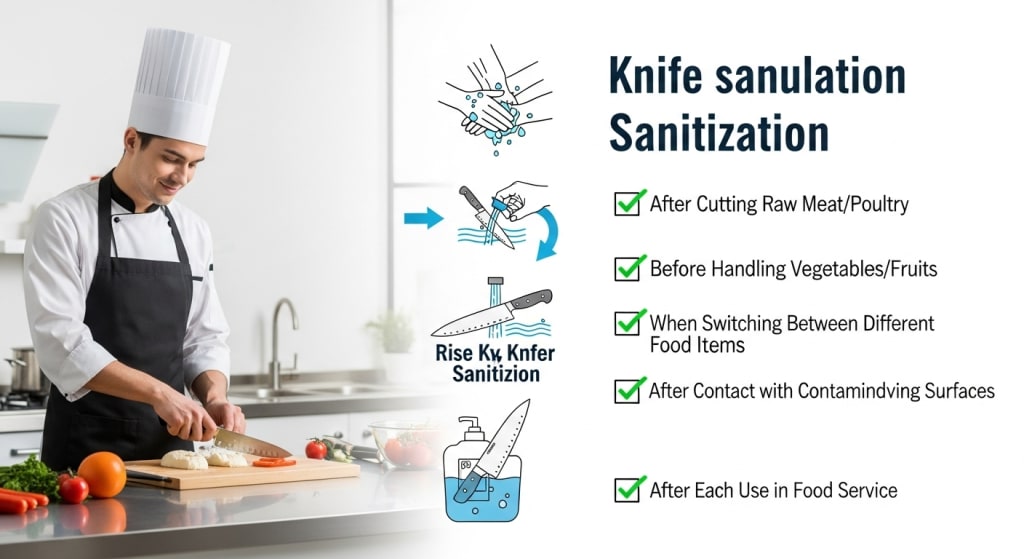
Cross-contamination happens when bacteria transfer from one surface or food to another. For example, using the same knife for raw chicken and then for salad without cleaning can spread germs instantly. This silent transfer can ruin your health despite using fresh ingredients.
Using separate cutting boards for meat and vegetables is one simple fix. Also, sanitize kitchen tools and wipe down surfaces regularly to block this hazard. Could a few extra minutes spent cleaning save you from a serious illness?
Benefits Of Regular Cleaning
Keeping your kitchen clean and sanitized regularly brings clear benefits that go beyond just looking tidy. It creates a safer environment for preparing food, protects your kitchen tools, and keeps your space inviting. Let’s break down why these benefits should make regular cleaning a non-negotiable part of your routine.
Maintaining Food Safety
Bacteria and germs can quickly multiply on unclean surfaces, putting your meals at risk of contamination. Regular cleaning removes these harmful agents, reducing the chance of foodborne illnesses. Have you ever thought about how a small spill left unattended could turn into a breeding ground for bacteria?
Sanitizing cutting boards, countertops, and utensils after each use prevents cross-contamination. This simple habit can protect you and your loved ones from stomach bugs or worse. Your kitchen should be the safest place for food preparation, not a source of health problems.
Extending Appliance Lifespan
Appliances like refrigerators, ovens, and dishwashers work better when they are clean. Dust, grease, and food residue can cause parts to wear out faster or break down entirely. Regular cleaning helps prevent these issues, saving you money on repairs or replacements.
Think about your oven’s heating elements clogged with grease or your fridge’s coils covered in dust. These conditions force appliances to work harder and consume more energy. Taking a few minutes to clean them can keep them running smoothly for years.
Enhancing Kitchen Appearance
A clean kitchen instantly feels more welcoming and enjoyable to spend time in. Shiny surfaces, spotless floors, and fresh-smelling air create an atmosphere that invites creativity and relaxation. Isn’t it easier to cook when you feel comfortable and proud of your space?
Also, a neat kitchen makes it simpler to find ingredients and tools, reducing stress during meal prep. Guests will notice the difference too, often associating cleanliness with care and quality. Your kitchen’s appearance reflects your habits and attention to detail.
Difference Between Cleaning And Sanitizing
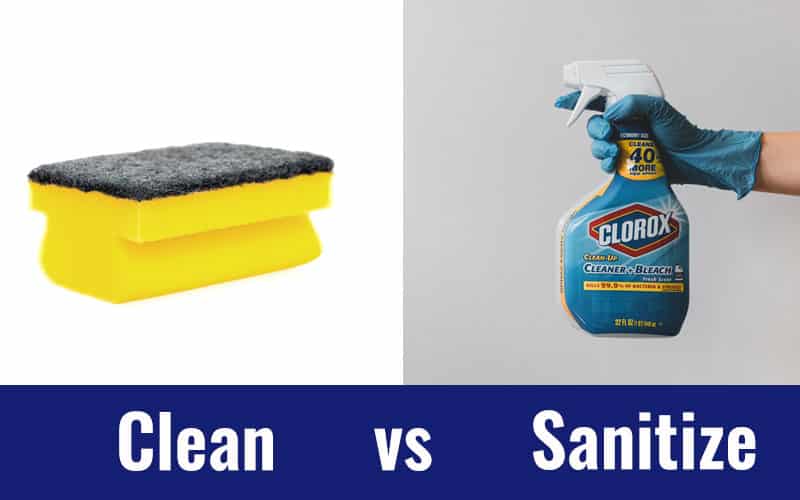
Understanding the difference between cleaning and sanitizing helps keep kitchens safe. Both are vital but serve different roles. Cleaning removes dirt and food residues. Sanitizing reduces germs to safe levels. Knowing when and how to do each protects health and prevents contamination.
What Cleaning Involves
Cleaning means removing visible dirt, grease, and food particles. It uses soap or detergent and water. Scrubbing and rinsing are key steps. Cleaning makes surfaces look clean and ready for the next step. It does not kill most bacteria or viruses, only removes them physically.
Purpose Of Sanitizing
Sanitizing lowers the number of germs to safe levels. It uses chemicals or heat to kill bacteria and viruses. Sanitizing stops the spread of illnesses through food contact surfaces. It is essential after cleaning to ensure safety. Sanitizing does not remove dirt or grime but focuses on germs.
When To Clean Vs Sanitize
- Clean before you sanitize to remove dirt and food.
- Sanitize after cleaning to kill harmful germs.
- Clean surfaces daily or after spills.
- Sanitize surfaces that contact food, like cutting boards.
- Sanitize hands before handling food.
Credit: advantagecleaningllc.net
Essential Cleaning Tools And Supplies
Clean kitchens reduce germs and prevent foodborne illnesses. Using the right tools makes cleaning faster and more effective. Sanitizing surfaces keeps food safe and your family healthy.
Essential cleaning tools and supplies in the kitchen ensure hygiene and safety. A clean kitchen prevents foodborne illnesses and keeps unwanted pests away. To maintain a spotless kitchen, you need the right tools and supplies. These essentials help you achieve thorough cleaning efficiently.
Recommended Cleaning Agents
Choosing the right cleaning agents is crucial. Use agents that are safe and effective. Common choices include:
- Dish soap: Perfect for everyday cleaning.
- All-purpose cleaner: Versatile for different surfaces.
- Vinegar: Natural and good for tackling grime.
- Baking soda: Useful for scrubbing and deodorizing.
Ensure the agents are suitable for the surfaces you clean.
Proper Use Of Sanitizers
Sanitizers kill germs and bacteria. Use them correctly to ensure safety. Follow these steps:
- Read the label: Understand how to use the sanitizer.
- Apply to clean surfaces: Sanitizers work best on clean areas.
- Allow time to dry: This ensures germs are effectively killed.
Always follow the manufacturer's instructions for best results.
Safe Equipment Choices
The right tools make cleaning easier and safer. Choose equipment that is durable and easy to clean. Consider these options:
- Microfiber cloths: Effective and reusable.
- Scrub brushes: Great for tough stains.
- Mops with removable heads: Easy to wash.
- Sponges: Ideal for absorbing spills.
Replace worn-out equipment to maintain hygiene standards.
Effective Cleaning Techniques
Keeping your kitchen clean isn’t just about appearances—it’s about health and safety. Effective cleaning techniques ensure that harmful bacteria and germs don’t find a place to thrive. You can protect yourself and your family by adopting the right habits and tools in your kitchen routine.
Surface Cleaning Tips
Start with choosing the right cleaner for each surface. For example, use mild soap and warm water for countertops, but avoid harsh chemicals on wooden surfaces to prevent damage.
Wipe down surfaces regularly, especially after preparing raw meat or vegetables. Using a microfiber cloth can trap dirt better than a regular sponge.
Don’t forget to disinfect high-touch areas like cabinet handles and light switches. A simple mix of water and vinegar can work wonders here.
Cleaning Kitchen Utensils
Hand washing is often the best way to clean delicate utensils, using hot water and dish soap to remove grease and food particles. For heavily soiled items, soak them briefly before scrubbing.
Use a brush to clean knives and other tools with hard-to-reach places. It’s safer and ensures no residue remains.
Dishwashers are great but check if your utensils are dishwasher-safe first. Otherwise, heat from the machine may damage them.
Handling Spills And Stains
Act quickly when spills happen. The longer liquid sits, the harder it is to remove and the higher the risk of bacteria growth.
For oily stains, sprinkle baking soda to absorb the grease before wiping. This simple trick can save your countertops and fabrics from stubborn marks.
Always blot spills instead of rubbing to avoid spreading the mess. Have a stash of paper towels or cloths handy for immediate cleanup.
Credit: foodsafetyworks.com
Sanitizing Procedures For Different Areas
Sanitizing your kitchen means targeting different areas with the right procedures to eliminate harmful bacteria. Each spot in your kitchen needs a specific approach to keep it safe and clean. Understanding these differences can help you protect your family and maintain a hygienic cooking space.
Countertops And Cutting Boards
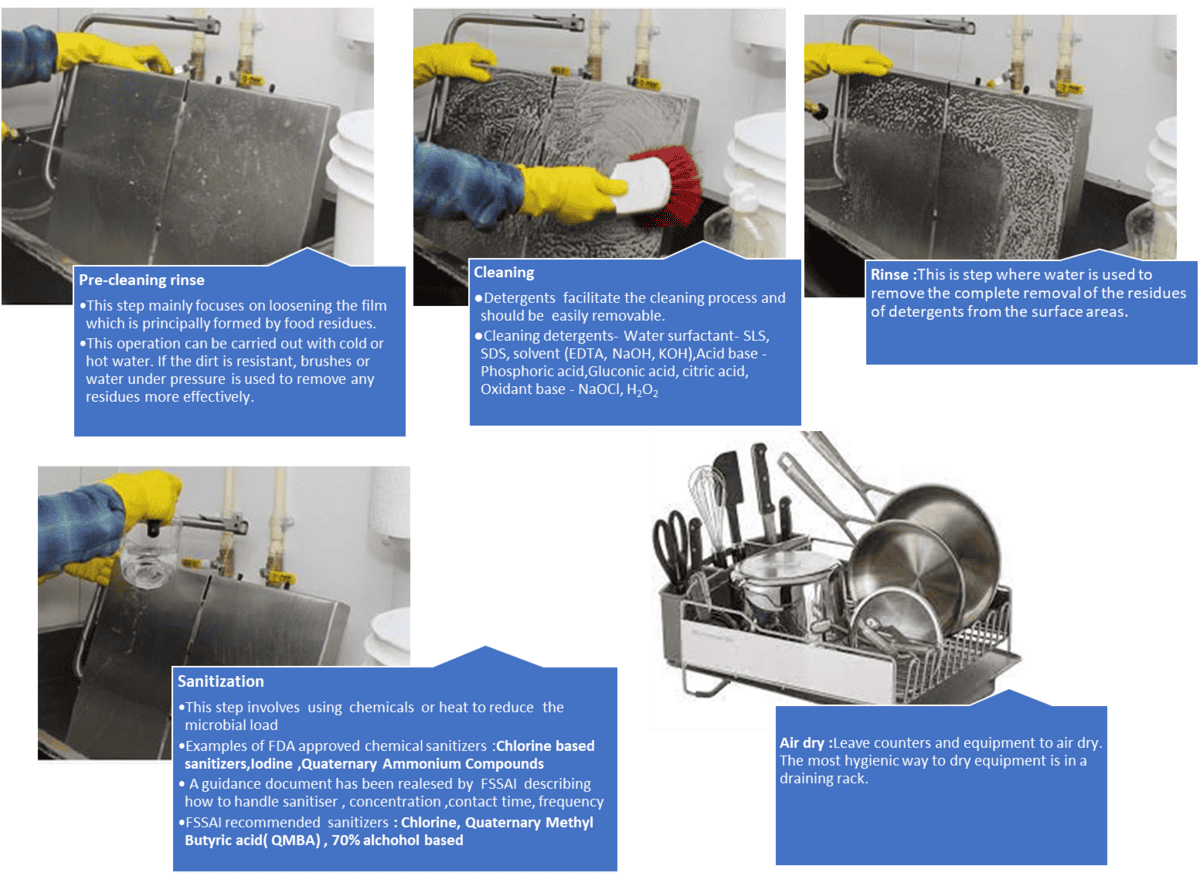
Countertops and cutting boards are hotspots for germs because you prepare food directly on them. After cleaning with soap and water, use a sanitizing solution like diluted bleach or a commercial kitchen sanitizer. Let the surface air dry to ensure bacteria are fully killed.
Did you know that cross-contamination often starts here? Always sanitize after cutting raw meat and before preparing vegetables. Using separate cutting boards for different foods can also reduce risks.
Sinks And Faucets
Sinks and faucets frequently come in contact with dirty water and food scraps, making them breeding grounds for bacteria. Clean these areas with warm soapy water first, then wipe them down with a disinfectant spray or wipes.
Pay special attention to faucet handles—they are touched constantly. Sanitizing these can prevent germs from spreading every time you turn on the water. Have you noticed how often these get overlooked during cleaning?
Refrigerators And Storage
Refrigerators and storage areas keep your food fresh but can also harbor bacteria if not cleaned properly. Remove all items, wipe shelves with warm soapy water, then sanitize with a food-safe disinfectant.
Check for spills and expired foods regularly. Storing raw meats in sealed containers and on the bottom shelf can stop drips from contaminating other foods. How often do you clean your fridge to avoid hidden germs?
Maintaining Cleanliness Habits
Maintaining cleanliness habits in the kitchen is not just about appearance; it directly impacts food safety and your health. Consistent cleaning prevents bacteria buildup and cross-contamination, keeping your kitchen a safe place to prepare meals. Developing good habits makes cleaning less overwhelming and more effective over time.
Daily Cleaning Routine
Establish a simple daily cleaning routine that covers key areas like countertops, cutting boards, and sinks. Wipe surfaces with a sanitizing solution after each use to reduce germs immediately. Don't forget to clean utensils and cookware promptly to avoid residue buildup that attracts pests or causes odors.
Think about how small habits, like wiping spills right away, can prevent bigger messes later. What part of your daily kitchen use could benefit from a quick clean-up habit?
Deep Cleaning Schedule
Set aside time weekly or monthly for deep cleaning tasks that don’t fit into your daily routine. This includes cleaning inside ovens, refrigerators, and behind appliances where dirt and grime hide. A scheduled deep clean helps catch problems before they become health risks.
Use checklists to track these tasks and ensure nothing is missed. Would your kitchen’s hygiene improve if you had a clear plan for these deeper cleans?
Training Kitchen Staff
If you work with a team, training everyone on proper cleaning and sanitizing methods is crucial. Share clear instructions on how to clean different areas and why it matters. Hands-on demonstrations can make a big difference in understanding and execution.
Encourage questions and feedback so your team feels confident and responsible. How could better training change the way your kitchen handles cleanliness?

Credit: www.aol.com
Frequently Asked Questions
Why Is Kitchen Cleaning Crucial For Health?
Kitchen cleaning removes harmful bacteria and germs. It prevents foodborne illnesses and cross-contamination. A clean kitchen ensures safe food preparation and protects your family’s health.
How Often Should Kitchen Sanitizing Be Done?
Kitchen sanitizing should be done daily, especially on surfaces. High-touch areas like countertops and cutting boards need regular sanitizing to kill germs and maintain hygiene.
What Are The Risks Of Not Sanitizing Kitchen Surfaces?
Not sanitizing can lead to bacterial growth and food contamination. This increases the risk of food poisoning and allergic reactions. Proper sanitizing controls harmful microorganisms effectively.
Can Cleaning Prevent Kitchen Pest Infestations?
Yes, cleaning removes food crumbs and spills that attract pests. Regular cleaning and sanitizing reduce pest access to food, helping prevent infestations and maintaining a hygienic kitchen environment.
Conclusion
Keeping the kitchen clean and sanitized protects your health every day. Germs and bacteria can spread quickly without proper care. Clean surfaces stop food contamination and keep meals safe. Regular cleaning also helps avoid bad smells and pests. A tidy kitchen makes cooking more pleasant and stress-free.
Simple habits like wiping counters and washing hands matter a lot. Cleanliness in the kitchen shows respect for yourself and others. Stay consistent, and your kitchen will remain a safe place to prepare food. Small efforts bring big benefits for your family’s well-being.