
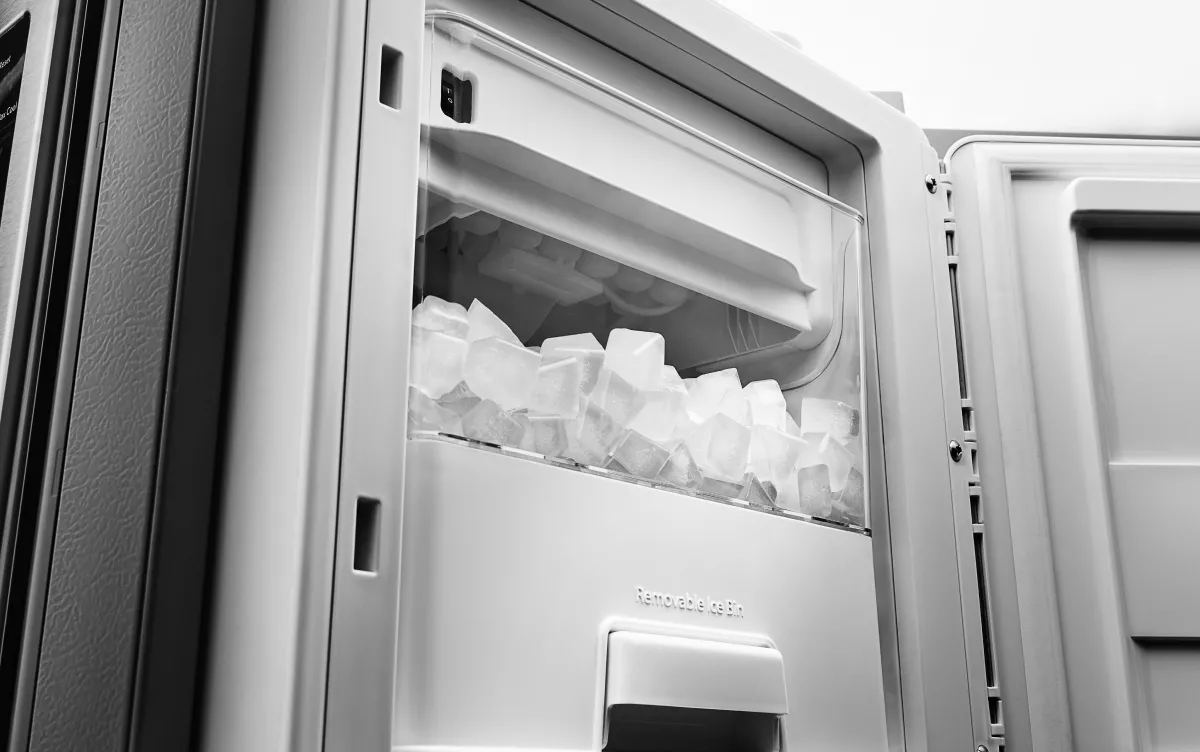
Is your Kitchen Aid refrigerator suddenly not making ice? That cold, refreshing ice you rely on for your drinks and meals is nowhere to be found.
You might feel frustrated or unsure about what’s going wrong. Don’t worry—you’re not alone, and the fix could be simpler than you think. You’ll discover the most common reasons why your ice maker stopped working and easy steps you can take to get it back up and running.
Keep reading to bring your ice supply back to life and enjoy your chilled drinks once again!

Credit: www.kitchenaid.com
Common Ice Maker Issues
Common ice maker issues can stop your Kitchen Aid refrigerator from making ice. Understanding these problems helps fix the ice maker quickly. Many problems happen due to simple causes. Some issues need professional help to repair.
Ice Maker Not Turning On
The ice maker may not turn on due to power problems. Check if the appliance is plugged in and the switch is on. Sometimes, the ice maker’s switch is accidentally turned off. Another cause can be a faulty control board. This board controls the ice maker’s functions. A broken board needs replacement to restore ice making.
Water Supply Problems
Ice makers need a steady water supply to work. A blocked or closed water valve stops water flow. The water filter may be clogged and reduce water supply. Replacing the water filter regularly ensures clean water flow. Check if the water line is kinked or damaged. Fixing these issues restores proper water flow to the ice maker.
Clogged Or Frozen Water Line
Water lines can freeze in cold fridge sections. A frozen line blocks water from reaching the ice maker. Thaw the line gently using warm towels or hair dryers. Avoid using sharp objects that may damage the line. Dirt or mineral buildup can clog water lines too. Cleaning or replacing the water line helps ice production.
Faulty Ice Maker Components
Several parts inside the ice maker can fail. The motor that ejects ice cubes may stop working. The thermostat controls the freezing cycle and can break. The mold heater melts ice to release cubes; a failure here causes jams. Inspecting and replacing broken parts can fix the ice maker. Use genuine Kitchen Aid parts for best results.

Credit: www.youtube.com
Checking The Water Supply
When your Kitchen Aid refrigerator stops making ice, the water supply is often the first place to check. Without a steady flow of water, the ice maker can't function properly. Examining the water supply components can help you spot simple issues before calling for professional help.
Inspecting The Water Valve
The water valve controls the flow of water into the ice maker. If it's faulty or stuck, no water will reach the ice tray. Check if the valve is receiving power and listen for a clicking sound when the ice maker calls for water.
Sometimes, sediment or debris can clog the valve, so cleaning or replacing it might be necessary. Have you noticed your ice maker not filling at all? The valve could be your culprit.
Ensuring Proper Water Pressure
Low water pressure can prevent your ice maker from filling adequately. Your refrigerator usually requires at least 20 psi to operate the ice maker properly.
Check your home's water pressure using a gauge or call a plumber if you suspect it's too low. You might find that other appliances are using water simultaneously, which reduces pressure—try shutting off faucets and see if ice production improves.
Replacing A Damaged Water Line
The water line supplies water directly to the ice maker. If it's kinked, cracked, or frozen, water flow will stop. Inspect the line behind your fridge for visible damage or leaks.
A damaged line is easy to replace with basic tools and a new tubing kit. Don’t ignore small leaks; they can cause bigger problems down the line and affect your ice maker’s performance.
Resetting The Ice Maker
Resetting the ice maker can fix common issues causing your Kitchen Aid refrigerator to stop making ice. This simple action often clears errors and restarts the ice-making process. Try resetting to restore normal ice production quickly.
Resetting the ice maker can solve many ice production issues. It might be necessary if your Kitchen Aid refrigerator is not making ice. Sometimes, a simple reset can bring the ice maker back to life. Below is a detailed guide on how to reset your ice maker effectively.
Locating The Reset Button
First, find the ice maker's reset button. It is usually inside the freezer compartment. Look for a small, round button near the ice maker unit. You may need to remove the ice tray to see it clearly. Check your user manual if you have trouble finding it.
Step-by-step Reset Process
Follow these steps to reset the ice maker:
- Press and hold the reset button for about 10 seconds.
- Wait for the ice maker to make a sound or beep.
- Release the button once you hear the noise.
- Close the freezer door and wait for a few hours.
- Check if the ice maker begins producing ice again.
Resetting may take some time to show results. Patience is key. If the problem persists, consider seeking professional help.
Cleaning And Maintenance Tips
Keeping your Kitchen Aid refrigerator’s ice maker clean and well-maintained helps it work properly. Dirt, ice build-up, or old filters can stop ice production. Regular care improves ice quality and prevents common issues. Follow these cleaning and maintenance tips to keep ice flowing smoothly.
Defrosting Frozen Parts
Ice can build up in the ice maker or freezer. This blocks water flow and stops ice making. Turn off the ice maker and unplug the fridge. Leave the freezer door open to melt ice. Use a soft cloth to remove water. Avoid sharp tools to prevent damage. Defrosting clears blockages and restores ice production.
Cleaning The Ice Mold
Residue and dirt can collect inside the ice mold. This affects ice shape and taste. Remove the ice mold carefully. Wash it with warm water and mild soap. Rinse well to remove all soap. Dry the mold completely before replacing. Clean molds help produce clear, fresh ice cubes.
Regular Filter Replacement
Water filters trap impurities that affect ice quality. Old filters reduce water flow and ice production. Check the filter status every six months. Replace filters according to the manufacturer’s instructions. Use only approved replacement filters. Fresh filters ensure clean water and better ice.
When To Call A Technician
Knowing when to call a technician for your Kitchen Aid refrigerator not making ice can save you time and prevent further damage. Some problems are easy to fix yourself, but others require professional help to avoid costly repairs. Understanding the warning signs helps you decide when it's time to stop troubleshooting and pick up the phone.
Signs Of Mechanical Failure
If your ice maker is making strange noises like grinding or clicking, it could mean a mechanical part is failing. You might also notice ice cubes that are misshapen or stuck together. These issues often point to a broken ice mold, faulty ejector arm, or worn-out motor.
Another clear sign is when the ice maker stops producing ice altogether, even though the freezer is cold enough. If you've already checked the water supply and settings, mechanical failure is likely. Ignoring these symptoms can lead to bigger problems, so getting a technician to inspect the internal parts is wise.
Electrical Issues To Watch For
Electrical problems can cause your ice maker to malfunction without any visible mechanical damage. Look out for flickering lights on the control panel or the ice maker not responding to commands. These could indicate wiring issues or a faulty control board.
Occasionally, you might smell a burning odor or see signs of electrical shorts, such as scorch marks near the ice maker. These are serious red flags that require immediate professional attention. Attempting electrical repairs yourself can be dangerous, so calling a technician is the safest option.
Have you noticed any of these signs with your refrigerator? Acting quickly can prevent a small issue from turning into a major repair.
Credit: www.kitchenaid.com
Frequently Asked Questions
Why Is My Kitchen Aid Fridge Not Making Ice?
Your Kitchen Aid fridge may stop making ice due to a clogged water filter, frozen water line, or low water pressure. Check the filter and replace it if needed. Also, ensure the freezer temperature is between 0-5°F for optimal ice production.
How Do I Reset The Ice Maker On Kitchen Aid Fridge?
To reset the ice maker, locate the reset button inside the freezer. Press and hold it for 10 seconds until you hear a chime. This resets the ice maker and can resolve minor glitches causing ice production issues.
Can A Frozen Water Line Stop Ice Production?
Yes, a frozen or clogged water line can block water flow to the ice maker. Defrost the freezer or thaw the line carefully. This often restores water flow and resumes ice production in your Kitchen Aid refrigerator.
How Often Should I Replace The Water Filter?
Replace your Kitchen Aid water filter every 6 months or after filtering 300 gallons. A clogged filter reduces water flow and affects ice quality. Regular replacement ensures clean water and efficient ice maker performance.
Conclusion
A Kitchen Aid refrigerator that stops making ice can cause frustration. Check the water supply and make sure it flows well. Clean or replace the ice maker filter. Confirm the freezer temperature is set correctly. Small fixes often solve the problem quickly.
If issues persist, a professional check might help. Regular care keeps your ice maker working smoothly. Don’t ignore early signs of trouble. A little attention can save time and money later.