
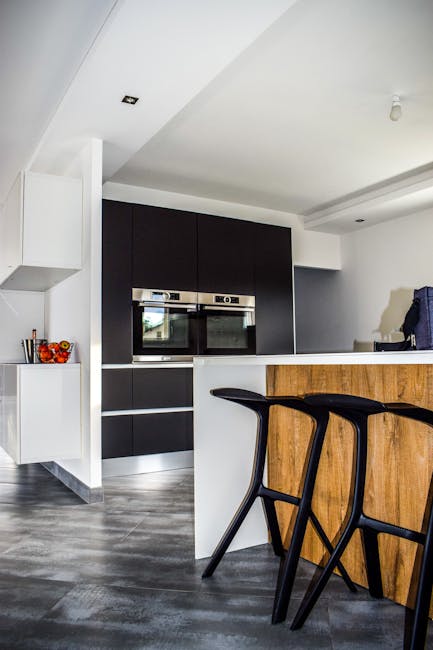
Have you ever finished mopping your kitchen floor, only to find it sticky and unpleasant underfoot? It’s frustrating, especially when you expect a clean, fresh surface.
You might wonder what went wrong or if your cleaning routine needs a complete overhaul. The good news is, you’re not alone—and this problem is usually easy to fix. You’ll discover the common reasons why your kitchen floor feels sticky after mopping and simple solutions you can try right away.
Keep reading to make your floors truly spotless and comfortable again.
:max_bytes(150000):strip_icc()/GettyImages-758311695-38bbf821979948e1942433eba4f989e3.jpg)
Credit: www.thespruce.com
Common Causes Of Sticky Floors
Sticky kitchen floors after mopping can be frustrating and puzzling. You expect a clean, fresh surface, but instead, you find yourself sticking to the floor with every step. Understanding the common causes behind this can help you fix the problem quickly and avoid it in the future.
Residue From Cleaning Products
Many cleaning products contain ingredients that leave a thin film on your floor. This residue can make the surface feel sticky, especially if the product isn’t designed for your floor type. Have you ever noticed that some soaps or detergents feel slippery or tacky after drying? That’s the residue at work.
Choosing the right cleaner for your flooring material and avoiding harsh chemicals can reduce this problem. Sometimes, switching to a more natural or floor-specific product makes a big difference.
Insufficient Rinsing
Rinsing is a crucial step often overlooked during mopping. When you don’t rinse properly, leftover cleaning solution stays on the floor, causing stickiness. Imagine washing dishes but skipping the rinse—soap would cling to your plates, right?
Make sure to mop with clean water after applying your cleaner. This extra step helps remove any lingering soap or detergent, leaving your floor smooth and clean.
Water Quality Issues
Hard water can complicate your cleaning routine without you realizing it. Minerals like calcium and magnesium in hard water react with soaps, creating a sticky or filmy layer on your floors. If your tap water leaves spots on glass or dishes, it might be causing your sticky floors too.
Using filtered or distilled water for mopping, or adding a water softener, can help prevent this issue. Have you checked your water’s hardness lately?
Excessive Cleaning Solution Use
It might seem like more cleaner means cleaner floors, but that’s not true. Using too much cleaning solution often leads to build-up, which dries sticky and attracts dirt. Think about how overusing shampoo can leave your hair feeling greasy and heavy.
Stick to the recommended amounts on your product labels. Less is often more when it comes to mopping solutions, ensuring your floors stay fresh without that unpleasant stickiness.
Credit: modern-maids.com
Effects Of Sticky Floors
Sticky floors after mopping create several problems in your kitchen. They affect daily activities and the overall cleanliness of the space. Understanding these effects helps you take proper care of your floor and avoid further damage.
Safety Hazards
Sticky floors increase the risk of slips and falls. They make walking unstable, especially for children and elderly people. This can lead to injuries and accidents in the kitchen. A sticky surface reduces grip, causing dangerous situations.
Attracting Dirt And Dust
Sticky floors act like magnets for dirt and dust. They trap particles easily, making the floor look dirty quickly. This creates a cycle of constant cleaning and frustration. The sticky surface prevents the floor from staying clean longer.
Damage To Flooring Material
Residue from cleaning products can harm your floor over time. Sticky substances may cause discoloration or dullness. They can also weaken the floor’s finish and surface. This leads to costly repairs or early replacement of flooring.
Simple Fixes For Sticky Floors
Sticky kitchen floors after mopping can be frustrating. Simple fixes can solve this problem quickly. Understanding the cause helps prevent it from happening again.
Use The Right Cleaning Products
Choose cleaning products designed for your floor type. Avoid harsh chemicals that leave residue. Use gentle, pH-neutral cleaners for best results. Check product labels to ensure they rinse off easily.
Rinse Thoroughly After Mopping
Rinse floors with clean water after mopping. This removes leftover soap and dirt. Use a clean mop or cloth for rinsing. Skipping this step often causes stickiness.
Adjust Cleaning Solution Concentration
Mix cleaning solutions according to instructions. Too much soap makes floors sticky. Use less detergent to keep floors clean and smooth. Always measure carefully for the right balance.
Dry Floors Properly
Dry floors immediately after rinsing. Use a clean, dry mop or towel. Standing water can cause stickiness and damage. Proper drying keeps floors safe and fresh.
Preventive Measures
Use the right amount of cleaning solution to avoid residue buildup on your floor. Rinse the mop frequently to prevent spreading dirt and soap. Dry the floor thoroughly after mopping to stop stickiness.
When dealing with a sticky kitchen floor after mopping, understanding and implementing preventive measures can make a significant difference. Let's explore some practical strategies that can help ensure your floor remains clean and residue-free.
Regular Floor Maintenance
Regular maintenance is the backbone of a clean kitchen floor. Consistently sweeping or vacuuming the floor prevents the build-up of dirt and grime. This simple routine reduces the chances of sticky residues forming after mopping. Consider setting a specific schedule for floor maintenance. Daily or every other day sweeping can significantly cut down on the time spent mopping. You'll find that a cleaner floor requires less effort and fewer products to maintain.
Avoid Overuse Of Detergents
Using too much detergent can actually cause more harm than good. Excess soap can leave a sticky film if not rinsed properly. It's crucial to follow the manufacturer's instructions on detergent amounts. Remember, less is often more. Start with a small amount of detergent and observe the results. You might be surprised at how effective minimal amounts can be without leaving your floors sticky.
Test Cleaning Solutions First
Before trying a new cleaning solution, always conduct a test. Apply a small amount of the solution to a less visible area of your floor. This helps ensure the product won't leave residues or damage the flooring. Testing also provides peace of mind. You'll know exactly how the solution interacts with your floor, preventing unwanted surprises. Have you ever considered this simple step before diving into a full clean? By incorporating these preventive measures, you can enjoy a sparkling, non-sticky kitchen floor.
When To Call A Professional
Knowing when to call a professional can save time and prevent more damage. Some sticky floor issues need expert help to fix properly. Professionals have the tools and knowledge to handle tough problems. This helps keep your kitchen floor safe and clean.
Persistent Stickiness Issues
Sticky floors after mopping that do not improve may indicate a deeper problem. Cleaning products might have left a residue that is hard to remove. A professional can identify the cause and use the right methods to clean. They can also suggest better cleaning products to prevent stickiness.
Floor Damage Concerns
Sticky floors sometimes show signs of damage under the surface. Water may have seeped into cracks, causing swelling or warping. A professional can inspect your floor for hidden damage. Early repair by experts can save you from costly replacements later.

Credit: www.yocada.com.au
Frequently Asked Questions
Why Is My Kitchen Floor Sticky After Cleaning?
Sticky floors often result from leftover soap or cleaning residue. Using too much detergent or not rinsing well causes this. Always use the right amount of cleaner and rinse with clean water to avoid stickiness.
Can Wrong Cleaning Products Cause Sticky Floors?
Yes, using harsh or unsuitable cleaners can leave a sticky film. Avoid products with wax, oil, or heavy detergents for kitchen floors. Choose pH-neutral cleaners designed for your floor type to prevent stickiness.
How Can I Fix A Sticky Kitchen Floor?
To fix it, mop again with clean water to remove residue. Use a vinegar-water solution for a natural, residue-free clean. Dry the floor thoroughly to avoid any leftover stickiness.
Does Water Quality Affect Floor Stickiness?
Yes, hard water can leave mineral deposits causing stickiness. If you have hard water, use a water softener or distilled water for mopping. This helps keep your floor residue-free and smooth.
Conclusion
Sticky kitchen floors after mopping can be frustrating. Often, leftover soap or too much water causes this problem. Using the right cleaner and less water helps a lot. Drying the floor quickly keeps it from staying sticky. Regularly rinsing your mop also makes a difference.
Small changes in cleaning habits bring better results. Keep these tips in mind for a clean, smooth floor. Your kitchen will feel fresh and safe to walk on again. Simple steps lead to a stick-free floor every time.