
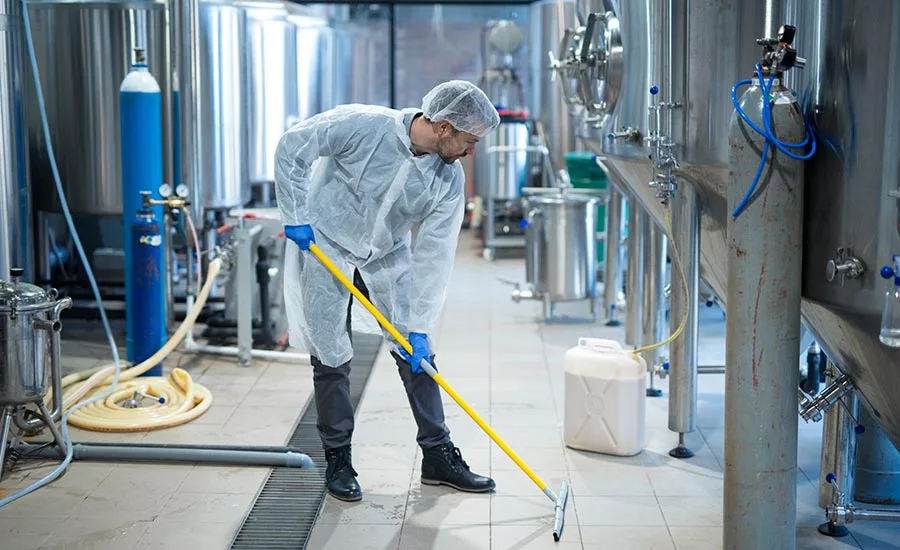
Your kitchen is the heart of your home, where you prepare meals for yourself and your loved ones. But have you ever stopped to think about how clean your kitchen tools and equipment really are?
If you don’t sanitize them properly, harmful bacteria and germs can easily sneak into your food. This can lead to illnesses that you definitely want to avoid. You’ll discover why sanitizing your kitchen tools is not just a good habit—it’s essential for your health and safety.
Keep reading to find out simple steps you can take to protect yourself and your family every time you cook.
Health Risks Of Unsanitized Kitchen Tools
Unsanitized kitchen tools pose serious health risks. These tools can carry harmful germs that cause illness. Cleaning alone does not remove all bacteria. Proper sanitizing kills dangerous microbes and protects health.
Bacterial Contamination
Kitchen tools often have bacteria like Salmonella and E. coli. These bacteria grow on raw food residues. Cutting boards and knives are common spots for bacteria. Unsanitized tools spread these germs quickly. This contamination can cause stomach pain and diarrhea.
Cross-contamination Dangers
Cross-contamination happens when germs move from one food to another. Using the same tool on raw meat and vegetables spreads bacteria. This can infect foods that are eaten raw. Sanitizing tools stops this dangerous transfer of germs.
Foodborne Illnesses
Foodborne illnesses come from eating food with harmful bacteria. Symptoms include nausea, vomiting, and fever. Some illnesses can be severe or life-threatening. Children, elderly, and sick people are most at risk. Sanitizing kitchen tools lowers the chance of food poisoning.

Credit: www.moveoutcleaningserviceaustin.com
Key Benefits Of Sanitizing Kitchen Equipment
Sanitizing kitchen tools and equipment is essential for a safe and efficient cooking space. It helps keep harmful germs away and ensures everything works well. Clean tools also make food taste better and last longer. Below are some key benefits of sanitizing kitchen equipment.
Preventing Food Poisoning
Sanitizing removes bacteria, viruses, and other germs from kitchen tools. These germs can cause food poisoning if they contaminate food. Clean equipment reduces the risk of illness for everyone who eats the food. It keeps your kitchen safer and healthier.
Extending Tool Lifespan
Regular sanitizing stops rust and buildup on kitchen tools. Dirt and food residue can damage surfaces over time. Clean equipment lasts longer and works better. This saves money by reducing the need to replace tools often.
Maintaining Food Quality
Sanitized tools keep food fresh and tasty. Old food residue can change flavors and cause spoilage. Clean equipment prevents cross-contamination between different foods. This helps meals stay delicious and safe to eat.
Effective Sanitizing Methods
Sanitizing your kitchen tools and equipment effectively is essential to keep your cooking space safe and hygienic. Choosing the right sanitizing method can make a big difference in removing harmful bacteria and preventing foodborne illnesses. Let’s look at some practical ways to ensure your kitchen items are thoroughly clean and safe to use.
Using Hot Water And Soap
Washing kitchen tools with hot water and soap is a simple yet powerful way to remove grease, dirt, and many germs. The heat helps break down oils and food particles, while soap lifts away bacteria from surfaces.
For best results, use water that’s at least 110°F (43°C) and scrub each item carefully. Pay special attention to crevices and joints where bacteria often hide.
Have you noticed how handwashing your knives and cutting boards right after use makes cleanup easier? This habit prevents food from drying and sticking, which can harbor germs.
Chemical Sanitizers
Chemical sanitizers like bleach solutions, quaternary ammonium compounds, and iodine are effective at killing bacteria that soap and water might miss. These sanitizers work quickly and provide a strong barrier against contamination.
Make sure to follow the instructions on the label for proper dilution and contact time. Using too much sanitizer won’t make your tools cleaner and can leave harmful residues.
One practical tip is to soak small items like utensils in a sanitizer solution for at least 30 seconds after washing. This extra step can significantly reduce the risk of cross-contamination.
Steam And Heat Treatments
Steam and high heat can sanitize kitchen equipment without chemicals. Steam cleaners reach temperatures that kill bacteria and viruses effectively.
For example, using a dishwasher with a sanitizing cycle or a steam cleaner on cutting boards and pots can provide deep cleaning without extra effort.
Have you tried using boiling water to sanitize your wooden spoons or silicone spatulas? It’s a quick and natural way to keep them germ-free without damaging the material.

Credit: www.moveoutcleaningserviceaustin.com
Daily Hygiene Practices
Maintaining a clean kitchen is essential for health. Daily hygiene practices help prevent the spread of germs. They keep your food safe and your family healthy. Let's explore key practices to ensure your kitchen tools and equipment remain sanitized.
Regular Cleaning Routines
Cleaning tools and equipment daily reduces bacteria buildup. Use warm, soapy water for effective cleaning. Scrub all surfaces thoroughly to remove food particles. Rinse with clean water to eliminate soap residue. Regular cleaning keeps your kitchen safe.
Proper Drying Techniques
Dry your tools well after washing. Moisture can breed bacteria. Use a clean towel to dry each item. Ensure no water remains on surfaces. Store tools only when completely dry to prevent contamination.
Safe Storage Tips
Store kitchen tools in clean, dry places. Use designated storage areas to avoid cross-contamination. Keep cutting boards separate from other utensils. Ensure cabinets and drawers are dry and free from pests. Safe storage maintains the cleanliness of your tools.
Common Mistakes To Avoid
Sanitizing kitchen tools and equipment is essential for food safety, but many people unknowingly make mistakes that reduce its effectiveness. These errors can lead to contamination, foodborne illnesses, and wasted effort. Let’s look at some common pitfalls you can easily avoid to keep your kitchen safe and clean.
Neglecting Hard-to-reach Areas
It’s easy to clean the visible parts of your kitchen tools, but germs often hide in cracks, joints, and crevices. Have you ever noticed residue stuck in the hinges of a vegetable peeler or the handle of a knife? These spots can harbor bacteria if not thoroughly cleaned and sanitized.
Make it a habit to disassemble tools when possible and use brushes designed for small spaces. Paying attention to these hidden areas ensures no bacteria survive the cleaning process.
Using The Same Tools For Raw And Cooked Foods
Cross-contamination is a major risk when you use the same utensils for raw meat and cooked dishes without proper cleaning. Do you really know what’s lingering on your cutting board after prepping chicken? Even small traces of raw juices can cause serious illness if transferred.
Always designate separate tools for raw and cooked foods or wash thoroughly between uses. This simple practice can drastically reduce contamination risks in your kitchen.
Ignoring Manufacturer Guidelines
Each kitchen tool or piece of equipment comes with specific care instructions. Overlooking these guidelines can damage your tools or leave harmful residues behind. Have you ever scrubbed a non-stick pan with abrasive cleaners only to ruin its coating?
Follow the manufacturer’s directions for cleaning and sanitizing to maintain both the safety and longevity of your kitchen tools. Proper care prevents costly replacements and keeps your food preparation hygienic.
Tools And Equipment That Need Special Care
Sanitizing kitchen tools and equipment prevents the spread of harmful germs. Some tools need extra attention to stay safe and clean. These items often come into direct contact with food. Proper care reduces the risk of foodborne illnesses and keeps your kitchen hygienic.
Cutting Boards
Cutting boards can trap bacteria in scratches and grooves. Wooden boards need gentle cleaning to avoid damage. Plastic boards can be washed with hot water and soap. Use separate boards for raw meat and vegetables to avoid cross-contamination. Sanitizing cutting boards after each use is essential.
Knives And Utensils
Knives and utensils touch many food types, spreading germs easily. Clean knives immediately after use to prevent bacteria buildup. Use hot water and dish soap for washing. Pay close attention to handles and joints. Dry knives and utensils well to avoid rust and bacteria growth.
Appliances And Small Gadgets
Appliances like blenders and food processors have many parts. These parts can hide food particles and bacteria. Disassemble small gadgets carefully for thorough cleaning. Wipe surfaces and buttons regularly with a damp cloth. Follow manufacturer instructions for sanitizing to keep appliances safe.

Credit: www.yahoo.com
Frequently Asked Questions
Why Should Kitchen Tools Be Sanitized Regularly?
Sanitizing kitchen tools kills harmful bacteria and prevents foodborne illnesses. It ensures safe food preparation and maintains hygiene. Regular sanitization also extends the lifespan of your equipment by preventing buildup and corrosion.
How Does Sanitizing Prevent Cross-contamination?
Sanitizing removes bacteria and viruses that transfer between foods. This stops harmful pathogens from spreading. Proper sanitization is essential when handling raw and cooked foods to maintain food safety.
What Are The Risks Of Not Sanitizing Kitchen Equipment?
Not sanitizing leads to bacterial growth, causing food poisoning and infections. It increases contamination risks and compromises food quality. Poor hygiene can also attract pests and damage your kitchen tools.
How Often Should Kitchen Tools Be Sanitized?
Kitchen tools should be sanitized after each use, especially when switching between raw and cooked foods. Frequent sanitization maintains cleanliness and prevents harmful bacteria buildup.
Conclusion
Sanitizing kitchen tools keeps your food safe and healthy. Germs and bacteria hide easily on dirty equipment. Cleaning stops the spread of illness in your home. It also helps food taste better and last longer. Simple steps prevent big problems later.
Keep your kitchen tools clean every day. This small habit protects you and your family well. Safe cooking starts with clean tools. Don’t forget—sanitizing matters more than you think.