
Have you ever thought about the clothes you wear while cooking? Wearing protective clothing in the kitchen isn’t just about looking neat—it’s about keeping yourself safe from burns, spills, and cuts.
Imagine avoiding those painful accidents that can ruin your day and your meal. You’ll discover simple reasons why protective clothing should be your kitchen essential. By the end, you’ll see how a few smart choices can protect your skin, keep your clothes clean, and make your cooking experience much safer.
Ready to learn how to protect yourself every time you step into the kitchen? Keep reading!
Benefits Of Protective Clothing
Protective clothing in the kitchen is more than just a uniform—it acts as a crucial barrier between you and potential hazards. Wearing the right gear keeps you safe and helps maintain a clean cooking environment. Let's explore the key benefits that make protective clothing a smart choice every time you cook.
Preventing Burns And Cuts
Sharp knives and hot surfaces are common in any kitchen. Protective clothing like cut-resistant gloves and heat-resistant aprons shield your skin from injuries. Imagine handling a sizzling pan without worrying about splatters—this gear makes it possible.
Have you ever experienced a minor burn or cut while cooking? Protective clothing can turn those painful moments into mere memories by providing a reliable layer of defense.
Reducing Exposure To Harmful Substances
Kitchens often involve contact with cleaning chemicals, raw meat juices, and other substances that can irritate your skin or cause allergic reactions. Wearing gloves and long-sleeved garments reduces your exposure to these harmful elements.
Think about how much time you spend handling raw ingredients—protective clothing acts as a shield, keeping potentially dangerous substances off your skin and reducing health risks over time.
Maintaining Hygiene Standards
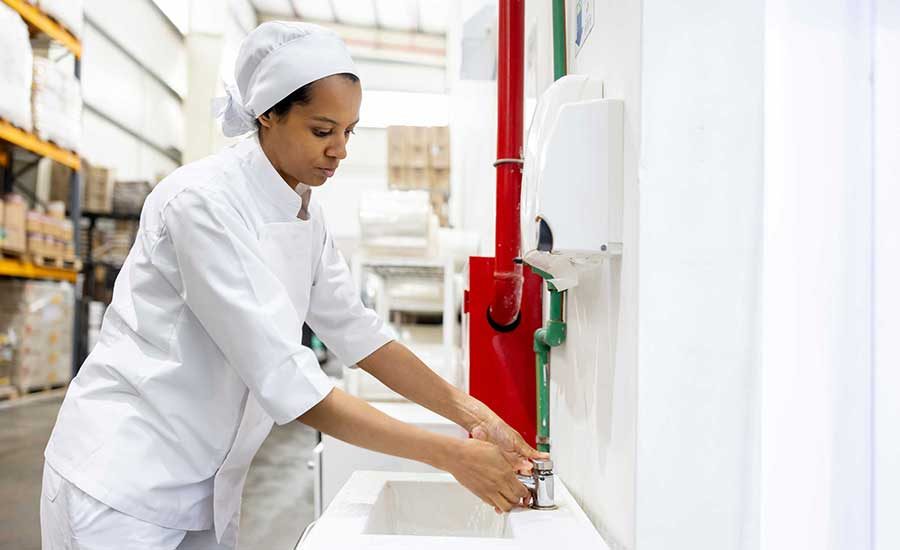
Protective clothing helps prevent contamination of food by trapping dirt, sweat, and hair that might otherwise come into contact with dishes. Wearing clean aprons, chef coats, and hairnets supports good hygiene practices essential for safe food preparation.
Would you want to eat a meal prepared by someone who isn’t taking hygiene seriously? Your protective clothing speaks volumes about your commitment to food safety and professionalism.

Credit: www.safetybuyer.com
Types Of Protective Clothing
Protective clothing in the kitchen is more than just a safety measure; it's a key part of your cooking routine that guards you against burns, spills, and contamination. Knowing the different types of protective gear can help you choose what fits your needs best. Let’s look at some essential items that should be part of your kitchen wardrobe.
Aprons And Chef Coats
Aprons shield your clothes from stains and hot splashes. They come in various materials—cotton for comfort and easy washing, or thicker fabrics for added protection against heat.
Chef coats offer extra coverage and often feature double layers to protect your torso. Many chefs prefer coats with long sleeves to prevent burns from hot oil or steam.
Heat-resistant Gloves
Heat-resistant gloves are a must when handling hot pots, pans, or grills. Unlike regular oven mitts, some gloves provide better grip and flexibility, making it easier to manage heavy or awkward items safely.
Have you ever struggled to hold a hot pan and dropped it? Investing in good heat-resistant gloves can prevent accidents like that and protect your hands from painful burns.
Non-slip Footwear
Slips and falls are common in kitchens due to wet floors or spilled ingredients. Wearing shoes with non-slip soles can drastically reduce this risk and keep you steady on your feet.
Look for footwear that also offers comfort and support since you’ll be standing for long periods. Proper shoes can make your kitchen work more comfortable and safer.
Hairnets And Beard Covers
Keeping hair away from your food is crucial for hygiene and professionalism. Hairnets and beard covers prevent stray hairs from falling into dishes, maintaining cleanliness.
If you’ve ever found a hair in your meal, you know how off-putting it can be. Using these simple protective items keeps your kitchen tidy and your customers happy.
Choosing The Right Materials
Choosing the right materials for protective clothing in the kitchen is more than just picking what looks good. Your choice affects comfort, safety, and how long your gear lasts. It’s important to think about what you’ll face in the kitchen and pick materials that meet those needs.
Breathable Fabrics For Comfort
Spending long hours in the kitchen can get hot and sweaty. Breathable fabrics like cotton or cotton blends help keep you cool by letting air flow through. Have you noticed how a shirt that traps heat can distract you from focusing on your cooking? Choosing breathable materials means you stay comfortable and alert.
Durable And Stain-resistant Options
The kitchen is a tough place for clothing with all the spills and scrapes. Durable fabrics such as heavy-duty polyester or canvas handle wear and tear better. Stain-resistant finishes also save you time and stress when cleaning up. Think about how much easier it is to wipe off a sauce stain than to scrub it endlessly.
Fire-resistant Materials
Safety is critical, and fire-resistant fabrics reduce the risk of burns from open flames or hot surfaces. Materials like treated cotton or specialized blends are designed to resist catching fire or melting. Wouldn’t you want gear that gives you one less thing to worry about when working near stoves or grills?
Credit: www.food-safety.com
Proper Use And Maintenance
Wearing protective clothing in the kitchen ensures safety and hygiene. Proper use and maintenance of this gear are crucial. Knowing how to wear, clean, store, and replace your kitchen attire can extend its lifespan. This guide will help you keep your kitchen clothes in top condition.
Correct Wearing Techniques
Securely fasten aprons and chef jackets to avoid loose ends. Ensure the fit is snug but comfortable. Roll up long sleeves to prevent them from catching fire. Use heat-resistant gloves when handling hot items.
Cleaning And Storage Tips
Wash kitchen clothing regularly to remove bacteria and stains. Follow the care labels for the best results. Store clean clothing in a dry, cool place. Use hangers for aprons and jackets to avoid wrinkles.
Replacing Worn-out Gear
Inspect clothing regularly for signs of wear and tear. Look for holes, frays, or thinning fabric. Replace gear immediately if it compromises safety. Keep extra sets on hand for quick replacements.
Impact On Kitchen Efficiency
Wearing protective clothing in the kitchen improves efficiency in many ways. It helps workers focus on their tasks without worrying about injuries. This focus leads to faster and more accurate work. Protective clothing also creates a safer environment, reducing mistakes and disruptions. The result is a smoother workflow and better team performance.
Enhancing Safety And Productivity
Protective clothing shields workers from burns, cuts, and spills. Feeling safe lets them work faster and with more care. Less worry means fewer distractions and better attention to detail. This balance of safety and speed boosts overall kitchen output. Clean and well-maintained gear also supports hygiene and comfort.
Building Team Confidence
When everyone wears the right clothing, team trust grows. Workers feel valued and protected by their employer. This confidence encourages cooperation and better communication. A confident team handles busy hours with less stress. Confidence leads to higher morale and lower staff turnover.
Reducing Accidents And Downtime
Accidents cause delays and reduce kitchen efficiency. Protective clothing lowers the chance of injuries and spills. Fewer accidents mean less downtime and disruption. This keeps the kitchen running smoothly during peak times. It also saves money on medical costs and repairs.

Credit: www.shutterstock.com
Frequently Asked Questions
Why Is Protective Clothing Important In The Kitchen?
Protective clothing prevents burns, cuts, and spills. It shields skin from hot surfaces and sharp tools. Wearing it reduces injury risks and promotes hygiene.
What Types Of Protective Clothing Are Best For Kitchens?
Aprons, gloves, and non-slip shoes are essential. Heat-resistant gloves protect from burns. Aprons guard against spills. Closed-toe shoes prevent foot injuries.
How Does Protective Clothing Improve Kitchen Safety?
It acts as a barrier against hazards like hot liquids and sharp objects. This clothing minimizes accidents and keeps the kitchen environment safer for all workers.
Can Protective Clothing Prevent Food Contamination?
Yes, it helps maintain hygiene by keeping dirt and germs off food. Clean clothing reduces the risk of cross-contamination in busy kitchens.
Conclusion
Wearing protective clothing keeps you safe from kitchen burns and cuts. It helps prevent stains and keeps your clothes clean. Safety gear also protects against hot oil splashes and sharp tools. You can focus more on cooking without worrying about accidents.
Simple habits like this make the kitchen a safer place. Stay cautious, stay comfortable, and enjoy cooking every day. Safety first, always.