
Is your kitchen sink clogged and causing you frustration? You might be wondering if a simple plunger can fix the problem quickly.
The good news is, you don’t have to call a plumber just yet. But will a plunger really unclog your kitchen sink? Keep reading, because understanding when and how to use a plunger could save you time, money, and a lot of hassle.
Let’s uncover the truth and get your sink draining smoothly again.

Credit: www.yahoo.com
How Kitchen Sink Clogs Happen
Kitchen sink clogs can disrupt daily routines quickly. Knowing how these blockages form helps in preventing and fixing them. Many factors contribute to a slow or stopped drain. Some causes are easy to spot, while others develop over time unnoticed.
Understanding the common causes and signs of a clog can save time and reduce frustration. Let’s explore what leads to kitchen sink clogs and how to recognize them early.
Common Causes
- Food scraps stuck in the drain pipe
- Grease and oil solidifying inside pipes
- Soap residue building up over time
- Hair or small debris blocking the drain
- Broken or misaligned pipes causing slow flow
- Objects accidentally dropped into the sink drain
Signs Of A Clog
- Water drains slowly or pools in the sink
- Unpleasant odors coming from the drain
- Gurgling sounds when water flows
- Frequent backups or water spilling over
- Visible debris or buildup around the drain opening
Plunger Basics
A plunger is a simple tool used to clear clogs in sinks and drains. It works by creating pressure and suction to loosen blockages. Knowing the basics of plungers helps decide if it can fix a kitchen sink clog.
Types Of Plungers
- Cup Plunger:Flat rubber cup, best for sinks and flat surfaces.
- Flange Plunger:Has an extra rubber flap, fits toilets better but can work on some sinks.
- Accordion Plunger:Made of hard plastic, creates strong pressure, mainly for toilets.
How A Plunger Works
The plunger seals around the drain opening. Pressing down pushes air and water into the pipe. Pulling up creates suction to pull the clog up or break it apart. This push and pull action moves the blockage and clears the drain.
Using A Plunger On A Kitchen Sink
Using a plunger on a kitchen sink is a straightforward way to tackle minor clogs before they turn into bigger problems. It’s a tool many people overlook, but with the right approach, a simple plunger can clear the blockage quickly. Let’s break down how to prepare your sink, use the plunger effectively, and stay safe throughout the process.
Preparing The Sink
Start by removing any standing water in the sink if it's too full, but leave enough to cover the plunger’s cup. This water helps create the necessary suction to dislodge the clog. Next, clear the sink area of dishes or any debris that might get in the way.
Check if your kitchen sink has a double basin with a stopper or overflow hole. Plug the other drain with a wet cloth or stopper to maintain pressure during plunging. This little step can make a big difference in effectiveness.
Step-by-step Guide
- Place the plunger’s cup firmly over the drain opening, ensuring a tight seal.
- Push the plunger down gently at first, then pull up sharply without breaking the seal.
- Repeat this pumping action around 15 to 20 times, maintaining steady pressure.
- After a few pumps, quickly pull the plunger off to let water rush down and test if the clog has cleared.
- If water drains slowly, repeat the process a few more times before moving on to other methods.
Many people underestimate how much force and rhythm matter here. Too little pressure won’t move the clog, and too much can splash dirty water everywhere. You’ll get a feel for it after a couple of tries.
Safety Tips
Always wear gloves before plunging to protect your hands from bacteria and dirty water. If you’ve recently used chemical drain cleaners, avoid plunging immediately, as splashing can cause harmful reactions.
Ensure your plunger is clean before and after use to prevent spreading germs. And remember, if plunging doesn’t work after several attempts, it might be time to call a professional instead of forcing the clog further down.
Have you ever had a clog that just wouldn’t budge with a plunger? What did you try next? Your kitchen sink might need more than just plunging, but understanding these basics gives you a strong start.

Credit: ca.style.yahoo.com
When A Plunger May Not Work
A plunger may fail if grease or solid debris blocks the kitchen sink. Stubborn clogs often need a different tool or professional help. Simple plunging works best for minor blockages near the drain.
Sometimes, despite your best efforts with a plunger, the stubborn clog in your kitchen sink refuses to budge. This can be frustrating, especially when you're standing knee-deep in soapy water and leftover pasta remnants. It's important to recognize the scenarios where a plunger might not be the hero of the day and consider alternative solutions to restore your sink's functionality. Let's dive into why your trusty plunger might not always save the day.
Severe Blockages
When dealing with severe blockages, a plunger might fall short. If the clog is caused by a solid mass, like a piece of cutlery lodged deep within the pipes, plunging may only push it further down. This can sometimes make the situation worse. Blockages caused by hardened grease or food particles that have solidified over time can be especially stubborn. In these cases, plunging might not generate enough force to break them apart. Have you ever had a case where plunging seemed to work, only for the clog to reappear shortly after? This might indicate a deeper, more severe blockage that requires professional intervention.
Other Potential Issues
A plunger might not work if there are other underlying issues with your plumbing. Issues like improper pipe installation or a damaged drain can make plunging ineffective. If you notice unusual sounds or odors emanating from your sink, it could be a sign of a more complex issue beyond a simple blockage. This could require professional diagnosis to avoid further damage. Sometimes, the problem isn't with the sink's drain at all. Blockages in the main sewer line can affect your kitchen sink, leading to persistent drainage issues that a plunger can't fix.
Alternative Methods For Unclogging
If a plunger doesn’t clear your kitchen sink clog, don’t worry—there are other ways to try. Different blockages need different approaches, and sometimes a simple change in method can make all the difference. Let's look at some practical alternatives that you can try at home before calling a professional.
Natural Solutions
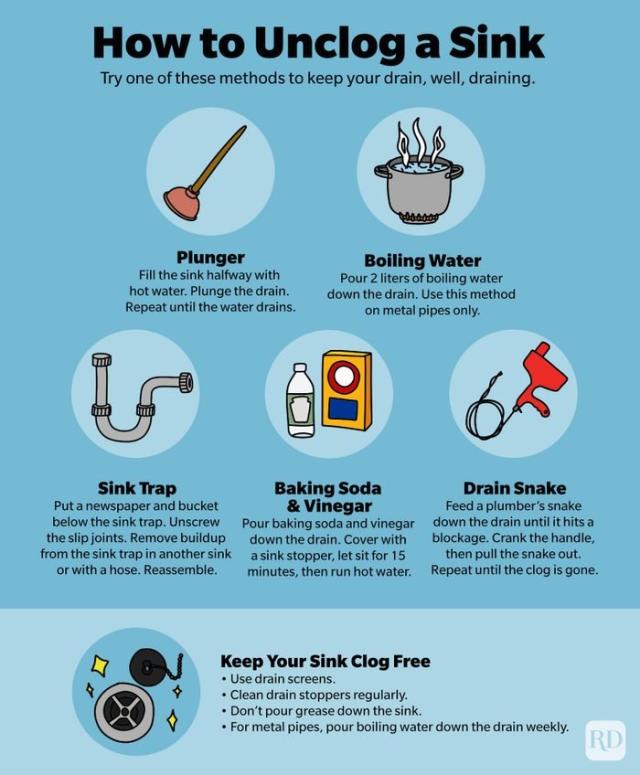
Using natural solutions can be gentle on your pipes and safe for the environment. A popular option is pouring a mixture of baking soda and vinegar down the drain. After letting it fizz for 15 minutes, flush the sink with hot water.
Another easy trick is to use boiling water. Slowly pour it down the drain in stages to help dissolve grease buildup. Have you ever tried this and noticed immediate improvement?
Chemical Cleaners
Chemical cleaners are designed to break down tough clogs quickly. They often contain enzymes or strong chemicals that dissolve hair, grease, and food particles.
Be careful to follow the instructions exactly, as misuse can damage your pipes or cause harmful fumes. Do you keep a chemical drain cleaner handy for emergencies, or do you prefer more natural options?
Using A Drain Snake
A drain snake is a flexible tool that can reach deep into your pipes to physically remove blockages. It’s especially useful when the clog is stubborn or too far down for a plunger to reach.
To use it, insert the snake into the drain and turn the handle to catch and pull out the debris. Have you ever tried using a drain snake yourself? It’s easier than you might think and saves a lot on plumber fees.
Preventing Future Clogs
Preventing clogs in your kitchen sink is easier than you might think. A plunger can help clear a blockage, but stopping the clog before it starts saves you time and hassle. Small changes in how you use and maintain your sink make a big difference.
Proper Sink Usage
Think about what you put down the drain. Avoid pouring grease, coffee grounds, or large food scraps into the sink. These substances build up and cause blockages over time.
Use a sink strainer to catch food particles. Empty it into the trash regularly instead of rinsing it down the drain. This simple habit keeps your pipes clearer.
Have you ever noticed how much oil sticks to the sides of a pan? Imagine how much can stick inside your pipes if you pour it down the sink. Pour cooled grease into a container and throw it away instead.
Regular Maintenance Tips
Regular cleaning helps prevent clogs before they become a problem. Pour boiling water down your drain once a week to melt away grease and soap scum.
Baking soda and vinegar make a natural cleaning duo. Sprinkle half a cup of baking soda into the drain, then add half a cup of vinegar. Wait 15 minutes and rinse with hot water.
Consider scheduling a professional plumbing checkup once a year. Early detection of buildup can save you from costly repairs later on.
Credit: www.aol.com
Frequently Asked Questions
Can A Plunger Fix A Clogged Kitchen Sink?
Yes, a plunger can often unclog a kitchen sink. It creates suction that loosens blockages. However, it works best for minor clogs near the drain.
How Do I Use A Plunger On A Kitchen Sink?
Fill the sink with some water, then place the plunger over the drain. Push down and pull up firmly several times. This suction helps dislodge the clog.
When Should I Avoid Using A Plunger For Sink Clogs?
Avoid plunging if the clog is caused by grease or deep pipe buildup. In such cases, chemical cleaners or professional help may be needed.
Will A Plunger Damage My Kitchen Sink Pipes?
No, a plunger is safe for most kitchen sink pipes when used correctly. Avoid excessive force to prevent pipe or seal damage.
Conclusion
A plunger can often clear simple kitchen sink clogs quickly. It works best on soft blockages near the drain. For tough or deep clogs, other tools might be needed. Regular use of a plunger can prevent buildup. Keep your sink clean to avoid frequent clogs.
Remember, patience helps when unclogging drains with a plunger. Try plunging gently at first to avoid damage. If the clog stays, consider calling a plumber. Small steps can save time and money later.