
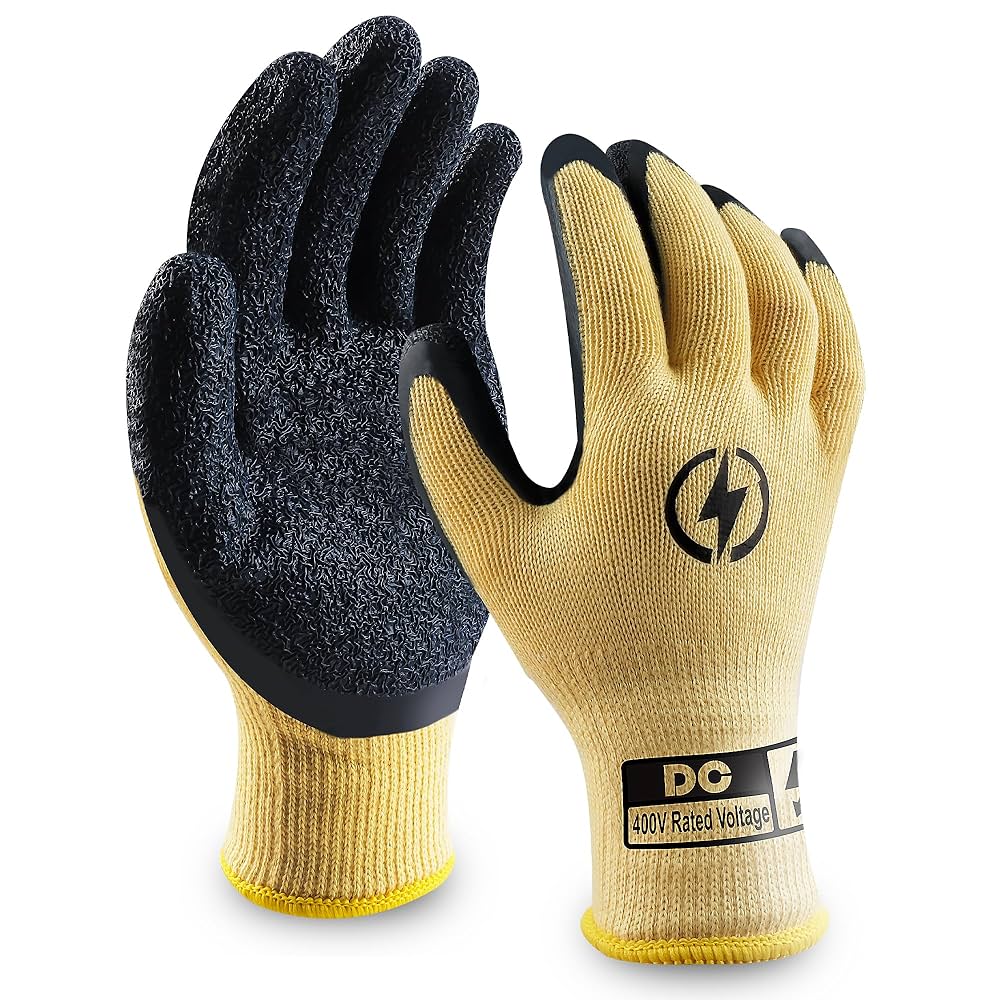
Have you ever wondered if wearing rubber kitchen gloves can actually protect you from electric shock? When you’re handling appliances or working near electrical outlets, safety is a top priority.
But can those simple gloves keep you safe, or could they give you a false sense of security? Keep reading to discover the truth about rubber kitchen gloves and electric shock—what you need to know to protect yourself and your loved ones.
Don’t risk it; get the facts before your next kitchen task.

Credit: www.saftgard.com
How Electric Shock Happens
Electric shock occurs when electric current passes through the body. This happens if a person touches an electrical source while grounded or in contact with a conductive surface. The current flows through the body, causing harm. Severity depends on voltage, current strength, and exposure time.
Understanding how electric shock happens helps in taking proper safety measures. Kitchens have many electrical devices and water, increasing shock risks.
Basics Of Electricity
Electricity flows through conductors like wires and metal. It needs a path to return to its source, called a circuit. When this path includes a human body, electricity can pass through and cause shock.
Electric current is measured in amperes (amps). Even small currents can hurt or kill. Voltage pushes the current through a circuit. Higher voltage means more dangerous shocks.
Common Shock Scenarios In Kitchens
- Touching wet appliances or outlets with wet hands
- Using damaged electrical cords near water
- Accidentally dropping electrical devices into sinks or tubs
- Handling faulty wiring or malfunctioning kitchen gadgets
Water conducts electricity well, increasing shock chances. Being careful around water and electricity lowers risk significantly.
Rubber Gloves And Their Properties
Rubber kitchen gloves offer some protection against electric shock but are not fully reliable. Their thickness and quality vary, affecting safety. Always avoid handling live electrical parts, even with gloves on.
Rubber gloves are a staple in many households, primarily used for protection during cleaning tasks. However, their ability to prevent electric shock is a topic that piques curiosity. Understanding the properties of rubber gloves is crucial if you're considering them for electrical safety.
Types Of Rubber Used In Gloves
Rubber gloves are made from various types of rubber, each with distinct properties. Natural rubber, often derived from latex, is common in household gloves, offering flexibility and elasticity. Synthetic rubbers like nitrile and neoprene provide increased resistance to chemicals and punctures but may vary in their electrical insulating capabilities.
Insulating Qualities Of Rubber
Rubber's insulating properties are well-known, making it a go-to material for handling electrical components. However, not all rubber gloves are created equal in insulation. Industrial-grade rubber gloves are designed to withstand higher voltages, whereas standard kitchen gloves may not provide adequate protection against electric shock. When you think about using rubber gloves to prevent electric shock, ask yourself: Are these gloves rated for electrical work? Always check the specifications and intended use. It's a simple step that could prevent potential hazards. Ultimately, understanding the materials and their properties can guide you in making safer choices. Whether you're washing dishes or dealing with electrical repairs, knowing your gear can make all the difference.
Are Kitchen Gloves Safe Against Electricity?
Many people wonder if kitchen rubber gloves can stop electric shocks. These gloves protect hands from water and dirt. But electricity is different. It needs special protection to keep you safe. Understanding whether kitchen gloves can protect against electric shock is important for safety.
Differences Between Kitchen And Electrical Gloves
Kitchen gloves are made for washing dishes and handling food. They are thin and flexible. Their main job is to keep water and soap away from your skin.
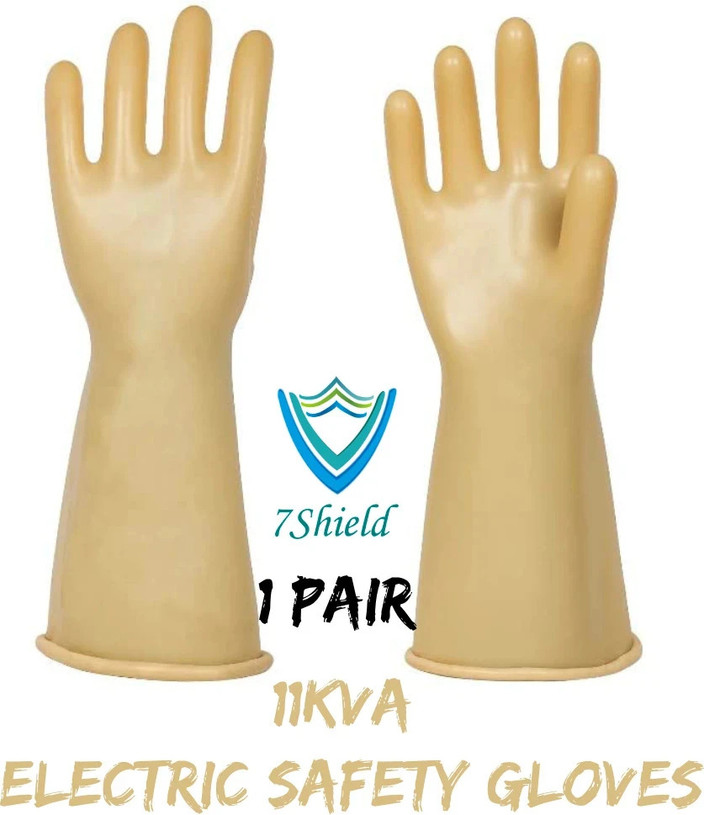
Electrical gloves are thicker and made from materials that block electricity. They have special ratings that show how much voltage they can handle. These gloves protect workers who fix electrical wires or work near live power.
Key differences include:
- Material: Kitchen gloves use rubber or latex; electrical gloves use insulating rubber.
- Thickness: Electrical gloves are thicker to block electricity.
- Testing: Electrical gloves are tested for safety with voltage standards.
Limitations Of Kitchen Rubber Gloves
Kitchen gloves do not have the insulation needed to stop electric shocks. They can have tiny holes or thin spots that let electricity pass through. Water or sweat inside the gloves can also conduct electricity.
Using kitchen gloves near electrical sources is risky. They are not designed to protect you from electric shock. For any electrical work, use gloves made for that purpose. Always choose gloves with proper safety ratings.
Credit: nichiei-tls.co.jp
Real-life Incidents Involving Kitchen Gloves
Real-life incidents involving kitchen gloves and electric shocks reveal important truths about safety in everyday tasks. Many assume that rubber kitchen gloves provide full protection against electrical hazards, but stories from people who experienced shocks while wearing them tell a different tale. These cases highlight the limits of household gloves and urge you to rethink your approach to electrical safety in the kitchen.
Case Studies Of Electric Shocks
A woman in Florida received a mild electric shock while washing dishes wearing rubber kitchen gloves. The gloves were old and had small tears, which allowed electricity to pass through. This incident shows that not all rubber gloves are designed for electrical protection.
Another case involved a man repairing a faulty toaster in his kitchen. He wore thick rubber gloves and still got a shock because the gloves were wet inside. Water significantly reduces the insulating properties of rubber, making even protective gear unsafe.
In a third incident, a chef accidentally touched a live wire while wearing brand-new rubber gloves. However, the gloves were kitchen gloves, not electrical insulating gloves. This case points out the difference between gloves made for kitchen use and those meant for electrical work.
Lessons Learned
- Check the condition of your gloves:Even small holes or cracks can let electricity through.
- Dry gloves thoroughly:Wet gloves lose their insulating ability, increasing the risk of shock.
- Use the right gloves for the task:Kitchen gloves do not protect against high voltage or electrical faults.
- Don’t rely solely on gloves:Turn off power sources before handling electrical appliances or wires.
Have you ever thought about the actual safety rating of your kitchen gloves? It’s easy to assume they protect you, but these real incidents prove otherwise. Always prioritize proper tools and safety measures over assumptions when dealing with electricity.
Safer Practices To Avoid Electric Shock
Electric shocks in the kitchen can happen faster than you think. While rubber kitchen gloves might seem like a good shield, relying on them alone isn't enough to keep you safe. Knowing safer practices can protect you and help you handle electrical tasks with confidence.
Proper Use Of Electrical Gloves
Electrical gloves are different from regular rubber kitchen gloves. They are specially designed to insulate you from electric currents and meet strict safety standards. Using the right type of gloves is crucial if you're working near live wires or electrical appliances.
Always check the gloves for any holes or tears before use. Even a small puncture can let electricity pass through. Store them away from heat and chemicals to keep their protective qualities intact.
Think about this: Have you ever worn gloves that looked fine but felt worn out? That’s a sign you need new ones. Your safety depends on the quality and condition of the gloves you choose.
Electrical Safety Tips In The Kitchen
- Keep appliances dry:Water and electricity don’t mix well. Wipe up any spills immediately.
- Unplug before cleaning:Always disconnect appliances before cleaning or repairing them to avoid shocks.
- Inspect cords regularly:Frayed or damaged cords increase the risk of shock. Replace them promptly.
- Use grounded outlets:Make sure your kitchen outlets are grounded and have GFCI (Ground Fault Circuit Interrupter) protection.
- Avoid using metal utensils near electrical sources:Metal conducts electricity and can cause shocks if it touches live parts.
Have you checked your kitchen for these hazards lately? Small changes in your habits can greatly reduce the risk of electric shock. Safety is about being aware and prepared.
When To Replace Your Gloves
Knowing when to replace your rubber kitchen gloves is key for safety. Gloves protect your hands and reduce the risk of electric shock. Over time, gloves wear out and lose their protective power. Regular checks help keep you safe in the kitchen and around electrical appliances.
Signs Of Wear And Tear
Look closely at your gloves before each use. Small holes or thin spots mean the gloves are no longer safe. Cracks, tears, or stiff areas also show damage. Dirt buildup or discoloration can hide weaknesses. If gloves feel sticky or brittle, it’s time to replace them.
Impact On Insulation
Damaged gloves lose their ability to stop electric current. Even tiny cracks break the insulation layer. Wet or dirty gloves lower their protection level. Old gloves may not block electricity as well as new ones. Always use gloves that are clean and intact for best safety.

Credit: m.made-in-china.com
Frequently Asked Questions
Do Rubber Kitchen Gloves Protect Against Electric Shock?
Rubber kitchen gloves provide minimal protection against electric shock. They are thin and not designed for electrical insulation. For safety, use gloves specifically rated for electrical work to prevent shocks effectively.
Are Kitchen Gloves Rated For Electrical Safety?
No, most kitchen gloves lack electrical safety ratings. They are meant for cleaning and handling hot items, not for electrical hazards. Always choose gloves certified for electrical protection when working with electricity.
Can Rubber Gloves Prevent High-voltage Shocks?
Rubber kitchen gloves cannot prevent high-voltage shocks. They offer limited insulation and can easily break down under strong electrical currents. Use specialized high-voltage insulating gloves for proper protection.
What Gloves Should I Use To Avoid Electric Shocks?
Use insulated gloves rated for electrical work to avoid shocks. These gloves are tested to withstand specific voltage levels. They provide reliable protection, unlike regular rubber kitchen gloves.
Conclusion
Rubber kitchen gloves can offer some protection against electric shock. They act as a barrier between your skin and electricity. But not all gloves are made for electrical safety. Ordinary kitchen gloves may not stop strong currents. Always check the glove’s material and thickness.
Using proper electrical gloves is safer. Never rely only on kitchen gloves near electricity. Stay cautious and avoid risky situations. Safety first, always.