
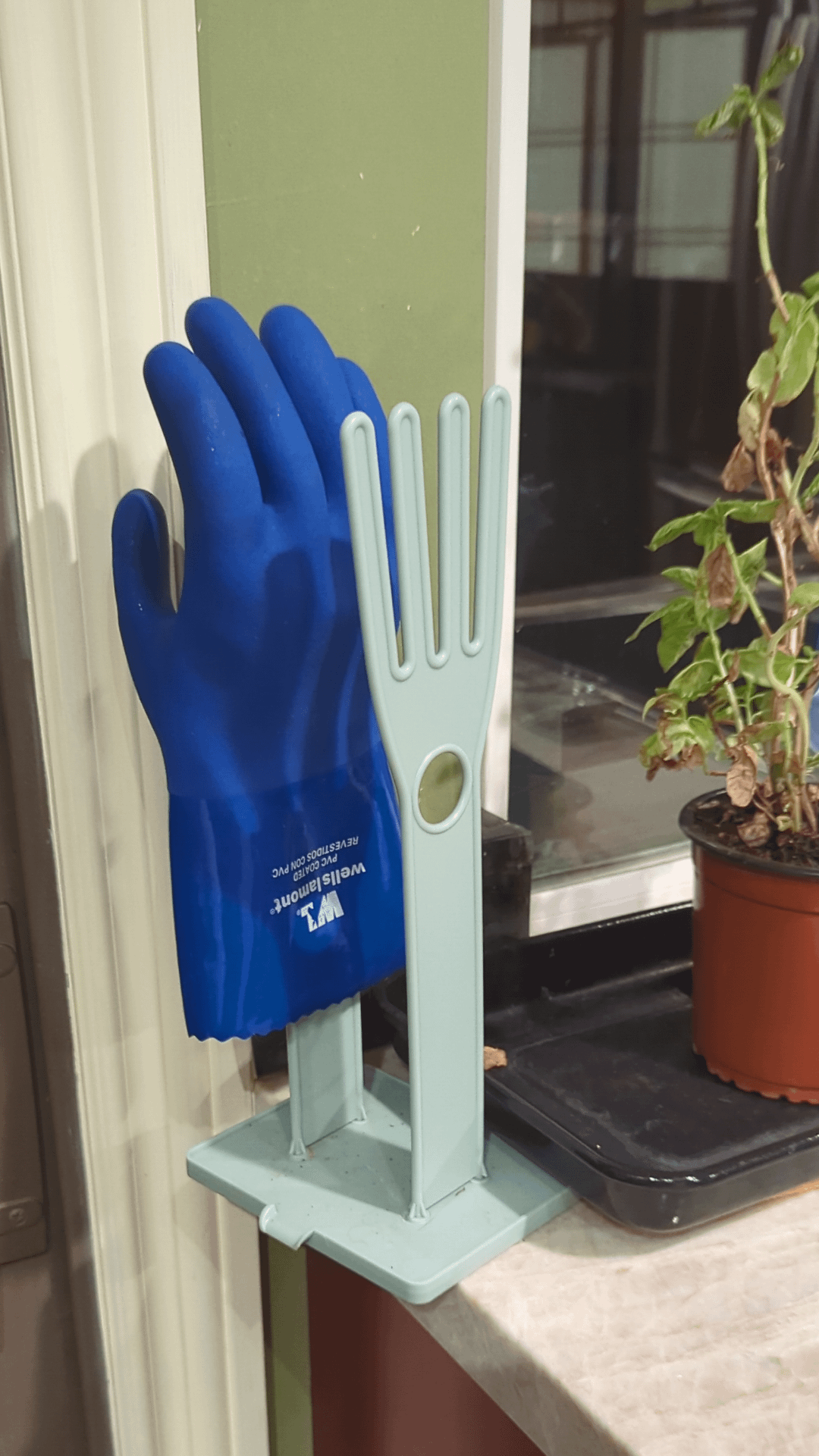
Your kitchen gloves protect your hands from heat, sharp tools, and messy spills every day. But when was the last time you gave them a proper clean?
Dirty gloves can harbor bacteria and odors, making your cooking less safe and pleasant. If you want to keep your gloves fresh, hygienic, and long-lasting, you need to know the right way to clean them. Keep reading, and you’ll discover simple, effective tips that anyone can follow to make your kitchen gloves look and feel like new again.

Credit: workglovesdepot.com
Choosing The Right Gloves
Choosing the right kitchen gloves makes a big difference in how well you protect your hands and keep your gloves clean. Not all gloves are made equal, and understanding the options helps you pick gloves that fit your needs and last longer. Let’s look at the types, materials, and signs that tell you it’s time to get new gloves.
Types Of Kitchen Gloves
There are several types of kitchen gloves designed for different tasks:
- Disposable gloves:Great for quick tasks like handling raw meat or cleaning. They’re usually made from latex, vinyl, or nitrile.
- Reusable rubber gloves:Best for washing dishes and heavy cleaning. They come in various thicknesses to protect your hands from hot water and chemicals.
- Heat-resistant gloves:Designed for handling hot pans and ovens. These often have silicone or Kevlar layers to prevent burns.
Think about what you do most in the kitchen. Do you need gloves mainly for cleaning, food prep, or cooking? That choice changes what glove type works best for you.
Materials And Durability
The material of your gloves impacts how long they last and how well they protect you. Latex gloves offer good flexibility and fit but may cause allergies for some people.
Nitrile gloves are a strong alternative—they resist punctures and chemicals better than latex. Vinyl gloves are cheaper but less durable and stretch less.
For reusable gloves, thicker rubber offers better protection but can reduce dexterity. Silicone gloves are great for heat resistance but can be slippery.
Ask yourself: Are you willing to trade some comfort for better protection? Your choice of material should match your comfort level and kitchen tasks.
When To Replace Gloves
Knowing when to replace your kitchen gloves keeps your hands safe and prevents contamination. If you notice holes, tears, or cracks, it’s time to toss them.
Disposable gloves should be changed often—after handling raw food or cleaning chemicals. Reusable gloves can last weeks but watch for signs of wear like thinning or stiffness.
Do your gloves smell bad or feel sticky? These are signs bacteria or mold might be growing, and you should replace them immediately.
How often do you check your gloves for damage? Making it a habit can save you from skin irritation or infections.
Preparing Gloves For Cleaning
Preparing kitchen gloves for cleaning is important to keep them in good shape. It helps remove dirt and checks if the gloves are still safe to use. Taking time for this step makes cleaning more effective.
Removing Excess Debris
Start by shaking the gloves gently to get rid of loose dirt. Use a soft brush or cloth to wipe off any stuck particles. This prevents dirt from spreading during washing. Pay attention to the fingertips and creases where debris gathers.
Checking For Damage
Look closely for holes, tears, or worn areas. Small damage can let water in and reduce protection. Test the gloves by stretching them slightly to spot weak spots. Replace gloves with serious damage to avoid accidents.
Cleaning Techniques
Rinse kitchen gloves with warm water to remove dirt and grease. Use mild soap and scrub gently, then air dry completely. This keeps gloves clean and safe for reuse.
Cleaning kitchen gloves might seem straightforward, but employing the right techniques ensures they remain effective and last longer. After all, these gloves are your first line of defense against germs and chemicals in the kitchen. Proper cleaning not only maintains hygiene but also extends the lifespan of your gloves. Let's explore some practical ways to keep your kitchen gloves spotless.
Hand Washing Method
Hand washing is a gentle and effective way to clean your kitchen gloves. Fill your sink with warm, soapy water. Submerge the gloves, and gently scrub them inside and out. Focus on areas that may have come into contact with raw foods or other contaminants. Rinse thoroughly to remove all soap residues, as leftover soap can degrade the material over time. Hang them to dry in a well-ventilated area to prevent mold and mildew.
Machine Washing Tips
Some kitchen gloves are safe for machine washing, but it's essential to check the care label first. Use a gentle cycle and cold water to prevent damage from heat. Place gloves in a mesh laundry bag to protect them from the harsh tumbling of the machine. Avoid using bleach or fabric softeners, as these can weaken the glove material. Once washed, air dry them completely before storing.
Using Disinfectants Safely
Disinfecting is crucial, especially after handling raw meat or fish. Use a mild disinfectant solution or a mixture of water and vinegar. Avoid using harsh chemicals that can degrade the glove material. Apply the disinfectant with a cloth or sponge, ensuring it reaches all surfaces. Rinse thoroughly and air dry before using the gloves again. Do you regularly clean your kitchen gloves? If not, consider incorporating these techniques into your routine. Proper glove maintenance not only protects you but also saves money by reducing the need for frequent replacements.
Drying And Storing Gloves
Drying and storing kitchen gloves correctly keeps them clean and long-lasting. Wet gloves can develop mold and bad smells. Proper care after washing helps maintain hygiene and glove quality.
Proper Drying Methods
Dry gloves completely before storing. Water trapped inside causes bacteria growth. Turn gloves inside out to dry the inner part faster. Use a clean towel to pat dry excess water. Hang gloves in a well-ventilated area. Avoid direct sunlight, which can damage the material. Do not use a dryer or heater. Air drying at room temperature works best.
Storage Best Practices
Store gloves in a dry, cool place. Avoid keeping them in damp or warm areas. Use a designated container or hook for easy access. Keep gloves away from kitchen heat sources. Separate clean gloves from dirty ones. Check gloves regularly for damage or wear. Replace gloves if they show cracks or holes.
Maintaining Glove Hygiene
Maintaining hygiene for your kitchen gloves is essential to keep your hands safe and your food preparation area clean. Dirty gloves can harbor bacteria and spread germs, defeating their very purpose. Taking care of your gloves regularly ensures they stay effective and last longer.
Regular Cleaning Schedule
Set a consistent routine for cleaning your kitchen gloves. After each use, rinse them thoroughly with warm water to remove any food particles or residue. Once a week, soak the gloves in a mixture of warm water and mild soap for about 10 minutes to break down oils and grime.
Dry your gloves completely before storing them to prevent mold and bacteria growth. If your gloves are made of rubber or latex, you can also wipe the inside with a cloth dipped in vinegar to keep odors away. Have you noticed how a clean pair of gloves feels different? It really makes a difference in comfort and safety.
Avoiding Cross-contamination
Using the same gloves for different tasks can spread harmful bacteria. Always assign specific gloves for handling raw meat, vegetables, or cleaning chemicals. This simple habit reduces the risk of contaminating your food.
Change gloves immediately if they get torn or heavily soiled. Never wash disposable gloves for reuse; they are designed for single use only. What steps do you take to make sure your gloves don’t transfer germs between tasks? Small changes can protect your entire kitchen.

Credit: www.amazon.com

Credit: www.vecteezy.com
Frequently Asked Questions
How Often Should I Clean Kitchen Gloves?
Clean kitchen gloves after every use to prevent bacteria buildup. Regular washing ensures hygiene and extends glove lifespan, keeping them safe and odor-free.
What Is The Best Method To Clean Kitchen Gloves?
Hand wash gloves with warm water and mild soap. Rinse thoroughly and air dry completely before next use to maintain their quality and hygiene.
Can I Machine Wash Kitchen Gloves Safely?
Yes, most kitchen gloves can be machine washed on a gentle cycle. Use mild detergent and avoid high heat drying to prevent damage.
How Do I Remove Odors From Kitchen Gloves?
Soak gloves in a vinegar-water solution for 15 minutes. Rinse well and air dry to effectively eliminate unpleasant smells and bacteria.
Conclusion
Cleaning kitchen gloves keeps them safe and fresh for use. Regular washing stops germs from growing inside the gloves. Use warm water and mild soap for best results. Let gloves dry fully before storing them away. Clean gloves last longer and protect your hands better.
Simple care makes a big difference in kitchen hygiene. Keep your gloves clean to stay healthy while cooking. Small steps help maintain a safe and tidy kitchen space.