
Are your kitchen drawers overflowing with mismatched plastic containers and lids? You’re not alone.
Finding the right container when you need it can feel like a frustrating treasure hunt. But imagine opening your cupboard and instantly spotting the perfect container, neatly stacked and ready to use. Organizing your plastic containers doesn’t have to be a chore—it can save you time, reduce stress, and even help keep your kitchen cleaner.
You’ll discover simple, practical steps to transform your cluttered kitchen into an organized space where everything has its place. Ready to take control of your kitchen chaos? Let’s get started!
Credit: www.rd.com
Sort Containers By Size And Shape
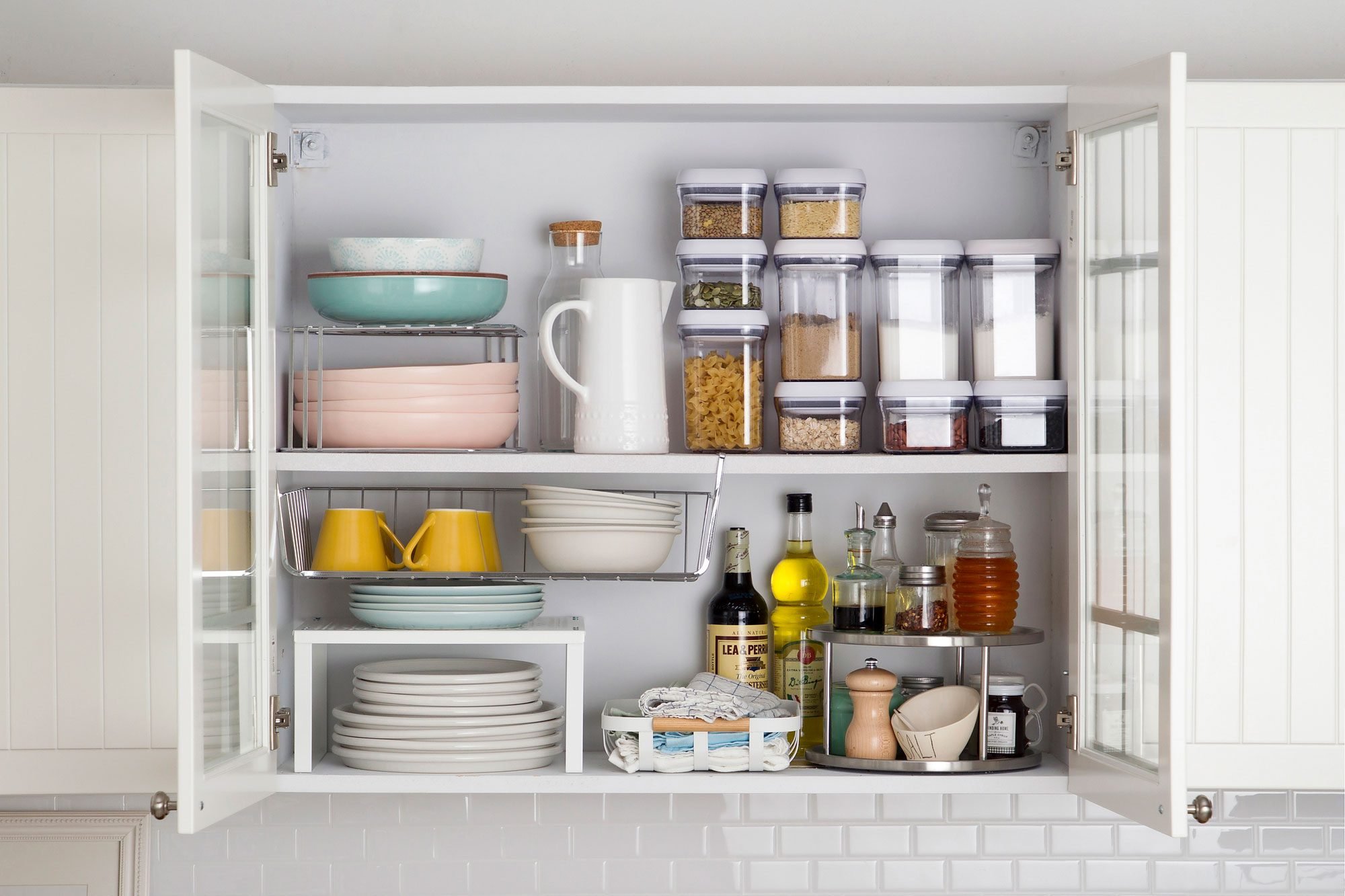
Sorting plastic containers by size and shape is a smart way to bring order to your kitchen storage. It helps you find the right container quickly and maximizes your cabinet or drawer space. When containers are grouped logically, you avoid the frustration of digging through a messy pile.
Group Containers With Matching Lids
Start by pairing each container with its lid. Keeping lids and containers together saves time and prevents lids from getting lost. You can use clear bins or small baskets to hold lids sorted by size, which makes it easier to locate the perfect match.
Stack Similar Sizes Together
Stack containers that nest inside each other to save space. Place the smallest ones inside medium-sized containers, and so on. This approach reduces clutter and makes your storage look neat and organized.
Separate Odd-shaped Containers
Odd-shaped or uniquely sized containers don’t stack well, so keep them in a separate spot. Designate a specific drawer or shelf for these items to keep them from disrupting your neat stacks. This way, you maintain order without sacrificing accessibility.
Use Vertical Dividers For Tall Containers
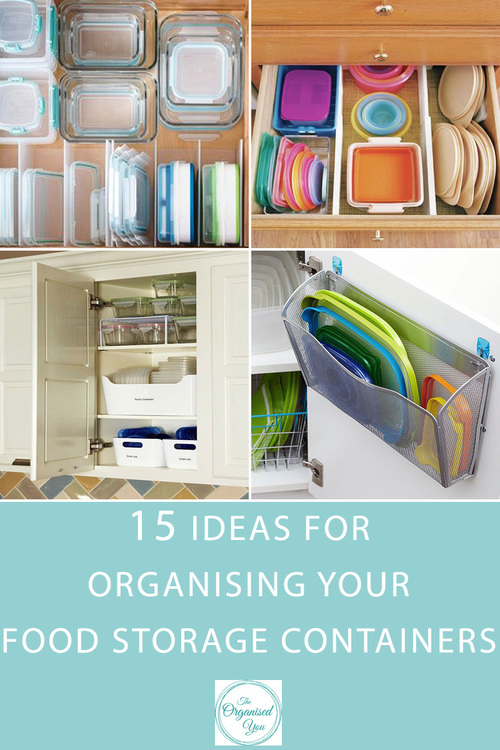
Tall containers can easily topple or get lost behind shorter ones. Use vertical dividers in your cabinet or drawer to keep them upright and visible. This method also makes it easy to grab the container you need without disturbing others.
Use Nesting Techniques
Using nesting techniques is one of the smartest ways to organize plastic containers in your kitchen. It saves space and keeps your cabinets neat by stacking containers inside each other. This method works especially well if you have many containers of varying sizes.
Choose Containers That Nest Well
Not all plastic containers are designed to nest easily. Look for sets that have tapered sides or are specifically made to stack inside one another. This simple choice can make a huge difference in how much space you save.
Separate Lids From Containers
Keeping lids attached while nesting containers can create clutter and take up extra space. Instead, stack all containers together and store lids separately in a basket or a drawer organizer. This approach keeps everything accessible and reduces cabinet chaos.
Organize By Size For Easy Access
Arrange your nested containers from largest to smallest. This way, you can quickly grab the size you need without disturbing the whole stack. Have you noticed how much easier it is to find the right container when sizes are in order?
Use Dividers Or Small Bins For Extra Stability
If your containers tend to shift or topple, adding dividers or placing nested stacks inside small bins can keep them secure. This trick prevents spills and keeps your shelves tidy.
Regularly Declutter And Reassess
Over time, some containers might crack or become unusable. Take a moment every few months to check your collection and toss any damaged pieces. Keeping only what you need ensures your nesting system stays efficient.
Utilize Drawer Dividers
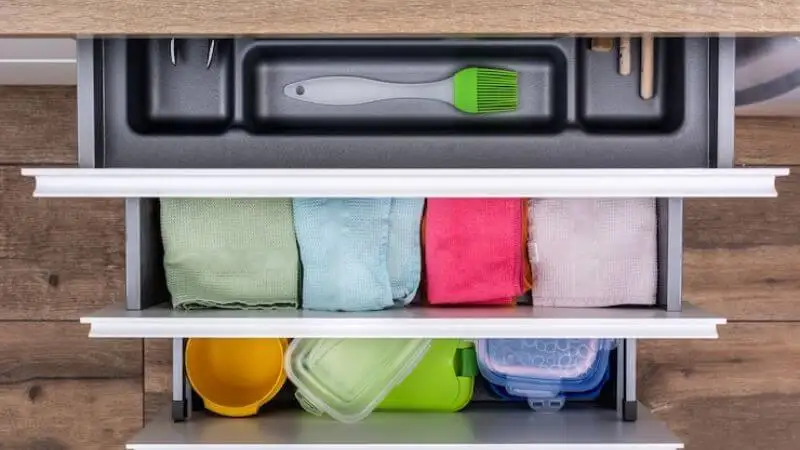
Utilize drawer dividers to keep plastic containers neatly organized. Separate lids and containers for easy access and efficient use of space.
Organizing plastic containers in the kitchen can be a challenge. Drawer dividers offer a simple solution. They help keep containers tidy and accessible. With dividers, you can create separate spaces for lids and bases. This reduces clutter and saves time during meal prep.
Benefits Of Using Drawer Dividers
Drawer dividers make it easy to find what you need. No more hunting for the right lid. Everything has a designated spot, reducing frustration. They also maximize the space in your drawers.
Types Of Drawer Dividers
There are various types of dividers. Adjustable dividers allow customization to fit your needs. Fixed dividers offer a sturdy and reliable solution. Choose the type that suits your kitchen best.
How To Install Drawer Dividers
Installation is straightforward. Measure your drawer first. Ensure the dividers fit snugly. Follow the manufacturer's instructions for best results.
Maintaining Organized Drawers
Regularly check and rearrange your containers. This ensures everything stays organized. Keep an eye out for broken pieces. Replace them promptly to maintain order.
Choosing The Right Material
Plastic, metal, and wood are common options. Plastic dividers are lightweight and easy to clean. Metal dividers are durable and offer a sleek look. Wood dividers add a touch of elegance. Select the material that matches your kitchen style.
Credit: www.vevor.com
Create Vertical Storage Solutions
Creating vertical storage solutions can dramatically free up space and make your plastic containers easier to access. Instead of stacking containers flat, think about using the height of your cabinets or pantry. This approach not only reduces clutter but also helps you spot the container you need quickly.
Use Tension Rods To Separate Containers
Tension rods work wonders inside cabinets. Place them vertically or horizontally to create dividers that keep lids and containers upright and organized. I've found that installing a couple of tension rods inside a deep cabinet turns chaos into order instantly.
Do you have a cabinet where containers always pile up in a messy heap? Try adding tension rods, and watch how your containers line up neatly.
Install Stackable Shelves Or Risers
Stackable shelves double or triple your storage space by letting you store containers on different levels. These shelves fit right inside your cabinets and are perfect for separating lids from containers. When I added stackable shelves, I stopped digging through piles and started grabbing exactly what I needed.
Think about the vertical space above your containers—could a riser help you use that space better?
Hang A Pegboard Inside Cabinet Doors
A pegboard mounted inside cabinet doors is a clever way to hang lids or smaller containers vertically. It keeps them visible and easy to grab without taking up shelf space. I used this trick in a kitchen with limited cabinet room, and it completely transformed my storage.
Could your cabinet doors handle a pegboard to hold lids or lightweight containers?
Use File Organizers For Container Lids
File organizers aren’t just for paperwork—they’re great for standing lids upright. Place them vertically on shelves to keep lids sorted and easy to find. This simple switch made finding lids so much faster in my kitchen, saving time during meal prep.
Why not repurpose a file organizer to keep those lids from disappearing into a drawer abyss?
Label Lids And Containers
Labeling lids and containers is a simple habit that transforms your kitchen organization. It saves you time and frustration by instantly showing what’s inside without opening each container. You’ll avoid mismatched lids and containers, which often clutter your space and slow you down.
Choose The Right Labeling Tools
Use waterproof labels or masking tape with a permanent marker to ensure the labels stay put and readable. Dry-erase labels work well if you reuse containers frequently and want to change the contents without peeling off stickers. Consider color-coding labels by food type—meats, leftovers, snacks—to speed up identification.
Label Both Lids And Containers
Label the lid and the container itself to prevent confusion when lids get separated. This is especially helpful if you store lids and containers in different drawers or shelves. You can place the label on the side of the container and on the top of the lid for easy visibility.
Include Date And Content Information
Adding the date alongside the content helps you keep track of freshness and avoid food waste. Write the date in a clear, simple format like MM/DD to quickly spot what needs to be used first. This small step can save you money and keep your fridge organized.
Keep Labels Clear And Consistent
Use neat handwriting or printed labels to keep things readable. Consistent label placement across all containers creates a streamlined look and makes scanning easier. If labels get dirty or peel off, replace them immediately to maintain order.
Repurpose Household Items
Repurposing household items to organize your plastic containers is a smart and budget-friendly way to keep your kitchen tidy. You probably have things around your home that can serve new purposes and save you from buying extra storage solutions.
It’s surprising how everyday objects can help you sort lids, stack containers, and create easy access spots. Have you ever looked at your kitchen drawers and thought, “There must be a better way”? Using what you already have might be the answer.
Use Magazine Holders For Container Lids
Magazine holders aren’t just for magazines. They make excellent holders for plastic container lids.
Stand the lids vertically inside a magazine holder to keep them visible and easy to grab. This prevents the frustrating hunt for the right lid and keeps your drawers clutter-free.
Turn Tension Rods Into Dividers
Tension rods can be placed inside cabinets or drawers to create adjustable dividers.
By positioning them horizontally or vertically, you can separate containers by size or type. This keeps them from nesting into each other and makes retrieval quicker.
Repurpose Shoe Organizers For Container Storage
Shoe organizers with clear pockets can hold small to medium-sized containers or lids.
Hang one on the inside of a pantry or cabinet door. This uses often-overlooked space and keeps containers visible and accessible without stacking.
Use Muffin Tins For Sorting Small Container Parts
Muffin tins are great for sorting small container parts like vented lids or silicone seals.
Place one in a drawer or on a shelf to keep these small pieces from getting lost. You’ll save time searching and avoid frustration when trying to find matching parts.
Stack Containers Using Drawer Organizers
Drawer organizers or utensil trays can separate containers by size or shape.
Use compartments to stack containers neatly without them toppling over. This method keeps your containers stable and easy to pull out one at a time.
Store Lids Separately
Storing plastic container lids separately from their containers can save you a lot of frustration and kitchen clutter. It’s common to find lids scattered in drawers or lost under piles of other items, making it hard to find a matching set when you need it. Separating lids from containers not only keeps your kitchen neat but also speeds up your meal prep and cleanup.
Use A Dedicated Lid Organizer
A lid organizer is a simple tool that keeps lids upright and easy to see. You can buy one or make your own using a magazine holder or a small rack. This lets you quickly scan for the right lid without digging through a stack.
Try sorting lids by size or shape in the organizer. This way, you won’t waste time matching a round lid with a square container. Does your kitchen have a drawer just for lids? If not, consider creating one with dividers or small bins.
Store Lids Vertically In A Drawer
Storing lids vertically saves space and makes each lid visible at a glance. Use adjustable dividers or even simple cardboard pieces to keep lids standing upright without falling over. This method keeps lids neat and easy to grab.
Think about how often you use lids of certain sizes. Place the most-used sizes in the front for quick access. Could this system help you avoid the common lid pile-up in your kitchen?
Label Lid Storage Containers
Labeling the storage spots for your lids can reduce the time spent searching. Use simple labels or color-coded stickers to mark where each size or shape belongs. This system works great if multiple people share kitchen duties.
Labels also make it easier to put lids back where they belong, helping maintain order over time. Have you noticed how small habits like labeling can keep your kitchen running smoother?
Maximize Cabinet Door Space
Maximizing the space on your cabinet doors can dramatically improve how you organize plastic containers in your kitchen. These often-overlooked spots provide extra storage without taking up shelf or counter space. With a few smart adjustments, you can turn cabinet doors into efficient storage zones that keep your containers and lids neatly accessible.
Install Slim Racks Or Bins On Cabinet Doors
Slim racks or bins attached to the inside of cabinet doors are perfect for holding lids or small containers. They keep items visible and easy to grab, reducing the frustration of digging through cluttered shelves.
Choose racks with adjustable widths to fit your door and items. Some racks even have a tilted design that holds lids upright, saving even more space.
Use Magnetic Strips To Secure Metal Lids
If your plastic containers have metal lids, magnetic strips on the cabinet door can be a game changer. Simply stick the strip inside the door and attach the lids directly to it.
This keeps lids organized and prevents them from sliding around or getting lost. Have you tried this? It’s a small change with a big impact on daily kitchen flow.
Hang Hooks For Container Handles Or Clips
Hooks are versatile and easy to install on cabinet doors. Use them to hang containers with handles or even clips that hold lids and containers together.
This approach makes your containers easy to grab and return, helping you maintain order. Plus, hooks are inexpensive and don’t require major installation skills.
Label Door Storage For Quick Identification
Adding labels to the storage racks or bins on your cabinet doors helps you find the right container in seconds. Clear labeling reduces the time you spend searching through similar-looking lids and containers.
Consider using waterproof labels or tags for durability. You’ll wonder why you didn’t label your storage sooner.
Regularly Declutter And Maintain
Keeping your plastic containers organized isn’t a one-time task. Regularly decluttering and maintaining your collection ensures your kitchen stays functional and clutter-free. Without this habit, containers can pile up, lids get lost, and storage spaces become chaotic.
Identify Containers You Don’t Use
Go through your containers and ask yourself: Have I used this in the last month? If the answer is no, it’s time to say goodbye. Holding onto mismatched or damaged containers only makes it harder to find what you need.
Try setting aside a box for containers to donate or recycle. You’ll be surprised how much space you free up by letting go of unused items.
Match Containers With Lids Immediately
One common frustration is hunting for lids after cooking or storing food. Make it a habit to pair containers and lids right after washing. This small step prevents mismatches and keeps your storage area neat.
Consider using a labeled bin or basket just for lids. This way, you avoid losing them and save time when you need to pack leftovers.
Schedule A Monthly Check-in
Set a reminder on your phone to review your plastic containers every month. During this quick check, remove any cracked or stained containers and reorganize the ones you keep.
This simple routine prevents clutter buildup. You’ll also notice which containers you use most often, helping you prioritize storage space accordingly.
Keep Cleaning Supplies Handy
Dirty containers can lead to unpleasant odors and stains. Keep your kitchen stocked with gentle scrubbing sponges and dishwasher detergent to clean containers immediately after use.
Clean containers are easier to stack and store, making your organization efforts more effective. Plus, you’ll avoid the hassle of scrubbing old food residue later.
Credit: www.theorganisedyou.com
Frequently Asked Questions
How To Sort Plastic Containers Before Organizing?
Sort containers by size, shape, and lid type first. Group similar items together to save space and ease access. Discard damaged or unused containers to reduce clutter and improve organization.
What Is The Best Way To Store Plastic Container Lids?
Store lids separately in a clear, labeled bin or basket. Arrange them by size for quick matching. Using a dedicated drawer or vertical organizer helps keep lids tidy and easy to find.
How Can I Maximize Kitchen Space For Plastic Containers?
Nest containers inside each other to save space. Use adjustable shelves or cabinet organizers to create more storage areas. Vertical stacking and door-mounted racks also help maximize available kitchen space.
Are There Tips To Keep Plastic Containers Odor-free?
Wash containers immediately after use to prevent odors. Use baking soda or vinegar rinses to remove lingering smells. Store containers with lids off to allow air circulation and reduce odor buildup.
Conclusion
Organizing plastic containers keeps your kitchen neat and easy to use. Stack containers by size to save space. Use clear labels to find lids quickly. Group similar shapes together for faster access. Regularly check for damaged or missing lids. A tidy kitchen helps you cook and clean faster.
Small changes make a big difference over time. Keep your containers organized and enjoy a clutter-free kitchen every day. Simple habits create lasting order and calm in your cooking space.