
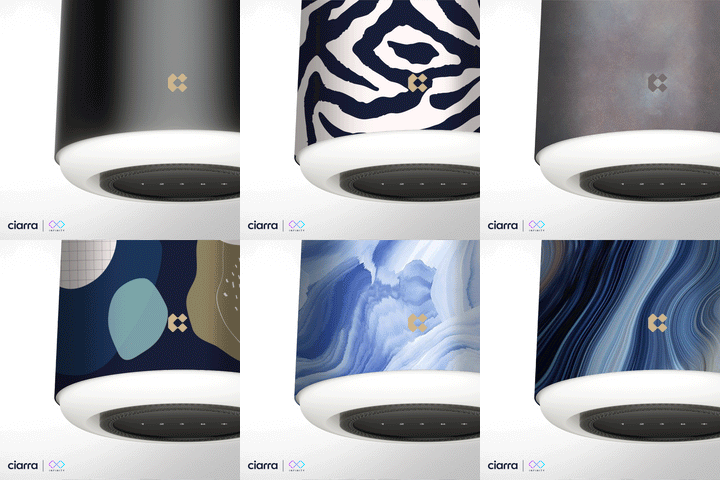
Have you ever wondered how a kitchen countertop plasma air purifier can make your cooking space fresher and healthier? You spend a lot of time in your kitchen, so the air you breathe there matters.
This device might seem small, but it works in a powerful way to clean the air around you. Understanding how it works can help you decide if it’s the right choice for your home. Keep reading to discover the simple science behind plasma air purifiers and how they can improve your kitchen environment.
Plasma Air Purifier Basics
Understanding how a kitchen countertop plasma air purifier works starts with knowing the basics of plasma technology. These devices clean the air by using a unique process that targets harmful particles and odors. They are designed to be compact and efficient, perfect for kitchen spaces where cooking odors and smoke are common.
Plasma air purifiers create a cleaner and fresher kitchen environment without using filters that need frequent replacement. Their operation relies on advanced technology that removes contaminants at a microscopic level. This makes them ideal for maintaining good indoor air quality in busy kitchens.
What Is Plasma Technology?
Plasma technology uses charged particles called ions to clean the air. These ions attach to dust, smoke, and bacteria, breaking them down. The process is safe and does not produce harmful chemicals.
Plasma creates positive and negative ions that react with airborne pollutants. This reaction neutralizes odors and kills germs. It works continuously, keeping air fresh without noise or strong smells.
Key Components In Kitchen Purifiers
- Ionizer:Generates ions that target airborne particles.
- Electrodes:Help create plasma by producing an electric charge.
- Fan:Circulates air through the purifier for better cleaning.
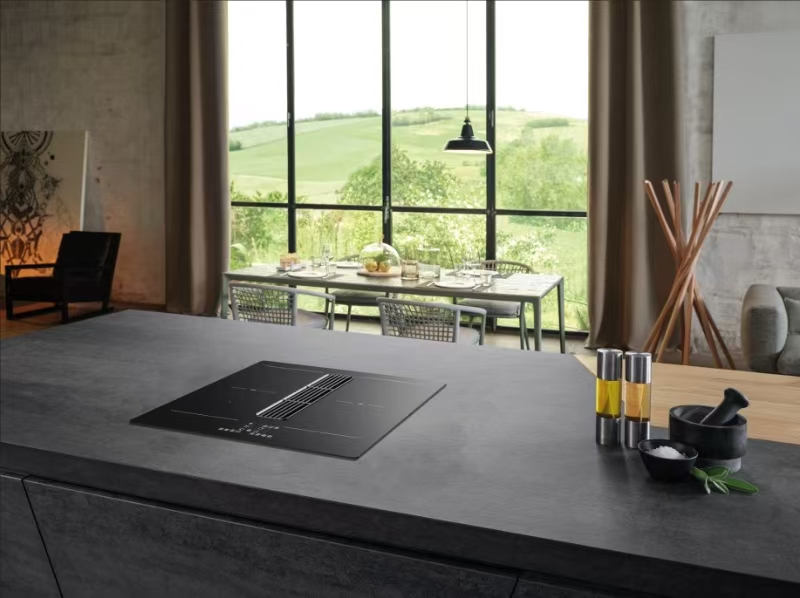
- Housing:Compact design fits easily on kitchen counters.
These parts work together to capture and neutralize kitchen odors and pollutants. The purifier runs quietly and uses little power. It is easy to maintain and keeps kitchen air healthy.
Credit: blog.gionien.net
Air Purification Process
The air purification process in a kitchen countertop plasma air purifier is simple yet effective. It cleans the air by creating ions that target harmful particles. These ions work quickly to improve air quality. The purifier removes dust, bacteria, and other pollutants from your kitchen environment.
Ion Generation And Release
The device generates positive and negative ions using plasma technology. These ions are released into the air around the countertop. The ions attach to airborne particles, making them heavier. This process helps the particles fall out of the air or become easier to trap.
Neutralizing Airborne Contaminants
The ions react with contaminants like bacteria, viruses, and mold spores. This reaction breaks down the harmful particles at a molecular level. The process reduces the number of germs and allergens in the air. It creates a safer and cleaner kitchen space.
Eliminating Odors And Smoke
The plasma ions also target odor molecules and smoke particles. They change these molecules into harmless substances like water vapor and carbon dioxide. This action removes bad smells quickly. The air purifier keeps your kitchen smelling fresh and clean.
Benefits In Kitchen Environment
The kitchen is more than just a place to cook; it's where your family gathers and where air quality can directly affect health and comfort. Using a countertop plasma air purifier offers several benefits that enhance your kitchen environment. These devices actively clean the air, making your space safer and more pleasant to be in every day.
Improved Air Quality
Kitchen air often carries odors from cooking, smoke, and even chemical residues. A plasma air purifier breaks down pollutants at a molecular level, removing these unpleasant smells and harmful particles efficiently.
You’ll notice fresher air that feels lighter and cleaner. This can make a big difference during long cooking sessions or when you’re entertaining guests in your kitchen.
Reduction Of Allergens
Allergens like dust, pet dander, and mold spores tend to accumulate in kitchens, especially in humid areas. Plasma purifiers help reduce these allergens by neutralizing airborne particles before they settle on surfaces.
Think about the last time you had sneezing fits or itchy eyes after spending time in your kitchen. Using this technology can minimize those reactions and improve your family's overall well-being.
Maintenance And Noise Levels
One of the best parts about countertop plasma air purifiers is their low maintenance. Most models only require occasional filter changes or simple cleaning, saving you time and effort.
Plus, they operate quietly, so you won’t be distracted while cooking or chatting. Have you ever noticed how loud some appliances can disrupt your kitchen flow? This purifier stays in the background, quietly improving your air quality without adding noise.
Installation And Placement Tips
Installing a kitchen countertop plasma air purifier can significantly improve the air quality in your home. To ensure optimal performance, the placement of the purifier is crucial. These tips will guide you on where and how to place your purifier for the best results.
Optimal Locations On Countertop
Position your air purifier where it can efficiently circulate air. A central location on your countertop, away from walls, allows for 360-degree air intake and output. Avoid placing it near cooking appliances to prevent interference from heat and moisture.
Consider the height of your countertop. The purifier should be at a level where air can freely flow both in and out without obstructions. This ensures maximum coverage of your kitchen space.
Power And Safety Considerations
Ensure the purifier is near a power outlet to avoid using long extension cords, which can be a tripping hazard. Check that the power cord is not hanging off the counter, reducing the risk of accidental pulls.
Safety should be a priority. Keep the purifier away from water sources to prevent electric shocks. Regularly check the unit for any signs of wear or damage to maintain a safe environment.
By carefully considering these installation and placement tips, you can maximize the effectiveness of your kitchen countertop plasma air purifier. Have you considered how these small adjustments can lead to cleaner air and a healthier kitchen? Start placing your purifier strategically today!
Comparing To Other Purification Methods
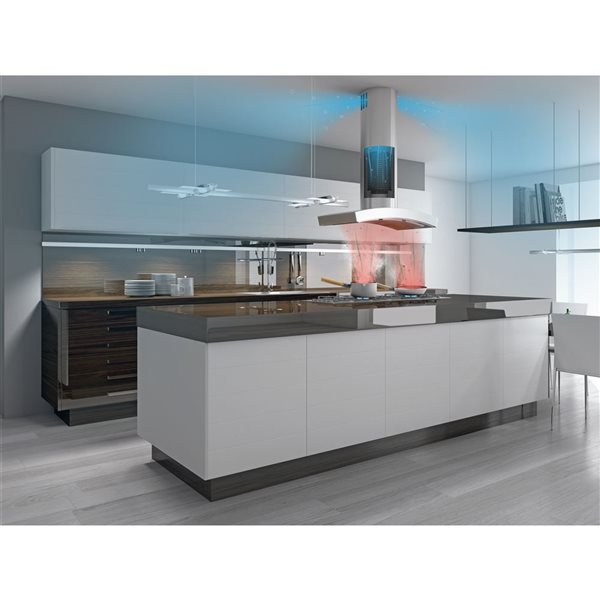
Kitchen countertop plasma air purifiers offer a unique way to clean the air. Comparing them to other air purification methods helps to understand their strengths. Each technology works differently to remove pollutants and improve air quality.
Hepa Filters Vs Plasma
HEPA filters trap particles like dust, pollen, and pet dander. They use a dense mesh to capture contaminants physically. Plasma air purifiers, on the other hand, use charged ions to break down pollutants. They can target smaller particles and gases that HEPA filters might miss.
HEPA filters need regular replacement to stay effective. Plasma purifiers usually require less maintenance. HEPA filters do not remove odors well. Plasma technology helps reduce odors and harmful gases.
Uv Purifiers And Plasma Technology
UV purifiers use ultraviolet light to kill bacteria and viruses. They focus on sterilizing the air rather than removing particles. Plasma technology produces ions that attach to pollutants and neutralize them. This means plasma purifiers can handle a wider range of air problems.
UV purifiers need time to disinfect air and may not affect odors. Plasma purifiers work quickly and reduce smells effectively. Both technologies can complement each other but serve different roles in air cleaning.
Credit: www.rona.ca
Common Myths And Misconceptions
Many people hesitate to use kitchen countertop plasma air purifiers because of misunderstandings. These myths create doubts about safety and efficiency. Clearing up these misconceptions helps you make informed choices for your kitchen’s air quality.
Ozone Production Concerns
One common worry is that plasma air purifiers release harmful ozone. While some older models did produce noticeable ozone, modern kitchen countertop versions are designed to keep ozone levels well below safety limits.
Ozone can be dangerous in high amounts, but the trace levels from these purifiers are typically safe and even help break down odors and pollutants. If you ever smell a strong chemical scent, it’s a sign to check your device immediately.
Have you noticed any unusual smells or irritation near your purifier? That’s a good prompt to review the product’s ozone emissions or consider a different model.
Effectiveness Against Viruses
Many assume plasma air purifiers instantly kill all viruses in the air. While these devices do reduce airborne viruses, they don’t eliminate every single one. Think of it as lowering risk rather than creating a virus-free zone.
Studies show plasma air purifiers can break down virus particles by disrupting their surface proteins. This process helps reduce the chance of infection but doesn’t guarantee 100% protection.
What other steps do you take to keep your kitchen safe? Combining air purification with good hygiene practices gives you stronger defense against viruses.
Choosing The Right Model
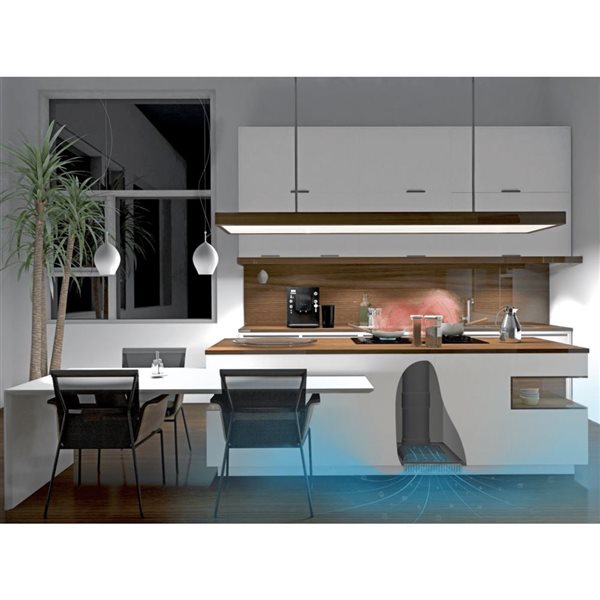
Choosing the right kitchen countertop plasma air purifier matters for clean air and comfort. Different models offer various features and strengths. Picking one that fits your kitchen size and needs ensures better air quality and energy use.
Capacity And Coverage Area
Check the purifier’s capacity before buying. It shows how much air the device cleans in a certain time. Match it with your kitchen size for effective purification. A small unit won’t clean a large kitchen well. A large unit may waste energy in a small space.
Energy Consumption
Energy use affects your electricity bill and the environment. Choose a model that uses less power but cleans air efficiently. Look for energy-saving features or certifications. Low energy consumption keeps running costs down without losing performance.
Additional Features
Extra features can improve your experience and safety. Some models have air quality sensors that adjust cleaning automatically. Others include timers, filter change alerts, or quiet modes. Consider which features suit your daily routine and kitchen setup.
Credit: www.rona.ca
Frequently Asked Questions
How Does A Kitchen Countertop Plasma Air Purifier Work?
A kitchen countertop plasma air purifier releases charged ions to remove airborne pollutants. These ions attach to particles, neutralizing bacteria, viruses, and odors. The device continuously cleans the air, improving kitchen air quality and reducing allergens efficiently.
What Pollutants Can Plasma Air Purifiers Remove?
Plasma air purifiers effectively remove bacteria, viruses, smoke, odors, and dust particles. They also reduce volatile organic compounds (VOCs) that cause unpleasant smells. This makes the air cleaner and safer, especially in cooking environments.
Are Plasma Air Purifiers Safe For Kitchen Use?
Yes, plasma air purifiers are safe when used as instructed. They produce minimal ozone within acceptable limits and do not emit harmful chemicals. Proper placement and regular maintenance ensure safe operation in kitchens.
How Often Should Plasma Air Purifiers Be Cleaned?
To maintain efficiency, clean the plasma air purifier every 2 to 4 weeks. Regular cleaning removes dust buildup on ionizing components. This ensures optimal performance and prolongs the device’s lifespan.
Conclusion
Kitchen countertop plasma air purifiers clean air by using plasma technology. They remove dust, smoke, and odors quickly. This helps keep your kitchen fresh and safe. The device works silently and uses little energy. It fits easily on your countertop.
You breathe cleaner air while cooking or eating. These purifiers need simple maintenance to keep working well. Choosing one improves indoor air quality in small spaces. A healthy kitchen starts with clean air every day.