
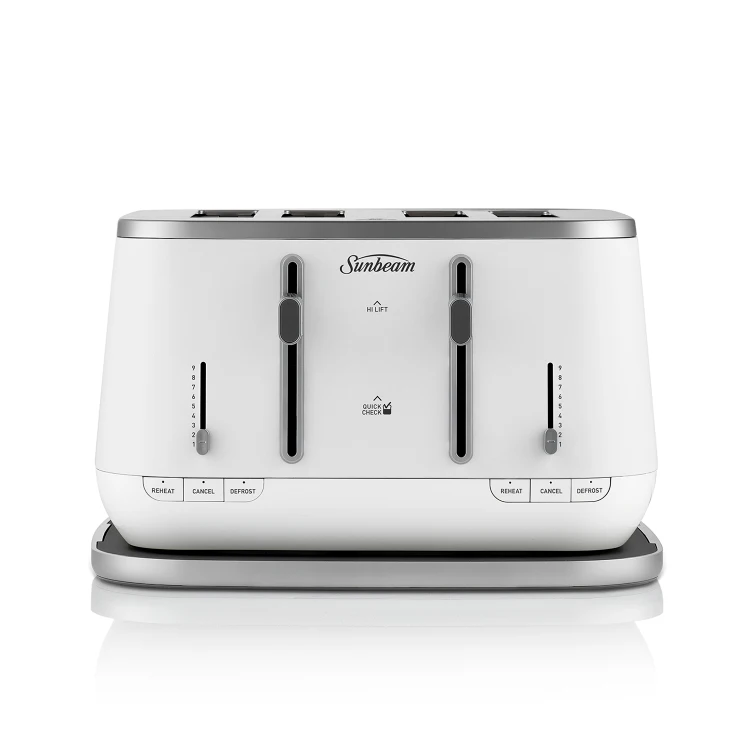
Have you ever stopped to think about how your kitchen toaster works? It might seem like a simple appliance, but there’s more happening inside than you realize.
Your toaster is actually a closed loop system—a clever design that controls heat and timing to give you perfectly toasted bread every time. Understanding this can change how you use your toaster and even help you choose the right one for your kitchen.
Keep reading to discover the hidden science behind your toaster and why this matters for your daily breakfast routine.
Closed Loop Concept In Toasters
The closed loop concept in toasters is a key reason they toast bread evenly. This system uses feedback to control the toasting process. It ensures the bread reaches the right color and texture without burning. The toaster senses heat and adjusts the power automatically. This makes toasting simple and consistent every time.
Basic Principles Of Closed Loop Systems
Closed loop systems rely on feedback to maintain control. They constantly check if the output matches the desired result. If not, they make corrections to fix the difference. This process repeats in a cycle to keep the system stable. Sensors play a big role by measuring real-time conditions. The system then uses this data to adjust its actions.
How Toasters Use Feedback Control
Toasters use sensors to measure the heat inside. These sensors send information to the control circuit. The circuit compares this data to the set toasting level. If the bread is not toasted enough, the toaster stays on. If it gets too hot, the toaster switches off. This feedback loop prevents burning and undercooking. It keeps the toasting process balanced and precise.

Credit: www.kitchenaid.com
Key Components Of A Toaster's Design
The key components of a toaster's design work together to create a simple yet effective kitchen appliance. Each part plays a vital role in toasting bread evenly and safely. Understanding these parts helps appreciate how a toaster functions as a closed loop system. The main elements include heating parts, sensors, timers, and control circuits.
Heating Elements And Temperature Sensors
Heating elements generate the heat needed to toast bread. They usually consist of metal wires that glow when electricity passes through them. These elements reach high temperatures quickly.
Temperature sensors monitor the heat inside the toaster. They ensure the bread does not burn or remain undercooked. The sensors send feedback to the control system to adjust the heating elements.
Timer And Control Circuitry
The timer controls how long the heating elements stay on. It sets the toasting duration based on user settings or sensor input. Once the time ends, the toaster switches off automatically.
Control circuitry manages the toaster’s functions. It receives signals from sensors and timers. Then, it adjusts power to the heating elements. This system maintains consistent toasting and prevents overheating.
Mechanics Behind Toasting Perfection
Understanding the mechanics behind toasting perfection reveals how a simple kitchen toaster operates as a closed loop system. This system controls heat and timing precisely to give you that perfect golden-brown toast every time. The magic happens through a delicate balance of heat regulation and an automatic pop-up mechanism that work together seamlessly.
Heat Regulation For Even Browning
The toaster uses carefully designed heating elements that generate consistent heat across the bread’s surface. These elements adjust the temperature based on the toaster’s settings, ensuring the toast doesn’t burn or stay undercooked.
Inside, sensors detect how much heat the bread absorbs and signal the system to maintain or reduce temperature. This avoids uneven browning, so every bite tastes as good as the first.
- Heating coils heat up quickly and cool down just as fast.
- Temperature sensors monitor the bread’s color and texture.
- Adjustments happen in real-time to prevent hotspots.
Have you ever noticed how some toasters leave one side darker? That’s often a sign of poor heat regulation. Your toaster’s closed loop system helps prevent that by constantly monitoring and adjusting heat.
Automatic Pop-up Mechanism
Timing is everything in toasting. The automatic pop-up mechanism is triggered once the toast reaches the desired level of browning. This mechanism is linked to the heat regulation system, creating a closed loop that stops heating at just the right moment.
Inside the toaster, a bimetallic strip or electronic sensor detects when the toast is ready. This triggers a spring-loaded lever to pop the bread up instantly, preventing over-toasting.
- The pop-up lever resets once the toast is removed.
- Some toasters offer adjustable browning levels tied to the timing.
- Automatic shut-off feature adds an extra layer of safety.
Think about how often you’ve had to pull your toast out manually to avoid burning. The automatic pop-up takes that guesswork away, making your mornings smoother and your toast perfect every time.
Energy Efficiency In Toaster Systems
Energy efficiency in toaster systems plays a vital role in reducing electricity use. These devices turn electrical energy into heat to toast bread quickly. Designing a toaster to use less power while heating effectively helps save energy and cuts costs.
Energy-efficient toasters use smart designs and materials. They control how much power they consume and where heat goes. This ensures the toaster works well without wasting energy.
Minimizing Power Consumption
Toasters reduce power use by limiting electricity flow to heating elements. They turn off the heating element once the bread reaches the desired toast level. This avoids overheating and energy waste.
Some models use automatic shut-off features and timers. These tools stop power supply immediately after toasting. This saves electricity and prevents burnt toast.
Optimizing Heat Distribution
Even heat spread helps toast bread faster and more evenly. Toasters use metal coils or plates that heat up quickly and spread warmth across the surface.
Good heat distribution means the toaster uses less time and energy. It avoids cold spots that cause uneven toasting. Efficient heat transfer reduces overall power needed.
Safety Features In Toaster Design
Toasters work as closed loop systems, controlling heat to prevent overheating. Safety features like automatic shutoff stop burning. This design keeps kitchens safe and toasters reliable.
Safety features in toaster design ensure user protection during everyday use. Modern toasters incorporate various elements to prevent accidents. These advancements make kitchen appliances safer and more reliable.
Overheat Protection
Toasters include overheat protection to prevent excessive heat. This feature detects rising temperatures within the toaster. If temperatures become too high, the system stops the heating process. This prevents fires and damage. Users can trust their toaster to stay safe during use.
Automatic Shutoff Functions
Automatic shutoff functions prevent toasters from staying on too long. This feature turns off the toaster once the cycle ends. It helps avoid burning and reduces fire risks. This function provides peace of mind for users. Forgetful moments are less likely to lead to accidents.

Credit: www.amazon.com
Innovations Enhancing Toaster Performance
Innovations in toaster design have transformed a simple kitchen appliance into a highly efficient closed loop system. These advancements focus on precision, user convenience, and energy efficiency, making your breakfast routine smoother and more predictable. Let’s look at how these innovations improve toaster performance and what they mean for your daily toast.
Smart Toaster Technologies
Smart toasters connect to your home network, allowing you to control settings via smartphone apps. This technology lets you customize toasting levels, save preferences, and even schedule toasting times. Imagine waking up to perfectly toasted bread without leaving your bed—these toasters make it possible.
Some models include sensors that detect bread type and thickness, adjusting heat accordingly. This reduces guesswork and prevents burnt or uneven toast. If you’ve ever wasted bread due to inconsistent toasting, smart technology offers a practical solution.
Adaptive Toasting Algorithms
Adaptive toasting algorithms learn from each use to improve results over time. They monitor variables like bread moisture and ambient temperature to fine-tune heating cycles. This means your toaster gets better at making your favorite toast the more you use it.
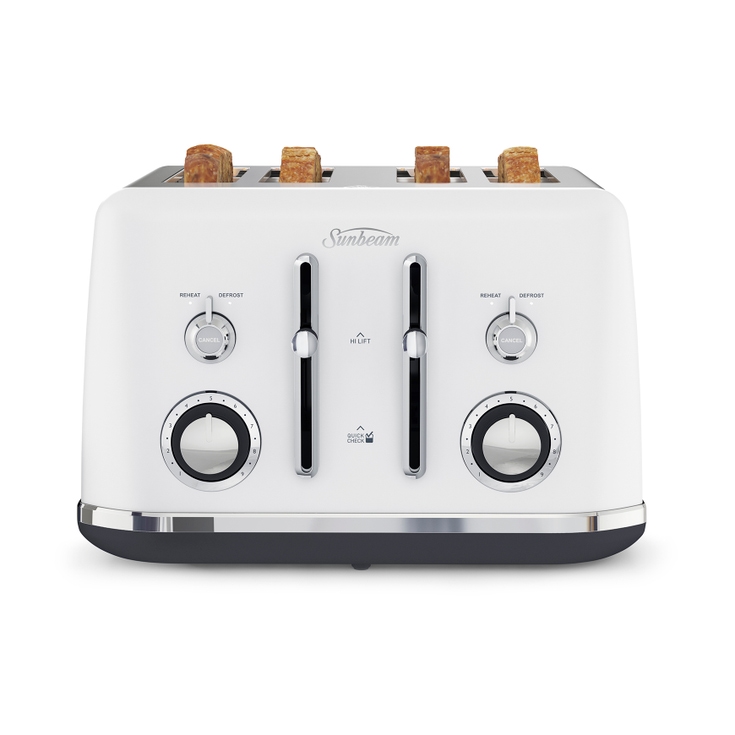
These algorithms adjust in real-time, responding to changes in bread size or type without manual input. You might wonder how much difference this makes—try one and notice how it handles everything from bagels to thin sandwich bread flawlessly. This personalized approach ensures consistent quality with every slice.
Credit: www.sunbeam.com.au
Frequently Asked Questions
What Makes A Kitchen Toaster A Closed Loop System?
A kitchen toaster recycles heat within its insulated chamber. It uses the same energy to toast bread evenly. This closed loop minimizes heat loss, improving efficiency and performance.
How Does Heat Circulate In A Toaster’s Closed Loop?
Heat circulates through convection and radiation inside the toaster. The insulated walls reflect heat back to the bread. This circulation ensures consistent toasting without wasting energy.
Why Is A Toaster’s Closed Loop System Energy Efficient?
The closed loop system retains heat within the toaster. It reduces energy loss by recycling warmth. This efficiency lowers electricity use and speeds up toasting time.
Can A Toaster’s Closed Loop System Affect Toast Quality?
Yes, the closed loop maintains steady heat around bread. This consistent temperature produces evenly browned toast. It prevents burning or uneven cooking.
Conclusion
A kitchen toaster works as a closed loop system by recycling heat inside. This design saves energy and toasts bread evenly. The toaster’s parts work together in a cycle. Heat moves, bread toasts, then the process repeats. Understanding this helps us see how simple machines use energy smartly.
Next time you toast bread, remember the clever system inside. Small devices can teach us big lessons about efficiency and design.