
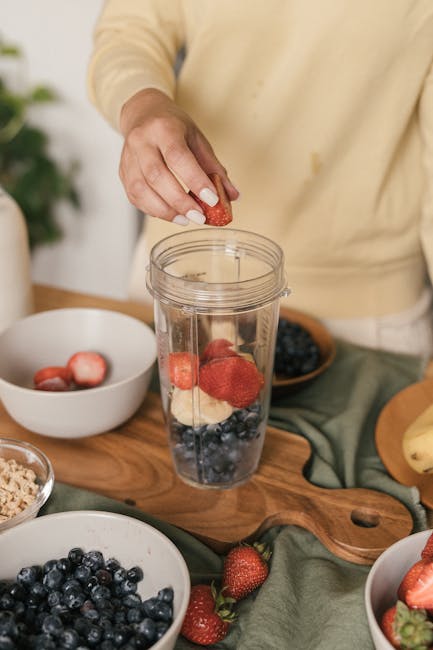
Have you ever wondered what makes your morning smoothie so smooth or how you quickly whip up a creamy soup? The answer lies in a kitchen blender.
But what exactly is a kitchen blender, and why should it be a must-have in your cooking space? If you want to save time, enjoy healthier meals, and unlock endless recipe possibilities, understanding this handy device is the first step.
Keep reading, and you'll discover how a kitchen blender can transform your cooking experience in ways you never imagined.

Credit: www.amazon.ca
Types Of Kitchen Blenders
Kitchen blenders come in various types, each made for specific tasks. Choosing the right blender depends on your cooking needs and kitchen space. Understanding the main types helps pick the best fit for your home.
Countertop Blenders
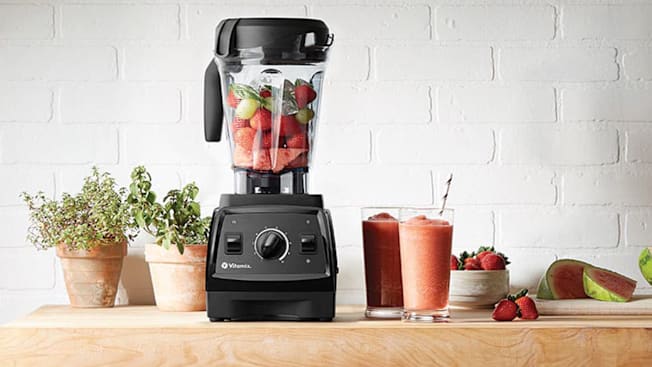
Countertop blenders are the most common in kitchens. They sit on the counter and have a large jar for blending. These blenders handle smoothies, soups, and sauces easily. They offer multiple speed settings for different textures.
Immersion Blenders
Immersion blenders are handheld and easy to use directly in pots. They are perfect for pureeing soups or making small batches of sauces. These blenders are compact and simple to clean. Their slim design helps blend in tight spaces.
Personal Blenders
Personal blenders are small and made for single servings. They often come with travel cups for on-the-go use. These blenders are great for quick smoothies or shakes. Their compact size saves kitchen space.
High-performance Blenders
High-performance blenders are powerful and durable. They can crush ice, nuts, and tough ingredients. These blenders work well for thick smoothies, nut butters, and hot soups. They usually cost more but offer professional results.
Credit: www.consumerreports.org
Key Features To Consider
Choosing the right kitchen blender means paying attention to a few important features. These features affect how well the blender works and how long it lasts. Let’s look at what really matters so you can pick one that fits your needs perfectly.
Motor Power And Speed
Motor power determines how strong your blender is. A higher wattage motor means the blender can crush ice, nuts, and tough vegetables with ease. If you mostly make smoothies or soups, aim for at least 500 watts.
Speed settings let you control how fast the blades spin. Multiple speeds give you more control over texture—whether you want chunky salsa or smooth puree. Some blenders even have pulse options for short bursts of power.
Blade Design And Material
Blades do the heavy lifting, so their design is crucial. Look for sharp, angled blades that create a vortex to pull ingredients down. Stainless steel blades are common because they resist rust and stay sharp longer.
Think about what you’ll blend most. For example, flatter blades work well for chopping, while curved blades excel at blending liquids smoothly. Have you noticed some blenders struggle with frozen fruits? Blade shape plays a big role in that.
Capacity And Jar Material
Jar size affects how much you can blend at once. If you often make family-sized batches, a larger jar (around 64 ounces) is better. Smaller jars, around 32 ounces, work well for single servings or small tasks.
Material matters too. Glass jars are sturdy and don’t hold odors but can be heavy. Plastic jars are lighter and less likely to break but might absorb smells over time. Consider your kitchen habits before deciding.
Control Options And Settings
Controls range from simple dials to digital touchpads. Dials offer quick, tactile feedback, making it easy to adjust speed on the fly. Touch controls often come with preset programs for smoothies, ice crushing, or soup.
Think about your comfort with technology. Would you prefer a blender that lets you experiment manually or one that guides you with presets? The right controls can make your blending experience smoother and more enjoyable.
Benefits Of Using A Blender
A kitchen blender helps mix and blend ingredients quickly and easily. It makes smoothies, soups, and sauces smooth and creamy. Using a blender saves time and effort in food preparation.
The kitchen blender stands as a versatile tool in modern cooking. It offers numerous benefits that make meal preparation easier and more efficient. From smoothies to soups, a blender can transform your cooking experience.
Speed And Convenience
Blenders save time in the kitchen. They quickly blend ingredients to desired textures. You can prepare meals faster, reducing kitchen stress. Enjoy more free time with family and friends.
Versatility In Recipes
A blender can handle a variety of recipes. From smoothies to sauces, its range is vast. Experiment with different ingredients and discover new flavors. Creativity in cooking becomes limitless.
Nutrient Retention
Blenders help preserve nutrients in your food. Unlike some cooking methods, they keep vitamins intact. You enjoy healthier meals with every use. Boost your daily nutrient intake easily.
Easy Cleaning
Cleaning a blender is simple and quick. Most parts are dishwasher safe, saving effort. A quick rinse is often all it takes. Spend less time cleaning and more time enjoying meals.

Credit: www.amazon.ca
Common Blender Uses
Blenders are incredibly versatile kitchen tools that go far beyond just mixing ingredients. They help you save time and effort while enhancing the texture and flavor of your dishes. Knowing the common uses of a blender can inspire you to try new recipes and make the most of this handy appliance.
Smoothies And Shakes
Blenders are perfect for creating smooth, creamy drinks in seconds. Whether you want a fruit-packed smoothie for breakfast or a protein shake after a workout, a blender quickly blends your ingredients to the right consistency.
Try mixing frozen berries, spinach, and almond milk for a nutrient-rich smoothie. Have you ever noticed how a blender can turn even tough kale leaves into a silky drink? That’s the power of its sharp blades and strong motor.
Soups And Sauces
Using a blender to puree soups and sauces saves you from the hassle of manual stirring and mashing. You can get a velvety smooth texture that’s hard to achieve with a regular spoon or whisk.
Hot soups can be blended directly if your blender is heat-safe, or you can cool them slightly before blending. Imagine how quickly you can whip up a creamy tomato soup or a rich pesto sauce without any lumps.
Nut Butters And Dips
Making nut butters and dips at home is easier than you think with a blender. You can create peanut, almond, or cashew butter by blending nuts until they release their natural oils and turn creamy.
Blending also helps you prepare smooth hummus or guacamole, customizing flavors to your taste. Have you tried adding roasted garlic or fresh herbs directly into your dip for an extra punch?
Crushing Ice And Frozen Fruits
Blenders can crush ice and frozen fruits, making them ideal for frozen drinks and desserts. This function is especially useful if you want to make slushies, frozen margaritas, or sorbets at home.
Not all blenders handle ice equally, so check your model’s power and blade design. Have you ever been surprised by how quickly your blender turns hard ice cubes into fine, fluffy ice?
Tips For Powerful Blending
Powerful blending depends on a few key practices. Following these tips helps achieve smooth, even textures. Using your kitchen blender efficiently saves time and effort. Focus on the right technique for best results.
Layering Ingredients Correctly
Place liquids at the bottom of the blender jar. This helps the blades move easily and blend well. Next, add soft ingredients like yogurt or cooked vegetables. Harder items, such as nuts or ice, go on top. Layering this way prevents jams and uneven blending.
Using The Right Speed Settings
Start blending at a low speed to mix ingredients gently. Gradually increase the speed to break down tougher pieces. High speeds work well for crushing ice and making smoothies. Use pulse mode for better control and to avoid over-blending.
Maintaining And Cleaning Blades
Keep blades sharp by cleaning them after each use. Rinse the blender jar and blades immediately to stop food buildup. Use warm, soapy water and a soft brush for thorough cleaning. Regular maintenance extends blade life and keeps blending strong.
Avoiding Overheating
Do not run the blender for too long at once. Allow it to rest after every 30 seconds of blending. Overheating can damage the motor and reduce performance. Use short bursts and give the machine time to cool down.
Popular Brands And Models
Choosing the right kitchen blender depends on your needs and budget. Many brands offer models with different features, sizes, and prices. Knowing popular brands helps find a blender that fits your lifestyle.
Top High-end Blenders
High-end blenders provide powerful motors and durable blades. They handle tough ingredients and offer multiple speed settings.
- Vitamix: Known for strong motors and long-lasting performance.
- Blendtec: Offers advanced controls and pre-programmed cycles.
- Breville: Combines style with powerful blending functions.
Budget-friendly Options
Affordable blenders offer good performance for basic tasks. They are ideal for those on a tight budget.
- Ninja: Delivers good power at a lower price.
- Hamilton Beach: Simple design, easy to use.
- Oster: Reliable with essential features for everyday blending.
Blenders For Small Kitchens
Compact blenders save space without sacrificing function. Perfect for apartments or limited counter space.
- NutriBullet: Small size, great for smoothies and shakes.
- Magic Bullet: Easy to store, quick to clean.
- KitchenAid Mini: Stylish and fits small kitchens well.
Specialty Blenders
Specialty blenders focus on specific tasks or unique functions. They serve niche needs in the kitchen.
- Personal blenders: Designed for single servings and portability.
- Immersion blenders: Handheld, perfect for soups and sauces.
- Commercial blenders: Built for heavy-duty use in professional kitchens.
Frequently Asked Questions
What Is The Primary Function Of A Kitchen Blender?
A kitchen blender blends, mixes, and purees ingredients efficiently. It helps create smoothies, sauces, soups, and more. It saves time and effort in food preparation.
How Does A Kitchen Blender Work?
A kitchen blender uses rotating blades powered by a motor. The blades chop and mix ingredients quickly. This creates smooth and consistent textures for various recipes.
What Types Of Foods Can A Kitchen Blender Process?
A kitchen blender can handle fruits, vegetables, nuts, and ice. It is ideal for smoothies, soups, sauces, and baby food. It also crushes ice for drinks.
Are Kitchen Blenders Easy To Clean?
Yes, most kitchen blenders have detachable parts for easy cleaning. Many parts are dishwasher safe. Regular cleaning prevents residue buildup and ensures optimal performance.
Conclusion
A kitchen blender is a useful tool for many cooking tasks. It helps blend, chop, and mix ingredients quickly. You can make smoothies, soups, sauces, and more with ease. Blenders save time and effort in the kitchen. Choosing the right blender depends on your needs and budget.
With simple use and care, a blender lasts long. It makes cooking simpler and more fun every day. A kitchen blender is a smart addition to any home.