
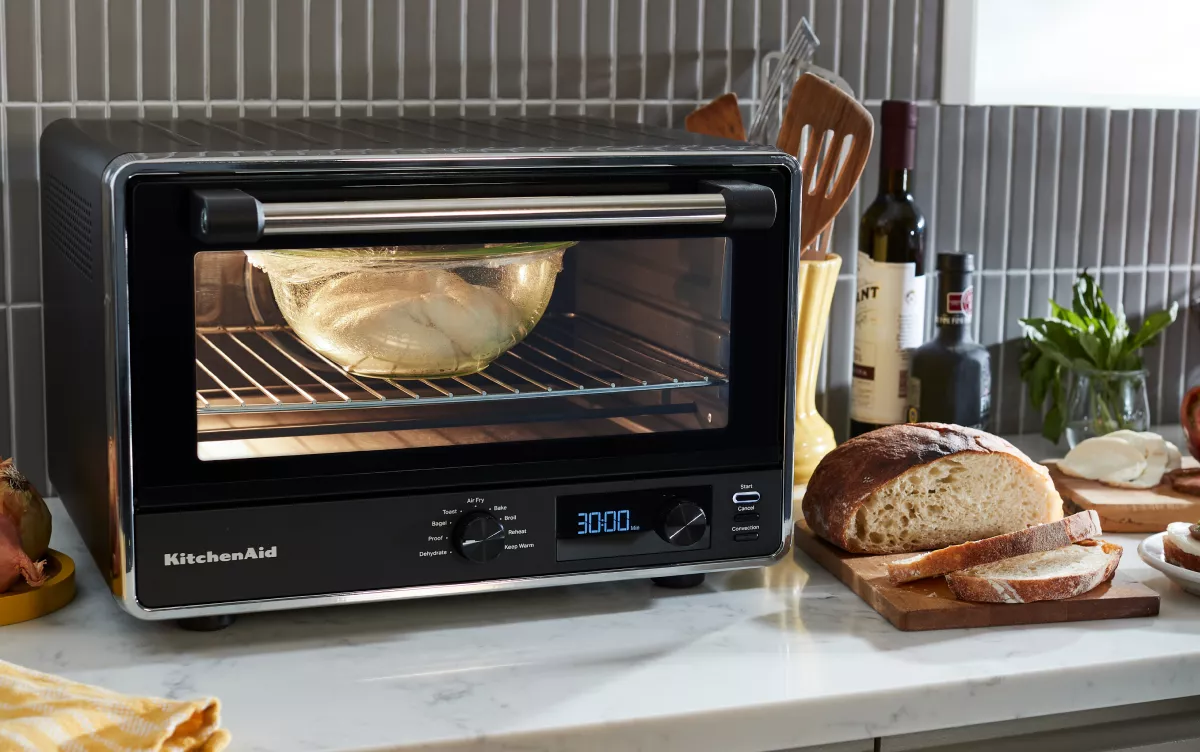
Are you struggling to fit your favorite long slices of bread into your KitchenAid toaster? It can be frustrating when your toaster just won’t accept the bread you love, especially if it’s too long or thick.
But don’t worry—there are simple tricks and easy adjustments you can make right now to solve this problem. Keep reading, and you’ll discover how to get your KitchenAid long toaster to work perfectly with your bread, making your mornings smoother and more enjoyable.
Common Issues With Kitchen Aid Long Toaster
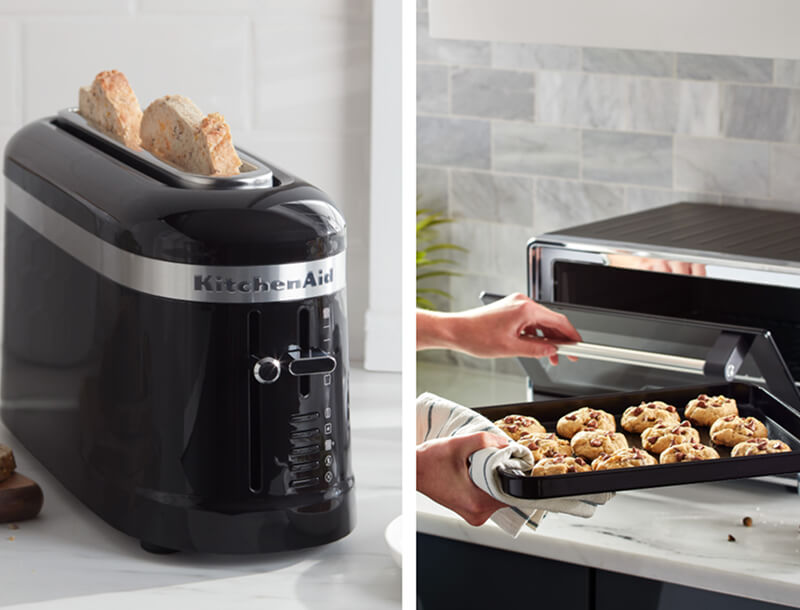
Many Kitchen Aid Long Toaster users face challenges when trying to toast their favorite bread slices. These common issues often stem from the toaster’s design and the variety of bread types available. Understanding these problems can help you make better decisions and enjoy your toaster to the fullest.
Bread Not Fitting Properly
One frequent complaint is that the bread won’t fit easily into the toaster slots. This can be frustrating when you’re in a hurry and just want a quick toast. If your bread keeps getting stuck or won’t slide in smoothly, it might be due to the bread’s shape or size not matching the toaster’s slot design.
Have you noticed that some brands of bread work better than others? You might want to try different bread types or slightly trim thick crusts to avoid jams. Sometimes, pushing the bread too hard can damage both the bread and toaster, so gentle handling is key.
Toaster Slot Size Limitations
The slots in a Kitchen Aid Long Toaster are designed with a specific size in mind. If your bread exceeds these dimensions, it simply won’t fit. This is especially true for artisan or homemade loaves, which often come in irregular sizes.
Think about the bread you usually buy. Does it match your toaster’s slot size? If not, consider slicing the bread thinner or investing in a toaster with wider slots. Remember, forcing oversized bread into small slots can cause mechanical issues.
Bread Thickness Challenges
Thicker bread slices tend to toast unevenly or get stuck halfway through the slot. This happens because the heating elements are positioned to work best with average slice thickness. Extra-thick slices may need longer toasting times or may not toast evenly.
Have you ever ended up with a burnt outside and cold inside? That’s a sign your bread might be too thick for your toaster’s settings. You can try adjusting the toasting level or slicing your bread thinner to get a better result.
Credit: www.kitchenaid.com
Preparing Bread For Better Fit
Preparing bread properly helps it fit better in a Kitchen Aid long toaster. This step prevents bread from getting stuck or unevenly toasted. Small changes in how you slice and shape the bread make a big difference. Adjusting the bread before toasting leads to a smoother, faster process.
Slicing Bread To Ideal Thickness
Slicing bread evenly ensures it fits the toaster slots well. Aim for slices about ½ inch thick. Thicker slices may not fit or toast properly. Thinner slices can burn quickly or tear. Use a sharp bread knife for clean cuts. Consistent thickness helps toast each slice evenly.
Choosing The Right Bread Type
Some breads fit better in long toasters than others. Choose breads with a firm texture and uniform shape. Sandwich bread and artisan loaves often work well. Avoid very soft or irregularly shaped breads. Dense breads may need thinner slices. Light breads toast faster but may need trimming.
Trimming Edges For Smooth Insertion
Cutting off uneven or thick crust edges helps bread slide in easily. Trim crusts if they are too wide for the toaster slots. Smooth edges prevent jamming or tearing. Use a sharp knife to carefully remove thick parts. This simple step makes inserting bread faster and safer.
Adjusting Toaster Settings And Components
Adjusting the settings and components of your KitchenAid long toaster can make a significant difference in how well it handles different types of bread. Small tweaks can help accommodate thicker slices or specialty bread that might otherwise get stuck or not toast evenly. Understanding how to properly use and adjust these features will give you better control over your toasting experience.
Using Adjustable Slots Effectively
Your KitchenAid long toaster often comes with adjustable slots designed to fit various bread sizes. Check if your slots have a width adjustment lever or slider; using this feature can prevent bread from getting stuck or unevenly toasted.
Try sliding the lever to a wider setting when inserting thicker bread like artisan loaves or bagels. This simple move can save you from the frustration of pulling out jammed bread and damaging your toaster.
Cleaning And Maintenance Tips
Keeping your toaster clean is crucial for smooth operation. Crumbs and residue can clog the slots and interfere with the toaster’s mechanisms, making it harder for your bread to fit or toast properly.
Regularly remove the crumb tray and clean it out. Use a soft brush or cloth to clear crumbs from the slots and heating elements. This not only helps with fit but also improves the toaster’s lifespan.
Modifying Toaster Parts Safely
If your bread is still too long or thick to fit, gently modifying some toaster parts can help, but safety is key. Avoid forcing any components, which can cause permanent damage or void warranties.
Consider lightly sanding or trimming the bread guides inside the slots if they are adjustable and removable. Always unplug the toaster before attempting any modifications, and test the adjustments with caution.
Have you noticed your toaster struggling with specific bread types? Sometimes, small, safe changes to the toaster’s internal guides can make all the difference without risking your appliance.
Credit: www.kitchenaid.com
Creative Hacks To Fit Larger Bread
Creative hacks are often born out of necessity, and when it comes to fitting larger bread slices into a Kitchen Aid long toaster, a little ingenuity goes a long way. Many of us have faced the frustration of trying to squeeze a deliciously large slice of homemade bread or artisan loaf into a standard toaster slot. Rather than trimming the bread or compromising on your favorite slice, there are several clever solutions to make your toaster work for you. Let's explore a few practical tips and tricks that can help you toast larger bread slices effortlessly.
Using Bread Guides Or Inserts
One simple way to manage larger slices is by using bread guides or inserts. These handy tools help align and position the bread properly, ensuring even toasting without the need for constant adjustments. They can be easily placed inside the toaster slots to create a snug fit for wider slices.
Consider adjustable stainless-steel guides that can be customized to the size of your bread. These inserts are often dishwasher safe, making them convenient to clean and maintain. Have you tried using guides before, or do you have a go-to hack for toasting bigger slices?
Toaster Alternatives For Long Bread
If your kitchen aids are not cooperating, it's worth exploring toaster alternatives designed for larger bread. Long-slot toasters are specifically built to accommodate wider and longer slices, perfect for artisanal or homemade loaves.
Investing in a toaster with adjustable slots can be a game-changer. These appliances provide flexibility and are great for households that frequently enjoy a variety of bread types. Do you think a long-slot toaster could be the perfect addition to your kitchen arsenal?
Diy Extensions And Modifications
If you enjoy a bit of DIY, modifying your toaster might be an exciting project. Some toaster enthusiasts have creatively extended their toaster slots using simple materials found at home.
- Consider using heat-resistant silicone or metal brackets to create a makeshift extension.
- Ensure any modifications are safe and do not interfere with the toaster's heating elements.
- Always prioritize safety and test modifications thoroughly before regular use.
Have you ever modified a kitchen appliance, or do you prefer to keep things as they are? A little creativity can go a long way in enjoying the perfect toast every morning!
Safety Tips When Modifying Your Toaster
Modifying your KitchenAid long toaster requires careful attention to safety. Small mistakes can lead to serious injuries or damage. Follow clear safety tips to protect yourself and your appliance during the process.
Avoiding Electrical Hazards
Always unplug the toaster before making any changes. Never work on the appliance while it is connected to power. Check wires for damage or wear before starting. Use insulated tools to prevent electric shocks. Avoid touching metal parts that connect to electricity.
Handling Heat And Sharp Parts
Allow the toaster to cool completely before handling. Use gloves to protect your hands from sharp edges. Be careful with internal metal parts that can cut skin. Avoid placing flammable materials near the toaster during use. Keep children and pets away from the work area.
When To Consult Professionals
Seek help if unsure about electrical or mechanical tasks. Complex modifications may require expert knowledge. A professional can ensure safety and proper functioning. Avoid risking damage or injury by attempting difficult repairs alone. Use professional services for wiring or circuit changes.
Best Bread Choices For Kitchen Aid Toasters
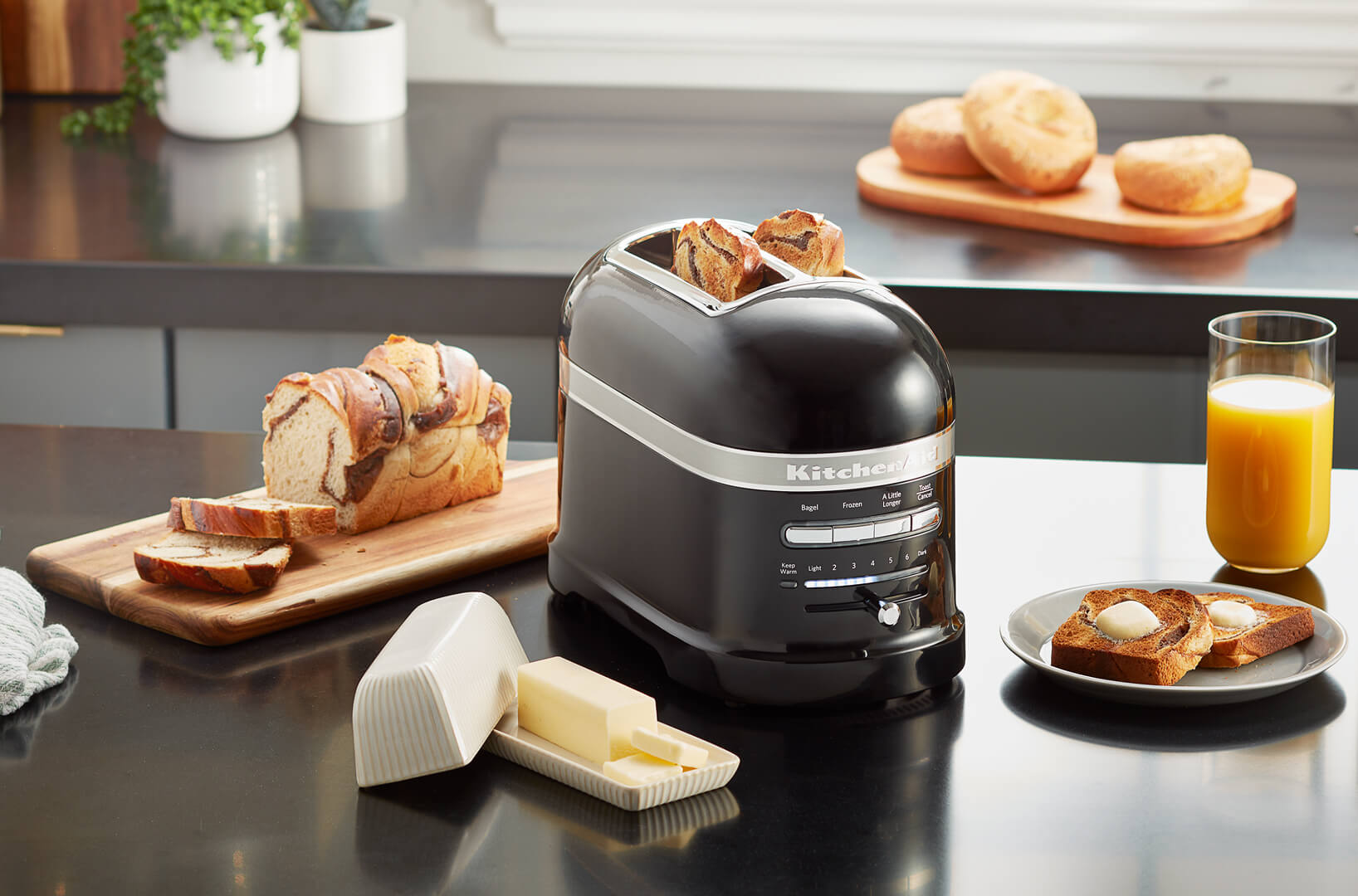
Choosing the right bread for your Kitchen Aid long toaster can transform your breakfast experience. Not all breads toast evenly or fit perfectly in the slot. Knowing which breads work best helps you avoid jams and enjoy perfectly toasted slices every time.
Popular Long Bread Varieties
Long breads come in many shapes and textures. Classic options like baguettes and Italian bread often fit well because of their length and firmness. Sourdough and rye loaves, sliced thinly and evenly, also slide smoothly into a Kitchen Aid long toaster.
Thicker artisan breads might need a bit of trimming or a different toasting approach. If you want variety, try sandwich bread made specifically for toasters—these are usually pre-sliced to fit standard slots. Have you noticed how some breads toast golden outside but stay soft inside? The choice of bread impacts this a lot.
Bread Texture And Toasting Results
The texture of your bread affects how it toasts. Dense breads like pumpernickel take longer to toast and can burn on the edges if you’re not careful. Light, airy breads toast quickly but might become too crisp or even crumble.
Moisture content plays a key role, too. Freshly baked bread with high moisture can steam rather than toast. Letting your bread sit out for a bit before toasting can improve crispness. Have you ever ended up with soggy toast? This could be why.
Storing Bread For Optimal Toasting
How you store your bread impacts toasting quality. Keep bread in a cool, dry place to prevent sogginess. Avoid refrigerating bread as it speeds up staling, which affects texture when toasted.
If you buy bread in bulk, freeze extra slices and thaw before toasting. This keeps bread fresh and ensures even browning. Do you notice a difference between fresh and day-old bread when you toast? Proper storage can help you achieve consistent results every time.

Credit: www.tasteofhome.com
Frequently Asked Questions
How To Make Kitchen Aid Toaster Fit Longer Bread?
Adjust the toaster slots by gently widening them. Use a thin, flat tool to carefully stretch the slots. Avoid damaging heating elements. This allows longer bread slices to fit without jamming or uneven toasting.
Can I Modify Kitchen Aid Toaster For Extra Length?
Yes, minor slot adjustments can be made carefully. Avoid forceful changes that void warranty or damage. Consider purchasing a toaster model designed for longer bread if frequent use is planned.
What Bread Types Fit Kitchen Aid Long Toaster Best?
Thin, standard slices fit best without modification. For longer breads like baguettes, slice thinner or adjust slots carefully. Thick artisanal bread may require a wider slot toaster model.
Is It Safe To Alter Kitchen Aid Toaster Slots?
Small, gentle adjustments are generally safe if done carefully. Avoid damaging internal parts or electrical components. If unsure, consult the user manual or contact Kitchen Aid support.
Conclusion
Making your Kitchen Aid long toaster accept bread is simple. Adjust the slots carefully to fit different bread sizes. Use gentle pressure to avoid damage. Test with various bread types to find the best fit. Keep the toaster clean to ensure smooth operation.
These small steps help you enjoy perfect toast every time. Try them and see the difference yourself. Your toaster works better and lasts longer this way. Easy, right?