
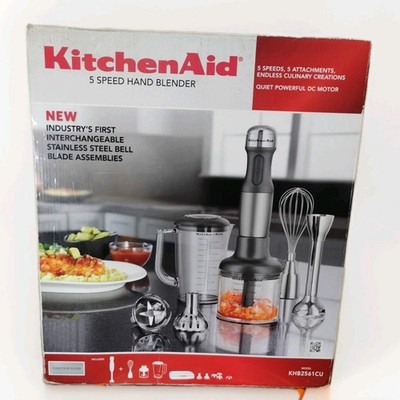
Are you wondering if your KitchenAid mixer pitcher can double as a blender pitcher? If you’ve ever thought about swapping parts to save space or money, this question is probably on your mind.
Knowing whether these pitchers are interchangeable can make your kitchen tasks easier and more efficient. Keep reading to find out the truth and learn how to get the most out of your KitchenAid appliances. This simple insight could change the way you cook and blend forever.
Credit: www.kitchenaid.com
Kitchenaid Mixer Basics
Understanding the basics of KitchenAid mixers can help you get the most out of your kitchen tools. These mixers are not just appliances; they are versatile machines designed to handle a variety of tasks. Knowing what type of mixer you have and the attachments it supports can save you time and effort in your cooking and baking adventures.
Types Of Kitchenaid Mixers
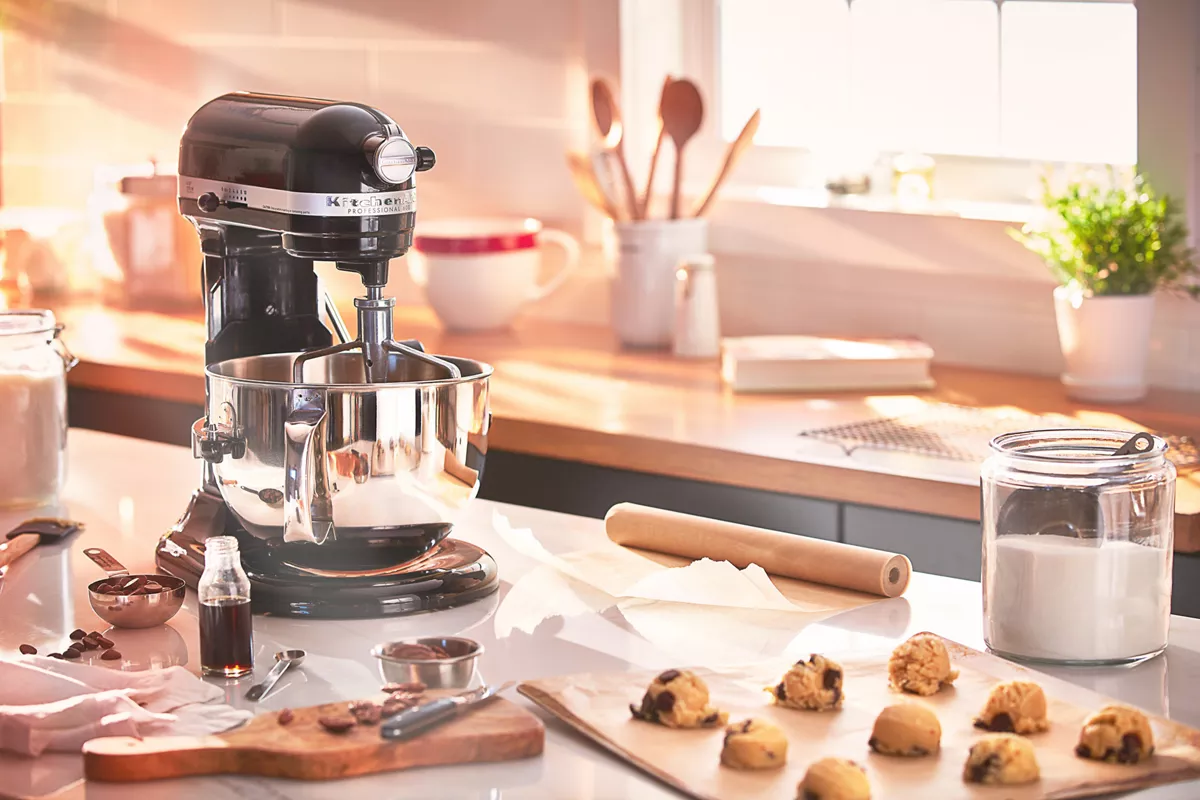
KitchenAid offers several mixer models, each designed for different needs and kitchen sizes. The most common types include:
- Artisan Series:Popular for home bakers, it has a 5-quart bowl and a powerful motor.
- Professional Series:Larger capacity and more power, suitable for serious bakers and small businesses.
- Classic Series:A budget-friendly option with a smaller bowl and basic features.
Choosing the right mixer depends on your cooking frequency and the volume of food you prepare. Have you noticed how a bigger bowl or stronger motor can change your mixing experience?
Common Attachments And Accessories
KitchenAid mixers can do much more than mix dough or batter. They come with or support a variety of attachments that enhance their functionality. Some popular attachments include:
- Flat Beater:Ideal for mixing cake batter, cookie dough, and frostings.
- Wire Whip:Perfect for whipping cream and egg whites to fluffy perfection.
- dough Hook:Designed specifically for kneading bread and pizza dough.
- Blender Pitcher:Attaches to the mixer base for blending smoothies, soups, and sauces.
These attachments are designed to be interchangeable on many KitchenAid mixers, but not all parts fit every model. Have you tried swapping attachments between different mixers in your kitchen? It’s a handy way to test their compatibility and expand your mixer’s capabilities.

Credit: www.youtube.com
Blender Pitchers Overview
Understanding the blender pitchers that come with KitchenAid mixers is key if you want to know whether they can be swapped or mixed between models. These pitchers differ in several ways that affect how they perform and fit with your mixer. Let’s take a closer look at what makes each blender pitcher unique.
Material And Design Variations
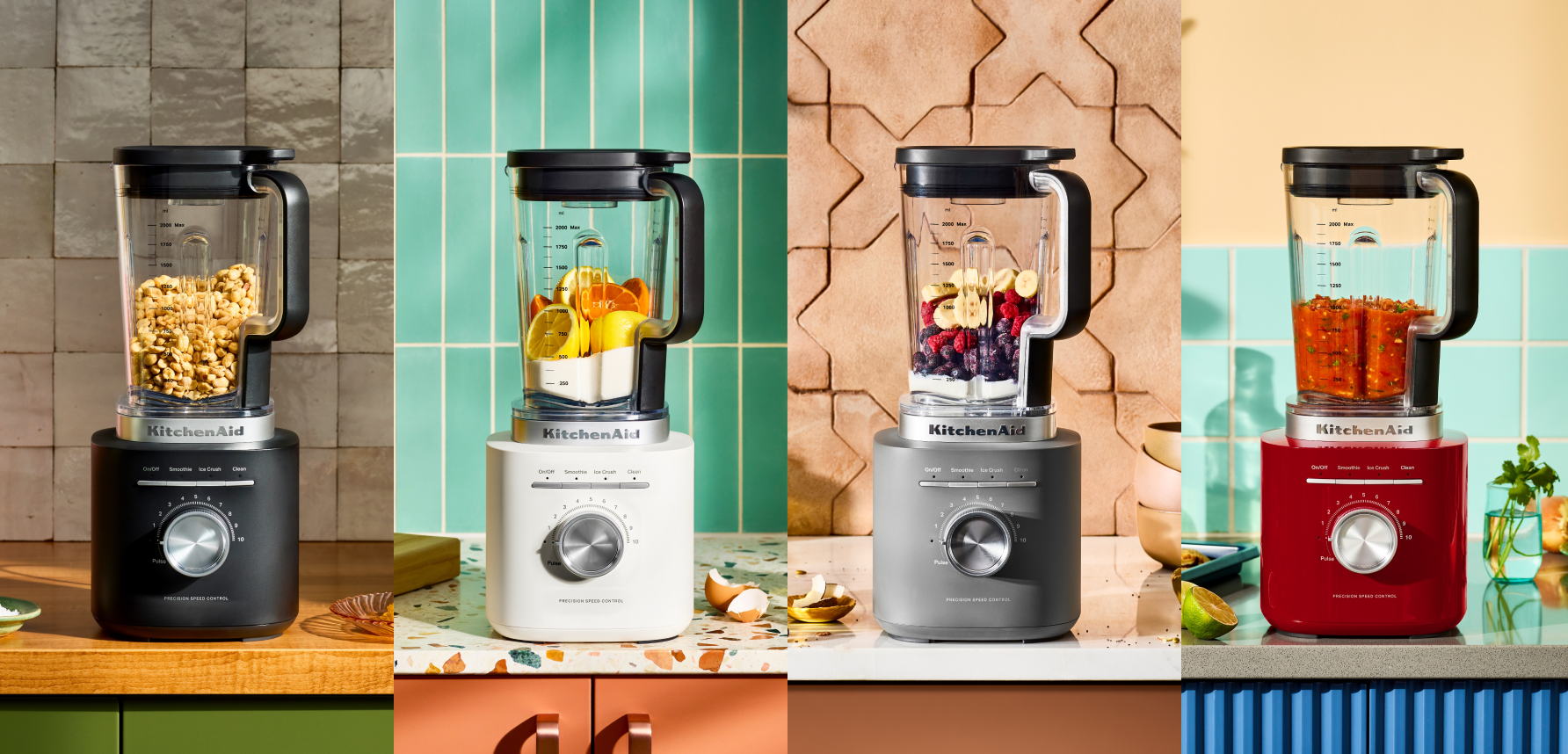
KitchenAid blender pitchers come in different materials, mainly glass and BPA-free plastic. Glass pitchers tend to be heavier but resist scratches and odors better, making them a long-lasting choice. Plastic pitchers are lighter and less likely to break, but they can stain or retain smells over time.
The design also varies depending on the model. Some pitchers have a wider base for better blending, while others are taller and narrower. The lid design and handle shape can differ, affecting how comfortable they are to use and how secure the fit is on the mixer base.
Capacity And Size Differences
Blender pitchers vary widely in capacity, ranging from about 40 ounces to over 60 ounces. Your choice depends on how much you usually blend—whether it’s a single smoothie or a large batch of soup.
Size impacts not only how much you can blend but also whether the pitcher fits properly on your specific KitchenAid mixer model. A pitcher that’s too large or too small may not sit securely or engage the motor correctly. Have you ever tried using a pitcher only to find it wobbles or won’t lock in place? That’s often due to size mismatch.
Compatibility Factors
Understanding compatibility factors is key to knowing if KitchenAid mixer blender pitchers are interchangeable. Different models and parts may not fit or work well together. Knowing these factors helps avoid damage and ensures the mixer works efficiently.
Attachment Mechanism
The attachment mechanism determines how the pitcher connects to the mixer base. Some pitchers use a bayonet mount, while others have a twist-and-lock system. These designs are not always the same across all KitchenAid models.
Check the shape and size of the pitcher’s base and the mixer’s hub. Misaligned or mismatched attachments can cause the pitcher to wobble or not fit securely. Always match pitchers with mixers that have the same attachment style.
Motor Power And Speed Settings
The motor power affects how well the mixer handles different pitchers and tasks. Higher motor power supports heavier or thicker blends, while lower power may struggle with tough ingredients.
Speed settings also matter. Some pitchers require specific speeds to work properly. Using incorrect speeds can cause damage or poor blending results. Verify that your mixer’s power and speed range suit the pitcher’s recommended use.
Interchangeability Between Models
KitchenAid mixers are a staple in many kitchens, known for their versatility and durability. But when it comes to interchangeability between models, especially with blender pitchers, things can get a bit tricky. Understanding which models are compatible with various accessories can save you both time and money, and add convenience to your culinary adventures.
Mixers Compatible With Blender Pitchers
Some KitchenAid mixers do allow for the attachment of blender pitchers, providing the same blending power without the need for an entirely separate appliance. Models like the KitchenAid Artisan Series or the Professional 600 Series are often compatible with KitchenAid blender attachments. This means you can whip up a smoothie or blend a sauce without cluttering your counter with multiple gadgets.
Check the specific model number of your KitchenAid mixer to see if it supports such attachments. Often, the manufacturer's website or the user manual will list all compatible accessories. This can be a game-changer if you love multitasking in the kitchen.
Limitations And Exceptions
Not all KitchenAid mixers are created equal when it comes to accessory compatibility. Some older models or more basic versions may not support blender pitchers. It's essential to verify compatibility before purchasing any new attachments.
Furthermore, even among compatible models, there might be limitations on what you can blend due to motor power or pitcher capacity. Attempting to blend something too dense or large can strain your mixer and lead to unnecessary wear and tear.
Have you ever faced the frustration of realizing an accessory doesn’t fit your model? Always double-check before buying to ensure a seamless kitchen experience. This small step can prevent future headaches and help you make the most of your KitchenAid mixer.
Using Blender Pitchers Safely
Using blender pitchers safely is essential to keep your Kitchen Aid mixer running smoothly and to protect yourself from accidents. Even if you think the pitchers might be interchangeable, each one has specific ways to fit and operate safely. Taking time to handle and install them properly can save you from damage and ensure your blending experience is hassle-free.
Proper Installation Tips
Make sure the blender pitcher aligns perfectly with the mixer base before you lock it in place. If it feels forced or wobbly, stop and check the fit again. Forcing a pitcher can damage the locking mechanism or cause leaks during blending.
Check that the pitcher lid is securely on, especially if you're blending at high speeds. A loose lid can cause splashes or even injuries. Also, confirm that the blades are tightly attached and not damaged before each use.
Avoiding Damage And Wear
Never use metal utensils inside the blender pitcher; they can scratch or weaken the plastic or glass. If you notice cracks or deep scratches, it’s time to replace the pitcher to avoid leaks or breakage.
Clean the pitcher right after use to prevent food from drying and sticking, which can wear down the material over time. Avoid abrasive cleaners that might dull the surface or weaken seals.
Have you ever tried blending hot liquids? Pour them carefully and never fill the pitcher beyond the maximum fill line. Overfilling or blending hot contents too quickly can stress the pitcher and the mixer motor.
Troubleshooting Common Issues
Troubleshooting common issues with your Kitchen Aid mixer blender pitchers can save you time and frustration. Many users face problems that seem complicated but often have straightforward solutions. Understanding these can help you get the most from your appliance.
Pitcher Not Fitting Correctly
Have you ever tried attaching a pitcher only to find it won’t sit right? This often happens because not all Kitchen Aid blender pitchers are designed to fit every mixer model. Check the model number on your mixer and pitcher to ensure compatibility before attempting to swap parts.
Sometimes debris or residue can block the pitcher from locking in place. Clean the base of the pitcher and the mixer attachment point thoroughly. A quick wipe can make a big difference.
If the pitcher still doesn’t fit, gently wiggle it while aligning the locking tabs. Avoid forcing it, which could damage the locking mechanism. You might find that using the correct pitcher designed for your specific mixer model is the best solution.
Blender Not Operating Smoothly
Is your blender pitcher running slower or making unusual noises? These signs often point to a motor or blade issue. First, unplug the mixer and inspect the blades—sometimes food particles get stuck, causing resistance.
Lubrication can also affect smooth operation. While Kitchen Aid mixers are designed to be maintenance-free, it helps to periodically check the connection points for any buildup or stiffness. If you notice excessive vibration, the pitcher might not be seated properly.
Try this quick test: run the blender empty for a few seconds to see if the problem persists. If it does, consult your user manual or consider contacting customer support. Have you noticed any patterns, like the issue occurring only with certain ingredients? Identifying this can help pinpoint the cause.
Alternatives And Upgrades
Alternatives and upgrades offer ways to enhance your KitchenAid mixer beyond the original blender pitchers. These options let users expand functionality and customize their kitchen tools. Choosing the right upgrade or alternative can save money and improve efficiency in food preparation.
Exploring different pitcher options may provide better performance or fit specific needs. Upgrades can also refresh an older mixer, extending its usability and appeal.
Aftermarket Blender Pitchers
Aftermarket blender pitchers are made by third-party companies, not KitchenAid. They often fit various KitchenAid mixer models and come in different sizes and materials. These pitchers can be cheaper than original ones, yet still durable and functional.
Many aftermarket pitchers offer:
- Extra capacity for larger batches
- Different blade types for unique textures
- Dishwasher-safe materials for easy cleaning
- Compatibility with multiple KitchenAid models
Checking user reviews and product details is important before buying. It ensures the pitcher fits your mixer and meets your expectations.
Upgrading Your Kitchenaid Mixer
Upgrading your KitchenAid mixer can improve its power and versatility. Some upgrades include:
- Stronger motors for tougher ingredients
- New attachments for blending, chopping, or juicing
- Modern control panels with speed options
- Improved safety features
These upgrades may require professional installation or specific parts. They help keep your mixer up to date and ready for new recipes.
Credit: www.kitchenaid.in
Maintenance And Care
Proper maintenance and care keep your Kitchen Aid mixer blender pitchers working well. Clean pitchers prevent food buildup and odors. Well-stored attachments last longer and stay safe from damage. Simple habits extend the life of your mixer and its parts.
Cleaning Blender Pitchers
Wash pitchers after each use to remove food particles. Use warm water and mild soap for gentle cleaning. Avoid harsh scrubbers that can scratch the surface. Rinse thoroughly to remove soap residue. Dry completely before storing to prevent mold and mildew.
Check the blender blade for stuck food. Use a small brush to clean hard-to-reach spots carefully. Never immerse the pitcher base in water. Hand wash this part if needed to protect electrical components.
Storing Attachments Properly
Store blender pitchers and mixer attachments in a dry place. Keep them away from direct sunlight to avoid discoloration. Use a dedicated shelf or cabinet to organize parts. This prevents loss and damage.
Place pitchers upright to avoid pressure on blades. Cover attachments with a clean cloth or lid to keep dust away. Avoid stacking heavy items on top. Proper storage helps maintain performance and safety.
Frequently Asked Questions
Are Kitchenaid Mixer Pitchers Interchangeable?
No, KitchenAid mixer pitchers are not universally interchangeable. Compatibility depends on the model and size of the mixer. Always check the specific pitcher designed for your mixer model to ensure proper fit and performance.
Can I Use Any Blender Pitcher On My Kitchenaid Mixer?
No, not all blender pitchers fit KitchenAid mixers. Only pitchers designed for KitchenAid models work correctly. Using incompatible pitchers may damage the mixer or affect blending quality.
What Determines Kitchenaid Pitcher Compatibility?
Compatibility depends on the mixer’s model, series, and pitcher size. KitchenAid offers specific pitchers for different mixers. Verify your mixer's model number before purchasing a pitcher to ensure a perfect match.
Are There Benefits To Using Original Kitchenaid Pitchers?
Yes, original KitchenAid pitchers ensure optimal performance and durability. They fit perfectly and maintain the mixer's warranty. Non-original pitchers may lead to poor results and potential damage.
Conclusion
KitchenAid mixer blender pitchers usually fit only specific models. Mixing parts from different models may not work well. Always check your mixer’s model number first. Using the right pitcher keeps your mixer safe and efficient. This helps avoid leaks or damage during use.
Choosing the correct pitcher saves time and frustration. Remember, matching parts ensure better blending results every time. Simple steps protect your investment and improve your kitchen experience.